Yukon Gold potato
Solanum tuberosum 'Yukon Gold'. Family Solanaceae. Annual.
Also called Yukon Gold.
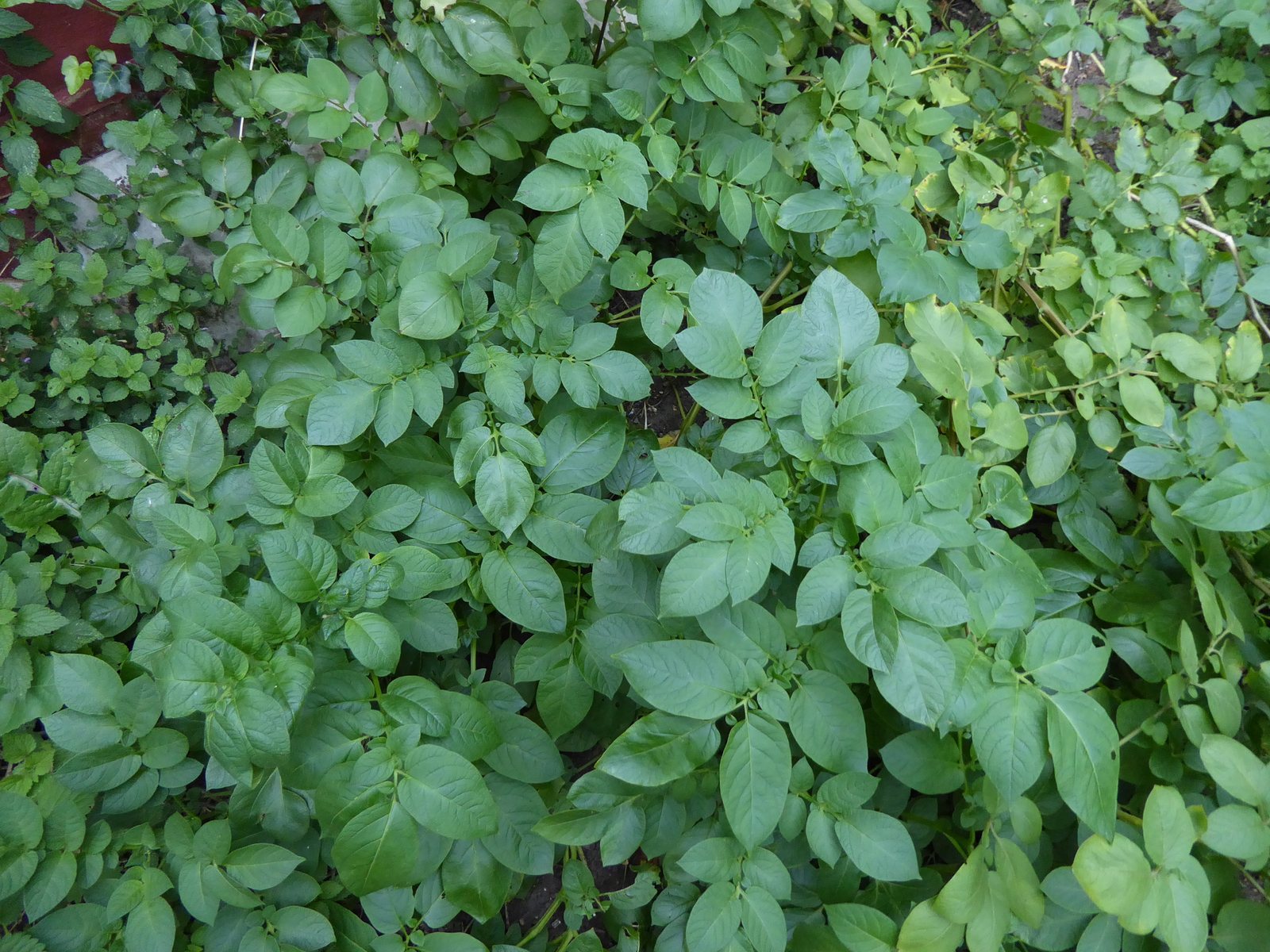
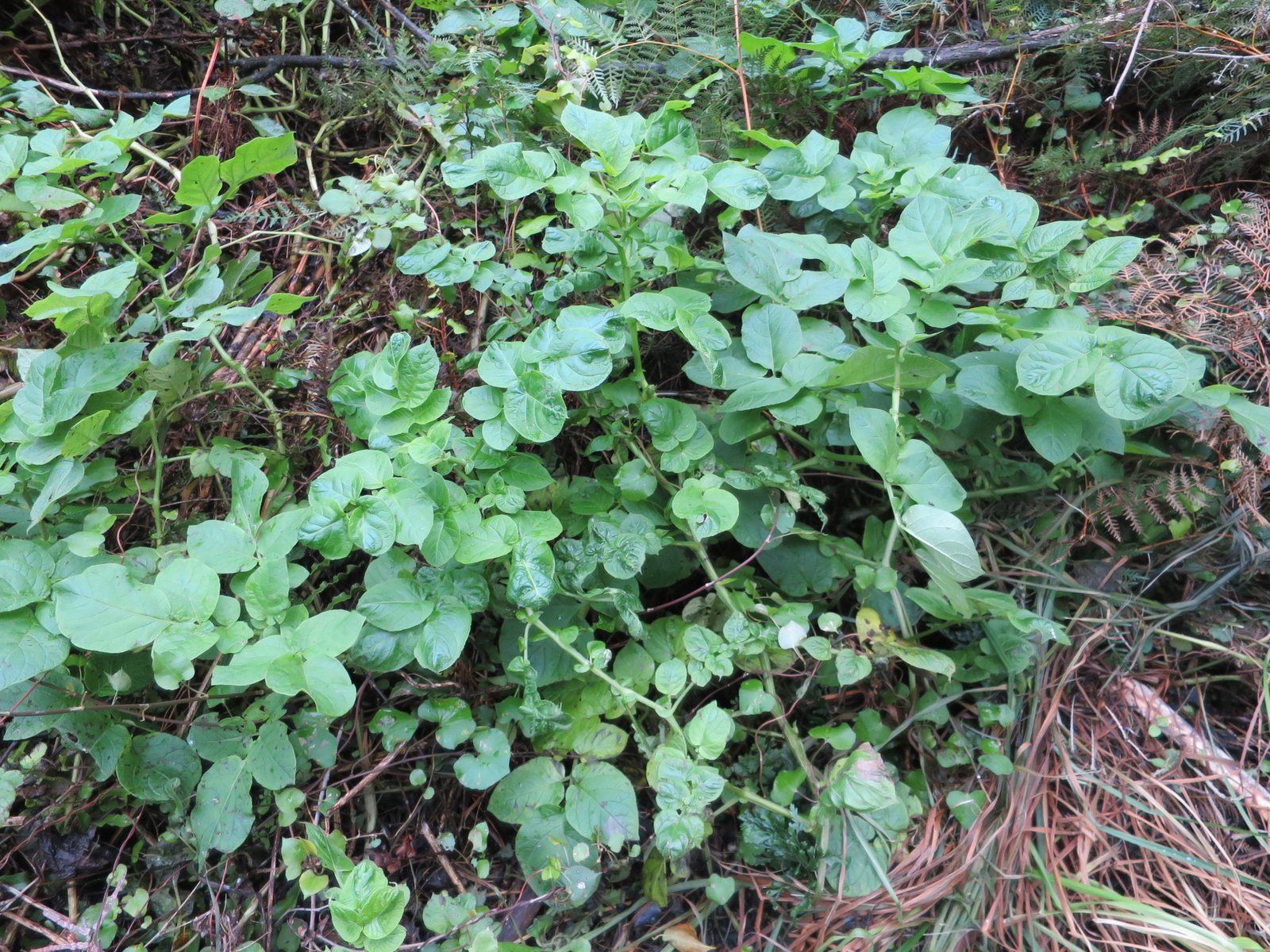
Yukon Gold is a yellow-fleshed potato grown for its smooth texture and usefulness for boiling, baking and mashing. Although botanically a frost-tender perennial, it is grown as an annual, producing round to oval tubers with thin yellow skin and shallow, sometimes pinkish eyes.
At a glance
- Sun
- Full sun, ideally at least 6 hours daily; in hot climates, grow during the cooler season.
- Water
- Keep the root zone evenly moist but not waterlogged, especially while tubers form and enlarge. About 1-2 in (2.5-5 cm) of water weekly, including rain, is usually sufficient, depending on soil and weather.
- Soil
- Loose, well-drained, moisture-retentive soil enriched with mature compost; slightly acidic soil, around pH 5.0-6.0, helps limit common scab. Avoid compacted or persistently wet ground.
- Height
- 2-3 ft (0.6-0.9 m)
- Spread
- 1-2 ft (0.3-0.6 m)
- Flowers
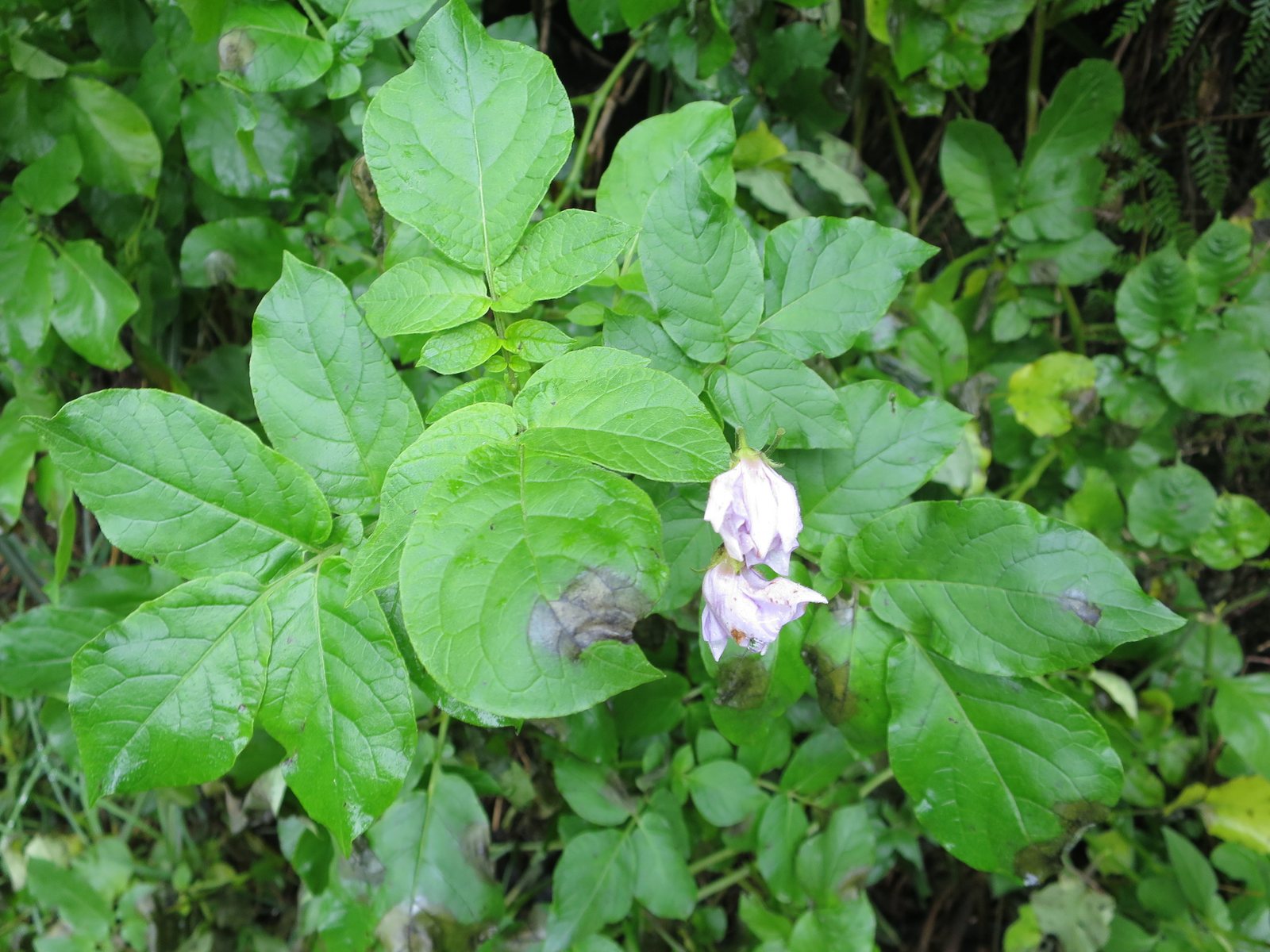
- Late spring to summer, depending on planting time; pale violet to nearly white flowers with yellow anthers. Flowering can be sparse or absent.
- Foliage
- Green, compound leaves with broad oval leaflets on upright to spreading, fleshy stems; foliage yellows and dies back as the crop matures.
- Growth
- Fast during cool to mild weather; heat and drought reduce tuber growth.
- Care needed
- Medium
The year at a glance
- Low allergen
- Edible
| J | F | M | A | M | J | J | A | S | O | N | D | |
|---|---|---|---|---|---|---|---|---|---|---|---|---|
| Flowers | ||||||||||||
| Fruit | ||||||||||||
| Plant |
Northern hemisphere months. In Australia, shift them by six.
- Difficulty
- Moderate
- Toughness
- Needs looking after
Will it suit your garden?
Pick your zone, country, light and whether you have pets.
Full sun is 6 or more hours of direct sun a day, part shade 3 to 6 hours, shade under 3.
How it grows
Planting day
0.5 ft (0.15 m)
After 1 year
2.5 ft (0.75 m)
full size
Full size in one season.
From a typical nursery size, at an average rate for this kind of plant. A rule of thumb, not a forecast.
Good to know
- Cats and dogs
- Toxic
- Growth rate
- Fast
Care
Jobs through the year
- FeedMar–May
- At planting, incorporate mature compost and balanced vegetable fertilizer; avoid fresh manure.
- WaterApr–May, every 7 days
- Check soil moisture and water if dry, allowing for rainfall.
- WaterJun–Aug, every 3 days
- Check moisture; supply 25–50 mm weekly including rain while tubers grow, stopping as foliage dies.
- ProtectMar–May
- Cover emerging shoots with fleece or soil when frost is forecast.
- ProtectApr–Jun, every 14 days
- Earth up when shoots reach 15–20 cm; repeat as needed to keep tubers covered.
- MulchMay–Jun
- Apply clean straw to conserve moisture and exclude light; check beneath it for slugs.
- PruneJul–Sep
- Remove dead haulms before lifting; remove blighted foliage promptly, but retain healthy growth.
- HarvestJun–Sep
- Lift useful-sized new potatoes, or mature tubers about two weeks after foliage dies and skins set.
- Plant certified seed potatoes about 4 in (10 cm) deep and 12 in (30 cm) apart, with rows 30 in (75 cm) apart, once soil is workable and warming.
- Earth up around stems when shoots reach 6-8 in (15-20 cm), leaving their tips exposed; repeat as needed to keep developing tubers covered.
- Water deeply during dry spells, keeping moisture particularly steady during tuber formation.
- Work mature compost and a balanced vegetable fertiliser into the soil before planting; avoid heavy nitrogen feeding and fresh manure.
- Use clean straw mulch to conserve moisture, but check beneath it for slugs and keep tubers shielded from light.
- Rotate potatoes away from potatoes, tomatoes, peppers and aubergines for at least three years where space allows.
Pruning. Routine pruning is unnecessary; do not cut back healthy foliage while tubers are developing. For a mature crop, remove dead haulms before lifting, or cut diseased foliage promptly and dispose of it away from the growing area.
Harvest
Gently lift a few small tubers for new potatoes once they reach a useful size; flowering is not a reliable harvest signal. For mature potatoes, expect roughly 80-110 days from planting, depending on conditions, and wait until the foliage yellows and dies back, then allow about two weeks for skins to set before lifting in dry weather.
Through the year
- Late winter
- Order certified seed potatoes; in cool regions, sprout them in a bright, cool, frost-free place before planting.
- Early spring
- Prepare well-drained soil and plant when it is warming, usually at least 45°F (7°C); protect emerging shoots from frost.
- Spring
- Earth up growing stems and remove weeds before the canopy closes.
- Late spring
- Check foliage for pests and blight, and begin regular watering if rainfall is insufficient.
- Summer
- Lift a few new potatoes if wanted, or leave the crop until foliage dies back for larger tubers.
- Late summer
- Lift mature tubers, sort out damaged ones, and store sound potatoes in darkness.
- Autumn
- Remove overlooked tubers and crop debris. In frost-free, hot-summer regions, use the local autumn-to-winter planting window instead of spring.
In the garden
- Plant in orderly rows in a kitchen garden, allowing room for earthing up and harvesting.
- Use in raised vegetable beds where loose soil makes lifting tubers easier.
- Grow in large, well-drained containers or potato bags in a sunny courtyard, keeping the compost evenly moist.
- Combine with spring lettuce or radishes between rows, harvesting these before potato foliage fills the space.
Garden styles it suits: Potager (kitchen garden), Edible landscape, Homestead, Farmhouse, Cottage garden and Family-friendly.
Plant it with: Lettuce, Radishes, Spring onions, Bush beans and Nasturtiums.
Wildlife: Flowers may be visited by bumblebees collecting pollen, but this is primarily a food crop rather than a wildlife plant. Tubers form without pollination; keep any small green berries away from children and pets.
Problems to watch for
- Late blight: rapidly spreading brown foliage patches and rotting tubers are most likely in humid weather. Use healthy seed potatoes, avoid wetting foliage, follow local blight alerts, and remove infected haulms promptly; do not store affected tubers.
- Common scab: corky patches develop on tuber skins. Avoid liming the potato bed or adding fresh manure, and keep soil evenly moist as tubers begin forming.
- Colorado potato beetle, especially in North America: striped adults and red larvae strip foliage. Inspect leaf undersides for orange egg clusters, hand-pick beetles and larvae, and use locally approved controls if necessary.
- Slugs: holes and tunnels spoil tubers, particularly in damp, heavy soil. Reduce hiding places, improve drainage, lift the crop promptly when mature, and use locally approved slug controls if needed.
Safety
Leaves, stems, sprouts and berries contain toxic glycoalkaloids and can poison people, cats, dogs and horses. Green, badly sprouted or bitter tubers can also cause serious poisoning; cooking does not reliably make them safe. Discard suspect tubers rather than trying to salvage them. Sound, non-green tubers are edible when cooked.
Easily confused with
Kennebec potato (Solanum tuberosum 'Kennebec')
Both can have pale skin and shallow eyes, but Kennebec has white flesh rather than Yukon Gold's yellow flesh. Foliage alone is not a reliable way to identify potato cultivars.
The name
The botanical name tuberosum means tuber-bearing, referring to the swollen underground stems harvested as potatoes.
Propagation. Grow from certified seed potatoes, not botanical seed, to retain the cultivar's characteristics and reduce disease risk. Plant small tubers whole; larger ones can be cut into substantial pieces with at least one healthy eye each, allowing cut surfaces to dry before planting.
Checked against open data
- Accepted botanical name
- Solanum tuberosum
- In the US and Canada
- Introduced in Hawaii, the lower 48 states and Puerto Rico.
- Native range
- Argentina Northwest, Argentina South, Bolivia, Chile Central, Chile North, Chile South, Colombia, Ecuador, Peru and Venezuela.
- Measured
- Soil pH 7.5 to 8. Average height 37 cm.
Sources: GBIF (CC BY 4.0), USDA PLANTS and Trefle (CC BY 4.0). The care and design notes are LandscapeGPT's own.
See it in your own yard.
Upload a photo of your yard and see it redesigned with plants that suit your climate, each checked against your zone.