Yuzu
Citrus junos. Family Rutaceae. Tree.
Also called Japanese citron, Yuja.
Yuzu is a thorny, evergreen citrus grown for its intensely fragrant rind and sharp juice, used in sauces, preserves and drinks. It tolerates more cold than most citrus, but needs a sunny, sheltered position, and its flowers and fruit are less frost-hardy than the tree itself. A single tree can produce fruit without a pollination partner.
At a glance
- Sun
- Full sun; shelter from cold, drying winds.
- Water
- Water deeply when the upper soil begins to dry, keeping the root zone moist but never waterlogged. Container plants need frequent checks in warm weather and much less water in winter.
- Soil
- Fertile, well-drained, slightly acidic soil. For containers, use a free-draining citrus potting mix and a pot with unobstructed drainage holes.
- Height
- 12-20 ft (3.7-6 m); smaller in containers
- Spread
- 10-15 ft (3-4.6 m)
- Flowers
- Fragrant white flowers in spring, sometimes extending into early summer.
- Foliage
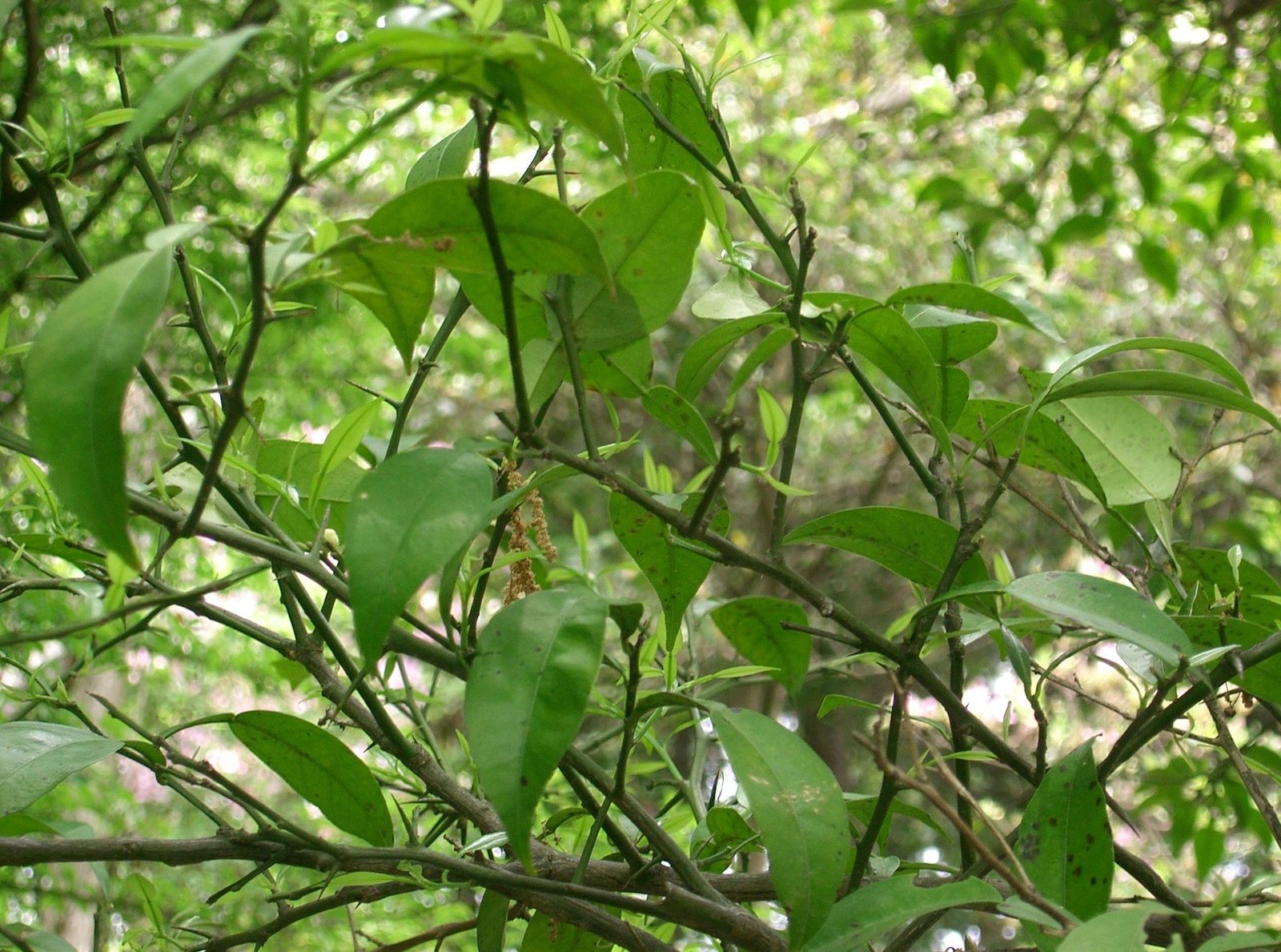
- Evergreen. Glossy, dark green, aromatic leaves with conspicuously winged leaf stalks; branches carry strong, sharp thorns.
- Growth
- Slow to moderate
- Care needed
- Medium
The year at a glance
- Pollinators
- Heat tolerant
- Wildlife
- Low allergen
- Fragrant
- Edible
| J | F | M | A | M | J | J | A | S | O | N | D | |
|---|---|---|---|---|---|---|---|---|---|---|---|---|
| Flowers | ||||||||||||
| Fruit | ||||||||||||
| Plant |
Northern hemisphere months. In Australia, shift them by six.
- Difficulty
- Moderate
- Toughness
- Fairly tough
Will it suit your garden?
Pick your zone, country, light and whether you have pets.
Full sun is 6 or more hours of direct sun a day, part shade 3 to 6 hours, shade under 3.
How it grows
Planting day
7 ft (2 m)
After 1 year
7 ft (2.1 m)
After 2 years
7 ft (2.2 m)
After 3 years
8 ft (2.3 m)
After 5 years
8 ft (2.5 m)
About 26 years to full size.
From a typical nursery size, at an average rate for this kind of plant. A rule of thumb, not a forecast.
Good to know
- Cats and dogs
- Toxic
- Growth rate
- Slow
Care
Jobs through the year
- WaterApr–May, Sep–Oct, every 14 days
- Water established ground-grown trees if upper soil is drying; young trees and containers need more.
- WaterJun–Aug, every 7 days
- Water deeply during dry weather; check containers frequently and never leave them standing in water.
- WaterJan–Mar, Nov–Dec, every 21 days
- Check protected containers and water sparingly before the root ball dries completely.
- FeedMar–Aug, every 28 days
- Use citrus fertilizer with trace elements during active growth, adjusting frequency to its label.
- PruneApr–May
- After hard frost risk, remove damaged and crossing branches; remove rootstock suckers whenever seen.
- MulchApr–May
- Mulch the root zone while keeping the trunk and graft union clear.
- ProtectJan–Apr, Oct–Dec
- In zones 6–7, overwinter containers somewhere bright, cool and frost-free; fleece alone is insufficient outdoors.
- HarvestAug–Dec, every 7 days
- Clip green fruit for rind or yellow fruit for rind and juice; pick before damaging freezes.
- Plant after the main frost risk has passed, keeping the root flare at soil level and the graft union above it.
- Water young trees regularly through their first growing seasons; avoid leaving containers standing in water.
- Apply a citrus fertiliser containing trace elements during active growth, following the label for your climate and growing method.
- Mulch over the root zone, leaving a clear gap around the trunk.
- Protect young trees during hard freezes; move containers to a bright, cool, frost-free place where winters exceed the tree's tolerance.
- Remove shoots arising below the graft union as soon as you notice them.
Pruning. Prune lightly in spring after the risk of hard frost has passed, removing dead, damaged and crossing branches. Avoid heavy pruning, which removes fruiting wood, and wear thick gloves against the thorns.
Harvest
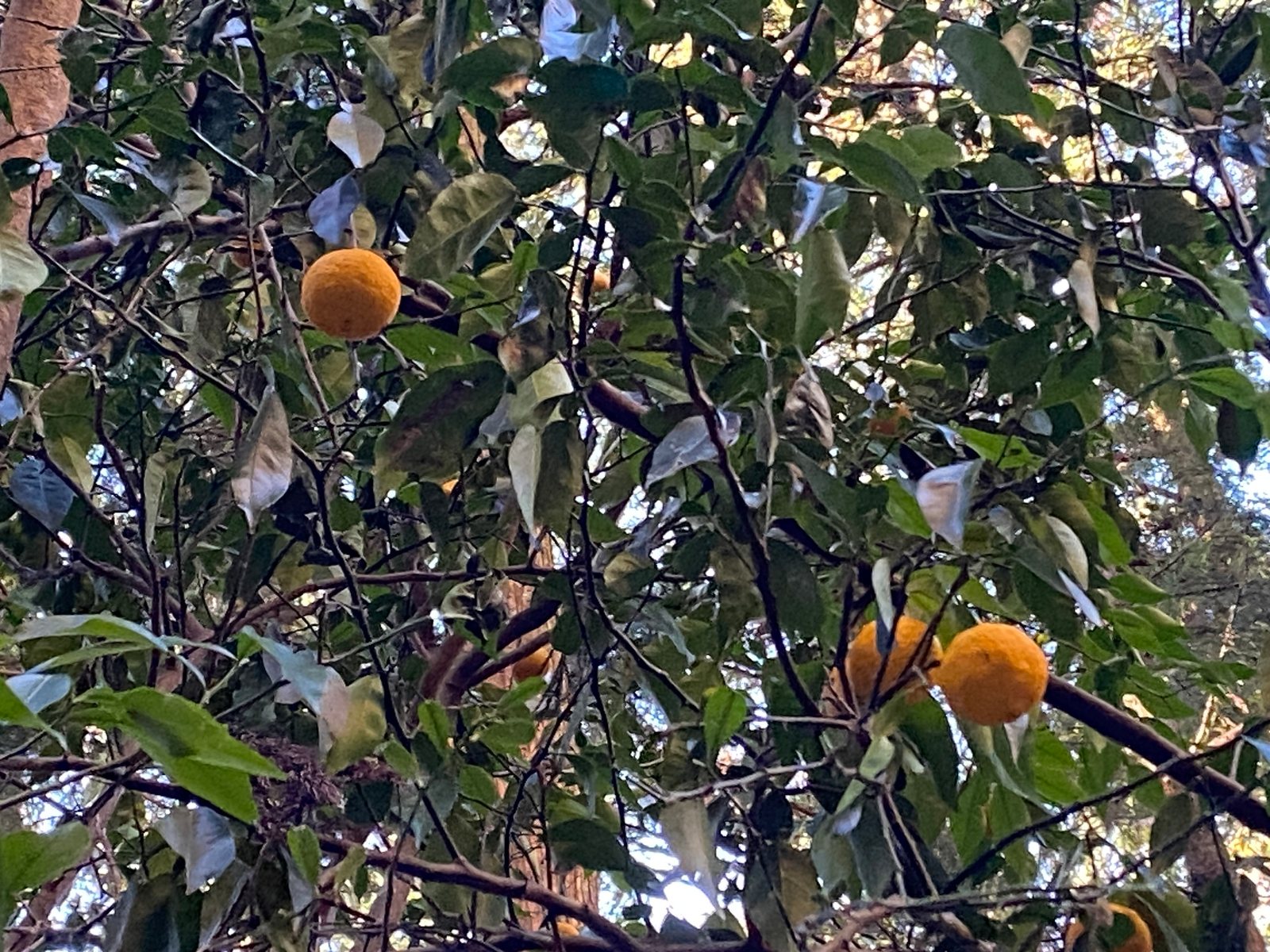
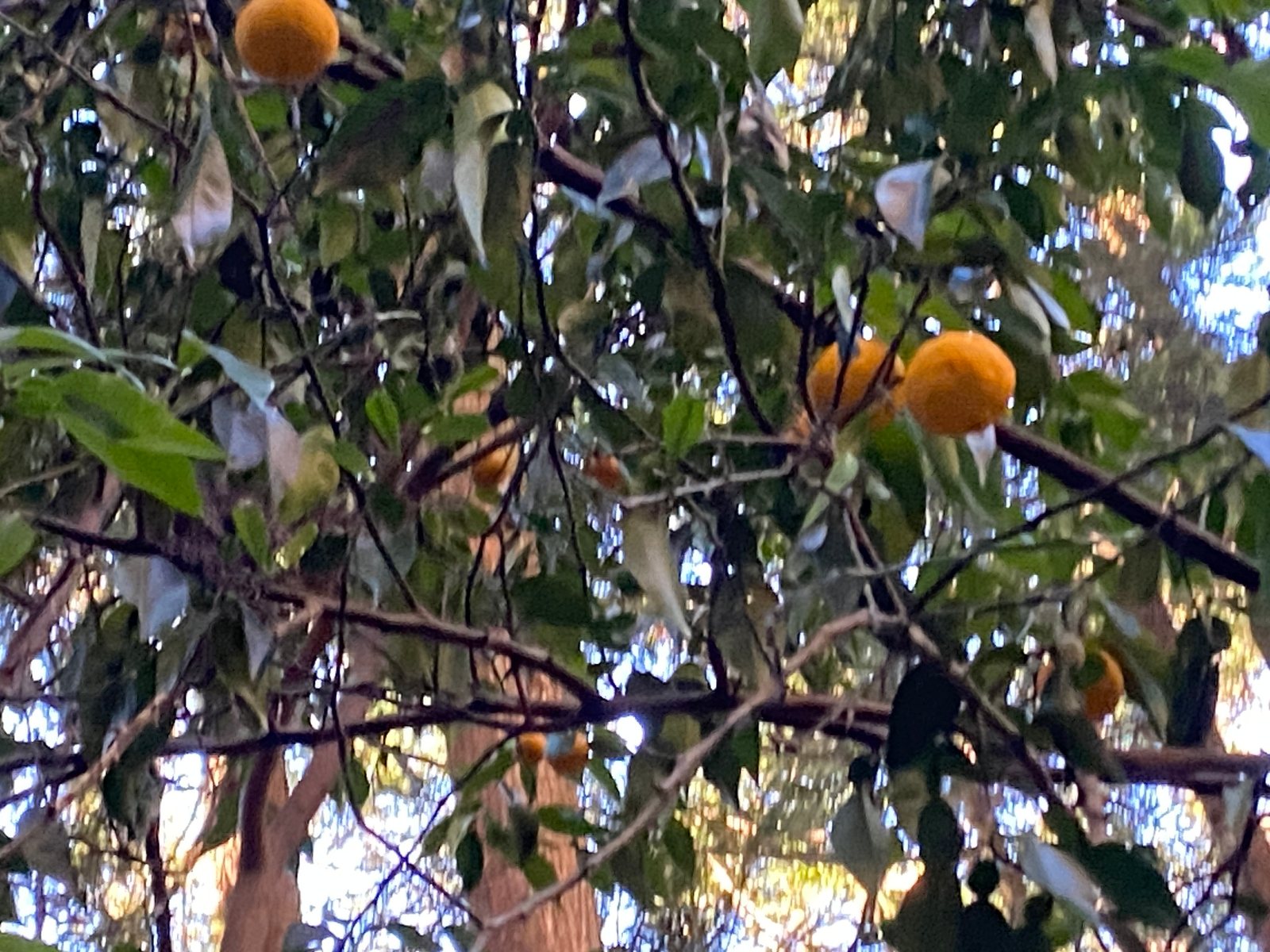
Pick green fruit in late summer or early autumn for its aromatic rind, or leave it until the skin turns yellow in late autumn to early winter for ripe rind and juice. Clip fruit off with secateurs before damaging freezes rather than pulling it from the thorny branches. Grafted trees commonly give their first worthwhile crop about 3-5 years after planting; seedlings may take 10 years or longer.
Through the year
- Early spring
- Check overwintered plants for scale insects and spider mites, and begin feeding as active growth resumes.
- Spring
- Plant or repot after hard frost risk has passed; prune out damaged wood and remove rootstock shoots.
- Late spring
- Move sheltered container plants outdoors gradually once conditions are suitable, acclimatising them to direct sun.
- Summer
- Check soil moisture frequently, water thoroughly when needed and continue feeding according to the fertiliser label.
- Autumn
- Harvest green or yellow fruit according to its intended use, and prepare frost protection.
- Winter
- Keep protected container plants bright and cool, water sparingly and inspect regularly for pests.
In the garden
- Use as a small specimen tree in a sheltered edible garden, with space around its thorny branches.
- Grow in a large container in a sunny courtyard where winter shelter is available.
- Include in a Japanese-inspired garden for evergreen structure, fragrant flowers and yellow autumn fruit.
- Plant on the sunny edge of a mixed fruit garden, keeping lower companions clear of the trunk.
Garden styles it suits: Japanese, Modern courtyard, Potager (kitchen garden), Edible landscape, Backyard orchard and Sensory garden.
Plant it with: Thyme, Oregano, Chives, Sweet alyssum and Calendula.
Wildlife: The fragrant flowers attract bees and other pollinating insects. Dense, thorny branches can provide cover for small birds.
Problems to watch for
- Scale insects can cause sticky honeydew and black sooty mould: inspect stems and leaf undersides, remove small infestations by hand and use a citrus-labelled horticultural oil when needed.
- Spider mites cause pale stippling and leaf drop, especially under cover: inspect leaf undersides, rinse foliage and use an appropriate labelled treatment if the infestation persists.
- Root and collar rot develop in wet soil: improve drainage, keep mulch away from the trunk and never leave pots standing in water.
- Yellow leaves with green veins often indicate iron deficiency linked to alkaline soil or impaired roots: check drainage and soil pH, then use a suitable citrus feed or chelated iron as appropriate.
Safety
The flesh, juice and rind are edible for people in normal culinary quantities. Citrus peel oils and other compounds in the peel and foliage can be toxic to cats, dogs and horses if eaten, causing digestive upset and sometimes skin irritation; concentrated essential oils pose a greater risk. Keep pets from chewing leaves or discarded peel, and keep thorny branches away from paths and play areas.
Easily confused with
Trifoliate orange (Citrus trifoliata)
Has leaves divided into three leaflets and normally loses them in winter. Yuzu has a single leaf blade with a broad, winged stalk; trifoliate orange shoots may appear below a yuzu graft.
Ichang papeda (Citrus ichangensis)
Typically has even larger, leaf-like wings on its leaf stalks and fruit with little usable juice. Yuzu usually has a more familiar rounded citrus fruit with strongly aromatic, uneven yellow rind.
Citron (Citrus medica)
Usually produces much larger, often elongated fruit with a very thick rind and has little or no wing on its leaf stalks. Yuzu fruit is smaller and rounded, and its leaf stalks are distinctly winged.
The name
Yuzu is the Japanese name for the fruit, while yuja is its Korean name.
Propagation. Usually propagated by budding or grafting onto a suitable citrus rootstock for earlier cropping and predictable growth. Seed can be sown fresh in warmth, but seedlings have a long juvenile period and may differ from the parent; rootstock suckers are not yuzu.
Checked against open data
- Accepted botanical name
- Citrus junos
Sources: GBIF (CC BY 4.0). The care and design notes are LandscapeGPT's own.
See it in your own yard.
Upload a photo of your yard and see it redesigned with plants that suit your climate, each checked against your zone.