
Every new garden has the same awkward first summer: small plants dotted across a sea of mulch, nothing like the picture in your head. That's normal. Plants are spaced for the size they'll reach, and they get there on very different schedules. Knowing those schedules helps you plan the gaps and set the right expectations, whether it's your own yard or a client's.
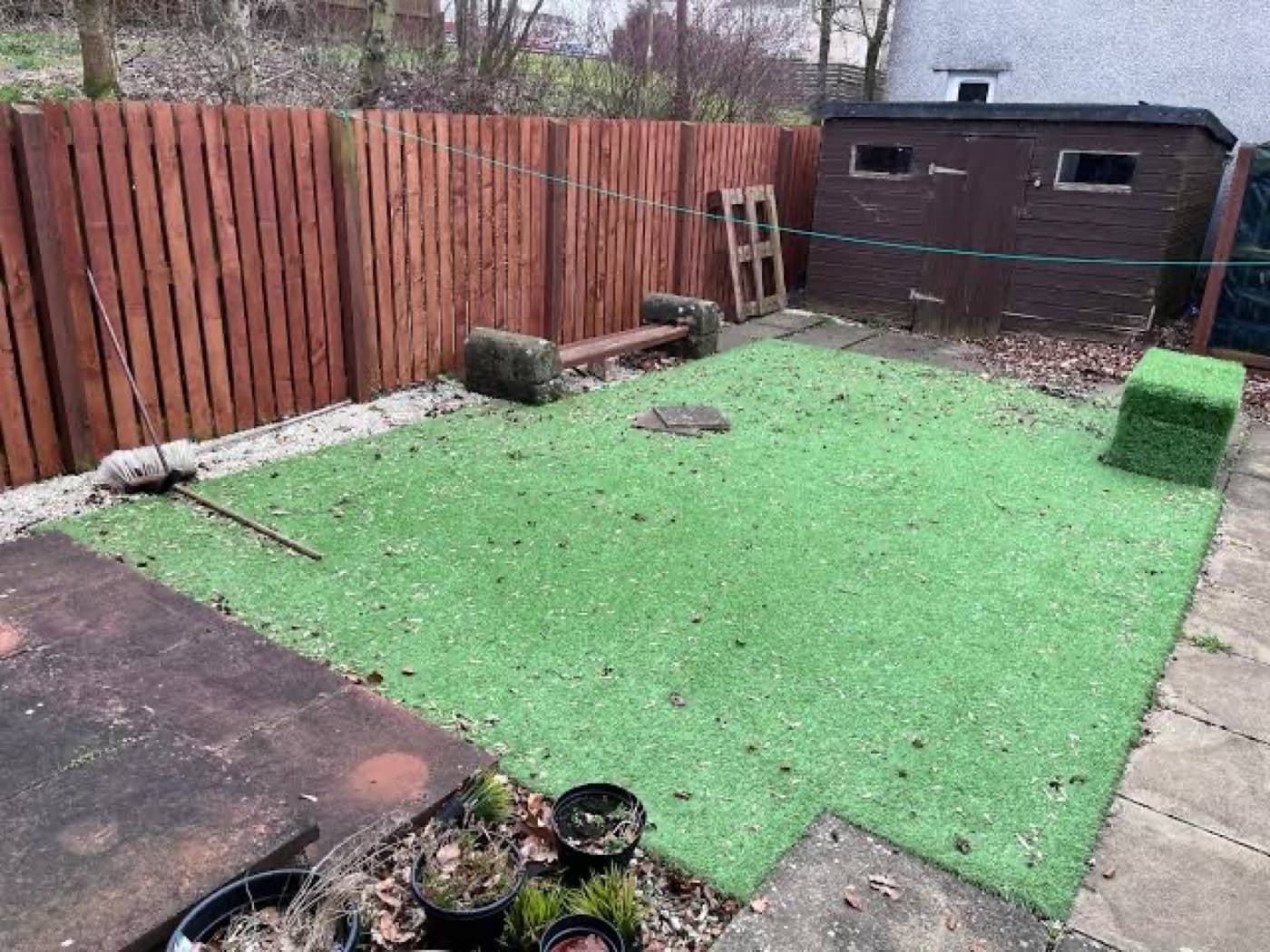
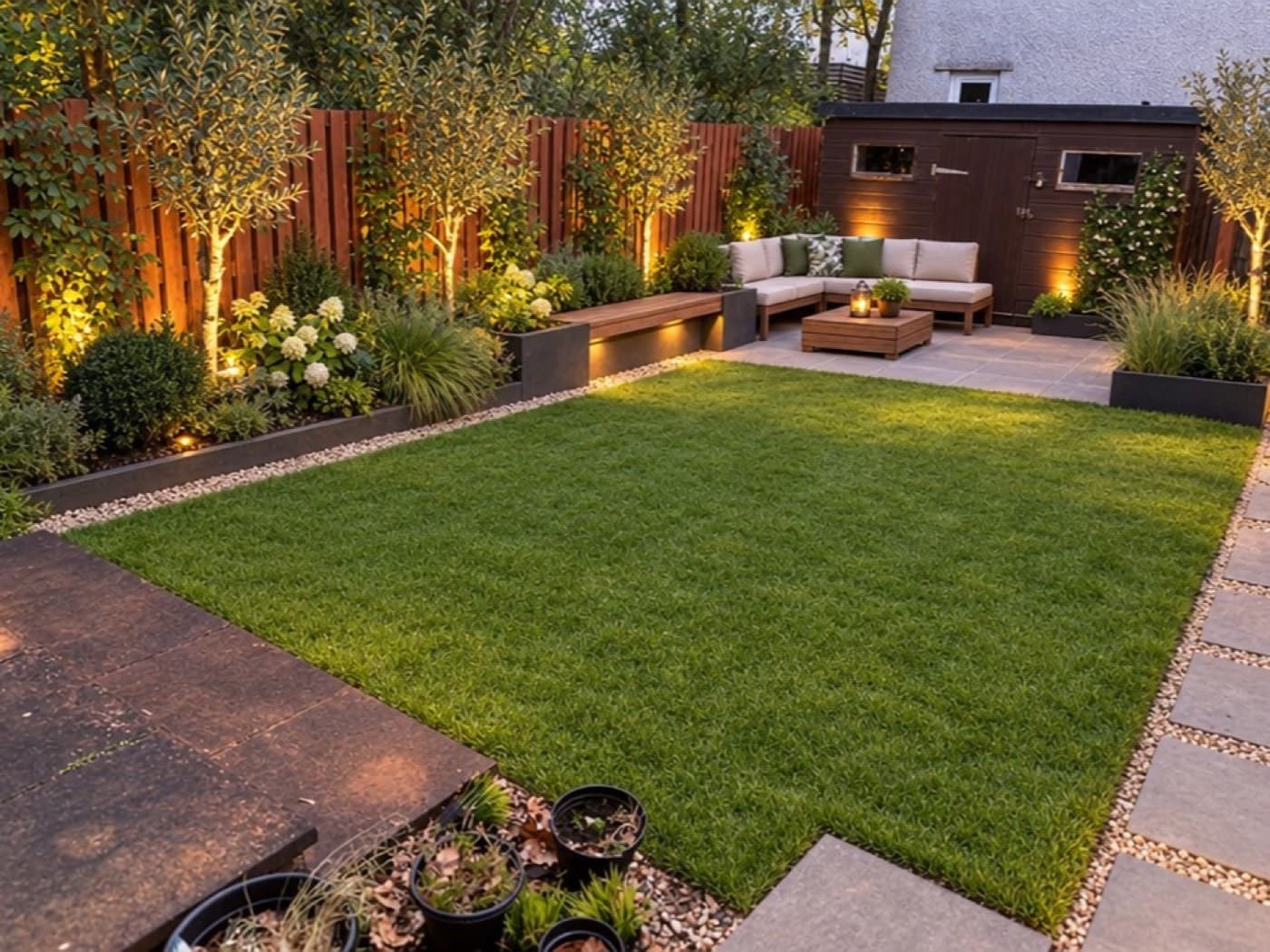
Why the first year looks empty
Good spacing is based on a plant's mature spread. A lavender that will be 2 feet wide goes in 18-24 inches from its neighbor, even though it arrives in a pot 6 inches across. Planting closer gives a fuller look sooner, but within a few years the plants crowd, compete for water and need dividing or removing. The sparse first year is the price of a garden that still looks right in year five.
How fast each kind of plant grows
These are typical timescales for plants bought in standard nursery sizes. Fast growers get there sooner, slow ones later.
| Plant type | Planted as | Fills in |
|---|---|---|
| Annuals | small plugs or packs | within one season |
| Bulbs | bulbs | full size the first spring |
| Perennials | 1-gallon pots, about 1 ft tall | about 3 years |
| Grasses | 1- to 2-gallon pots | 2-3 years |
| Groundcovers | small pots or plugs | 2-3 years to knit together |
| Shrubs | 3- to 5-gallon pots, about 1.5 ft | about 5 years |
| Trees | 15-gallon, 6-8 ft | 15-20+ years to mature height |
Perennials: sleep, creep, leap
Gardeners describe perennials as "sleep, creep, leap". In year one they put their energy into roots and barely seem to grow. In year two they spread noticeably. By year three they're full size, and many flower far better than they did at first. Purple coneflower, black-eyed Susan and most ornamental grasses follow this pattern.
Shrubs: the five-year plants
Shrubs give a garden its structure, and they take longer. A 3-gallon Limelight hydrangea or a 5-gallon boxwood looks modest in its first year and reaches its intended size in around five years. Hedges are the same: plant at the recommended spacing and they'll close the gaps in three to five seasons.
Trees: plant early
A tree is the slowest part of any design and the one you'll be gladdest you planted early. A 15-gallon river birch goes in at 6-8 feet and grows quickly, but it still takes many years to become the canopy in a finished design picture.
What a garden looks like in year 1, 3 and 5
- Planting day: clear spacing, plenty of mulch, shrubs and trees as young plants. The bones of the design are visible; the volume isn't.
- Year 1: some flowers, roots establishing, gaps still obvious. This is the year to water regularly.
- Year 3: perennials and grasses at full size, beds mostly covered, shrubs about half grown. Most people start to see the design they imagined.
- Year 5: shrubs at size, hedges closed, trees young but clearly trees. The garden looks finished.
How to handle the gaps
- Mulch well to keep weeds out of the open soil.
- Fill with annuals and bulbs for color in the first season or two.
- Spend on structure first. If the budget is tight, buy trees and key shrubs at a larger size and perennials small; perennials catch up fast.
- Don't overplant. Resist adding extra plants to fill year one; you'll be removing them by year four.
See the stages before you plant
In LandscapeGPT, every redesign can be shown on planting day and after three years next to the fully grown design ("See it grow"), with each plant drawn at the size our growth data says it will be. On the design board, the growth slider does the same for every plant you place. It's a rule of thumb, not a forecast, but it's a far better way to set expectations than a picture of a garden in its prime.