
A drought-tolerant yard doesn't have to be rock and cactus. The best low-water gardens look full and green for most of the year; they're simply built from plants that don't need much help and arranged so the little water they do get isn't wasted. Here's how to design one.
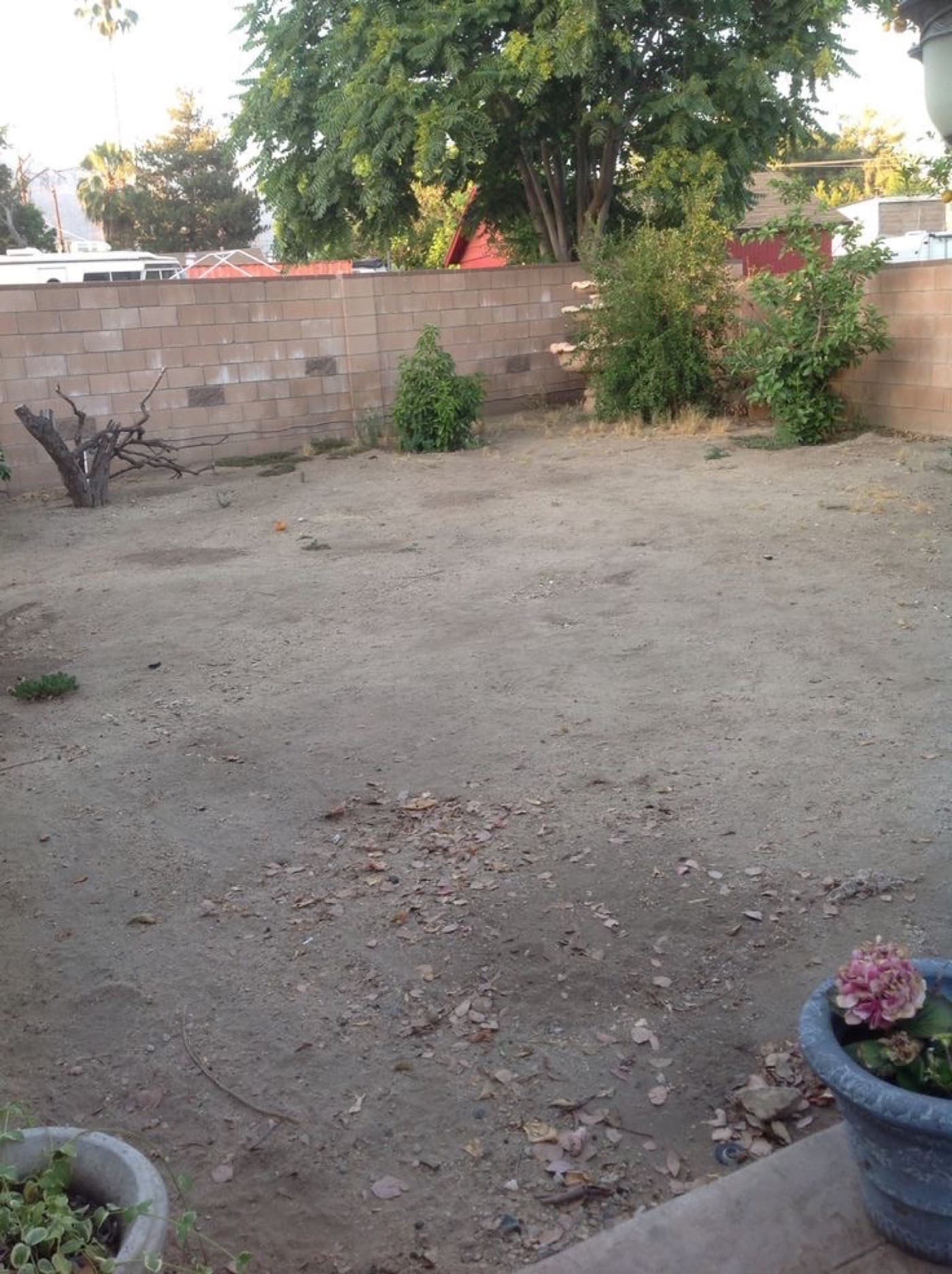
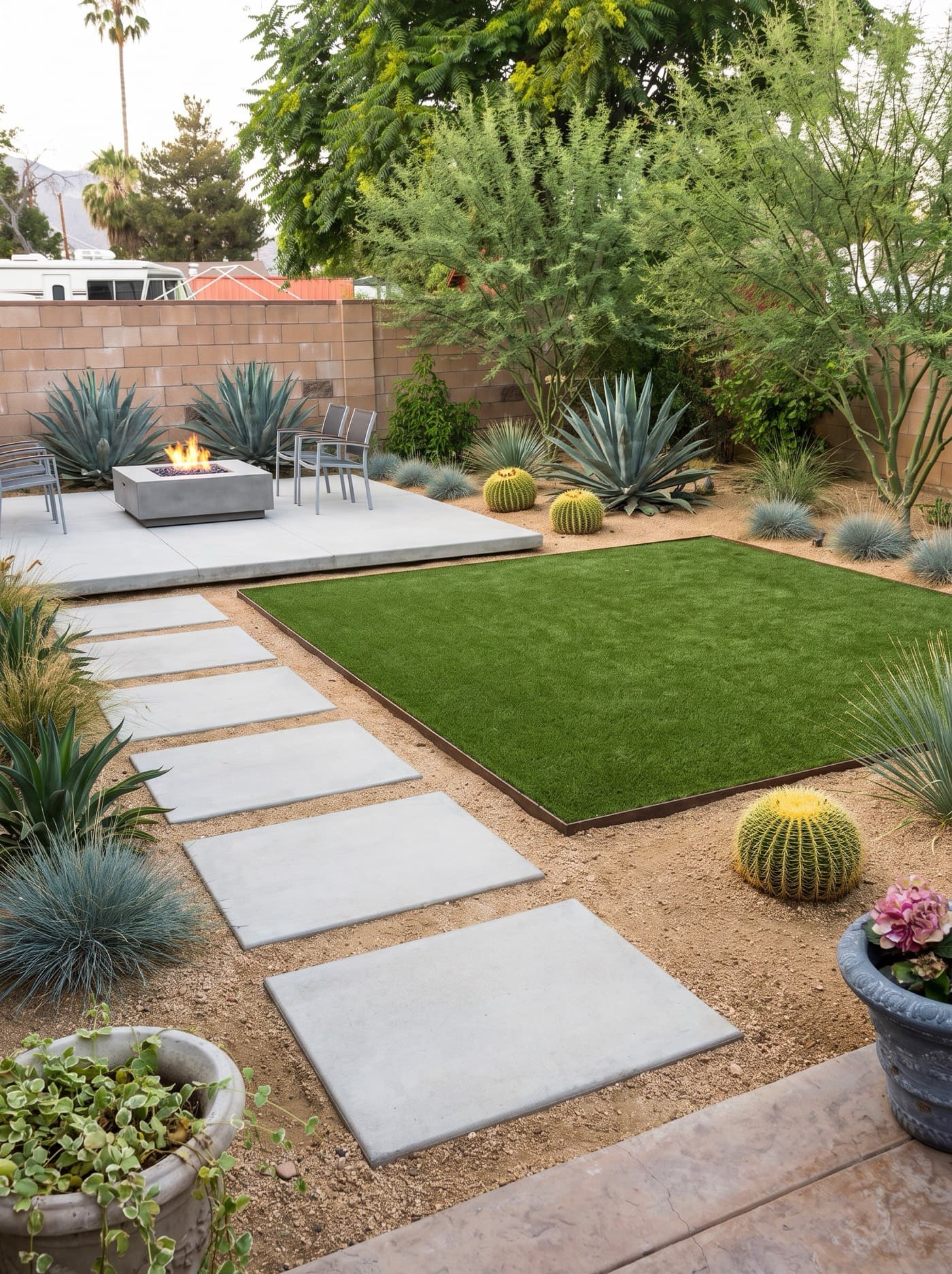
1. Decide how much lawn you really use
Lawn is usually the thirstiest part of a yard. You don't have to remove all of it: keep a clearly edged patch where people actually sit or play, and turn the rest into planting, gravel or a meadow. A small lawn with a crisp edge looks better than a large patchy one, and it's far easier to keep green.
2. Group plants by how much water they need
This is the principle that saves the most water. Put thirstier plants together near the house or a hose, and the toughest plants farther out where they'll rarely be watered. Mixing a moisture-loving hydrangea into a bed of lavender means you either overwater the lavender or underwater the hydrangea.
3. Cover the soil
Bare soil dries out fast. A 2-3 inch layer of bark mulch around shrubs and perennials keeps moisture in and weeds down. For Mediterranean plants, succulents and grasses that dislike damp crowns, a gravel mulch works better and never needs replacing.
4. Water deeply, less often
Once plants are established, a deep soak every week or two in dry weather grows deeper roots than a daily sprinkle. Drip irrigation or soaker hoses under mulch put water at the roots, where almost none is lost to evaporation.
Plants that look lush on little water
These are dependable choices for sunny, dry spots. Check each one against your zone.
Grasses and grassy plants
- Little bluestem and switchgrass: upright native grasses with autumn color.
- Blue fescue: small blue tufts for edges and gravel.
- Pink muhly grass: pink autumn haze for warm climates.
Flowering perennials
- Russian sage: silvery stems and lavender-blue flowers all summer.
- Lavender: fragrant, compact, loved by bees; needs sharp drainage.
- Yarrow and blanket flower: long-flowering and nearly indestructible in sun.
- Purple coneflower and black-eyed Susan: summer color that copes with heat once established.
Shrubs and structure
- California lilac and manzanita for mild western climates.
- Agave for bold shapes in hot, frost-light gardens.
- Desert willow as a small shade tree in the Southwest.
Make it look designed, not dry
- Use a few plants in quantity. Drifts of three to five kinds read as a garden; one of everything reads as a nursery.
- Mix textures. Pair fine grasses with broad succulent leaves and rounded shrubs.
- Add evergreen structure so the yard has shape in winter: a few shrubs, a gravel path, a wall or a bench.
- Keep edges sharp. Steel or brick edging between gravel and planting makes a low-water garden look finished.
What it costs
Gravel is the budget-friendly hero of a dry garden: about $100-220 for an 8 x 8 ft area if you lay it yourself, against $500-1,000 for the same area in pavers. Drought-tolerant perennials in 1-gallon pots run about $12-25 each. Our guide to what landscaping costs has the full ranges.
Try it on your yard first
In LandscapeGPT, upload a photo of your yard, choose a style such as Desert / xeriscape or Dry gravel garden, and set "Your garden" to your town with the Drought-tolerant goal. The design is planted with real drought-tolerant plants that survive your zone, and it favors gravel and mulched beds over thirsty lawn.