American hazelnut
Corylus americana. Family Betulaceae. Shrub.
Also called American filbert, American hazel.
American hazelnut is a deciduous, thicket-forming shrub native to eastern and central North America, grown for edible nuts, wildlife cover and yellow to copper-red autumn foliage. It suits informal gardens where its spreading stems have room; plant at least two genetically distinct plants with overlapping flowering times for reliable nut production.
At a glance
- Sun
- Full sun to partial shade; flowering and nut production are best in full sun.
- Water
- Moderate; water regularly while establishing and during prolonged dry spells, especially while nuts are developing.
- Soil
- Well-drained loam with moderate fertility; tolerates clay and sandy soils, but not persistently waterlogged ground.
- Height
- 10-16 ft (3-4.9 m)
- Spread
- 8-13 ft (2.4-4 m), spreading wider over time through suckers
- Flowers
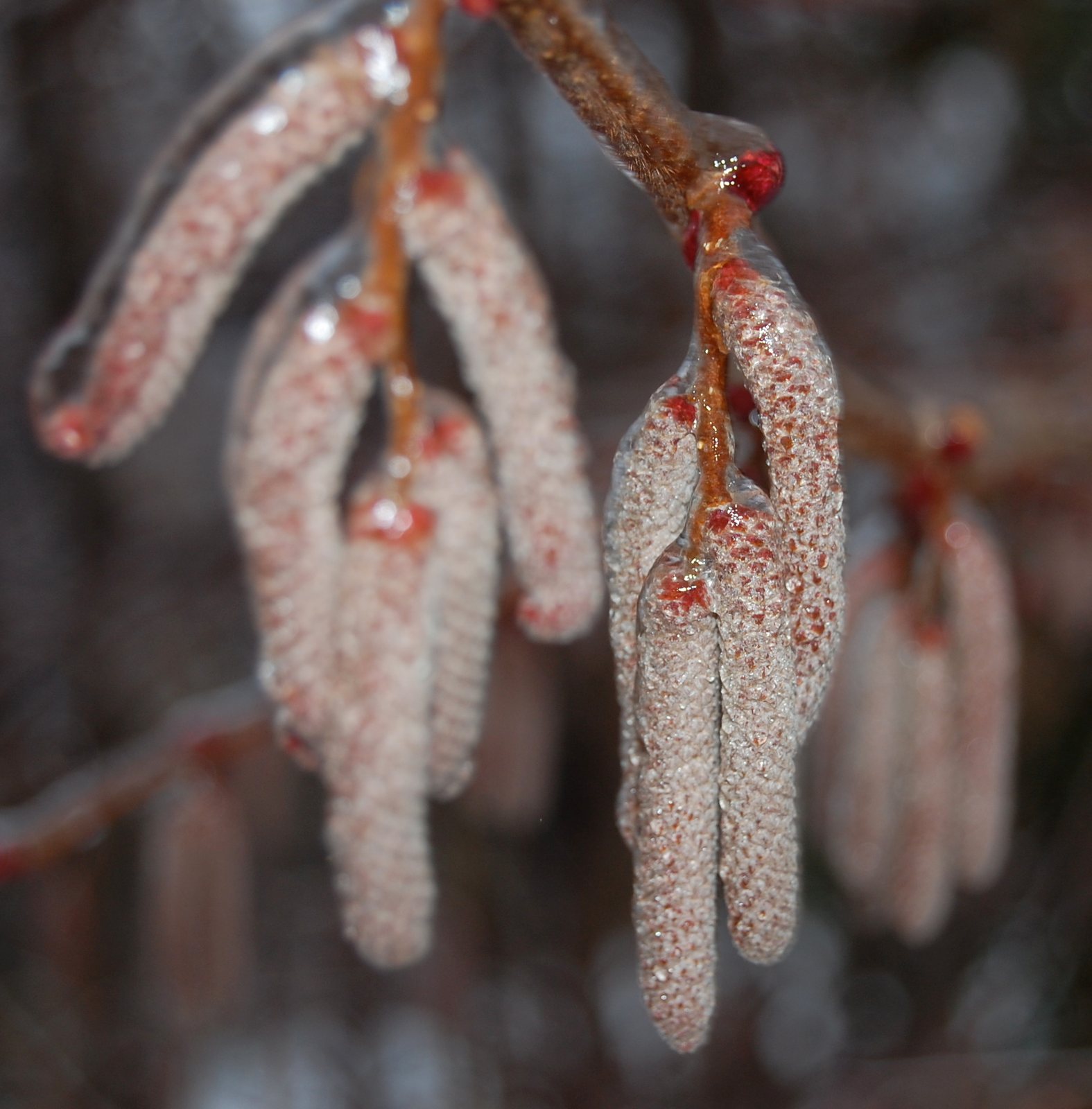
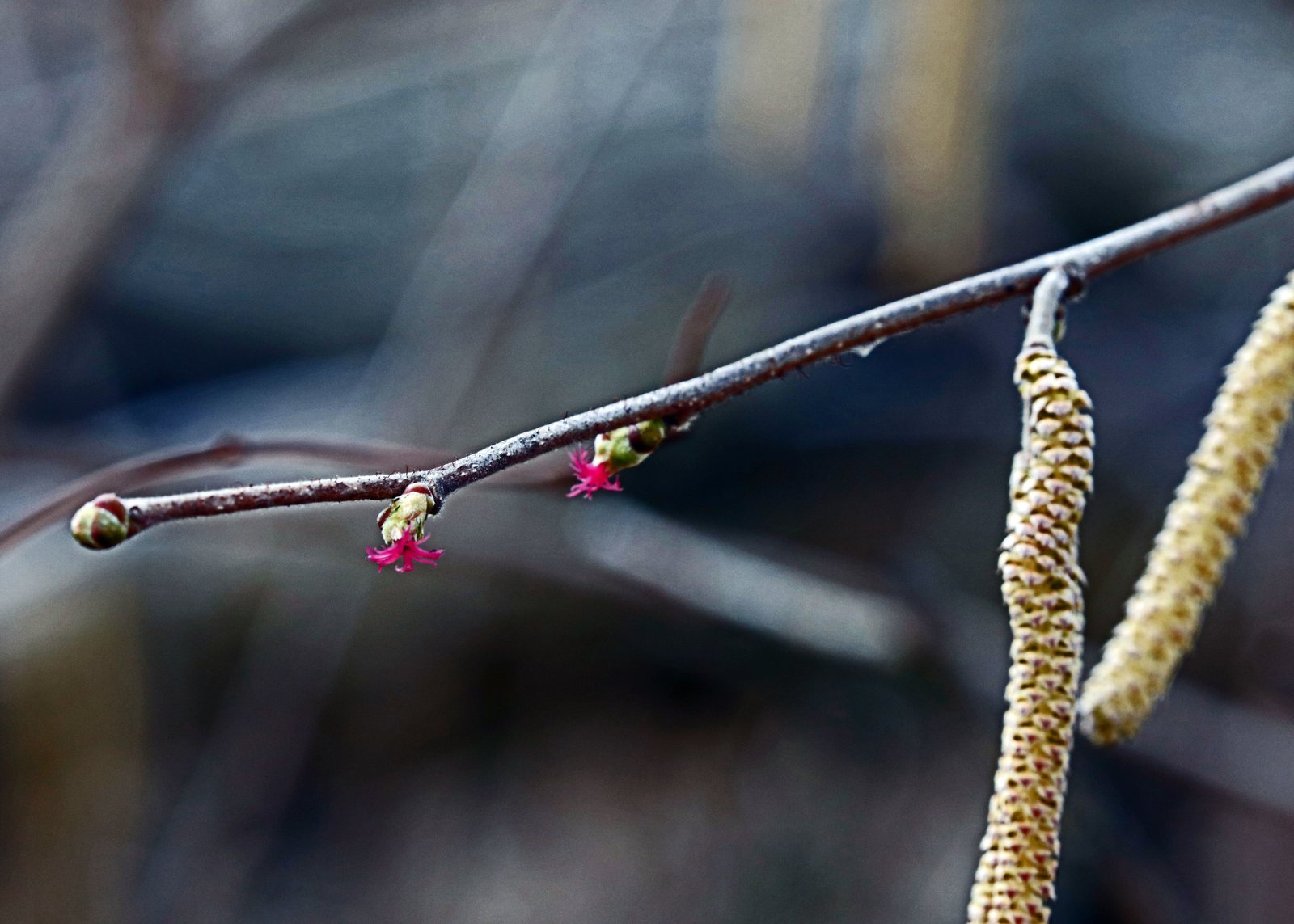
- Late winter to early spring, before the leaves; yellow-brown male catkins and tiny red female flowers.
- Foliage
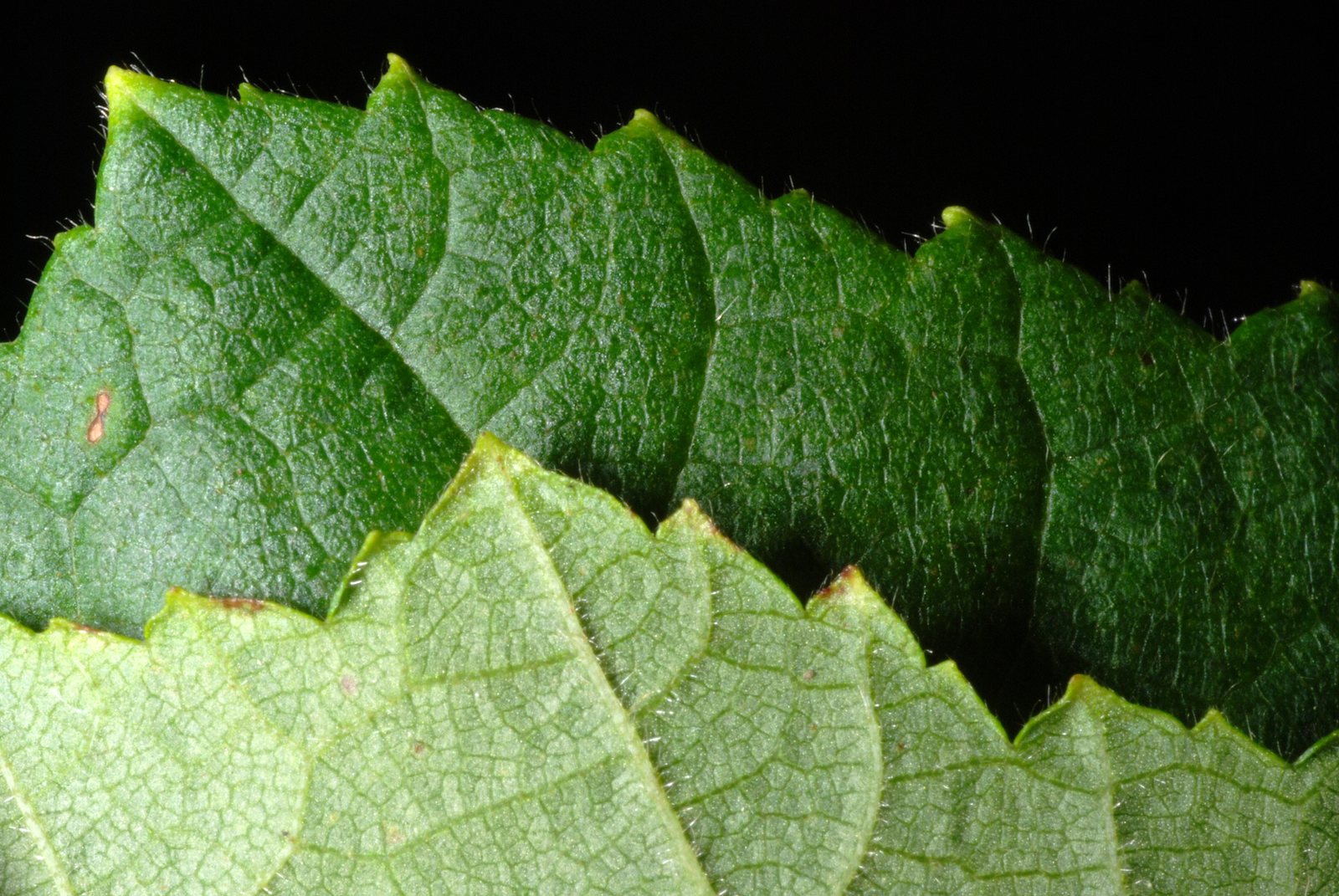
- Broad, rounded to oval green leaves with pointed tips, toothed edges and softly hairy undersides; autumn colour ranges from yellow to orange and copper-red.
- Growth
- Moderate to fast once established
- Care needed
- Medium
The year at a glance
- Cold hardy
- Heat tolerant
- Wildlife
- Edible
| J | F | M | A | M | J | J | A | S | O | N | D | |
|---|---|---|---|---|---|---|---|---|---|---|---|---|
| Flowers | ||||||||||||
| Fruit | ||||||||||||
| Plant |
Northern hemisphere months. In Australia, shift them by six.
- Difficulty
- Moderate
- Toughness
- Very tough
Will it suit your garden?
Pick your zone, country, light and whether you have pets.
Full sun is 6 or more hours of direct sun a day, part shade 3 to 6 hours, shade under 3.
How it grows
Planting day
1.6 ft (0.5 m)
After 1 year
4 ft (1.4 m)
After 2 years
7 ft (2.2 m)
After 3 years
10 ft (3.1 m)
After 5 years
13 ft (4 m)
full size
About 4 years to full size.
From a typical nursery size, at an average rate for this kind of plant. A rule of thumb, not a forecast.
Good to know
- Cats and dogs
- Safe
- Native to
- the US and Canada
- In the garden
- Spreads vigorously: plan to contain it.
- Growth rate
- Fast
Care
Jobs through the year
- WaterApr–May, Oct, every 14 days
- Water established shrubs only if the root zone is dry; water more often for the first two years.
- WaterJun–Sep, every 7 days
- Check moisture and water deeply during drought, especially while nuts fill; skip if soil stays moist.
- PruneFeb
- Remove dead and crowded wood, unwanted suckers and a few oldest stems; avoid shearing.
- MulchMar–Apr
- Refresh a 5–8 cm organic mulch layer, keeping stems clear.
- FeedApr
- Top-dress with compost only if growth is weak; avoid heavy nitrogen feeding.
- ProtectAug–Sep
- If needed, secure wildlife-safe exclusion mesh over ripening nuts and check it regularly.
- HarvestAug–Oct
- Pick browning clusters when nuts loosen readily; husk and dry sound nuts, discarding infested ones.
- Plant at least two seed-grown plants or different compatible selections for cross-pollination; divisions of one plant are genetically identical.
- Water deeply through the first two growing seasons whenever the root zone begins to dry.
- Spread 2-3 in (5-8 cm) of organic mulch over the root area, keeping it clear of the stems.
- Apply compost in spring if growth is weak; avoid heavy nitrogen feeding, which encourages leafy growth rather than nuts.
- Remove unwanted suckers at their point of origin if you need to keep the shrub within bounds.
Pruning. In late winter, remove dead, damaged and crossing stems, then cut a few of the oldest stems to ground level to maintain an open, mixed-age shrub. Avoid shearing or cutting the whole plant down if you want a regular nut crop.
Harvest
Expect a worthwhile first crop about 3-5 years after planting, although seedlings and shaded plants can take longer. In late summer to early autumn, pick clusters when the husks begin browning and the nuts have brown shells and loosen readily; remove the husks and dry the nuts thoroughly before storage.
Through the year
- Late winter
- Thin old or crowded stems and remove unwanted suckers before leaf growth begins.
- Early spring
- Check that separate plants are flowering together; male catkins shed pollen before the leaves open.
- Spring
- Refresh mulch and water newly planted shrubs during dry weather.
- Summer
- Water during prolonged drought and inspect developing nuts for insect damage.
- Late summer to early autumn
- Check nut clusters frequently and harvest as they ripen, before squirrels take them.
- Autumn
- Plant container-grown shrubs while the soil is workable, or sow fresh nuts outdoors in a rodent-proof seed bed.
In the garden
- Plant as an informal edible hedge, leaving enough room for its broad, suckering habit.
- Use along a woodland edge with serviceberry and spring-flowering groundcovers.
- Include in a wildlife border for dense nesting cover and autumn food.
- Grow in a food forest as a shrubby layer below widely spaced trees, keeping it in good light for nuts.
Garden styles it suits: Woodland, Wildlife garden, Native hedgerow, Food forest, Edible landscape and Homestead.
Plant it with: Serviceberry, Eastern redbud, Wild geranium, Woodland phlox and Black-eyed Susan.
Wildlife: Nuts feed squirrels, chipmunks, jays and other birds and mammals. Dense stems provide shelter and nesting sites, and the foliage supports moth and butterfly larvae; flowers are wind-pollinated rather than a significant nectar source.
Problems to watch for
- Squirrels and other rodents can take most of the crop: inspect clusters frequently as they ripen and harvest promptly; wildlife-safe exclusion netting may help on small shrubs.
- Nut weevils and filbertworm larvae damage kernels: collect and destroy infested or prematurely fallen nuts and remove leftover nuts after harvest.
- Poor nut set often results from inadequate cross-pollination, deep shade or frost damage to flowers: grow genetically distinct plants with overlapping flowering times in a sunny position.
- Drought can cause leaf scorch and poorly filled nuts: mulch the root area and water deeply during extended dry spells.
Safety
Not known to be toxic to cats, dogs, horses or people. The kernels are edible, but hazelnuts can cause severe allergic reactions in susceptible people; whole nuts and shells are choking or intestinal-obstruction hazards for pets.
Easily confused with
Beaked hazelnut (Corylus cornuta)
Its nut husk narrows into a long, bristly beak; American hazelnut has a broad, leafy husk with ragged lobes and no long beak.
Common hazel (Corylus avellana)
Its nut husks are usually shorter and more open, often exposing much of the shell; American hazelnut has longer, leafy husks that surround the nuts. Leaves alone can be difficult to distinguish.
The name
Corylus comes from the Greek word korys, meaning helmet, referring to the nut's husk, while americana means American.
Propagation. Separate rooted suckers while dormant, or use layering. Sow fresh nuts outdoors in autumn for natural winter chilling, protecting them from rodents; germination can be uneven, and seedlings vary in nut quality.
Checked against open data
- Accepted botanical name
- Corylus americana
- In the US and Canada
- Native in Canada and the lower 48 states.
- Native range
- Alabama, Arkansas, Connecticut, Delaware, District of Columbia, Georgia, Illinois, Indiana, Iowa, Kansas, Kentucky and Louisiana.
- Measured
- Average height 109 cm.
Sources: GBIF (CC BY 4.0), USDA PLANTS and Trefle (CC BY 4.0). The care and design notes are LandscapeGPT's own.
See it in your own yard.
Upload a photo of your yard and see it redesigned with plants that suit your climate, each checked against your zone.