Appalachian sedge
Carex appalachica. Family Cyperaceae. Ornamental grass.
Appalachian sedge (Carex appalachica) is a fine-leaved, clump-forming sedge native to eastern North America. Gardeners grow it for its soft, arching green foliage and its ability to fill lightly shaded woodland borders without forming a running carpet. It tolerates dry shade once established but is not a lawn substitute where people walk regularly.
At a glance
- Sun
- Partial shade to full shade; avoid hot afternoon sun, especially in dry soil.
- Water
- Water regularly during establishment. Once rooted, it tolerates moderately dry soil, but prolonged drought can brown the foliage.
- Soil
- Well-drained, humus-rich soil, preferably acidic to neutral. It tolerates rocky woodland soil but dislikes persistent waterlogging.
- Height
- 0.5-1 ft (0.15-0.3 m)
- Spread
- 1-1.5 ft (0.3-0.45 m)
- Flowers
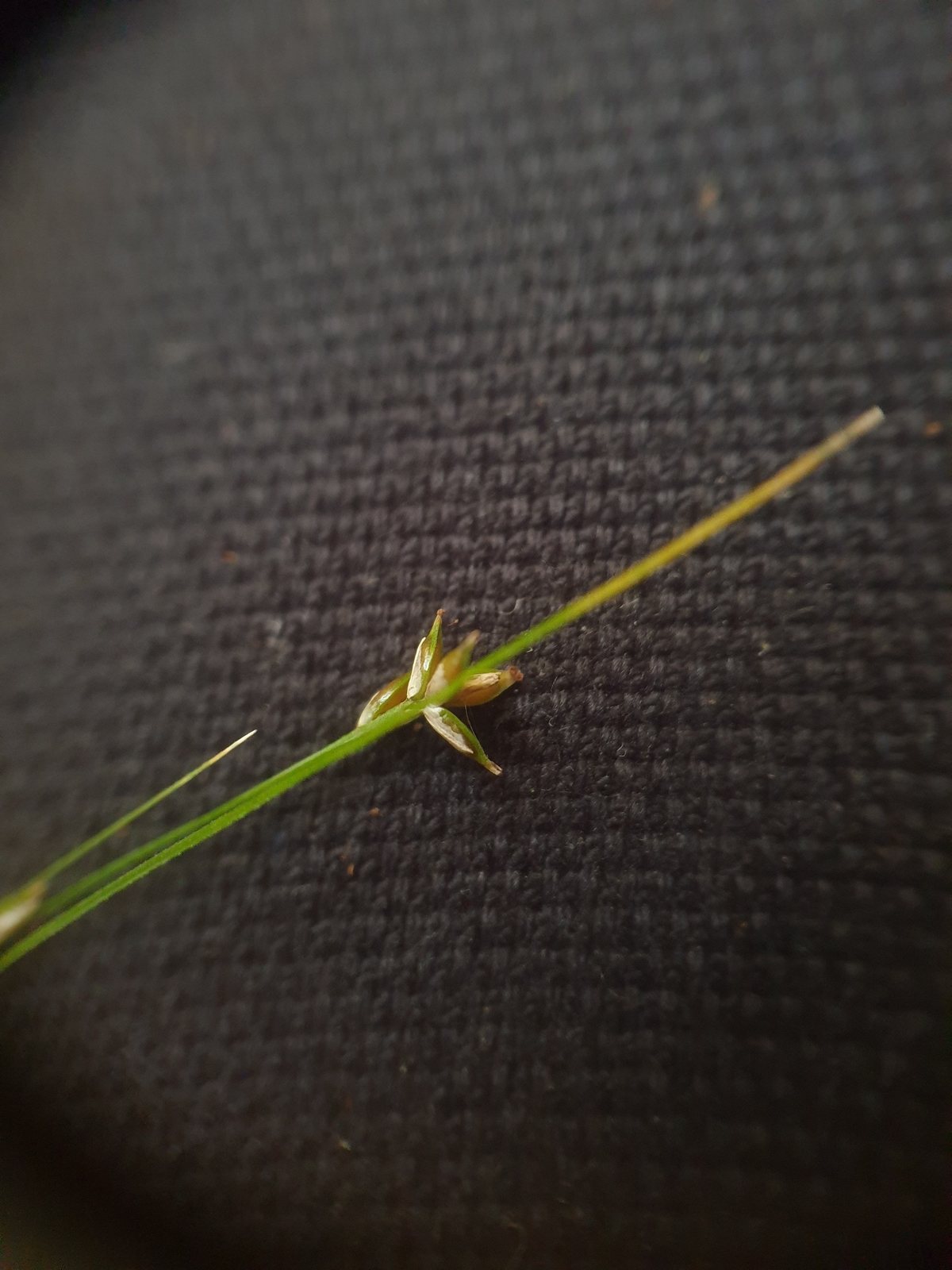
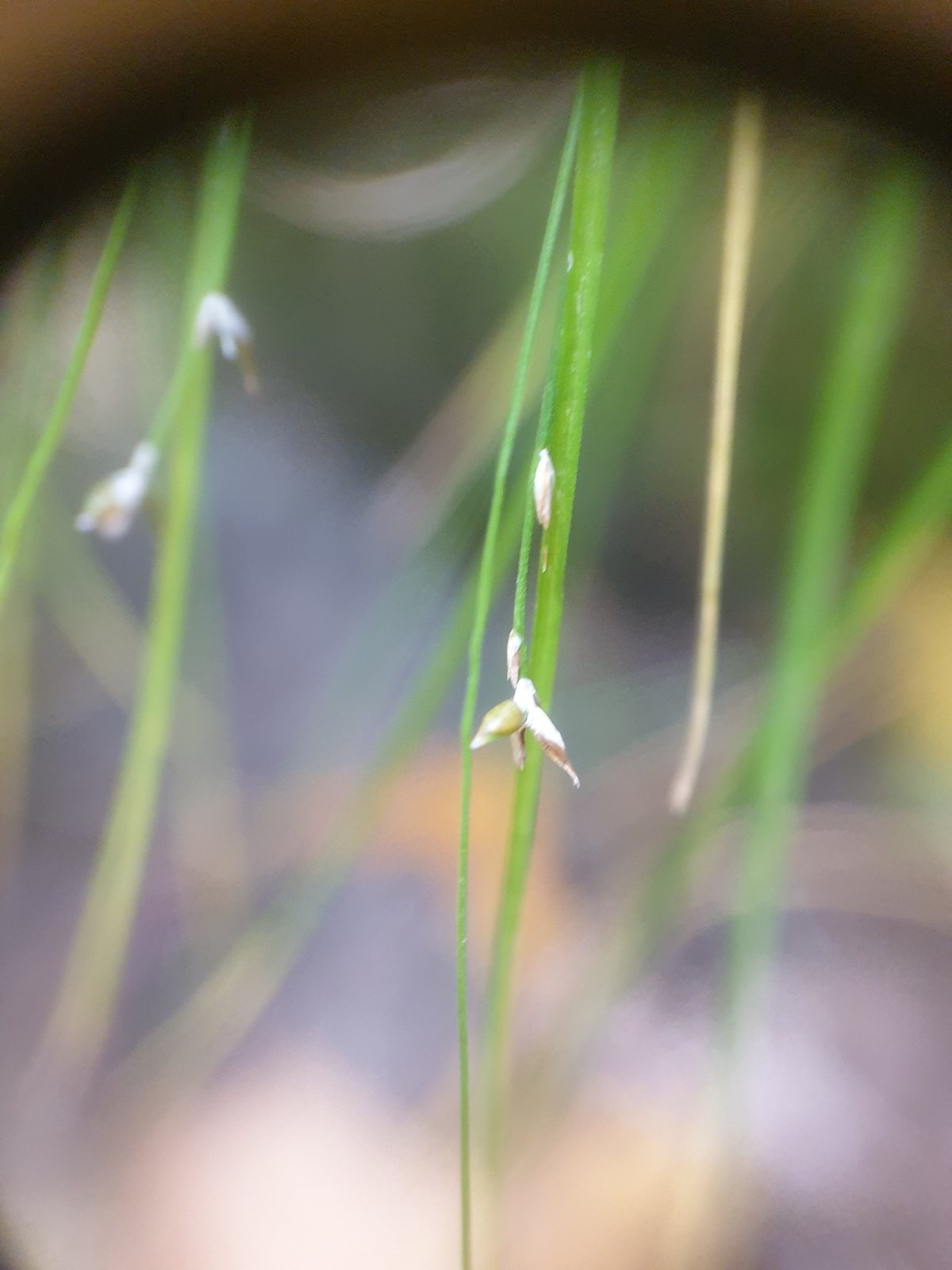
- Spring to early summer; small, inconspicuous greenish flowers mature to tan-brown seed heads.
- Foliage
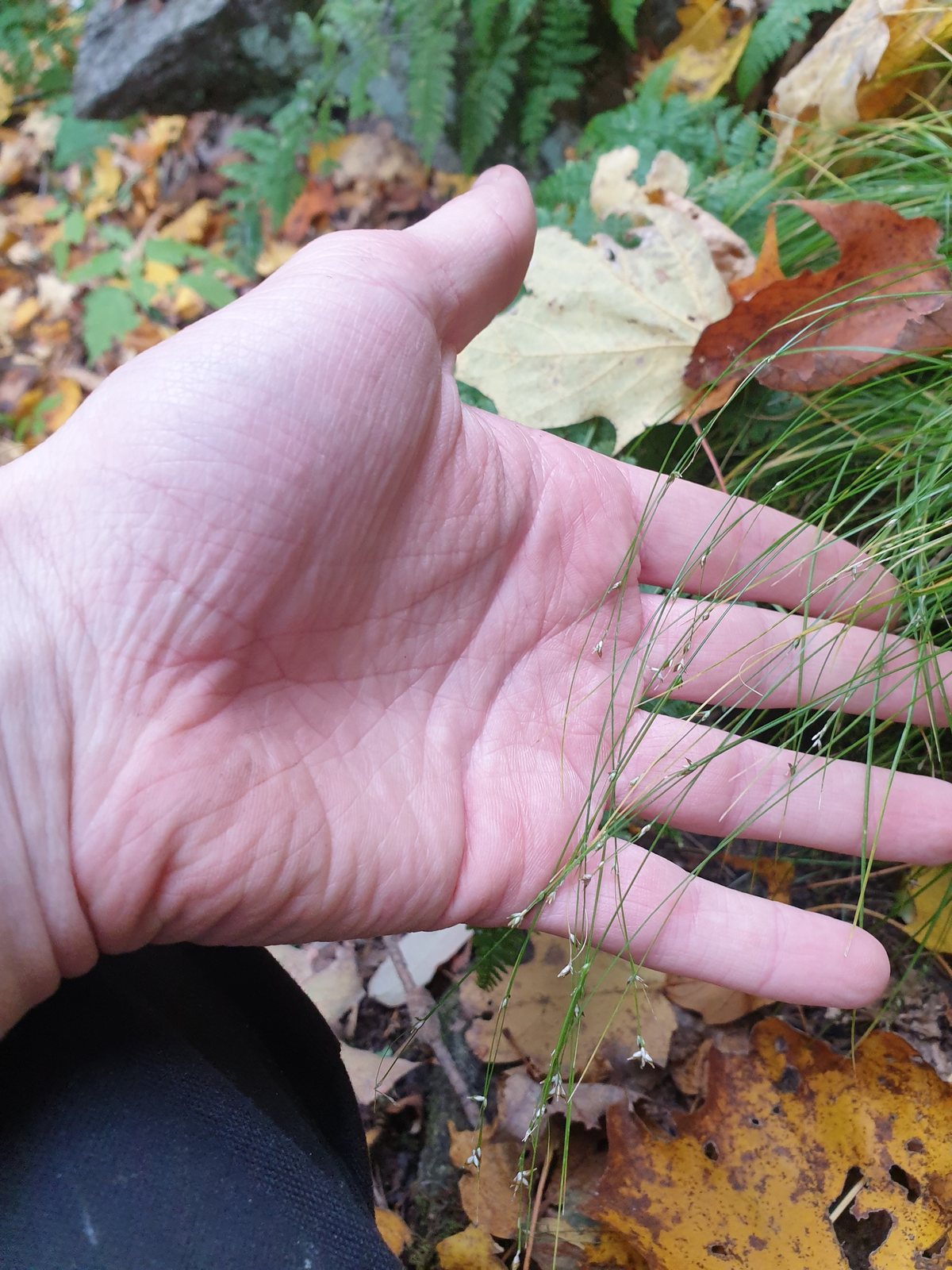
- Very narrow, medium-green leaves arch into loose, fountain-shaped tufts. Evergreen in mild winters and semi-evergreen or winter-browned in colder areas.
- Growth
- Slow to moderate; forms gradually widening clumps rather than spreading by long runners.
- Care needed
- Low
The year at a glance
- Deer resistant
- Cold hardy
- Wildlife
| J | F | M | A | M | J | J | A | S | O | N | D | |
|---|---|---|---|---|---|---|---|---|---|---|---|---|
| Flowers | ||||||||||||
| Fruit | ||||||||||||
| Plant |
Northern hemisphere months. In Australia, shift them by six.
- Difficulty
- Easy
- Toughness
- Very tough
Will it suit your garden?
Pick your zone, country, light and whether you have pets.
Full sun is 6 or more hours of direct sun a day, part shade 3 to 6 hours, shade under 3.
How it grows
Planting day
0.7 ft (0.22 m)
full size
About 3 years to full size.
From a typical nursery size, at an average rate for this kind of plant. A rule of thumb, not a forecast.
Good to know
- Cats and dogs
- Safe
- Native to
- the US and Canada
- Growth rate
- Slow
Care
Jobs through the year
- WaterApr–May, Sep–Oct, every 14 days
- Water established plants only when soil is dry below the surface; new plants need more regular moisture.
- WaterJun–Aug, every 10 days
- Water deeply during prolonged drought, especially beneath thirsty trees.
- PruneFeb–Mar
- Comb out dead leaves; trim badly browned foliage above the crown without damaging new shoots.
- DivideMar–Apr
- Divide crowded or thinning clumps and keep roots moist until replanted.
- MulchMar–Apr
- Apply a thin leaf-mould mulch around plants without burying crowns.
- ProtectOct–Nov
- Lift off compacted fallen leaves that could smother crowns.
- Water during the first growing season whenever the soil begins to dry below the surface.
- Plant with the crown at soil level and allow about 1 ft (0.3 m) between plants for a loose groundcover.
- Apply a light mulch of leaf mould around plants, keeping it away from the crowns.
- Avoid routine feeding; a light spring dressing of compost is usually enough.
- Divide crowded or thinning clumps in spring, keeping roots moist until replanted.
Pruning. In late winter or early spring, gently comb out dead leaves before new growth starts. If most foliage is brown, trim it above the crown without cutting into emerging green shoots.
Through the year
- Late winter
- Remove dead foliage, leaving healthy green leaves in place.
- Spring
- Plant or divide clumps, water thoroughly, and add a light leaf-mould mulch.
- Late spring
- Weed between young plants while gaps remain open.
- Summer
- Water establishing plants and check established clumps during prolonged drought.
- Autumn
- Remove unwanted seedlings and lift off thick mats of fallen leaves that could smother the crowns.
In the garden
- Plant in repeated drifts beneath deciduous trees for a fine-textured woodland floor.
- Edge shaded paths with arching clumps, keeping them clear of regular foot traffic.
- Combine with broad-leaved hostas or wild ginger to contrast leaf shapes.
- Use between ferns and woodland flowers to link taller plants with a low green layer.
Garden styles it suits: Woodland, Wildlife garden, Low-maintenance, New perennial (prairie) and Green on green.
Plant it with: Christmas fern, Wild ginger, Foamflower, Solomon's seal, Hosta and White wood aster.
Wildlife: Clumps provide cover for small invertebrates. Sedges support various moth and butterfly larvae, although use of this particular species is less well documented. The wind-pollinated flowers are not a significant nectar source.
Problems to watch for
- Brown leaf tips or collapsing foliage in drought: water deeply during extended dry spells and maintain a light organic mulch.
- Leaf scorch in strong sun: move the plant to afternoon shade or provide shade from taller planting.
- Crown or root rot in waterlogged soil: improve drainage or replant in a better-drained position, keeping the crown at soil level.
- Smothering by heavy leaf litter: gently remove compacted leaves without stripping away all loose woodland mulch.
Safety
Not known to be toxic to people, cats, dogs or horses. No part is recognised as poisonous, although species-specific safety information is limited; it is not a food plant, and chewing coarse leaves may cause irritation or stomach upset.
Easily confused with
Pennsylvania sedge (Carex pensylvanica)
Pennsylvania sedge spreads by rhizomes into colonies and usually has broader leaves. Appalachian sedge remains in distinct, fine-leaved, arching clumps.
Rosy sedge (Carex rosea)
Rosy sedge generally has broader leaves and more conspicuously star-shaped fruit clusters. Appalachian sedge has threadlike foliage and smaller, less conspicuous clusters;
The name
The epithet appalachica and the common name refer to the Appalachian region of eastern North America.
Propagation. Divide established clumps in spring and replant promptly. Seed propagation is possible, but germination can be slow and uneven; autumn sowing outdoors allows natural winter chilling.
Checked against open data
- Accepted botanical name
- Carex appalachica
- In the US and Canada
- Native in Canada and the lower 48 states.
- Native range
- Alabama, Connecticut, District of Columbia, Georgia, Kentucky, Maine, Maryland, Masachusettes, New Hampshire, New Jersey, New York and North Carolina.
Sources: GBIF (CC BY 4.0), USDA PLANTS and Trefle (CC BY 4.0). The care and design notes are LandscapeGPT's own.
See it in your own yard.
Upload a photo of your yard and see it redesigned with plants that suit your climate, each checked against your zone.