Apple mint
Mentha suaveolens. Family Lamiaceae. Perennial.
Also called Woolly mint, Round-leaved mint.
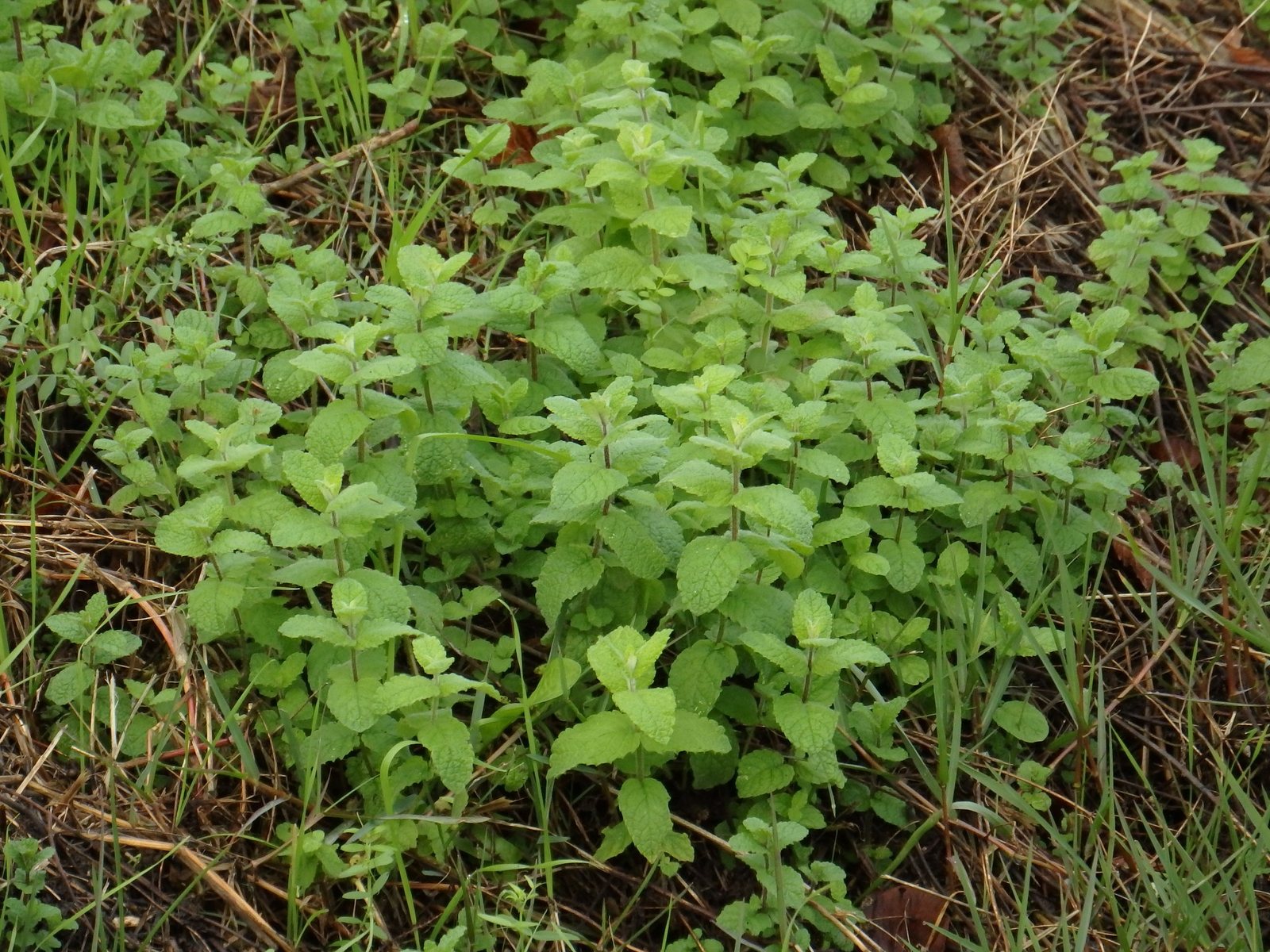
Apple mint is a spreading culinary herb with softly hairy, rounded leaves and a mild mint-and-apple scent. Grow it for tea, summer drinks and cooking, preferably in a container because its underground runners quickly invade nearby planting.
At a glance
- Sun
- Full sun to partial shade; afternoon shade helps in hot, dry climates.
- Water
- Keep the root zone evenly moist but not waterlogged. Containers may need daily watering during hot weather.
- Soil
- Moist, well-drained soil with some organic matter; tolerates clay if drainage is adequate.
- Height
- 1-3 ft (0.3-0.9 m)
- Spread
- 2-3 ft (0.6-0.9 m) initially; runners can spread much farther if unchecked.
- Flowers
- Small pale lilac to nearly white flowers in upright spikes from midsummer to early autumn.
- Foliage
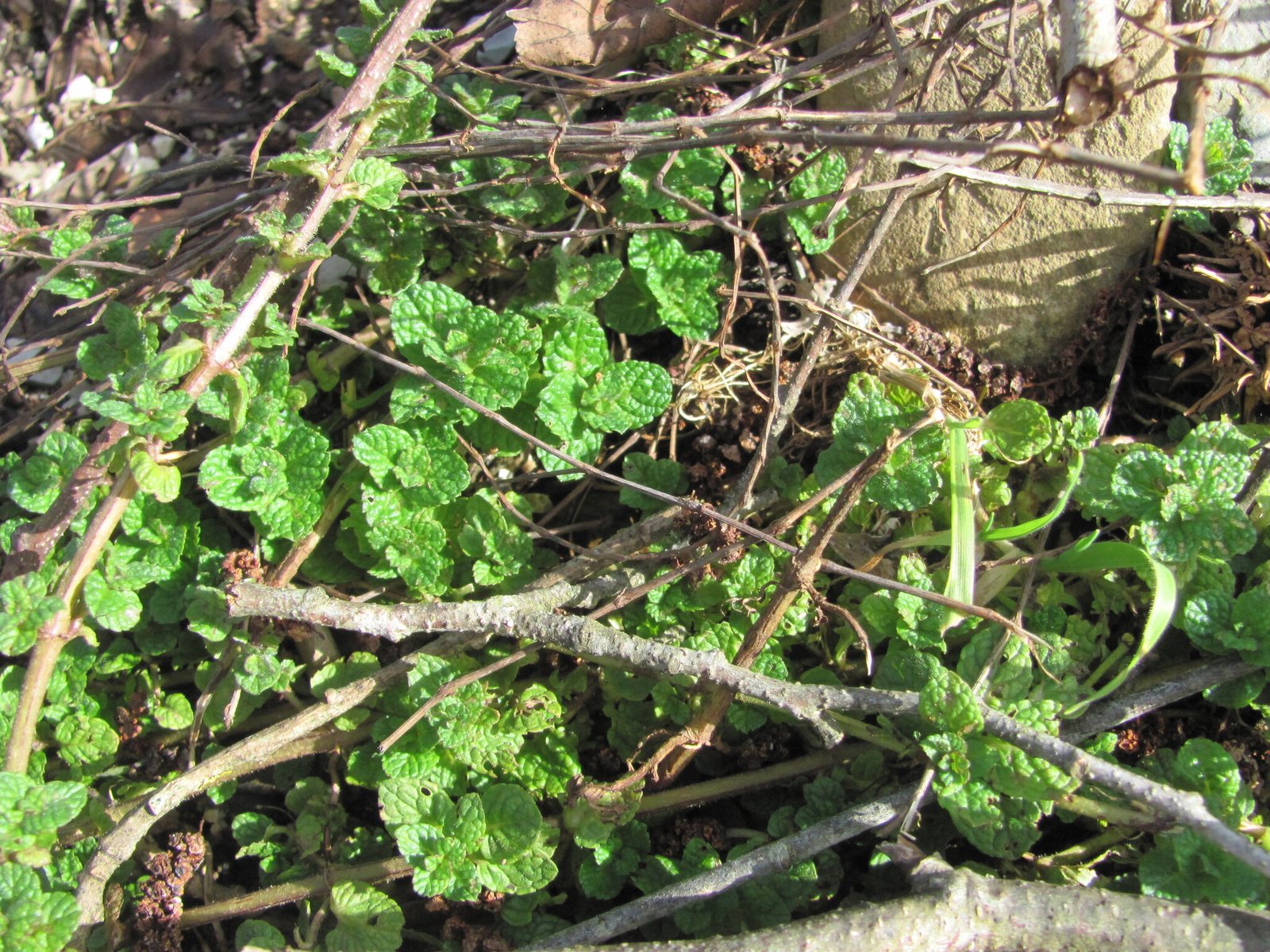
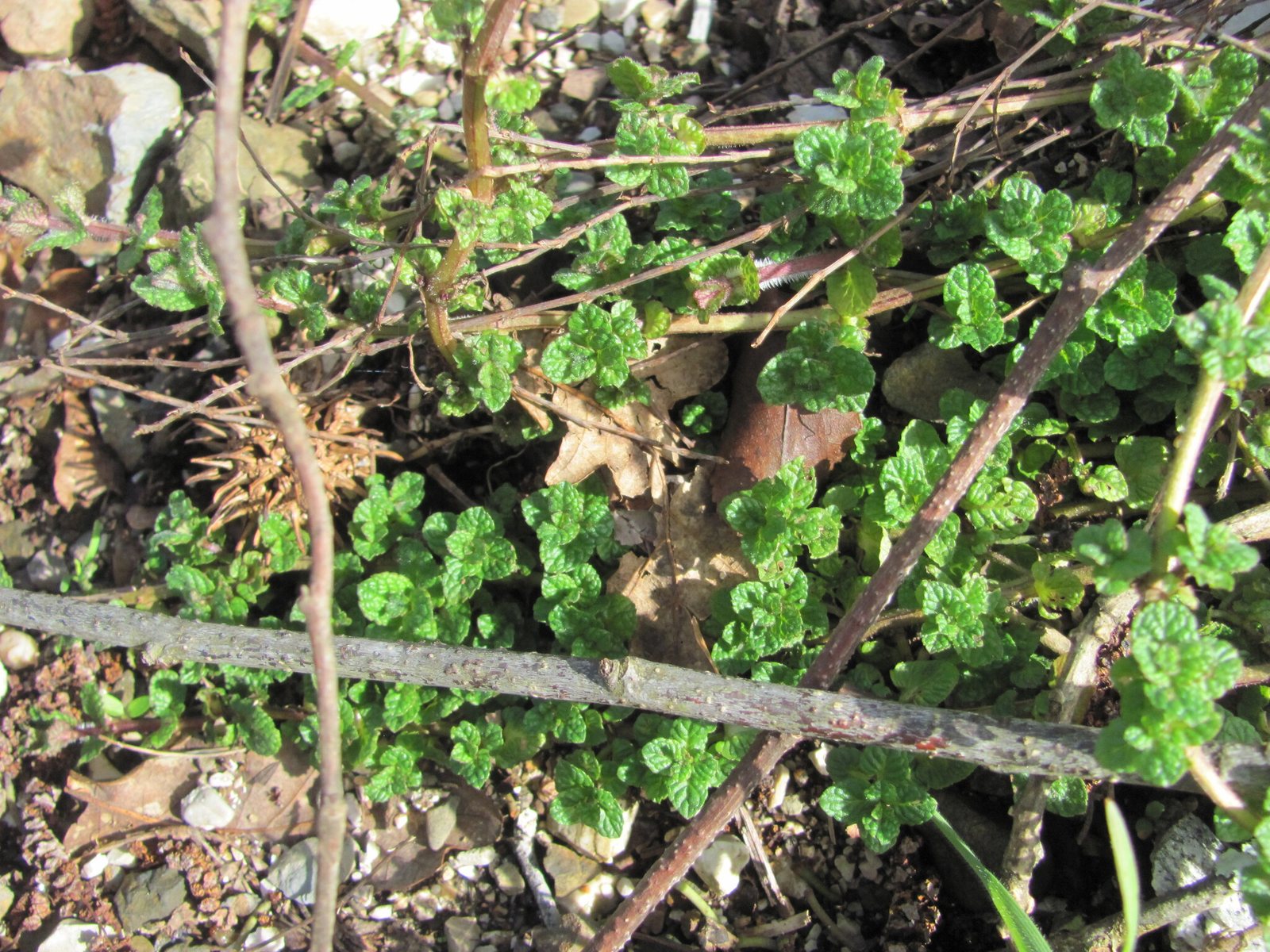
- Opposite, rounded to oval, wrinkled green leaves with toothed edges and soft hairs; aromatic when rubbed.
- Growth
- Fast
- Care needed
- Medium
The year at a glance
- Pollinators
- Deer resistant
- Low allergen
- Fragrant
- Edible
| J | F | M | A | M | J | J | A | S | O | N | D | |
|---|---|---|---|---|---|---|---|---|---|---|---|---|
| Flowers | ||||||||||||
| Fruit | ||||||||||||
| Plant |
Northern hemisphere months. In Australia, shift them by six.
- Difficulty
- Easy
- Toughness
- Very tough
Will it suit your garden?
Pick your zone, country, light and whether you have pets.
Full sun is 6 or more hours of direct sun a day, part shade 3 to 6 hours, shade under 3.
How it grows
Planting day
1 ft (0.3 m)
After 1 year
1.5 ft (0.45 m)
After 2 years
2 ft (0.6 m)
full size
About 2 years to full size.
From a typical nursery size, at an average rate for this kind of plant. A rule of thumb, not a forecast.
Good to know
- Cats and dogs
- Mildly toxic: may upset a stomach
- Native to
- the UK
- In the garden
- Spreads vigorously: plan to contain it.
- Growth rate
- Fast
Care
Jobs through the year
- WaterApr–May, Sep–Oct, every 7 days
- Water established ground plants if soil starts drying; young plants and pots need more frequent checks.
- WaterJun–Aug, every 3 days
- Keep established roots evenly moist, adjusting for rain; pots may need daily watering.
- MulchMar–Apr
- Top-dress with compost, keeping the crown clear; avoid heavy feeding.
- DivideMar–Apr
- Every two or three years, replant vigorous outer sections in fresh compost.
- PruneMar, Nov
- Remove dead stems in autumn or before spring growth.
- PruneMay–Sep, every 14 days
- Pinch tips, shorten coarse stems and remove escaping runners; retain some flowers for insects.
- HarvestApr–Oct, every 7 days
- Pick tender leaves and shoot tips, leaving enough foliage for regrowth.
- ProtectNov
- Shelter or insulate exposed pots against severe freezing; keep pots on paving to contain runners.
- Grow in a large pot with drainage holes, preferably standing on paving so runners cannot root into surrounding soil.
- Water when the surface starts to dry; do not allow the root ball to dry out completely.
- Top-dress with compost in spring; avoid heavy feeding, which encourages excessive growth.
- Divide crowded plants every two or three years and replant vigorous outer sections in fresh compost.
- In cold regions, protect container roots by moving the pot to a sheltered spot or insulating it for winter.
Pruning. Pinch out shoot tips through the growing season to encourage bushy growth, and cut tired or flowering stems back to just above healthy lower leaves. Remove dead stems in late autumn or before new growth starts in spring.
Harvest
Pick healthy young leaves and shoot tips once plants are growing strongly, from spring until autumn frosts. Leaves are ready whenever fully opened, but tender growth gathered before flowering usually has the best texture and flavour; pick regularly and leave enough foliage for regrowth.
Through the year
- Early spring
- Remove old stems and divide crowded clumps as new shoots appear.
- Spring
- Plant rooted divisions in containers and top-dress established plants with compost.
- Late spring
- Begin regular harvesting and pinch shoot tips to encourage branching.
- Summer
- Check pots frequently for dryness and remove runners escaping through drainage holes.
- Late summer
- Cut back coarse stems for fresh growth, leaving some flowers if wanted for pollinators.
- Late autumn
- Remove dead growth and protect exposed pots where winters are severe.
In the garden
- Use a large container beside the kitchen door for convenient harvesting.
- Place pots along a path where the soft, scented leaves can be touched.
- Add rounded, softly textured foliage to a cottage herb garden, keeping roots contained.
- Allow a contained clump to flower beside other summer herbs for visiting bees.
Garden styles it suits: Cottage garden, Potager (kitchen garden), Sensory garden, Edible landscape, Herb parterre and Pollinator garden.
Plant it with: Chives, Parsley, Lemon balm, Calendula and Nasturtium.
Wildlife: Flowers provide nectar and pollen for bees and other insects. Allow some stems to bloom if harvesting is not the main priority.
Problems to watch for
- Uncontrolled spread: lift escaping runners promptly and grow the plant in a container on a hard surface.
- Mint rust: remove affected shoots with orange-brown pustules; discard badly infected plants and restart with clean stock in fresh compost.
- Powdery mildew: improve airflow, keep roots evenly moist and cut away heavily affected growth.
- Aphids on tender shoots: wash them off with water or pinch out badly infested tips.
Safety
Leaves are edible for people in normal culinary amounts. Mint foliage and stems contain essential oils that can cause vomiting or diarrhoea in cats, dogs and horses if enough is eaten; concentrated mint oils pose a greater risk and should not be given to pets.
Where it spreads. Spreads aggressively by underground runners in gardens across the United States, Canada, the United Kingdom and Australia where conditions suit it. It can escape cultivation and is naturalised in parts of North America and Australia; keep it away from waterways and natural vegetation.
Easily confused with
Spearmint (Mentha spicata)
Usually has narrower, more pointed leaves with much less hair and a sharper, familiar chewing-gum mint scent.
Peppermint (Mentha × piperita)
Usually has smoother, more pointed leaves, often reddish stems, and a stronger cooling menthol scent.
Pineapple mint (Mentha suaveolens 'Variegata')
This cultivar of apple mint has irregular creamy-white leaf margins; plain green shoots are reversions and should be removed.
The name
The Latin epithet suaveolens means sweet-smelling, while apple mint refers to the apple-like note in the crushed leaves.
Propagation. Divide rooted clumps in spring or autumn, or root soft shoot cuttings during the growing season. Divisions and cuttings preserve the parent plant's flavour and appearance more reliably than seed.
Checked against open data
- Accepted botanical name
- Mentha suaveolens
- In the US and Canada
- Introduced in the lower 48 states.
- Native range
- Algeria, Azores, Baleares, Belgium, Bulgaria, Canary Is., Corse, East Aegean Is., France, Germany, Great Britain and Greece.
- Measured
- Soil pH 6.5 to 7. Average height 60 cm.
Sources: GBIF (CC BY 4.0), USDA PLANTS and Trefle (CC BY 4.0). The care and design notes are LandscapeGPT's own.
See it in your own yard.
Upload a photo of your yard and see it redesigned with plants that suit your climate, each checked against your zone.