Atlantic Giant pumpkin
Cucurbita maxima 'Atlantic Giant'. Family Cucurbitaceae. Annual.
Also called Dill's Atlantic Giant.
Atlantic Giant is a vigorous pumpkin grown as an annual for its exceptionally large, usually pale orange fruit. Gardeners grow it for competitions, autumn displays and edible flesh, although its flavour and texture are generally less appealing than those of dedicated cooking pumpkins. It needs a long, warm growing season and a very large bed.
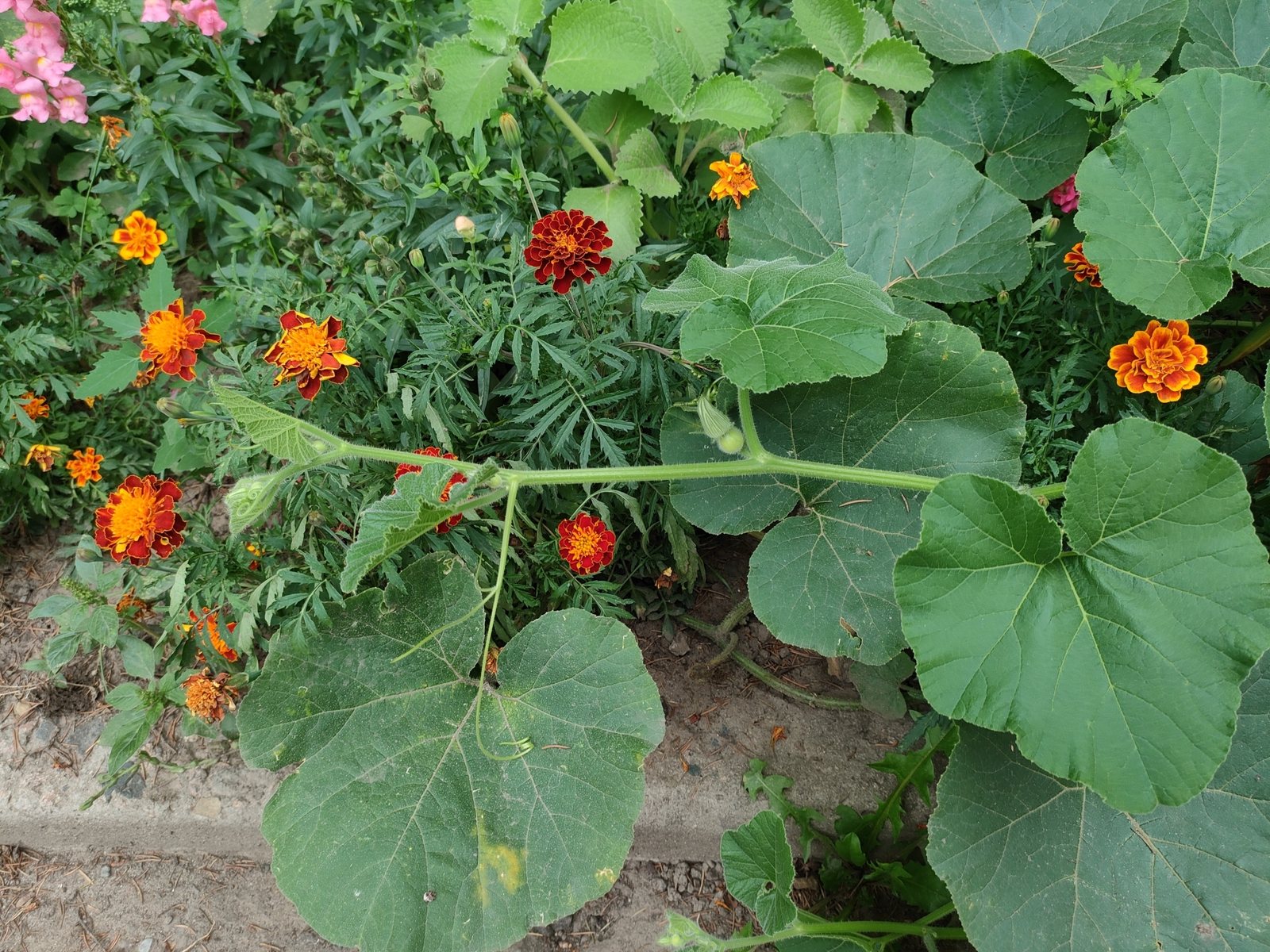
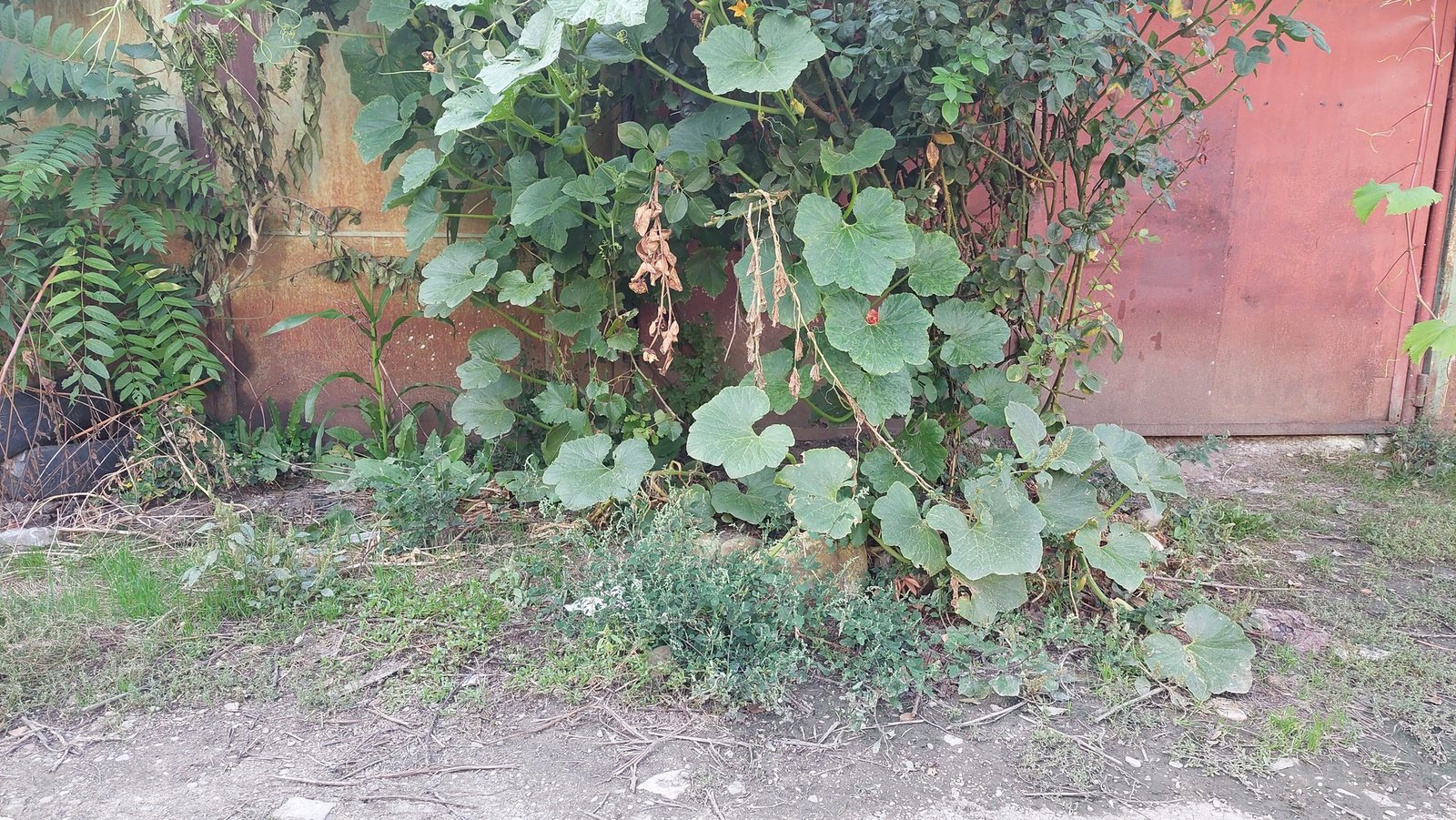
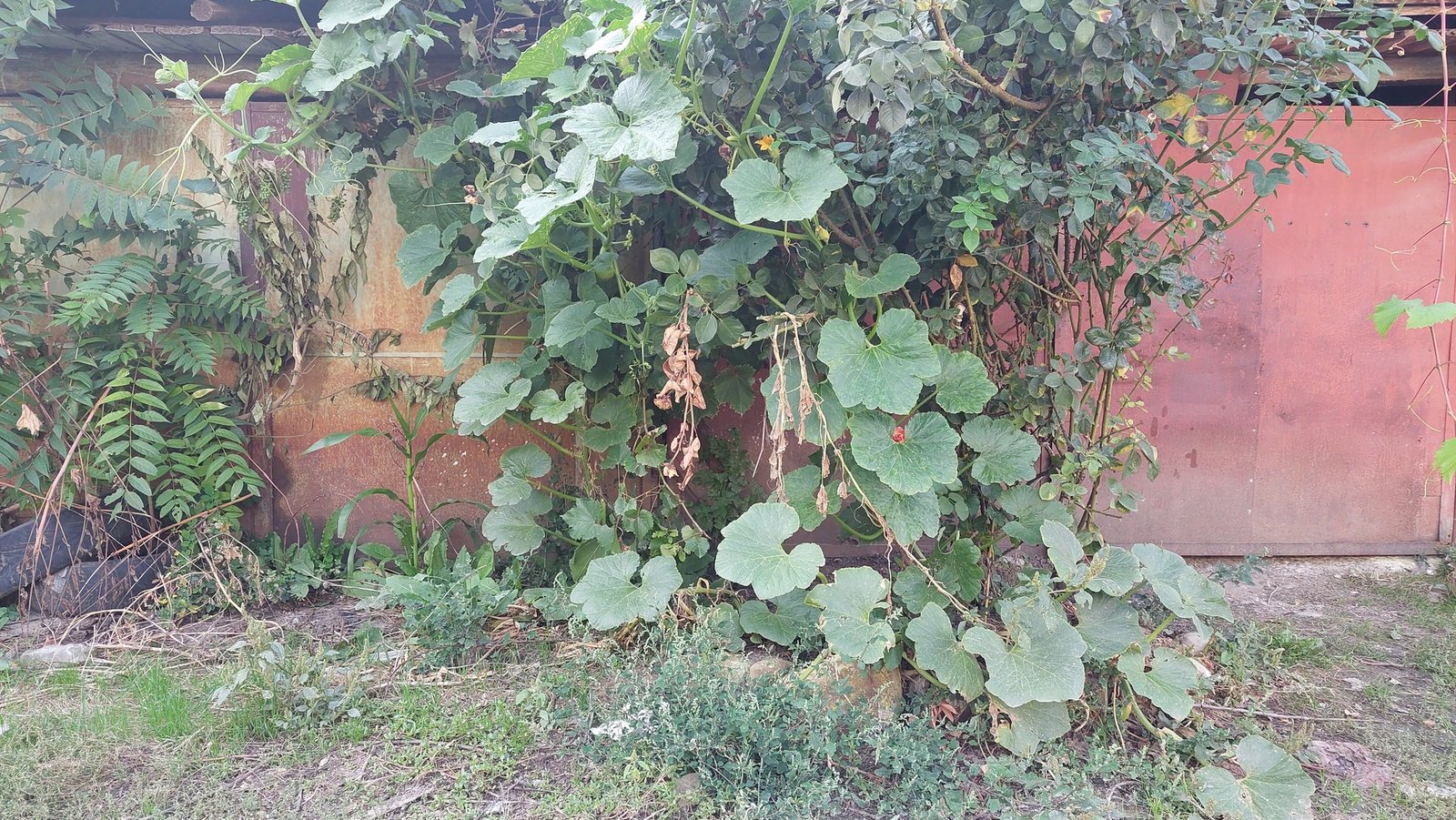
At a glance
- Sun
- Full sun, with at least 8 hours of direct light daily and shelter from strong winds.
- Water
- Keep the root zone evenly moist, especially during flowering and fruit swelling; water deeply at soil level without leaving the soil waterlogged.
- Soil
- Deep, fertile, well-drained soil enriched with mature compost or well-rotted manure; ideally pH 6.0-7.0.
- Height
- 2-3 ft (0.6-0.9 m), excluding exceptionally large fruit
- Spread
- 20-40 ft (6-12 m), sometimes more
- Flowers
- Large yellow flowers from summer into early autumn; separate male and female flowers grow on the same plant.
- Foliage
- Very large, broad, roughly heart-shaped green leaves on thick, sprawling vines; leaves and stems feel coarse or prickly.
- Growth
- Very fast in warm weather.
- Care needed
- High
The year at a glance
- Pollinators
- Low allergen
- Edible
| J | F | M | A | M | J | J | A | S | O | N | D | |
|---|---|---|---|---|---|---|---|---|---|---|---|---|
| Flowers | ||||||||||||
| Fruit | ||||||||||||
| Plant |
Northern hemisphere months. In Australia, shift them by six.
- Difficulty
- Hard
- Toughness
- Needs looking after
Will it suit your garden?
Pick your zone, country, light and whether you have pets.
Full sun is 6 or more hours of direct sun a day, part shade 3 to 6 hours, shade under 3.
How it grows
Planting day
0.5 ft (0.15 m)
After 1 year
2.5 ft (0.75 m)
full size
Full size in one season.
From a typical nursery size, at an average rate for this kind of plant. A rule of thumb, not a forecast.
Good to know
- Cats and dogs
- Safe
- Growth rate
- Fast
Care
Jobs through the year
- WaterMay, every 5 days
- For ground-grown plants, soak the root zone if dry; newly planted seedlings need closer checks.
- WaterJun–Aug, every 3 days
- Water deeply at soil level as needed to maintain steady moisture during fruit swelling.
- WaterSep–Oct, every 7 days
- Water if dry until harvest; avoid saturated soil and abrupt moisture changes.
- FeedMar–Apr
- Incorporate mature compost and use a soil test to guide any additional fertilizer.
- FeedJun–Aug, every 21 days
- Feed only as soil fertility and the product label require; avoid excessive nitrogen.
- MulchJun
- Mulch warm soil to conserve moisture, keeping the crown clear.
- PruneJun–Aug
- Guide vines and pinch tips at space limits; retain ample foliage and one fruit if growing for size.
- ProtectMay–Jun
- Protect seedlings from slugs and local squash pests; remove insect mesh when flowering begins.
- ProtectJul–Aug
- Place a broad support beneath young fruit; never lift or turn a large developing pumpkin.
- HarvestSep–Oct
- Cut hard-rinded mature fruit before frost, retaining the stalk; use lifting equipment for giant fruit.
- Plant out only after frost danger has passed and the soil has warmed to at least 65°F (18°C); allow a large, dedicated growing area.
- Water deeply during dry weather, keeping moisture steady rather than alternating drought with heavy watering.
- Mulch around established plants to conserve moisture, keeping mulch clear of the crown.
- Feed according to a soil test; avoid excessive nitrogen, which encourages leaves at the expense of fruit.
- For one very large pumpkin, retain one well-shaped fruit after successful pollination and remove later fruit.
- Set developing fruit on a broad bed of sand or a suitable support board while still small; do not attempt to lift or turn a large pumpkin.
Pruning. During summer, guide vines into the allotted space and pinch out growing tips when they reach its limits, retaining plenty of healthy leaves. For giant-fruit growing, remove unwanted side shoots and additional fruit, but avoid major pruning during hot, dry weather.
Harvest
Harvest mature pumpkins in late summer or autumn, usually about 120-150 days after sowing, when the rind is hard and the stalk is becoming dry and corky. Cut before frost, leaving several inches of stalk attached; never lift by the stalk, and use suitable lifting equipment for very large fruit. Sound fruit can be cured in a warm, dry, frost-free place before storage, and the flesh and seeds are edible.
Through the year
- Early spring
- Prepare a large, sunny bed with mature compost and check soil fertility.
- Mid-spring
- Sow seeds indoors in individual pots about 3-4 weeks before your expected planting-out date.
- Late spring
- Harden off seedlings and plant out after frost danger, once the soil is warm.
- Early summer
- Mulch, guide vines and begin regular deep watering; hand-pollinate female flowers in the morning if fruit set is poor.
- Midsummer
- Select the best fruit if growing for size, support it while small and maintain even moisture.
- Late summer
- Check leaves and stems for mildew, borers and wilting; remove badly affected foliage without stripping the plant.
- Autumn
- Harvest before frost, cure sound fruit and remove spent vines.
In the garden
- Give it a dedicated ground-level plot in a large kitchen garden, with paths kept outside the vine area.
- Use it as a seasonal focal point in a family garden where developing fruit can be watched without trampling the vines.
- Grow beside an open composting area, rooting it in prepared soil rather than unfinished compost.
- Edge its plot with low flowers that attract insects without competing with or shading the pumpkin.
Garden styles it suits: Potager (kitchen garden), Farmhouse, Homestead, Edible landscape, Family-friendly and Autumn colour.
Plant it with: Sweet alyssum, Borage, Nasturtium and Calendula.
Wildlife: Flowers provide pollen and nectar for bees, including squash bees where present in North America. Slugs, rodents and other animals may damage seedlings or fruit.
Problems to watch for
- Powdery mildew: allow good airflow, water at soil level and remove badly affected leaves; choose a locally approved treatment if needed.
- Squash bugs and squash vine borers, especially in North America: inspect leaf undersides and stem bases frequently, remove eggs and bugs, and use insect mesh before flowering, removing it for pollination.
- Poor fruit set: encourage bees, avoid insecticides during flowering and hand-pollinate newly opened female flowers in the morning; extreme heat can still prevent successful set.
- Fruit splitting or rotting: keep soil moisture steady, provide a dry support beneath fruit and avoid injuring the rind or stalk.
Safety
Not known to be toxic to people, cats, dogs or horses; normal pumpkin flesh and seeds are edible. Discard unusually bitter fruit because high cucurbitacin levels can cause serious digestive illness in people and animals. Tough rind, stalks and large pieces can cause choking or digestive blockage if swallowed.
Easily confused with
Big Max pumpkin (Cucurbita maxima 'Big Max')
Also produces large orange pumpkins, often rounder and more strongly coloured, but fruit shape and colour overlap; a reliable seed label is the best distinction.
Field pumpkin (Cucurbita pepo)
Typical carving pumpkins have a hard, sharply ridged stalk, whereas Atlantic Giant has the softer, rounded or corky stalk characteristic of Cucurbita maxima.
The name
Cucurbita is Latin for gourd, maxima means largest, and the cultivar name 'Atlantic Giant' refers to its giant fruit.
Propagation. Grow from seed, sowing on its edge about 1 in (2.5 cm) deep in warm compost or soil. Saved seed may not produce similar fruit if flowers were pollinated by another Cucurbita maxima variety; use controlled pollination or fresh, reliably labelled seed to maintain the cultivar.
Checked against open data
- Accepted botanical name
- Cucurbita maxima
- In the US and Canada
- Introduced in the lower 48 states, Pacific Basin and Puerto Rico.
- Native range
- Argentina Northeast, Argentina Northwest and Bolivia.
- Measured
- Average height 500 cm.
Sources: GBIF (CC BY 4.0), USDA PLANTS and Trefle (CC BY 4.0). The care and design notes are LandscapeGPT's own.
See it in your own yard.
Upload a photo of your yard and see it redesigned with plants that suit your climate, each checked against your zone.