Avocado
Persea americana. Family Lauraceae. Tree.
Also called Avocado pear, Alligator pear.
Avocado is a broad-leaved evergreen tree grown for its edible fruit and dense, rounded canopy. It fruits best in warm, largely frost-free gardens; in most of the United Kingdom and Canada it needs a heated greenhouse or indoor winter protection, where fruiting is unreliable. Choose a grafted tree for predictable fruit quality and earlier cropping.
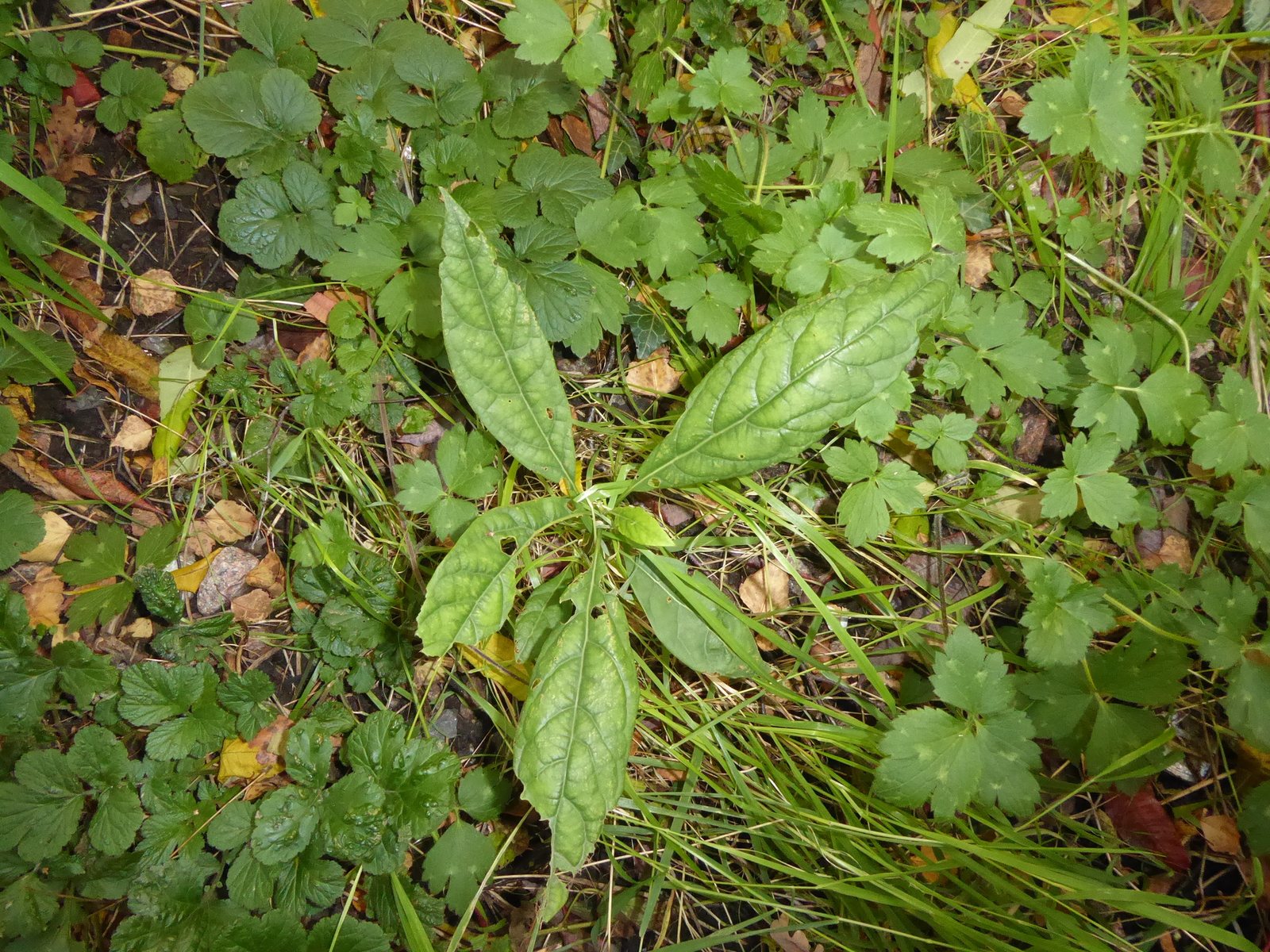
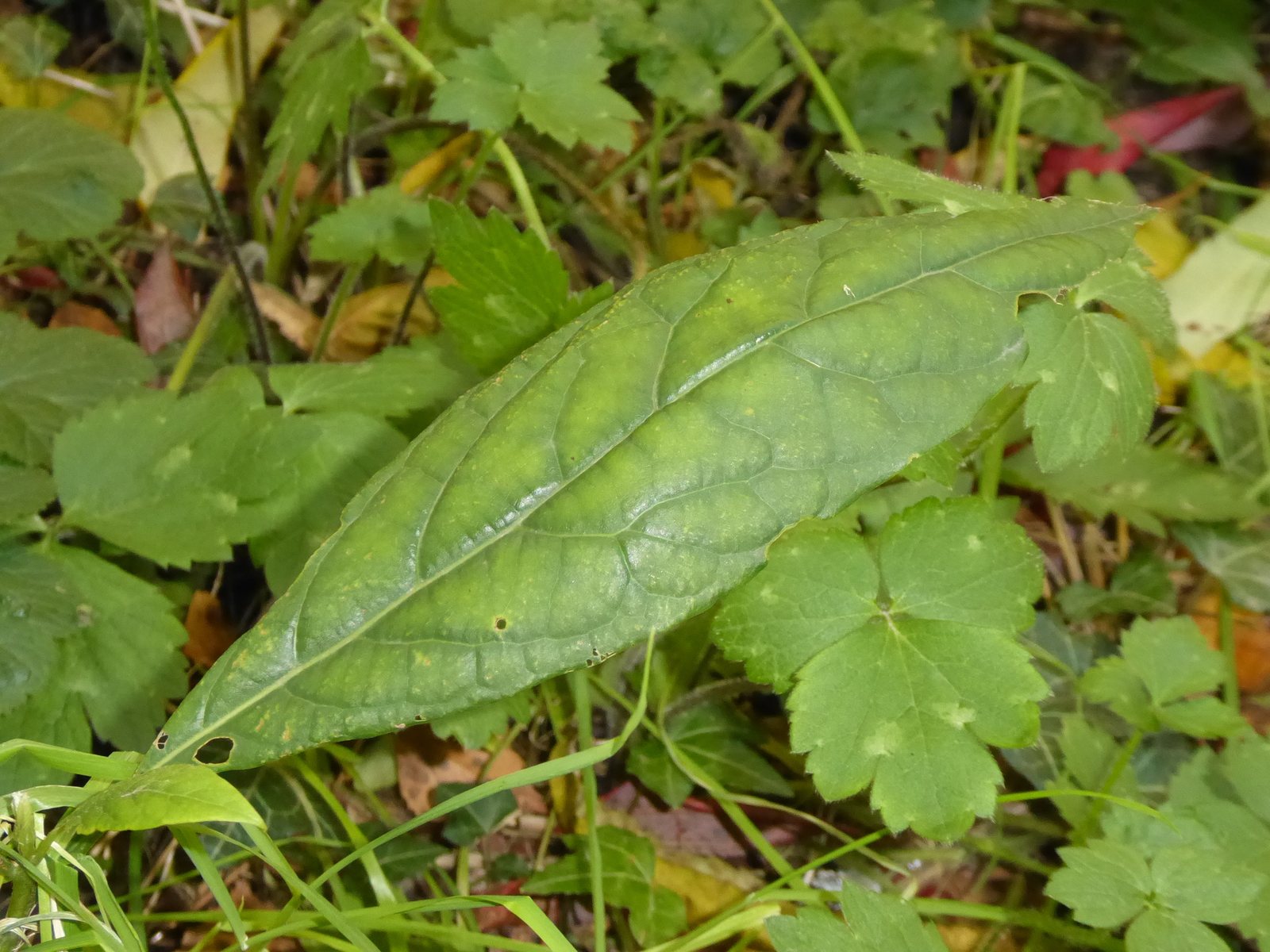
At a glance
- Sun
- Full sun in a sheltered position; protect young trees from intense afternoon sun in very hot climates and from drying winds.
- Water
- Water deeply when the upper soil starts to dry, then allow excess water to drain. Keep young trees evenly moist, but never leave roots standing in water.
- Soil
- Deep, well-drained soil, preferably slightly acidic to neutral. Avoid waterlogged clay, saline soil and sites with a high water table.
- Height
- 20-60 ft (6-18 m); grafted garden trees can often be maintained at 10-15 ft (3-4.5 m)
- Spread
- 15-35 ft (4.5-10.7 m)
- Flowers
- Small yellow-green flowers in branching clusters, usually in late winter or spring; timing varies with cultivar and climate.
- Foliage
- Evergreen. Leathery, oval to elongated dark green leaves; new growth may be bronze or reddish. Some older leaves drop around flowering.
- Growth
- Moderate to fast in warm conditions with adequate moisture.
- Care needed
- Medium
The year at a glance
- Pollinators
- Heat tolerant
- Edible
| J | F | M | A | M | J | J | A | S | O | N | D | |
|---|---|---|---|---|---|---|---|---|---|---|---|---|
| Flowers | ||||||||||||
| Fruit | ||||||||||||
| Plant |
Northern hemisphere months. In Australia, shift them by six.
- Difficulty
- Hard
- Toughness
- Needs looking after
Will it suit your garden?
Pick your zone, country, light and whether you have pets.
Full sun is 6 or more hours of direct sun a day, part shade 3 to 6 hours, shade under 3.
How it grows
Planting day
7 ft (2 m)
After 1 year
9 ft (2.6 m)
After 2 years
11 ft (3.3 m)
After 3 years
13 ft (3.9 m)
After 5 years
17 ft (5.1 m)
About 16 years to full size.
From a typical nursery size, at an average rate for this kind of plant. A rule of thumb, not a forecast.
Good to know
- Cats and dogs
- Mildly toxic: may upset a stomach
- Growth rate
- Fast
Care
Jobs through the year
- WaterMar–May, Sep–Oct, every 7 days
- For frost-free ground culture, water when the upper soil dries; containers need more frequent checks.
- WaterJun–Aug, every 5 days
- Deep-water when upper soil dries, allowing full drainage; check young and potted trees more often.
- WaterJan–Feb, Nov–Dec, every 14 days
- In winter shelter, check container moisture and water only as needed without drying the root ball completely.
- FeedApr–Aug, every 30 days
- Feed lightly with citrus-and-avocado fertilizer at its labelled rate and interval.
- MulchApr–May
- Apply coarse organic mulch over shallow roots, leaving the trunk clear.
- PruneMay–Jun
- After frost risk passes, remove dead wood and lightly shorten upright shoots without exposing major branches.
- ProtectJan–Apr, Sep–Dec
- Unsuitable for outdoor winters in zones 6–7; move containers into bright frost-free shelter before cold nights.
- HarvestJan–Dec, every 14 days
- Only harvest in your cultivar's season; test one full-sized fruit for indoor ripening first; sheltered plants may not crop.
- Plant with the root flare at soil level; use a broad raised mound if drainage is marginal.
- Spread 3-4 in (7.5-10 cm) of coarse organic mulch beneath the canopy, keeping it clear of the trunk.
- Feed lightly with a citrus-and-avocado fertilizer during active growth, following the label; avoid heavy feeding of newly planted trees.
- Protect young trees from frost with horticultural fleece, and move container plants under cover before cold weather.
- Keep lawn and digging away from the shallow root zone, and protect newly exposed branches from sunburn.
- For better fruit set, consider a locally suitable cultivar of the opposite flowering type; one tree can still crop on its own.
Pruning. Prune lightly after harvest or once frost risk has passed, removing dead wood and shortening selected upright shoots to control height. Avoid severe canopy removal, which exposes bark to sunburn and can reduce cropping.
Harvest
Pick full-sized avocados during your variety’s local harvest season, clipping them off with a short stalk; they remain firm on the tree and soften after picking. Test one first: if it softens evenly within 1–2 weeks without shrivelling, pick more, as size and skin colour alone cannot confirm maturity.
Through the year
- Late winter
- Check frost protection and shelter from cold winds; postpone pruning while damaging frost remains possible.
- Spring
- Plant grafted trees once the soil has warmed and frost risk has passed.
- Spring
- Begin light feeding as growth starts, and refresh mulch without burying the trunk.
- Summer
- Check soil moisture frequently during heat and fruit development; water deeply without saturating the root zone.
- Autumn
- Move container trees into bright, frost-free shelter before nights become cold.
- Winter
- Reduce watering for sheltered container trees, but do not let the root ball dry out completely.
In the garden
- Use as a fruiting canopy tree in a spacious, frost-free edible garden.
- Place in a sheltered courtyard where its broad leaves provide screening, allowing room for the mature crown.
- Include in a warm-climate food forest with low plants positioned beyond the immediate root and watering basin.
- Grow a compact grafted selection in a large, movable container where winter shelter is available.
Garden styles it suits: Edible landscape, Backyard orchard, Food forest, Modern tropical, Mediterranean and Homestead.
Plant it with: Nasturtiums, Calendula and Pineapple guava.
Wildlife: Flowers provide nectar and pollen for bees and other insects. Avoid insecticide use during flowering; fallen fruit can attract rodents.
Problems to watch for
- Phytophthora root rot: suspect it when foliage becomes sparse and pale and fine roots die. Improve drainage, avoid overwatering and seek local advice on resistant rootstocks and registered treatments.
- Salt injury: brown leaf tips and margins can follow saline irrigation water or excess fertilizer. Reduce feeding, test water and soil, and leach accumulated salts only where drainage is good.
- Mites: stippled or bronzed leaves, sometimes with webbing, can weaken trees. Reduce dust and water stress, conserve predatory mites and use a locally approved treatment if damage is severe.
- Poor fruit set: cold weather, unsuitable cultivars and weak pollination can limit crops. Choose locally proven grafted cultivars, protect visiting pollinators and consider a complementary flowering type.
Safety
Leaves, bark, fruit skin and pits contain persin. Horses are highly susceptible, and ingestion can cause serious or fatal illness; keep trees and prunings away from paddocks. Dogs and cats may develop digestive upset after eating plant material, while pits also present choking and intestinal-blockage hazards. Ripe flesh is edible for people, although avocado can trigger allergies; do not treat the leaves, skin or pits as ordinary food.
Easily confused with
Bay laurel (Laurus nobilis)
Bay usually has smaller, narrower leaves with distinctly wavy margins and a strong culinary bay scent when crushed; its fruits are small black berries rather than large avocados.
Mango (Mangifera indica)
Mango leaves are generally longer and narrower, with many conspicuous, closely spaced side veins; its fruit contains a large flattened stone.
The name
Avocado comes through Spanish aguacate from the Nahuatl word ahuacatl, while americana means 'of the Americas'.
Propagation. Commercial and garden fruiting trees are usually grafted onto seedling or clonal rootstocks. Seeds germinate readily but do not reproduce the parent cultivar and may take many years to fruit, with uncertain quality.
Checked against open data
- Accepted botanical name
- Persea americana
- In the US and Canada
- Introduced in Hawaii, the lower 48 states, Pacific Basin, Puerto Rico and US Virgin Islands.
- Native range
- Belize, Costa Rica, Guatemala, Honduras, Mexico Central, Mexico Gulf, Mexico Southeast, Mexico Southwest and Nicaragua.
- Measured
- Average height 910 cm.
Sources: GBIF (CC BY 4.0), USDA PLANTS and Trefle (CC BY 4.0). The care and design notes are LandscapeGPT's own.
See it in your own yard.
Upload a photo of your yard and see it redesigned with plants that suit your climate, each checked against your zone.