Better Boy tomato
Solanum lycopersicum 'Better Boy'. Family Solanaceae. Annual.
Also called Better Boy hybrid tomato.
Better Boy is an indeterminate hybrid tomato grown as an annual for its large, red slicing tomatoes. Its vigorous vines keep growing and cropping until cold weather stops them, so give it sturdy support and a long, warm growing season.

At a glance
- Sun
- Full sun; at least 6-8 hours of direct sunlight daily.
- Water
- Water deeply when the upper 1-2 in (2.5-5 cm) of soil dries. Keep moisture even as fruit develops; containers may need daily watering in hot weather.
- Soil
- Fertile, well-drained soil enriched with compost; ideally pH 6.0-6.8. Avoid waterlogged ground.
- Height
- 6-8 ft (1.8-2.4 m), sometimes taller with a long growing season
- Spread
- 2-3 ft (0.6-0.9 m) with support
- Flowers
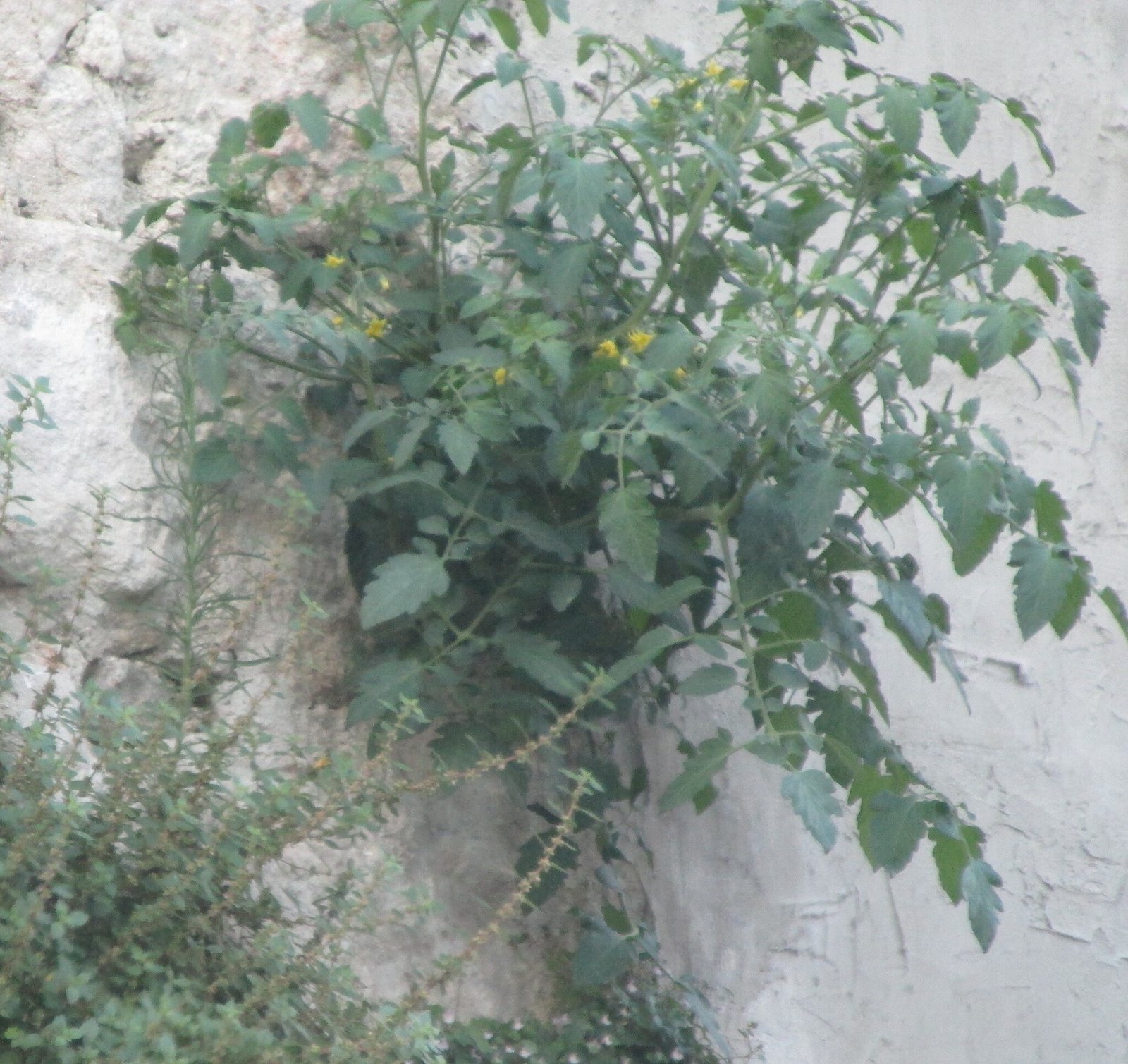
- Small yellow flowers from late spring or summer until autumn frost.
- Foliage
- Green, hairy, deeply divided leaves with a strong tomato scent when handled.
- Growth
- Fast
- Care needed
- High
The year at a glance
- Pollinators
- Disease resistant
- Low allergen
- Edible
| J | F | M | A | M | J | J | A | S | O | N | D | |
|---|---|---|---|---|---|---|---|---|---|---|---|---|
| Flowers | ||||||||||||
| Fruit | ||||||||||||
| Plant |
Northern hemisphere months. In Australia, shift them by six.
- Difficulty
- Moderate
- Toughness
- Needs looking after
Will it suit your garden?
Pick your zone, country, light and whether you have pets.
Full sun is 6 or more hours of direct sun a day, part shade 3 to 6 hours, shade under 3.
How it grows
Planting day
0.8 ft (0.25 m)
After 1 year
7 ft (2.1 m)
full size
Full size in one season.
From a typical nursery size, at an average rate for this kind of plant. A rule of thumb, not a forecast.
Good to know
- Cats and dogs
- Toxic
- Growth rate
- Fast
Care
Jobs through the year
- WaterMay–Jun, Sep–Oct, every 4 days
- For established ground-grown plants, water deeply when the top 2.5–5 cm dries; young plants need closer checks.
- WaterJul–Aug, every 2 days
- Check ground-grown plants and water deeply as the surface dries; keep fruiting plants evenly moist.
- FeedJun–Sep, every 14 days
- Once fruit sets, apply tomato fertilizer at the label rate and frequency.
- MulchJun
- Mulch warmed, moist soil, leaving a gap around each stem.
- ProtectMay–Jun
- Harden off before planting after frost, with nights near 10°C or warmer; install sturdy supports.
- PruneJun–Aug, every 7 days
- For cordons, remove small side shoots and tie stems; caged plants need little pruning.
- PruneSep
- Pinch out growing tips about four weeks before the expected first frost.
- HarvestJul–Oct
- Pick fully red fruit; bring mature green tomatoes indoors before frost.
- Plant out after frost danger has passed, once nights stay around 50°F (10°C) or warmer; harden off indoor-grown plants first.
- Space plants 2-3 ft (0.6-0.9 m) apart and install a strong cage, stake or trellis at planting.
- Water at soil level and avoid repeatedly letting the root zone dry out.
- Mulch after the soil warms, leaving a clear gap around the stem.
- Feed with a tomato fertilizer according to its label once fruit begins to set; avoid excessive nitrogen.
- In containers, use one plant per pot holding at least 15-20 US gal (57-76 L), with drainage holes and sturdy support.
Pruning. For stake or cordon growing, remove side shoots regularly while small and retain one or two main stems; caged plants need less pruning. Remove leaves touching the soil, and pinch out the growing tip about four weeks before the expected first frost to favour existing fruit.
Harvest
Pick tomatoes when fully red and slightly yielding to gentle pressure, usually about 70-75 days after transplanting in warm conditions. Snip or gently twist ripe fruit from the vine; before frost, bring mature green fruit indoors to ripen at room temperature.
Through the year
- Late winter
- Sow indoors 6-8 weeks before your expected planting-out date, using fresh hybrid seed for predictable results.
- Spring
- Pot seedlings on as needed and gradually harden them off over 7-10 days before planting outside.
- Late spring
- Plant after frost danger has passed and the soil has warmed; install supports immediately.
- Early summer
- Mulch, tie stems loosely to supports and begin regular side-shoot removal if training as a cordon.
- Summer
- Water consistently, feed as fruit sets and harvest ripe tomatoes frequently.
- Early autumn
- Where frost ends the season, stop the growing tips about four weeks beforehand and pick remaining mature fruit before frost.
- Late autumn
- Remove spent plants and clean supports; do not save seed expecting identical Better Boy plants.
In the garden
- Train vertically at the back of a sunny vegetable bed, keeping shorter crops within easy reach.
- Use sturdy, repeated cages in a potager for an orderly framework through summer.
- Grow in a large patio container beside basil, allowing space for watering and harvesting.
- Add to an edible border with low flowers such as sweet alyssum, leaving airflow around the tomato foliage.
Garden styles it suits: Potager (kitchen garden), Edible landscape, Homestead, Cottage garden, Farmhouse and Family-friendly.
Plant it with: Basil, Parsley, Chives, Sweet alyssum and French marigold.
Wildlife: Flowers provide pollen for bumblebees and other buzz-pollinating bees. Caterpillars may feed on the foliage, while birds and small mammals sometimes damage ripe fruit.
Problems to watch for
- Blossom-end rot: dark, sunken patches on the fruit base usually follow disrupted calcium uptake. Keep watering consistent and mulch; do not add calcium unless a soil test shows a shortage.
- Early blight and other leaf spots: remove affected lower leaves, water at soil level, improve airflow and rotate planting sites where practical.
- Tomato hornworms and other leaf-eating caterpillars: inspect foliage and hand-pick caterpillars; use a locally approved caterpillar treatment if damage is substantial.
- Poor fruit set: cold nights or very hot weather can prevent pollination. Keep plants watered, ventilate greenhouses and wait for milder conditions; gently tap indoor flower trusses to release pollen.
Safety
Leaves and stems contain toxic glycoalkaloids and should not be eaten by people, cats, dogs or horses; ingestion can cause digestive upset, with weakness or neurological signs in more serious cases. Unripe fruit contains higher levels than ripe fruit and should not be fed to pets. Ripe red fruit is edible for people and is not known to be toxic to cats, dogs or horses in small amounts.
Easily confused with
Big Boy tomato (Solanum lycopersicum 'Big Boy')
Also produces large red fruit on indeterminate vines. Appearance alone does not reliably distinguish these hybrids; use labelled seed or plants.
Celebrity tomato (Solanum lycopersicum 'Celebrity')
Usually has a shorter, more compact, semi-determinate habit than Better Boy. Red fruit can look similar, so labels are the most reliable identification.
The name
The species name lycopersicum comes from Greek words meaning 'wolf peach'.
Propagation. Sow purchased F1 hybrid seed indoors in warmth, ideally 70-80°F (21-27°C). Saved seed will not reliably reproduce Better Boy's characteristics. Healthy side shoots can be rooted as cuttings during warm weather to make genetically identical plants.
Checked against open data
- Accepted botanical name
- Solanum lycopersicum
- In the US and Canada
- Introduced in Alaska, Hawaii, the lower 48 states, Pacific Basin, Puerto Rico and US Virgin Islands.
- Native range
- Peru.
- Measured
- Soil pH 7 to 7.5. Average height 19 cm.
Sources: GBIF (CC BY 4.0), USDA PLANTS and Trefle (CC BY 4.0). The care and design notes are LandscapeGPT's own.
See it in your own yard.
Upload a photo of your yard and see it redesigned with plants that suit your climate, each checked against your zone.