Bidens
Bidens ferulifolia. Family Asteraceae. Perennial.
Also called Fern-leaved beggarticks, Apache beggarticks, Fern-leaved bur-marigold.
Bidens is a frost-tender perennial usually grown as an annual for its small, golden-yellow daisies and finely divided foliage. Its spreading stems soften container edges and fill sunny border fronts, flowering for months in warm weather.
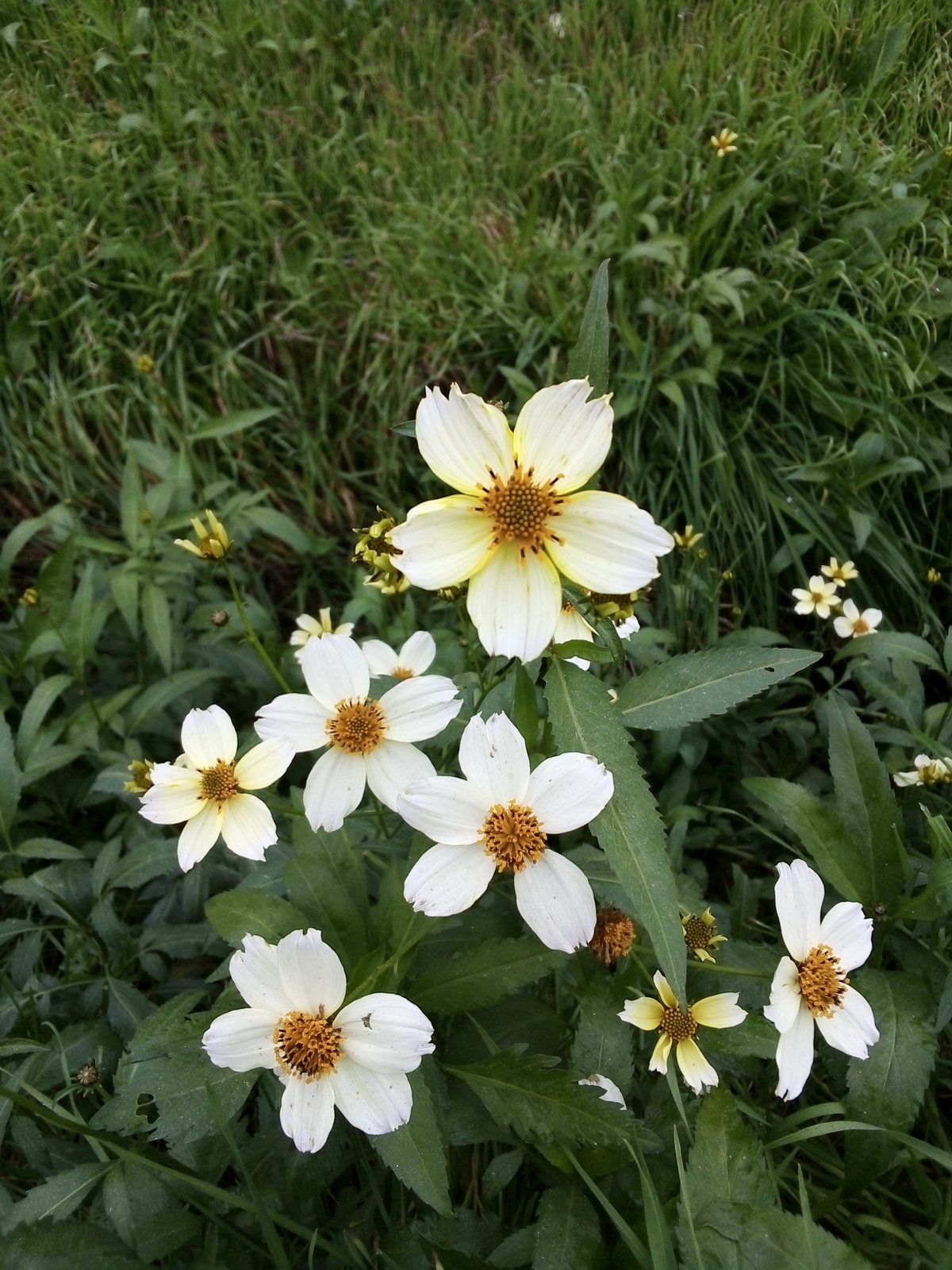
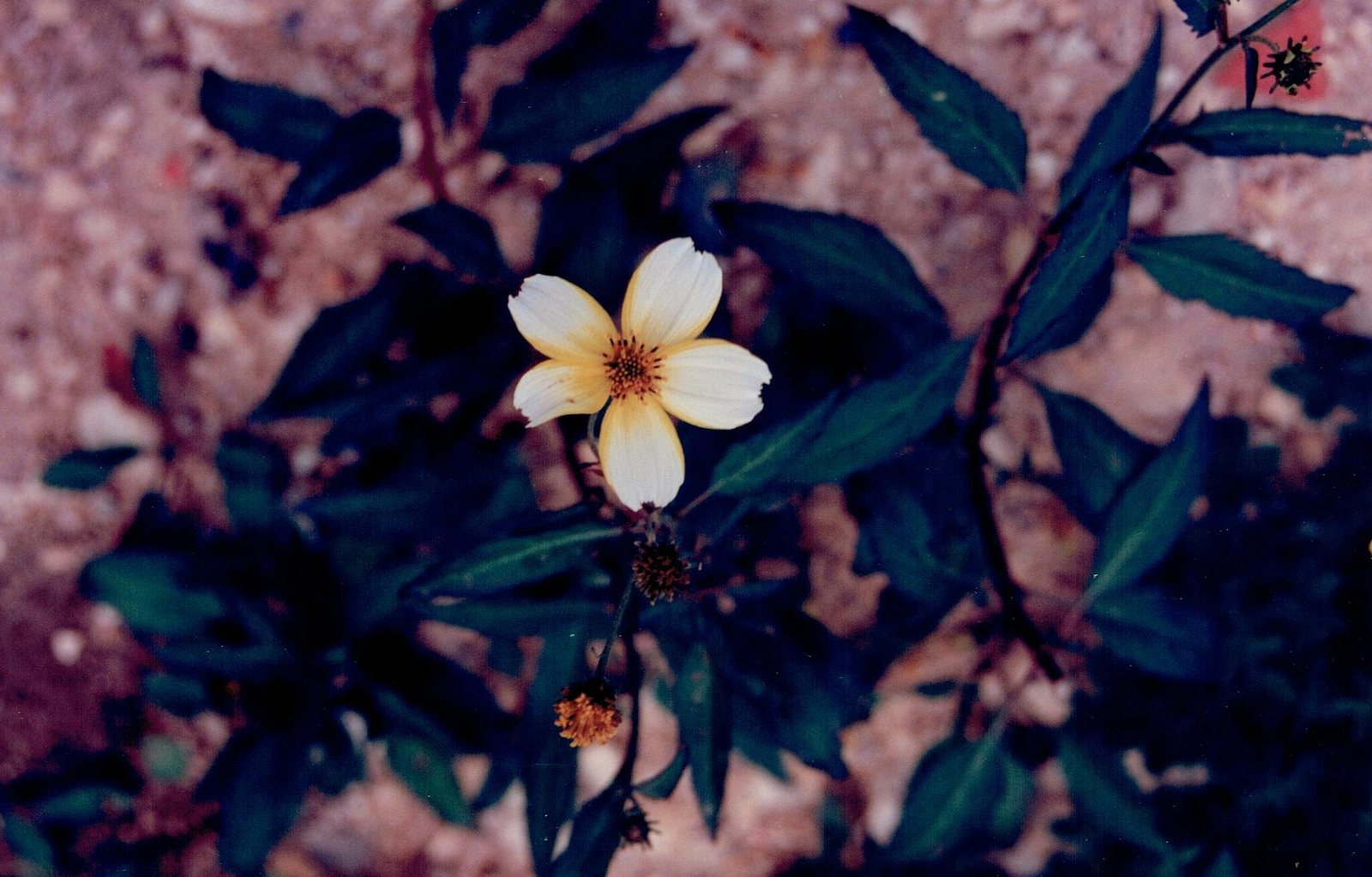
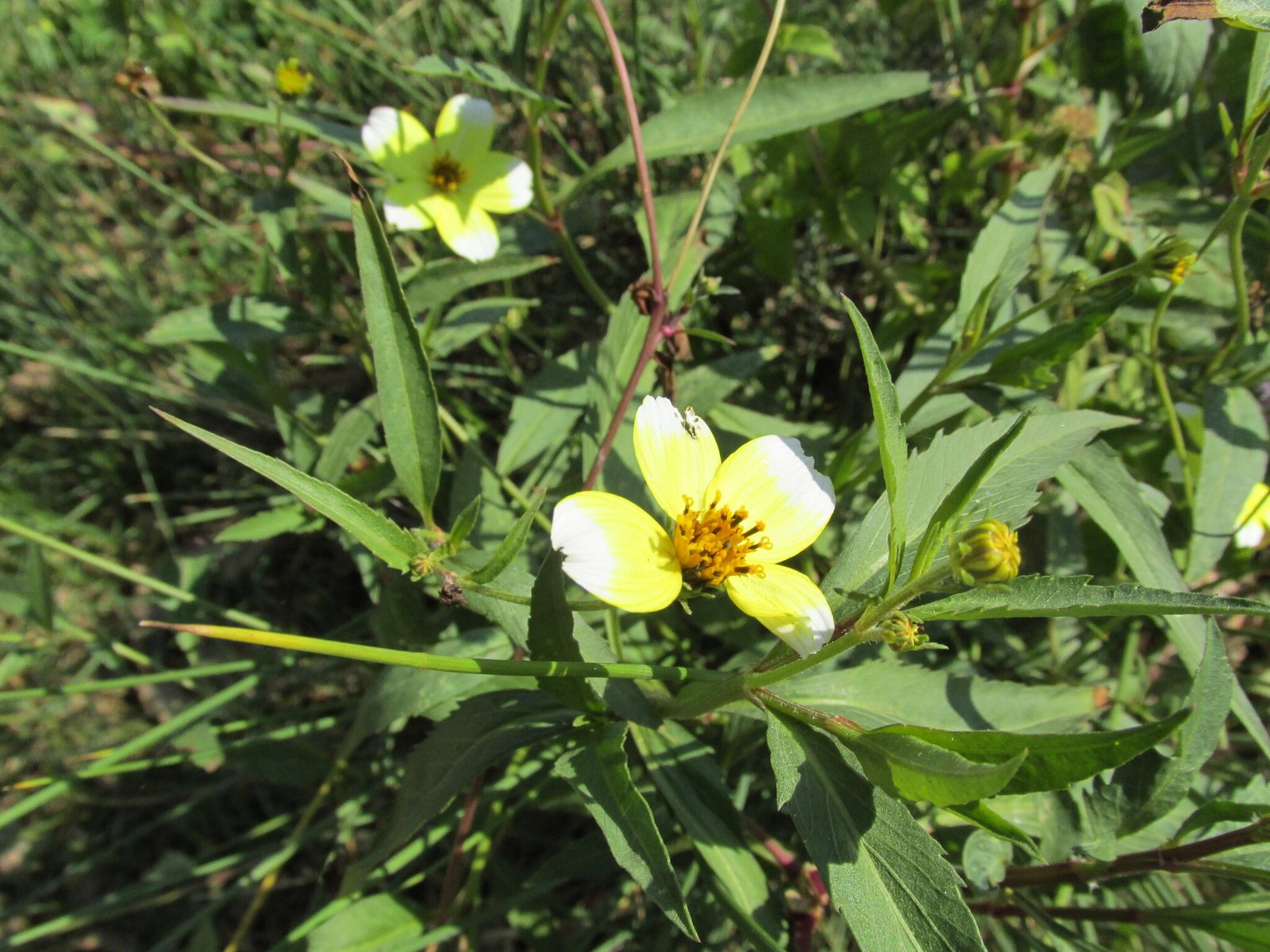
At a glance
- Sun
- Full sun for the best flowering; tolerates light shade but flowers less freely.
- Water
- Water regularly during establishment. Once established, plants in the ground tolerate short dry spells, but containers need watering whenever the surface compost starts to dry.
- Soil
- Well-drained soil of average fertility; use a free-draining potting mix in containers. Avoid ground that stays wet in winter.
- Height
- 0.5-1.5 ft (0.15-0.45 m)
- Spread
- 1-2 ft (0.3-0.6 m)
- Flowers
- Golden-yellow, daisy-like flowers from late spring until autumn frost; flowering can continue longer in frost-free climates.
- Foliage
- Evergreen. Fine-textured green leaves, deeply divided into narrow segments.
- Growth
- Fast
- Care needed
- Low
The year at a glance
- Pollinators
- Drought tolerant
- Heat tolerant
- Low allergen
| J | F | M | A | M | J | J | A | S | O | N | D | |
|---|---|---|---|---|---|---|---|---|---|---|---|---|
| Flowers | ||||||||||||
| Plant |
Northern hemisphere months. In Australia, shift them by six.
- Difficulty
- Easy
- Toughness
- Very tough
Will it suit your garden?
Pick your zone, country, light and whether you have pets.
Full sun is 6 or more hours of direct sun a day, part shade 3 to 6 hours, shade under 3.
How it grows
Planting day
1 ft (0.3 m)
full size
About 2 years to full size.
From a typical nursery size, at an average rate for this kind of plant. A rule of thumb, not a forecast.
Good to know
- Cats and dogs
- Safe
- Native to
- the US
- Growth rate
- Fast
Care
Jobs through the year
- WaterMay, Sep–Oct, every 14 days
- Water established ground plants if soil is dry and rain is insufficient; young plants need more.
- WaterJun–Aug, every 7 days
- Water established ground plants during dry weather; check containers more frequently.
- FeedMay–Sep, every 21 days
- Feed containers with flowering-plant fertiliser; established garden beds rarely need feeding.
- PruneMay–Jun
- Pinch young shoot tips to encourage branching.
- PruneJul–Aug
- If flowering slows or stems become straggly, shorten growth by one-third.
- ProtectSep–Oct
- If keeping plants, move selected pots into bright, frost-free shelter before cold nights.
- WaterJan–Apr, Nov–Dec, every 21 days
- For overwintered pots only, water lightly when the compost starts drying.
- Plant outside after frost danger has passed, allowing room for the stems to spread.
- Water at soil level and let excess water drain freely; never leave pots standing in water.
- Feed container plants every two to four weeks during active growth with a flowering-plant fertiliser at the label rate.
- In garden beds, avoid heavy feeding, which can encourage leafy growth at the expense of flowers.
- To keep plants through a cold winter, move pots into a bright, frost-free place and water sparingly.
Pruning. Pinch young shoot tips to encourage branching. If plants become straggly or flowering slows in midsummer, shorten stems by about one-third, then water and feed; routine deadheading is usually unnecessary.
Through the year
- Early spring
- Sow seed indoors in warmth if growing seed-raised plants, or trim overwintered plants as new growth begins.
- Late spring
- Harden off young plants and plant outside after the last frost.
- Summer
- Check containers frequently for drying and feed regularly while plants are growing and flowering.
- Midsummer
- Trim back loose or tired growth to encourage a fresh flush of flowers.
- Early autumn
- Take cuttings or bring selected pots under cover before cold nights if you want to keep plants.
- Winter
- Keep overwintering plants bright, frost-free and only lightly watered; remove frost-killed outdoor plants.
In the garden
- Trail it over hanging baskets and window boxes with petunias or trailing verbena.
- Edge sunny paths and border fronts with a low ribbon of yellow flowers.
- Pair it with blue salvias or purple heliotrope for strong colour contrast.
- Use it to soften the rims of large containers around upright pelargoniums or ornamental grasses.
Garden styles it suits: Cottage garden, Pollinator garden, Hot border, Mediterranean, Small-space and Family-friendly.
Plant it with: Petunia, Trailing verbena, Salvia, Heliotrope, Pelargonium and Sweet alyssum.
Wildlife: The open flowers provide nectar and pollen for bees, hoverflies and other visiting insects.
Problems to watch for
- Aphids can cluster on soft shoots: wash them off with water or use insecticidal soap according to its label.
- Whiteflies may build up on sheltered or overwintering plants: inspect leaf undersides and treat with insecticidal soap if needed.
- Root rot causes wilting in wet soil: improve drainage, empty saucers and replace plants with badly rotted roots.
- Sparse flowers and stretched stems usually indicate too little sun or excessive feeding: move to a sunnier position, reduce feeding and trim back.
Safety
Not known to be toxic to cats, dogs, horses or people. No part is recognised as seriously poisonous, but it is not a food plant and substantial ingestion may cause digestive upset.
Easily confused with
Threadleaf coreopsis (Coreopsis verticillata)
Also has yellow daisies and fine foliage, but forms a more upright, hardy clump with threadlike leaf divisions rather than a tender, trailing mound.
Sulphur cosmos (Cosmos sulphureus)
Usually grows taller and more upright, with larger yellow or orange flower heads on longer stalks.
Three-lobed beggarticks (Bidens tripartita)
Has much broader, toothed leaves, often divided into three lobes, and small flower heads that usually lack conspicuous yellow rays.
The name
Bidens means 'two teeth', referring to the barbed points on the fruits, while ferulifolia means 'Ferula-leaved', describing the finely divided foliage.
Propagation. Sow seed indoors in early spring, or take softwood cuttings during active growth. Named cultivars are best propagated from cuttings because seedlings may not resemble the parent.
Checked against open data
- Accepted botanical name
- Bidens ferulifolia
- In the US and Canada
- Native in the lower 48 states.
Sources: GBIF (CC BY 4.0) and USDA PLANTS. The care and design notes are LandscapeGPT's own.
See it in your own yard.
Upload a photo of your yard and see it redesigned with plants that suit your climate, each checked against your zone.