Blue Elf aloe
Aloe 'Blue Elf'. Family Asphodelaceae. Succulent.
Also called Aloe 'Blue Elf'.
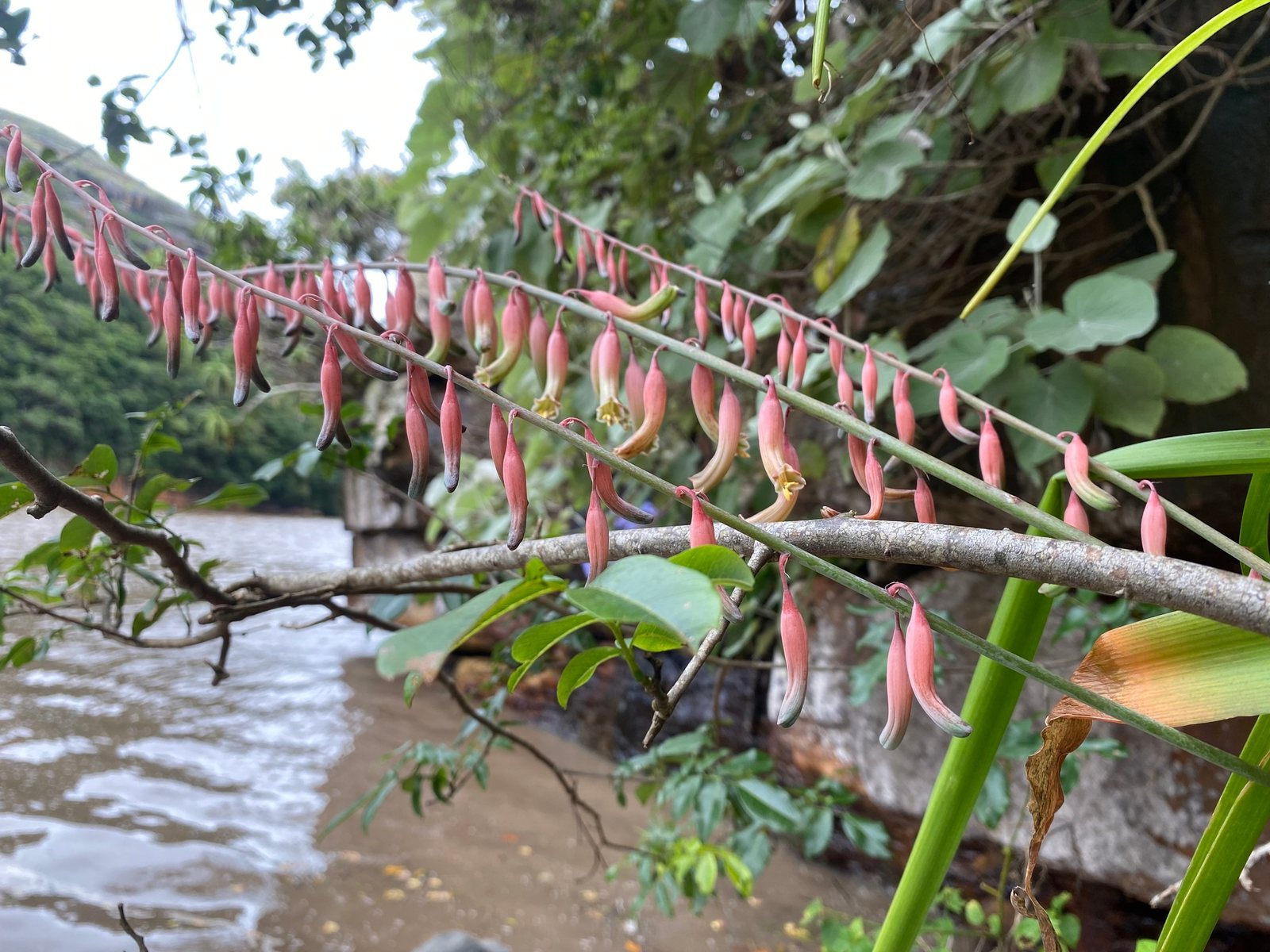
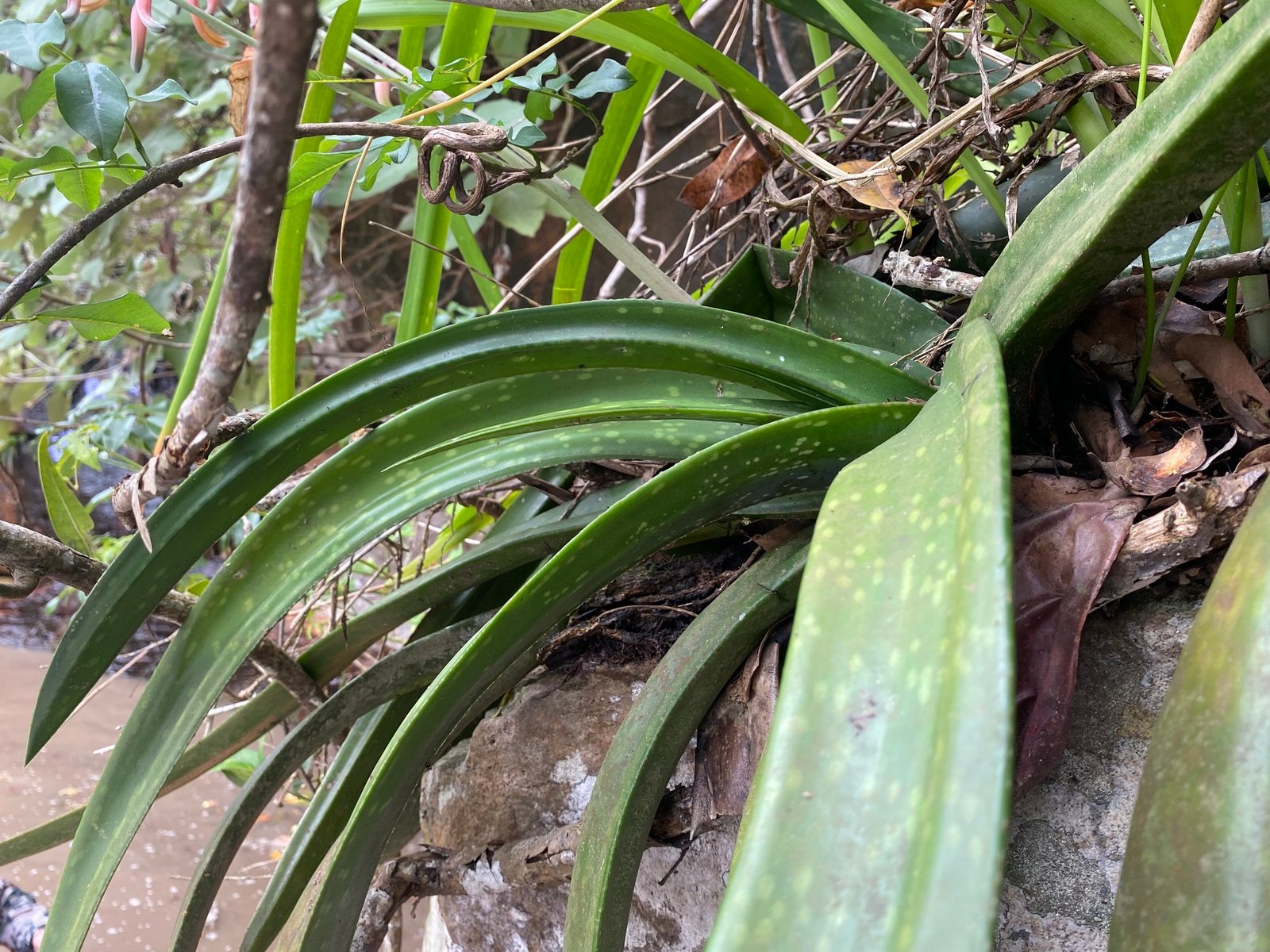
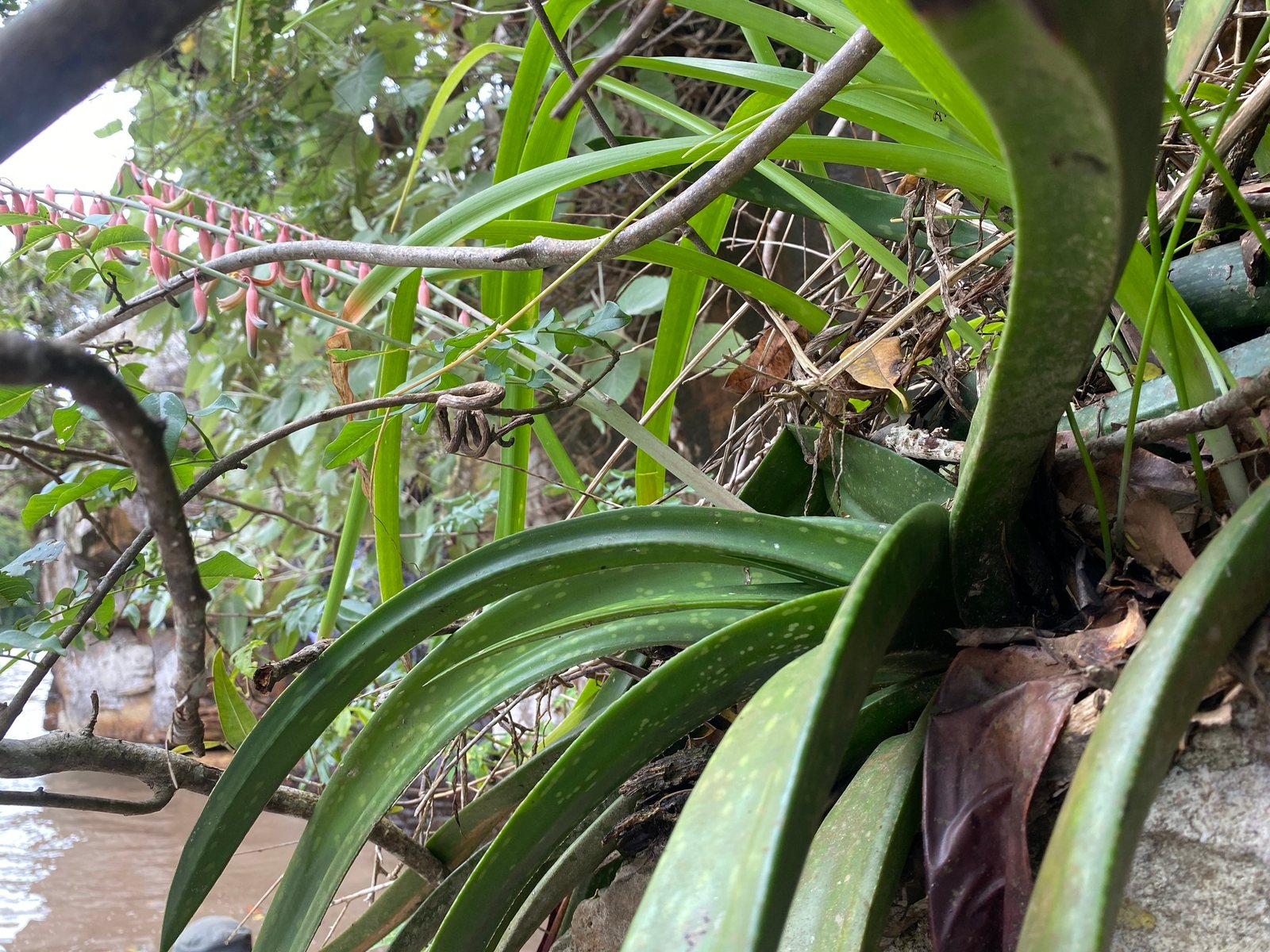
Blue Elf aloe is a compact, clump-forming succulent with upright blue-grey leaves and orange flower spikes. Grow it for evergreen structure in dry borders, gravel gardens and containers; outside mild-winter regions, keep it in a pot that can be moved under cover.
At a glance
- Sun
- Full sun to light shade; give afternoon shade in very hot inland climates.
- Water
- Low once established. Water thoroughly, then let the soil dry before watering again; keep much drier in winter.
- Soil
- Sharply drained sandy or gravelly soil. For containers, use cactus compost amended with pumice, grit or perlite, and a pot with drainage holes.
- Height
- 1-1.5 ft (0.3-0.45 m), with flower spikes reaching about 2 ft (0.6 m)
- Spread
- 1-2 ft (0.3-0.6 m), gradually wider as offsets form
- Flowers
- Orange tubular flowers on upright spikes, mainly from late winter through spring in mild climates.
- Foliage
- Evergreen. Narrow, fleshy blue-grey leaves form dense upright rosettes. Small teeth line the leaf margins; drought or strong sun may tint the tips pinkish.
- Growth
- Moderate in warm weather; slow in cool conditions.
- Care needed
- Low
The year at a glance
- Pollinators
- Deer resistant
- Drought tolerant
- Heat tolerant
- Low allergen
| J | F | M | A | M | J | J | A | S | O | N | D | |
|---|---|---|---|---|---|---|---|---|---|---|---|---|
| Flowers | ||||||||||||
| Plant |
Northern hemisphere months. In Australia, shift them by six.
- Difficulty
- Easy
- Toughness
- Fairly tough
Will it suit your garden?
Pick your zone, country, light and whether you have pets.
Full sun is 6 or more hours of direct sun a day, part shade 3 to 6 hours, shade under 3.
How it grows
Planting day
0.8 ft (0.25 m)
After 1 year
0.9 ft (0.27 m)
After 2 years
0.9 ft (0.28 m)
After 3 years
1 ft (0.3 m)
After 5 years
1.1 ft (0.33 m)
About 8 years to full size.
From a typical nursery size, at an average rate for this kind of plant. A rule of thumb, not a forecast.
Good to know
- Cats and dogs
- Toxic
- Growth rate
- Slow
Care
Jobs through the year
- WaterJun–Aug, every 21 days
- For established plants, soak only after the root zone dries; check pots and new plants more often.
- WaterApr–May, Sep, every 28 days
- Water only if the soil has dried thoroughly; skip watering after sufficient rain.
- WaterJan–Mar, Oct–Dec, every 42 days
- Keep sheltered pots nearly dry; give a little water only if dry and leaves begin to shrivel.
- FeedApr
- Give container plants one dilute cactus feed; established plants in the ground usually need none.
- DivideApr–May
- Separate offsets only if crowded, and pot into sharply draining compost.
- DeadheadMar–Jun
- Cut finished flower stalks near the base without damaging healthy leaves.
- PruneApr–May
- Remove only fully dead leaves, wearing gloves around the toothed edges.
- ProtectJan–Apr, Oct–Dec
- In zone 6–7, overwinter in a bright, frost-free shelter protected from winter rain.
- ProtectMay–Jun
- Move outside after frost risk passes and acclimatise gradually to sun.
- Plant with the crown above the surrounding soil and keep mulch away from the leaf bases.
- Water new plants when the root zone dries; reduce watering once they are established.
- Feed container plants lightly with a dilute cactus fertiliser once in spring; plants in the ground usually need no feeding.
- Move pots into a bright, frost-free position before winter frosts, especially where winters are wet.
- Remove or divide offsets in spring if the clump outgrows its space.
Pruning. Cut spent flower stalks near the base after flowering. Remove fully dead leaves with clean tools, but leave healthy foliage intact and wear gloves around the toothed edges.
Through the year
- Spring
- Plant or repot once frost risk has passed, using a sharply drained growing medium.
- Spring
- Separate crowded offsets and give container plants a light feed.
- Summer
- Water only after the root zone has dried, and check leaf bases for mealybugs.
- Autumn
- Reduce watering as growth slows and move pots under cover before frost.
- Winter
- Keep sheltered plants bright and nearly dry; protect outdoor plants from prolonged cold and winter rain.
- Late winter to spring
- Enjoy the flowers, then remove each stalk when its blooms have finished.
In the garden
- Repeat small clumps along a gravel border for a consistent blue-grey edge.
- Use in a simple container beside a sunny doorway or on a terrace, away from narrow walking routes.
- Combine with small agaves and low stonecrop for contrasting rosette shapes and textures.
- Plant beside rocks in a dry, sloping bed where drainage is excellent.
Garden styles it suits: Desert modern, Modern Mediterranean, Architectural minimal, Dry gravel garden, Desert / xeriscape and Small-space.
Plant it with: Foxtail agave, Blue chalk sticks, Echeveria, Stonecrop, Red yucca and Trailing ice plant.
Wildlife: The tubular flowers provide nectar for bees and, where present, hummingbirds.
Problems to watch for
- Root or crown rot in wet soil: improve drainage, stop frequent watering and discard plants with a soft, rotting crown.
- Mealybugs in leaf joints and roots: isolate affected pots, remove visible insects and use a product labelled for mealybugs on succulents if needed.
- Aloe mites causing distorted, knobbly growth: remove affected plants or seek local treatment advice; discard badly affected plants and do not propagate them.
- Frost damage causing translucent or collapsed leaves: move pots to frost-free shelter and wait until damaged tissue dries before removing it.
Safety
Treat this cultivar as toxic if eaten, as with other aloes, although cultivar-specific evidence is limited. Yellow latex beneath the leaf skin contains compounds that can cause vomiting, diarrhoea and abdominal pain in people, cats and dogs; horses should not have access to it. Do not use it as an edible or medicinal aloe. Leaf teeth can scratch skin.
Easily confused with
Medicinal aloe (Aloe vera)
Usually has much broader, thicker leaves and larger rosettes; its flowers are commonly yellow rather than Blue Elf's orange.
Short-leaved aloe (Aloe brevifolia)
Forms squat rosettes with short, broad triangular leaves and conspicuous pale teeth; Blue Elf has longer, narrower, more upright leaves.
The name
The cultivar name 'Blue Elf' refers to its blue-grey foliage and compact size.
Propagation. Separate rooted offsets in spring or early summer. Let any cut surfaces dry for several days before potting into a sharply drained mix, then water sparingly. Offsets preserve the cultivar; seedlings may not resemble it.
Checked against open data
- Accepted botanical name
- Aloe
Sources: GBIF (CC BY 4.0). The care and design notes are LandscapeGPT's own.
See it in your own yard.
Upload a photo of your yard and see it redesigned with plants that suit your climate, each checked against your zone.