Blue mistflower
Conoclinium coelestinum. Family Asteraceae. Perennial.
Also called Hardy ageratum, Wild ageratum, Blue boneset.
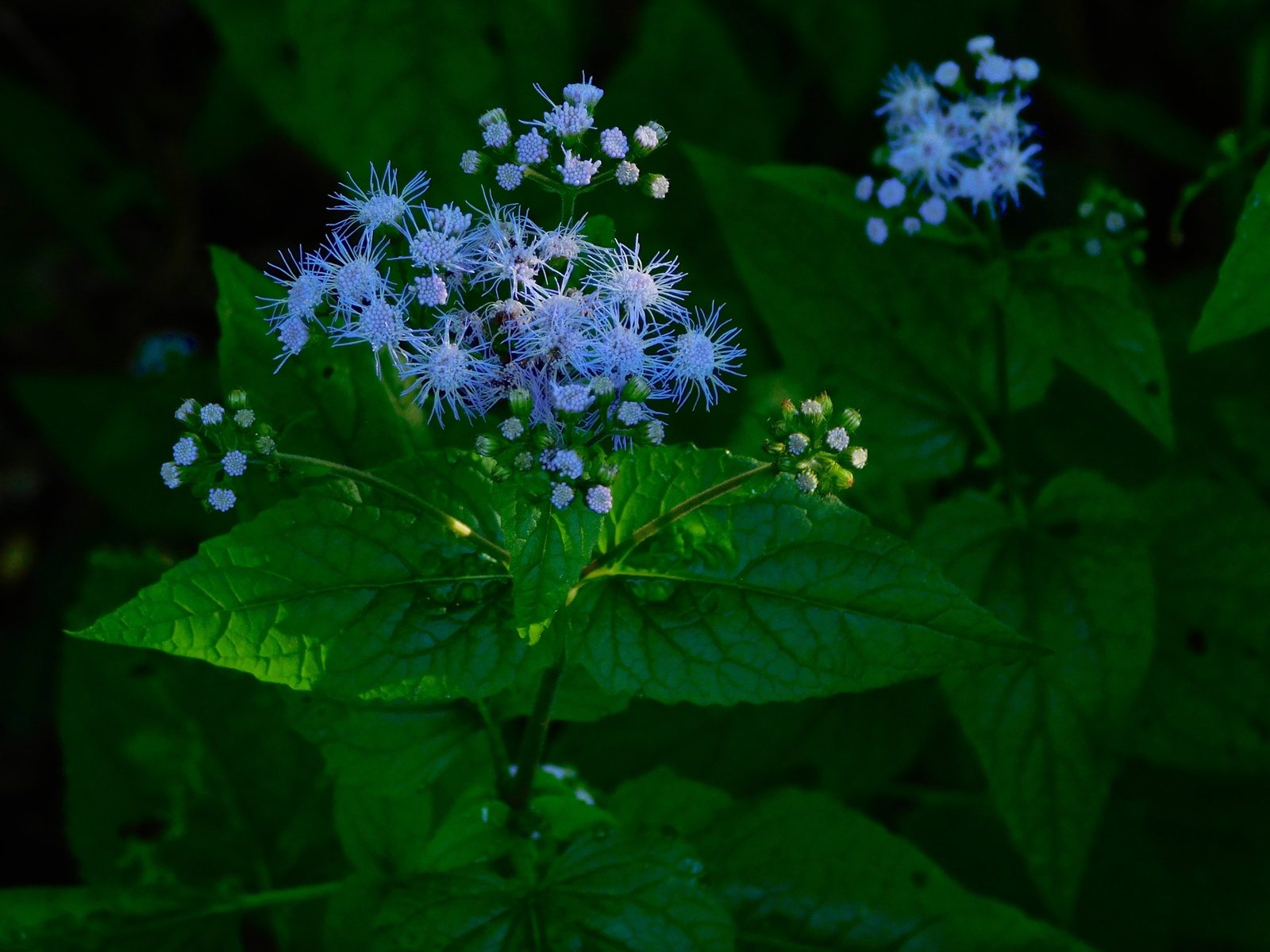
Blue mistflower is a spreading perennial native to eastern and central North America, grown for its fluffy blue-purple flowers in late summer and autumn. It brings late colour and nectar to moist borders and naturalistic gardens, but its creeping roots can overwhelm smaller neighbours.
At a glance
- Sun
- Full sun to partial shade; afternoon shade is helpful in hot climates.
- Water
- Keep the soil consistently moist, especially during establishment and hot weather. Established plants tolerate brief dry spells, but prolonged drought causes wilting and poor flowering.
- Soil
- Moist, fertile soil rich in organic matter; tolerates clay and occasional flooding. Avoid persistently dry sites.
- Height
- 1.5-3 ft (0.45-0.9 m)
- Spread
- 2-3 ft (0.6-0.9 m), extending farther over time through creeping rhizomes
- Flowers
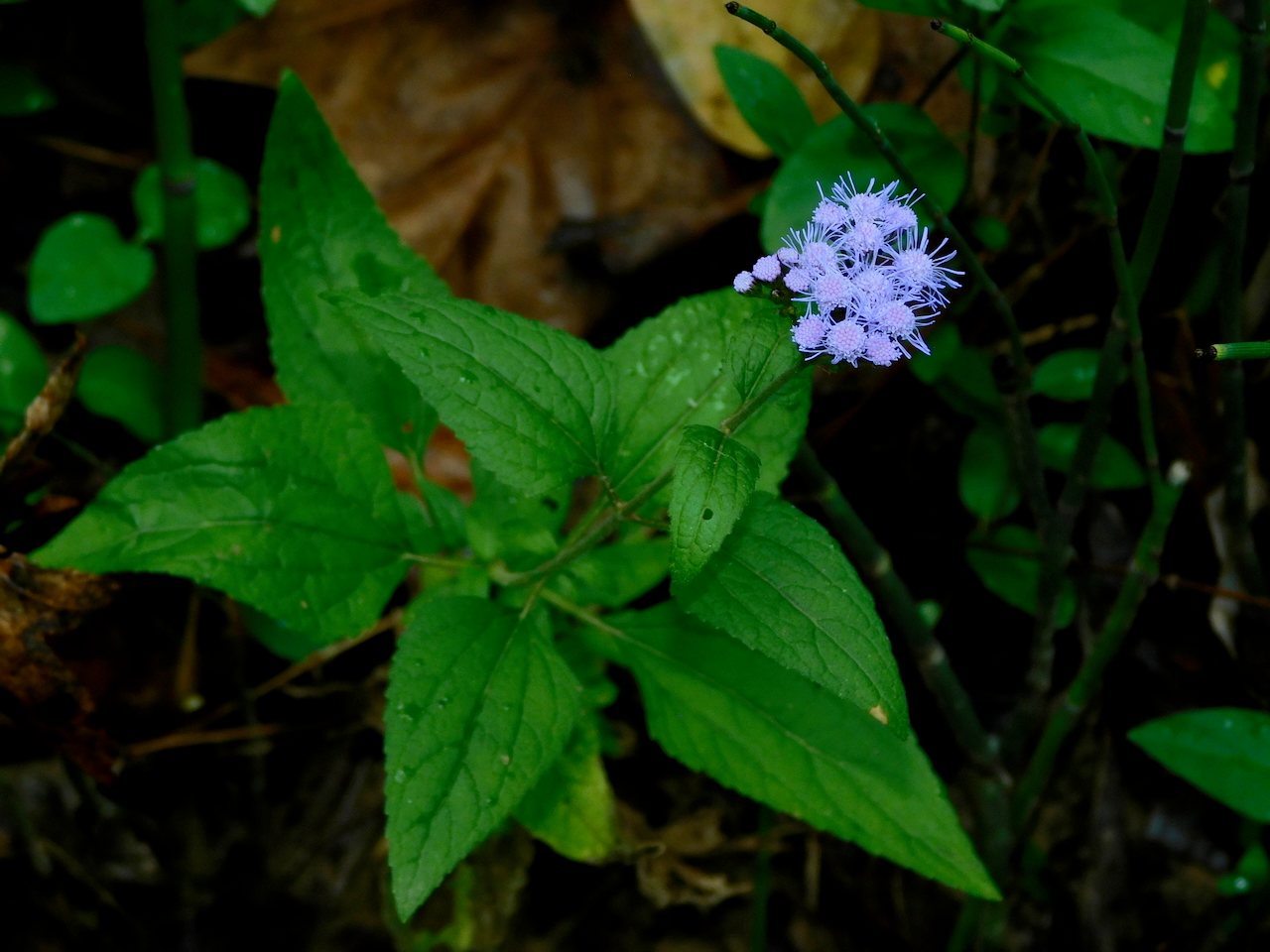
- Late summer to autumn; fluffy clusters of blue to violet-blue flowers.
- Foliage
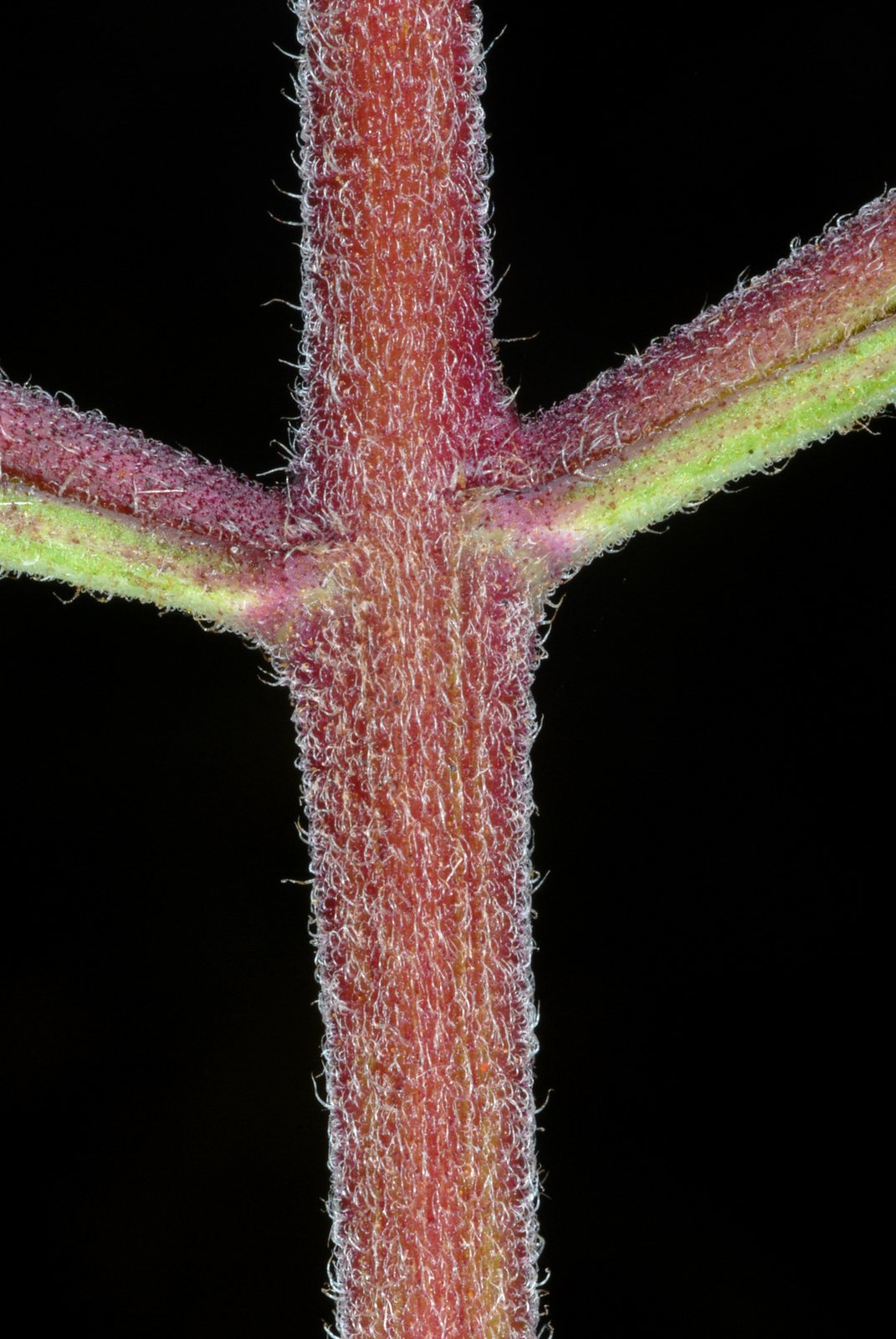
- Opposite, green, triangular to egg-shaped leaves with toothed edges; stems and leaves are often softly hairy.
- Growth
- Fast
- Care needed
- Medium
The year at a glance
- Pollinators
- Heat tolerant
- Wildlife
- Low allergen
| J | F | M | A | M | J | J | A | S | O | N | D | |
|---|---|---|---|---|---|---|---|---|---|---|---|---|
| Flowers | ||||||||||||
| Plant |
Northern hemisphere months. In Australia, shift them by six.
- Difficulty
- Moderate
- Toughness
- Fairly tough
Will it suit your garden?
Pick your zone, country, light and whether you have pets.
Full sun is 6 or more hours of direct sun a day, part shade 3 to 6 hours, shade under 3.
How it grows
Planting day
1 ft (0.3 m)
After 1 year
1.6 ft (0.49 m)
After 2 years
2.2 ft (0.68 m)
full size
About 2 years to full size.
From a typical nursery size, at an average rate for this kind of plant. A rule of thumb, not a forecast.
Good to know
- Cats and dogs
- Mildly toxic: may upset a stomach
- Native to
- the US and Canada
- In the garden
- Spreads vigorously: plan to contain it.
- Growth rate
- Fast
Care
Jobs through the year
- WaterApr–May, Oct, every 14 days
- Water established plants if rain is insufficient to keep soil moist; water new plants more often.
- WaterJun–Sep, every 7 days
- Water established plants deeply in dry weather; increase frequency during hot spells.
- MulchApr
- Apply a thin compost mulch, keeping emerging shoots clear.
- PruneFeb–Mar
- Cut dead stems to ground level before new shoots emerge.
- PruneMay
- Optionally shorten stems by one-third for bushier growth and later flowers.
- DivideApr–May
- Divide crowded patches every two to three years and remove escaping rhizomes.
- DeadheadSep–Oct, every 14 days
- Remove fading flower heads before seed ripens where self-seeding is unwanted.
- Water deeply during dry spells so the root zone does not dry out completely.
- Apply a light mulch of compost in spring; avoid heavy feeding, which encourages floppy growth.
- Pull or dig out unwanted shoots in spring, removing their connecting rhizomes.
- Divide crowded patches every two or three years to keep them manageable.
- Support tall clumps early if they lean into paths or neighbouring plants.
Pruning. Cut stems back by about one-third in late spring for shorter, bushier plants, accepting slightly later flowering. Remove spent flower heads before seed ripens if spread is a concern, and cut dead stems to ground level in late winter.
Through the year
- Late winter
- Cut down dead stems before new shoots emerge.
- Spring
- Plant or divide clumps, water them in well, and mulch lightly with compost.
- Late spring
- Shorten stems if compact growth is needed and remove shoots spreading beyond their allotted space.
- Summer
- Water during dry spells and check lower leaves for mildew or mite damage.
- Late summer
- Support leaning stems while leaving flowers available to visiting insects.
- Autumn
- Remove fading flower heads before seeds disperse where self-seeding is unwanted.
In the garden
- Plant in broad drifts through a moist meadow-style border for late blue colour among grasses.
- Combine with goldenrods and black-eyed Susans for contrasting yellow and blue flowers.
- Use along a sunny woodland edge where its spreading habit can fill gaps.
- Plant on the moist upper edge of a rain garden, away from small or slow-growing plants.
Garden styles it suits: Native meadow, Wildlife garden, Pollinator garden, Cottage garden, New perennial (prairie) and Blues and silvers.
Plant it with: Goldenrod, Black-eyed Susan, New England aster, Joe-Pye weed, Switchgrass and Cardinal flower.
Wildlife: Flowers provide late-season nectar for butterflies, bees and other pollinating insects. Leaving some stems standing through winter provides shelter for small invertebrates.
Problems to watch for
- Unwanted spread: dig out escaping rhizomes and remove flower heads before seed disperses; avoid planting beside delicate perennials.
- Floppy stems: provide more sun, avoid high-nitrogen fertiliser, and shorten stems in late spring.
- Powdery mildew: improve air circulation, thin crowded growth, and avoid allowing plants to become drought-stressed.
- Spider mites in hot, dry weather: keep roots moist and rinse leaf undersides with water; use insecticidal soap labelled for the pest if necessary.
Safety
Reliable information on toxicity to cats, dogs, horses and people is limited; it should not be assumed safe to eat. No part is intended for food or livestock forage. Seek veterinary or medical advice after substantial ingestion.
Where it spreads. Can spread aggressively by rhizomes and seed in moist gardens, especially in the eastern and southeastern United States, where it is native. This garden behaviour is not the same as being a listed non-native invasive plant.
Easily confused with
Floss flower (Ageratum houstonianum)
The familiar bedding plant usually forms a compact mound and is grown as a frost-tender annual. Blue mistflower forms taller perennial colonies connected by creeping rhizomes.
Gregg's mistflower (Conoclinium greggii)
Its leaves are deeply divided into lobes, unlike the broad, undivided, toothed leaves of blue mistflower.
The name
The species name coelestinum means sky-blue, while mistflower describes the hazy appearance of its clusters of fine, fluffy flowers.
Propagation. Divide rooted clumps in spring, keeping roots and shoots on each piece. Sow seed on the surface of moist compost; a period of cold, moist conditions can improve germination.
Checked against open data
- Accepted botanical name
- Conoclinium coelestinum
- In the US and Canada
- Native in the lower 48 states. Introduced in Canada.
- Native range
- Alabama, Arkansas, Cuba, Delaware, Florida, Georgia, Illinois, Indiana, Kansas, Kentucky, Louisiana and Maryland.
- Measured
- Soil pH 5.5 to 7.5. Average height 46 cm.
Sources: GBIF (CC BY 4.0), USDA PLANTS and Trefle (CC BY 4.0). The care and design notes are LandscapeGPT's own.
See it in your own yard.
Upload a photo of your yard and see it redesigned with plants that suit your climate, each checked against your zone.