Cardinal flower
Lobelia cardinalis. Family Campanulaceae. Perennial.
Also called Red lobelia.
Cardinal flower is a moisture-loving North American perennial grown for upright spikes of vivid scarlet flowers in late summer and early autumn. It suits pond margins, rain gardens and damp borders, where its nectar attracts hummingbirds within their range. Individual plants can be short-lived, but seedlings often keep a suitable planting going.
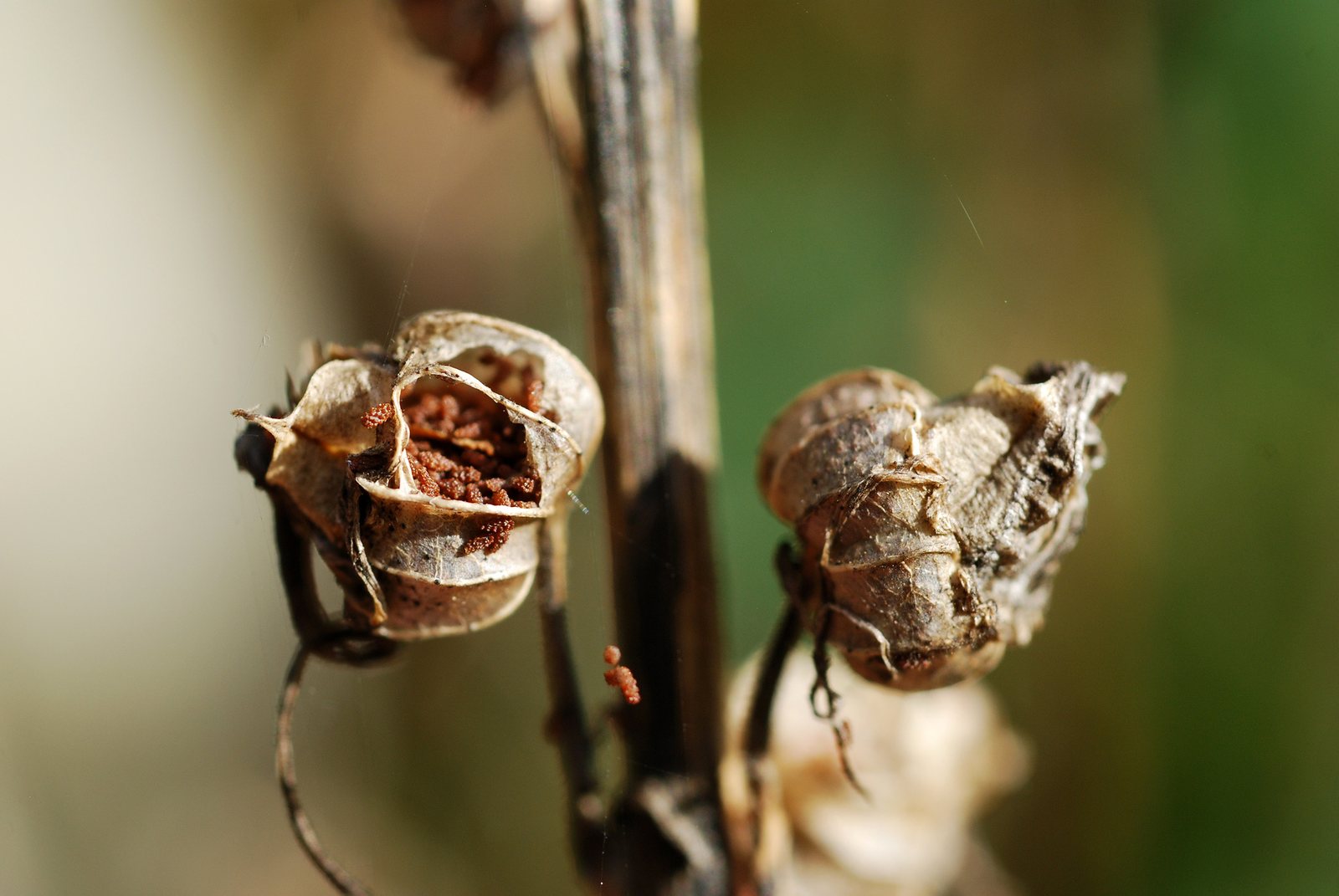
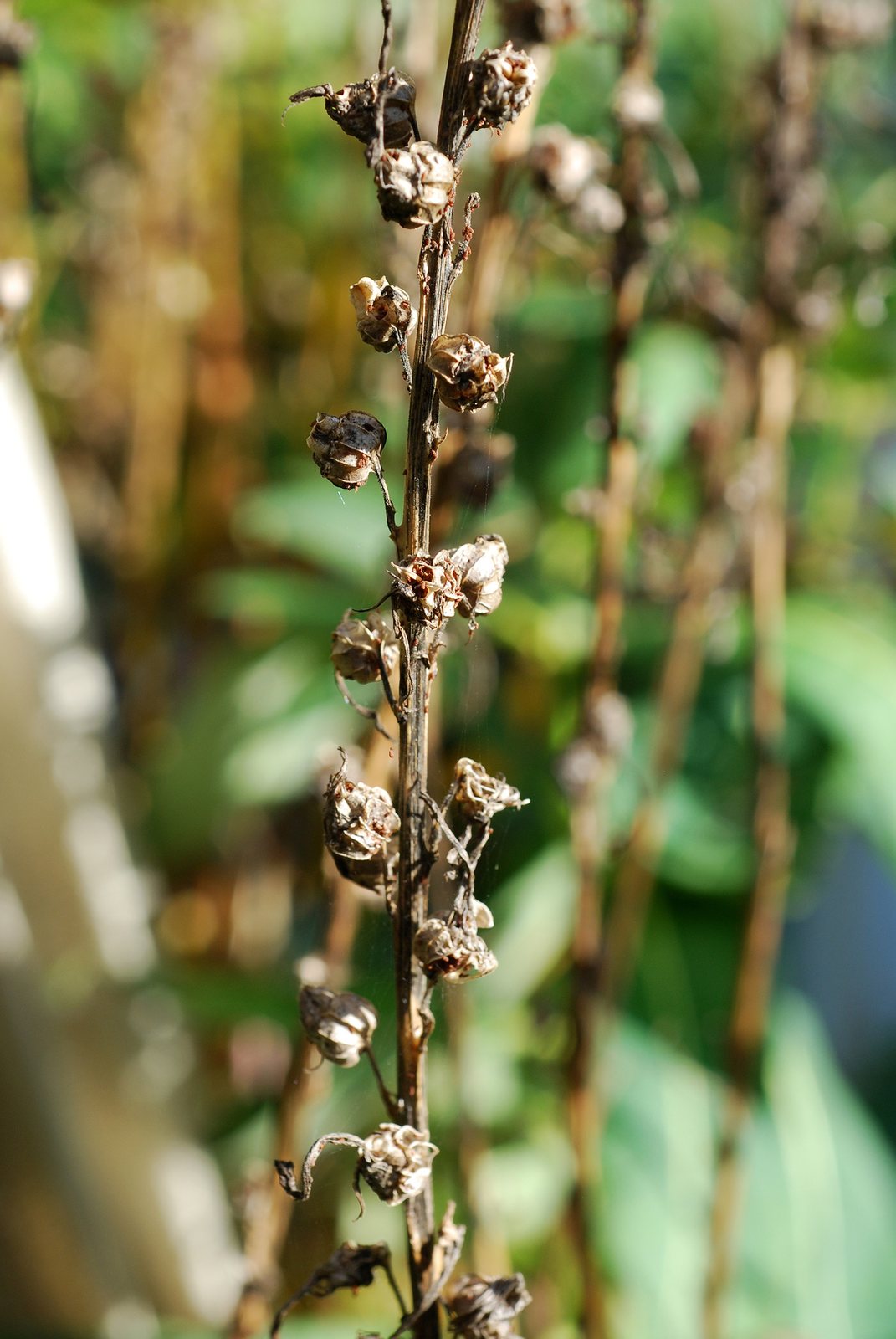
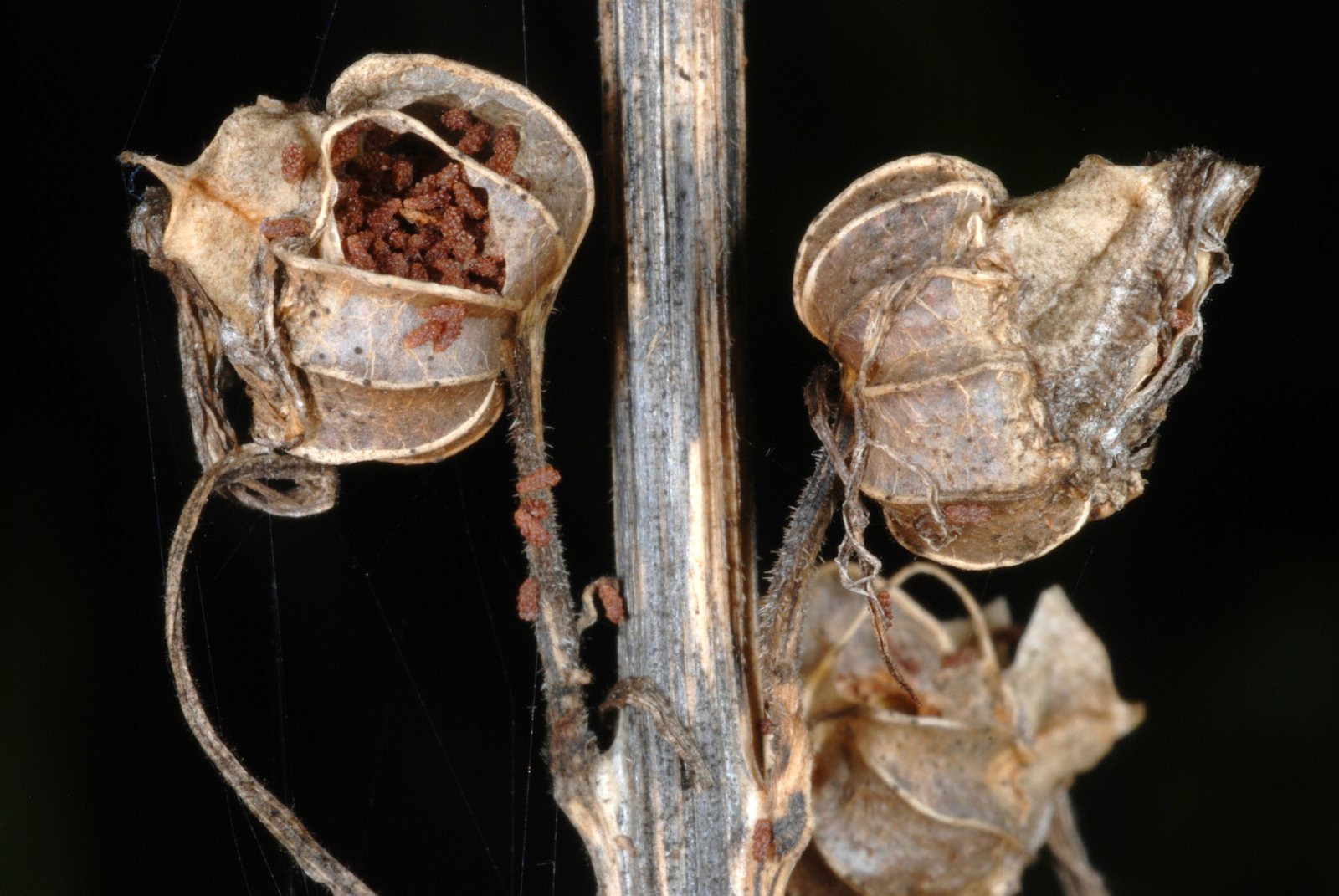
At a glance
- Sun
- Full sun to partial shade; give afternoon shade in hot climates. Full sun suits cooler gardens if the soil stays wet.
- Water
- High; keep the root zone consistently moist to wet. It tolerates periodic flooding but performs poorly in dry soil.
- Soil
- Humus-rich, moisture-retentive soil, preferably acidic to neutral. It grows well in wet loam or clay; avoid dry, free-draining sites.
- Height
- 2-4 ft (0.6-1.2 m)
- Spread
- 1-2 ft (0.3-0.6 m)
- Flowers
- Late summer to early autumn; scarlet-red, tubular flowers on upright spikes.
- Foliage
- Green, lance-shaped leaves with toothed edges; low basal rosettes may remain green through mild winters.
- Growth
- Moderate
- Care needed
- Medium
The year at a glance
- Pollinators
- Deer resistant
- Cold hardy
- Wildlife
- Low allergen
| J | F | M | A | M | J | J | A | S | O | N | D | |
|---|---|---|---|---|---|---|---|---|---|---|---|---|
| Flowers | ||||||||||||
| Fruit | ||||||||||||
| Plant |
Northern hemisphere months. In Australia, shift them by six.
- Difficulty
- Moderate
- Toughness
- Needs looking after
Will it suit your garden?
Pick your zone, country, light and whether you have pets.
Full sun is 6 or more hours of direct sun a day, part shade 3 to 6 hours, shade under 3.
How it grows
Planting day
1 ft (0.3 m)
After 1 year
1.6 ft (0.5 m)
After 2 years
2.3 ft (0.7 m)
After 3 years
3 ft (0.9 m)
full size
About 3 years to full size.
From a typical nursery size, at an average rate for this kind of plant. A rule of thumb, not a forecast.
Good to know
- Cats and dogs
- Toxic
- Native to
- the US and Canada
- Growth rate
- Moderate
Care
Jobs through the year
- WaterApr–May, Sep–Oct, every 7 days
- Keep soil consistently moist; water sooner if drying, especially around new plants.
- WaterJun–Aug, every 3 days
- Soak during rainless weather before soil dries; omit where soil stays naturally wet.
- FeedApr
- Apply a thin layer of compost; avoid heavy feeding.
- MulchApr–May
- Mulch surrounding soil lightly without covering basal rosettes.
- DivideMar–Apr
- Divide vigorous, crowded clumps every two or three years.
- PruneFeb–Mar
- Remove dead flowering stems without damaging living basal rosettes.
- ProtectMar–May
- Protect emerging rosettes from slugs and snails.
- ProtectOct–Dec
- Clear smothering leaves and wet debris from basal rosettes.
- Water during dry spells before the soil dries out; newly planted rosettes need particular attention.
- Apply a thin layer of compost in spring; avoid heavy feeding.
- Mulch around plants to retain moisture, keeping mulch off the basal rosettes.
- Stake flowering stems only where exposed to strong wind.
- Divide healthy clumps in spring every two or three years if they become crowded.
Pruning. Leave some flower spikes to set seed if you want replacement plants. Cut dead stems down after flowering or in late winter, taking care not to damage the living basal rosettes.
Through the year
- Early spring
- Check surviving rosettes, clear away smothering debris and remove dead stems.
- Spring
- Plant or divide into moist soil, keeping each crown at soil level.
- Late spring
- Add a thin compost mulch around plants and check young growth for slugs.
- Summer
- Water during rainless periods and stake stems in exposed positions.
- Late summer
- Enjoy flowering and leave selected spikes to ripen seed.
- Autumn
- Scatter ripe seed on moist, bare soil without burying it; keep fallen leaves from covering the rosettes.
In the garden
- Plant in small groups along pond margins, above permanent deep water, for strong vertical red accents.
- Use in the moist lower part of a rain garden where water collects but the soil does not become drought-dry.
- Combine with royal fern and turtlehead in damp partial shade for contrasting foliage and late flowers.
- Pair with great blue lobelia in a wet border for red-and-blue flowers in late summer.
Garden styles it suits: Bog garden, Wildlife garden, Pollinator garden, Woodland, Cottage garden and New perennial (prairie).
Plant it with: Great blue lobelia, White turtlehead, Royal fern, Blue flag iris, Joe-Pye weed and Marsh marigold.
Wildlife: A valuable nectar plant for hummingbirds in North America; butterflies also visit. Its long flower tubes limit access for many short-tongued insects.
Problems to watch for
- Drought causes wilting, scorched leaves and plant loss; choose a reliably damp site and water deeply during dry weather.
- Slugs and snails damage young rosettes; inspect after dark, remove them by hand and use labelled iron-phosphate bait if needed.
- Crowns can rot when buried under heavy mulch or wet leaf litter; keep rosettes exposed and remove decaying material.
- Plants may disappear after a few years; allow some self-seeding and divide vigorous clumps to maintain the planting.
Safety
Toxic to people, cats, dogs and horses if eaten. All parts contain toxic alkaloids, including lobeline; ingestion can cause vomiting, diarrhoea, weakness and potentially serious heart or breathing problems. Seek medical or veterinary advice promptly after suspected ingestion.
Easily confused with
Great blue lobelia (Lobelia siphilitica)
Has blue to violet flowers, often with pale markings, rather than scarlet flowers; its spikes usually look broader and more densely packed.
Hybrid lobelia (Lobelia × speciosa)
Garden hybrids may have red, pink or purple flowers and sometimes dark foliage. Red-flowered forms can closely resemble cardinal flower, so a reliable nursery label may be needed.
Scarlet sage (Salvia splendens)
Has opposite, broader leaves and conspicuous coloured flower calyces; cardinal flower has alternate, narrower leaves and flowers with a distinctive split upper lip.
The name
Lobelia honours the botanist Matthias de l’Obel, while cardinalis and the common name refer to the scarlet robes worn by Roman Catholic cardinals.
Propagation. Sow fresh seed on the surface of moist compost or prepared soil; do not cover, because light aids germination. A period of cold, moist conditions can improve germination. Alternatively, divide basal rosettes with roots attached in spring.
Checked against open data
- Accepted botanical name
- Lobelia cardinalis
- In the US and Canada
- Native in Canada and the lower 48 states.
- Native range
- Alabama, Arizona, Arkansas, Belize, California, Colombia, Colorado, Connecticut, Costa Rica, Delaware, District of Columbia and El Salvador.
- Measured
- Soil pH 5.8 to 7.8. Average height 14 cm.
Sources: GBIF (CC BY 4.0), USDA PLANTS and Trefle (CC BY 4.0). The care and design notes are LandscapeGPT's own.
See it in your own yard.
Upload a photo of your yard and see it redesigned with plants that suit your climate, each checked against your zone.