Brown boronia
Boronia megastigma. Family Rutaceae. Shrub.
Also called Sweet-scented boronia.
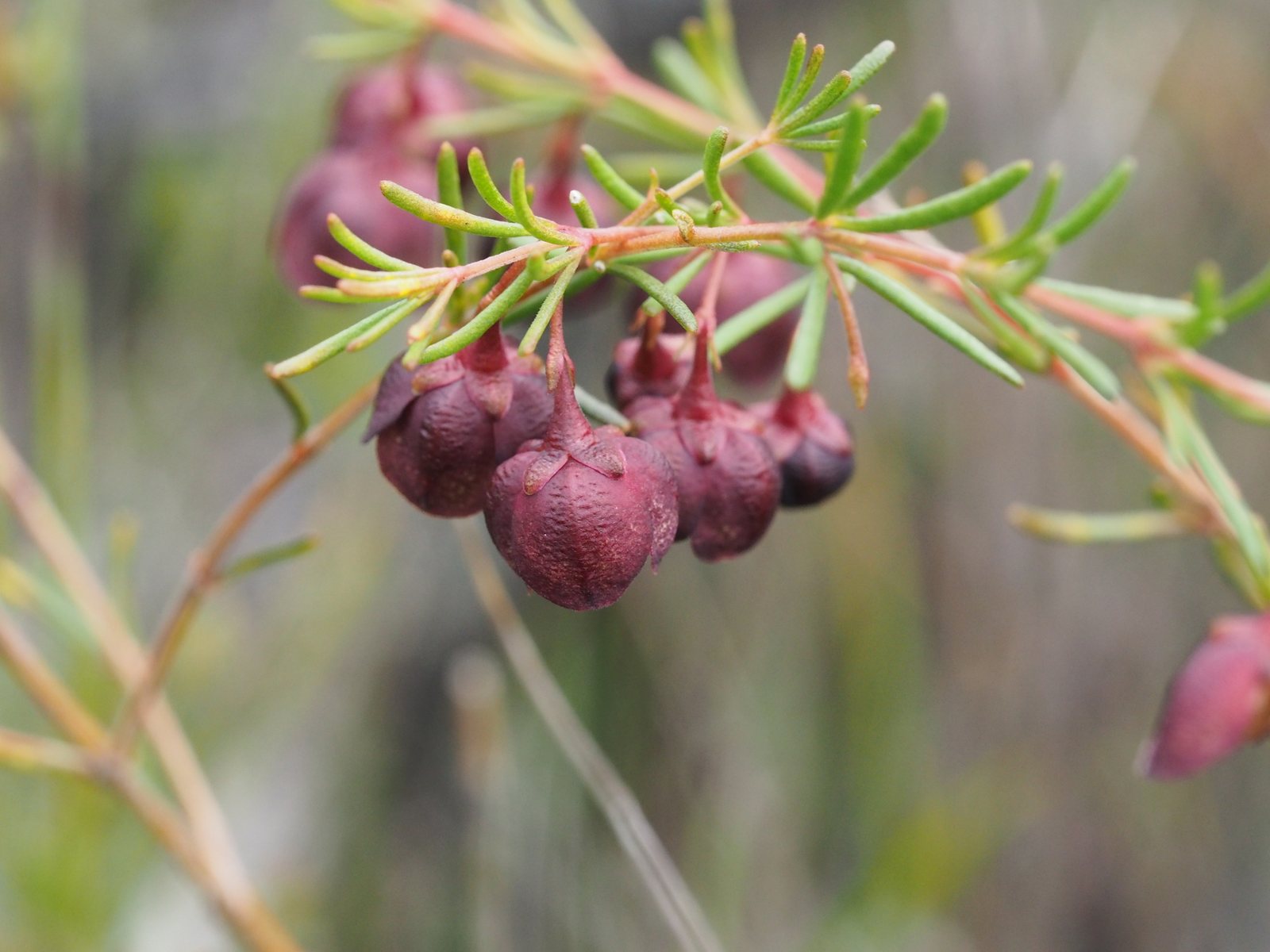
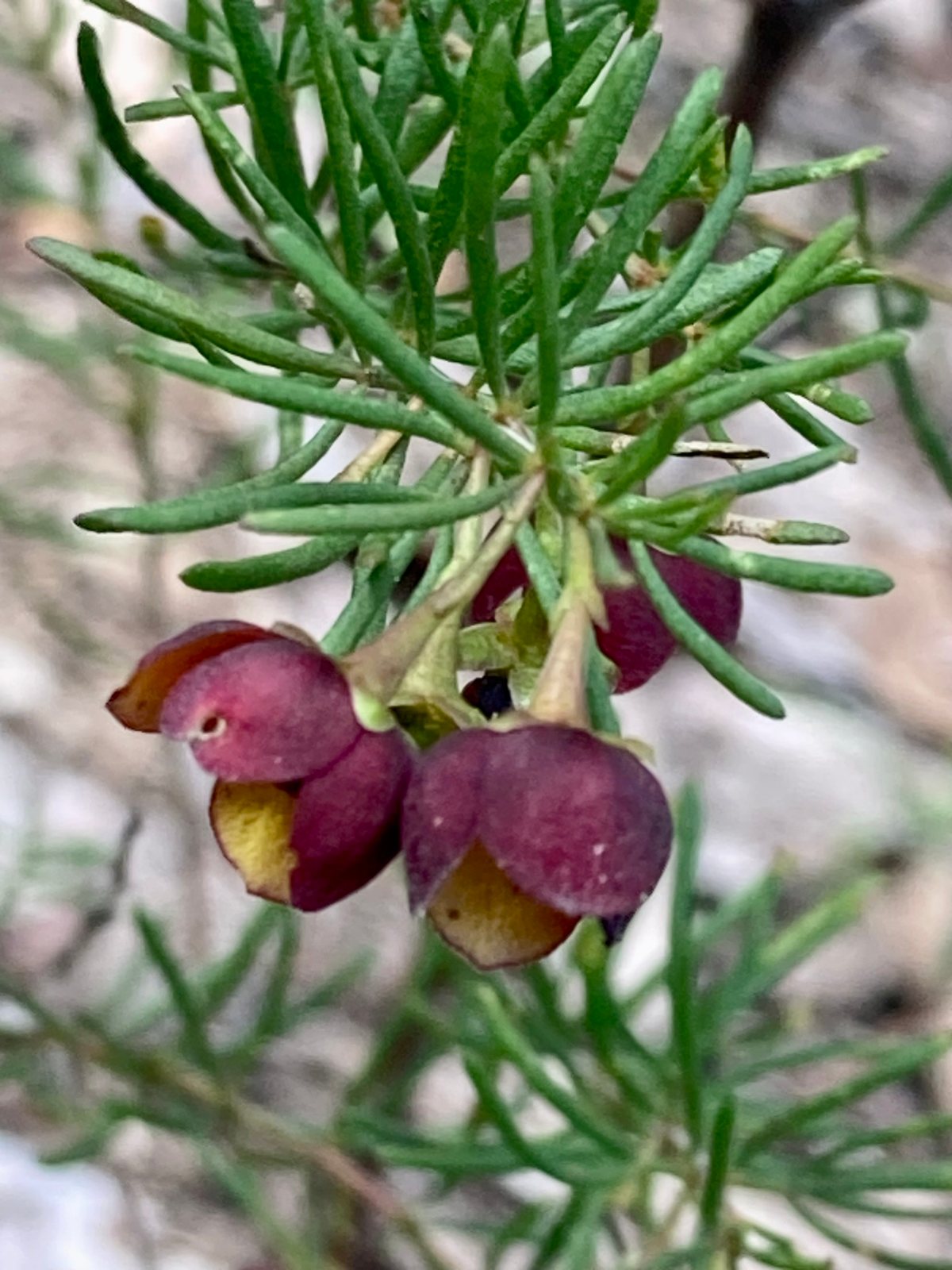
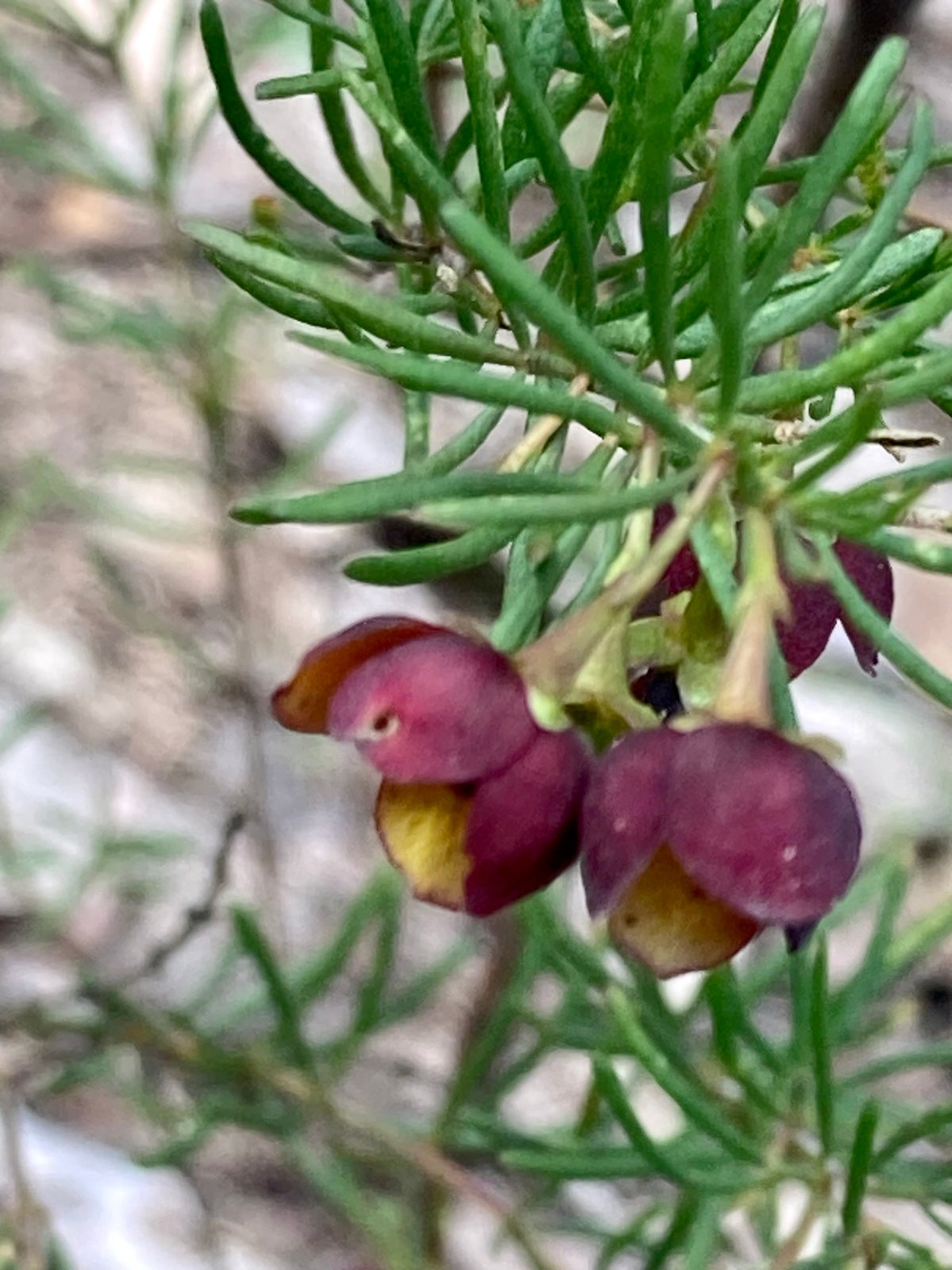
Brown boronia is a small evergreen shrub from southwestern Australia, grown for its strongly scented, bell-shaped flowers, usually brown outside and yellow inside. It suits sheltered beds and containers where the fragrance can be enjoyed close up, but needs cool roots, reliable moisture and excellent drainage. It is often short-lived in gardens, especially where summers are hot and humid.
At a glance
- Sun
- Light partial shade or gentle morning sun; shelter from hot afternoon sun, drying winds and frost.
- Water
- Keep the root zone evenly moist but never waterlogged. Do not let container plants dry out completely.
- Soil
- Acidic, humus-rich soil with excellent drainage; avoid lime and heavy, wet clay. Use an acidic, free-draining potting mix in containers.
- Height
- 3-6 ft (0.9-1.8 m)
- Spread
- 2-3 ft (0.6-0.9 m)
- Flowers
- Late winter to spring; small, fragrant, nodding bells, usually chocolate-brown or purplish-brown outside and yellow inside.
- Foliage
- Evergreen. Fine, aromatic green leaves, usually divided into three narrow leaflets.
- Growth
- Moderate
- Care needed
- High
The year at a glance
- Low allergen
- Fragrant
| J | F | M | A | M | J | J | A | S | O | N | D | |
|---|---|---|---|---|---|---|---|---|---|---|---|---|
| Flowers | ||||||||||||
| Plant |
Northern hemisphere months. In Australia, shift them by six.
- Difficulty
- Hard
- Toughness
- Needs looking after
Will it suit your garden?
Pick your zone, country, light and whether you have pets.
Full sun is 6 or more hours of direct sun a day, part shade 3 to 6 hours, shade under 3.
How it grows
Planting day
1.6 ft (0.5 m)
After 1 year
2.2 ft (0.67 m)
After 2 years
2.8 ft (0.84 m)
After 3 years
3 ft (1 m)
After 5 years
4 ft (1.4 m)
full size
About 5 years to full size.
From a typical nursery size, at an average rate for this kind of plant. A rule of thumb, not a forecast.
Good to know
- Cats and dogs
- Safe
- Native to
- Australia
- Growth rate
- Moderate
Care
Jobs through the year
- WaterMar–May, Sep–Oct, every 7 days
- Keep established roots evenly moist, not wet; containers and young plants need more frequent checks.
- WaterJun–Aug, every 3 days
- Water before roots dry out; check containers daily in warm weather and ensure free drainage.
- WaterJan–Feb, Nov–Dec, every 10 days
- In frost-free winter shelter, water before the root ball dries; avoid saturated compost.
- FeedApr–May
- After flowering, feed sparingly with a low-phosphorus Australian-native fertiliser.
- MulchApr–May
- Apply a light layer of leaf mould or fine bark without covering the stem base.
- PruneApr–May
- Lightly trim immediately after flowering; never cut into old, leafless wood.
- ProtectJan–Apr, Sep–Dec
- Unsuitable for outdoor winters here; keep containers bright, cool and frost-free.
- ProtectJun–Aug
- Shelter from hot afternoon sun and drying winds without disturbing shallow roots.
- Water before the root ball dries out, checking containers frequently during warm or windy weather.
- Mulch lightly with leaf mould or fine bark to keep roots cool; leave the stem base clear.
- Feed sparingly in spring with a low-phosphorus fertiliser suitable for Australian native plants.
- Avoid digging around the shallow roots or disturbing an established root ball.
- In frost-prone areas, grow in a container and move it into a bright, cool, frost-free place for winter.
Pruning. Lightly trim shoots immediately after flowering to maintain a compact shape. Avoid hard pruning into old, leafless wood, which may not regrow.
Through the year
- Spring
- Plant after frost risk has passed, keeping the root ball intact and watering it in thoroughly.
- After spring flowering
- Lightly trim flowering shoots and apply a modest dose of low-phosphorus fertiliser.
- Summer
- Check soil moisture frequently and protect plants from fierce afternoon sun.
- Late summer
- Take semi-ripe cuttings as replacements for ageing plants.
- Autumn
- Check container drainage and move tender plants under cover before frost.
- Winter
- Keep sheltered plants bright, cool and frost-free; water enough to prevent the root ball drying out.
In the garden
- Place a container beside a sheltered entrance or sitting area so the spring fragrance is easy to enjoy.
- Use in a lightly shaded Australian native shrub border with other plants needing acidic, well-drained soil.
- Plant near a path, backed by simple green foliage that lets the small flowers be seen close up.
- Combine with fine-textured sedges and small ferns in a sheltered courtyard with compatible moisture conditions.
Garden styles it suits: Australian native, Sensory garden, Modern courtyard, Small-space, Woodland and Cottage garden.
Plant it with: Native violet, Coral pea, Crowea, Waxflower and Soft tree fern.
Wildlife: Flowers can be visited by insects, although their strong scent does not make this a dependable general-purpose nectar plant. The evergreen growth provides modest cover for small garden animals.
Problems to watch for
- Root rot and sudden collapse: avoid waterlogged soil, keep drainage holes clear and never leave pots standing in water.
- Wilting or death after drying out: water consistently and shade the root zone; severely dried plants may not recover.
- Yellow leaves in alkaline soil: use acidic soil or potting mix and avoid lime; investigate drainage before adding fertiliser.
- Red spider mites under cover: inspect leaf undersides during warm weather and use a labelled insecticidal soap if needed.
Safety
Not known to be toxic to people, cats, dogs or horses, but species-specific safety information is limited. Do not treat the leaves or flowers as edible.
Easily confused with
Red boronia (Boronia heterophylla)
Usually has conspicuous pink to reddish bells rather than brown-and-yellow flowers; its floral scent is generally much less pronounced.
Sydney boronia (Boronia ledifolia)
Has open, star-shaped pink flowers rather than nodding brown bells, and its foliage is noticeably hairy.
The name
Boronia honours botanical collector Francesco Borone, while megastigma means 'large stigma' and refers to part of the flower.
Propagation. Take semi-ripe cuttings in late summer and root them in a clean, free-draining medium with gentle humidity. Rooting can be unreliable; seed germination is difficult and is not usually the easiest home method.
Checked against open data
- Accepted botanical name
- Boronia megastigma
- Native range
- Western Australia.
Sources: GBIF (CC BY 4.0) and Trefle (CC BY 4.0). The care and design notes are LandscapeGPT's own.
See it in your own yard.
Upload a photo of your yard and see it redesigned with plants that suit your climate, each checked against your zone.