Soft tree fern
Dicksonia antarctica. Family Dicksoniaceae. Fern.
Also called Tasmanian tree fern, Australian tree fern, Man fern.
This slow-growing Australian tree fern forms a thick, fibrous trunk topped by a broad crown of arching fronds. Gardeners grow it for its woodland character and strong silhouette in sheltered, humid shade; it needs regular moisture and protection from hard frost.
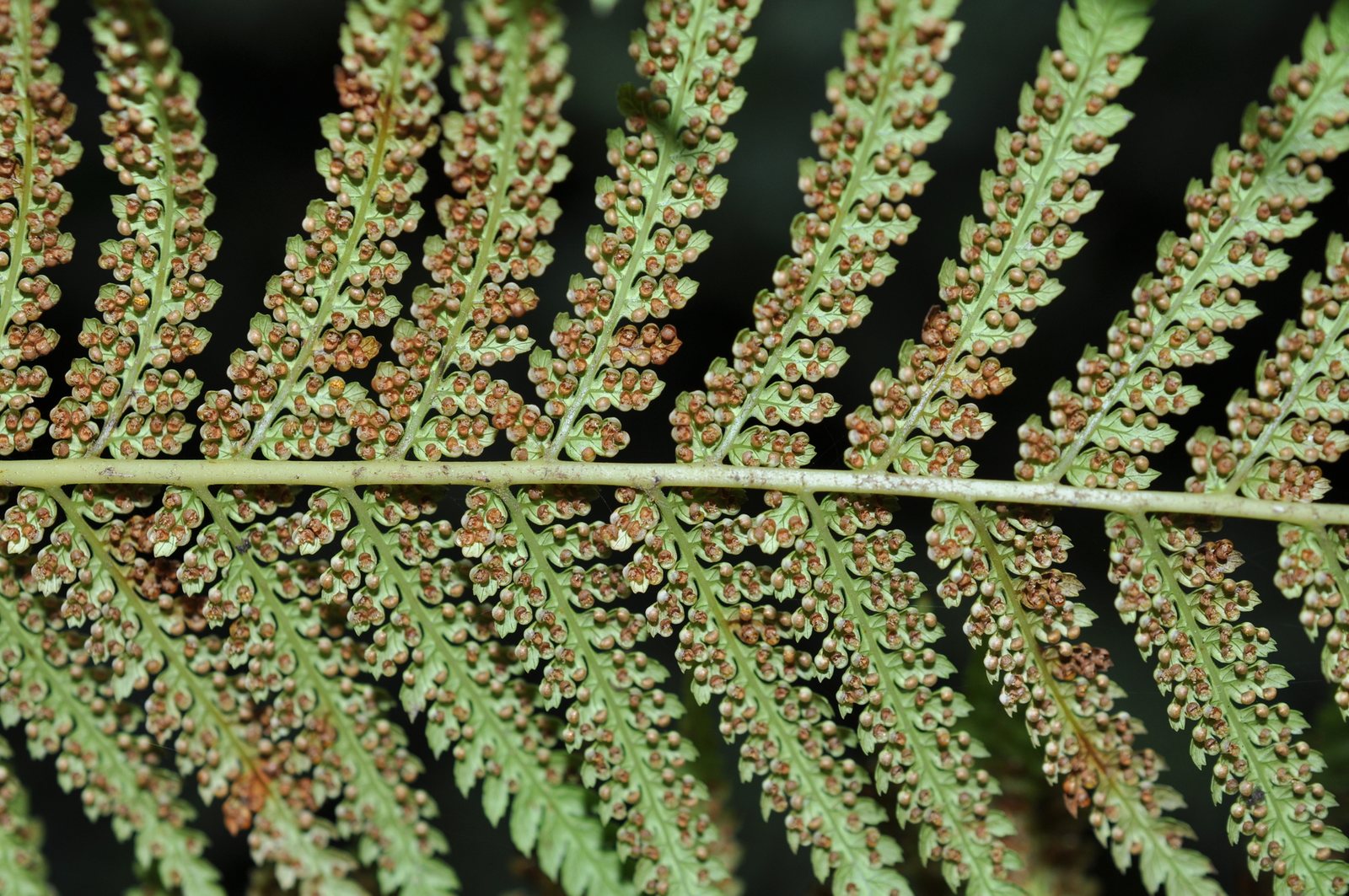

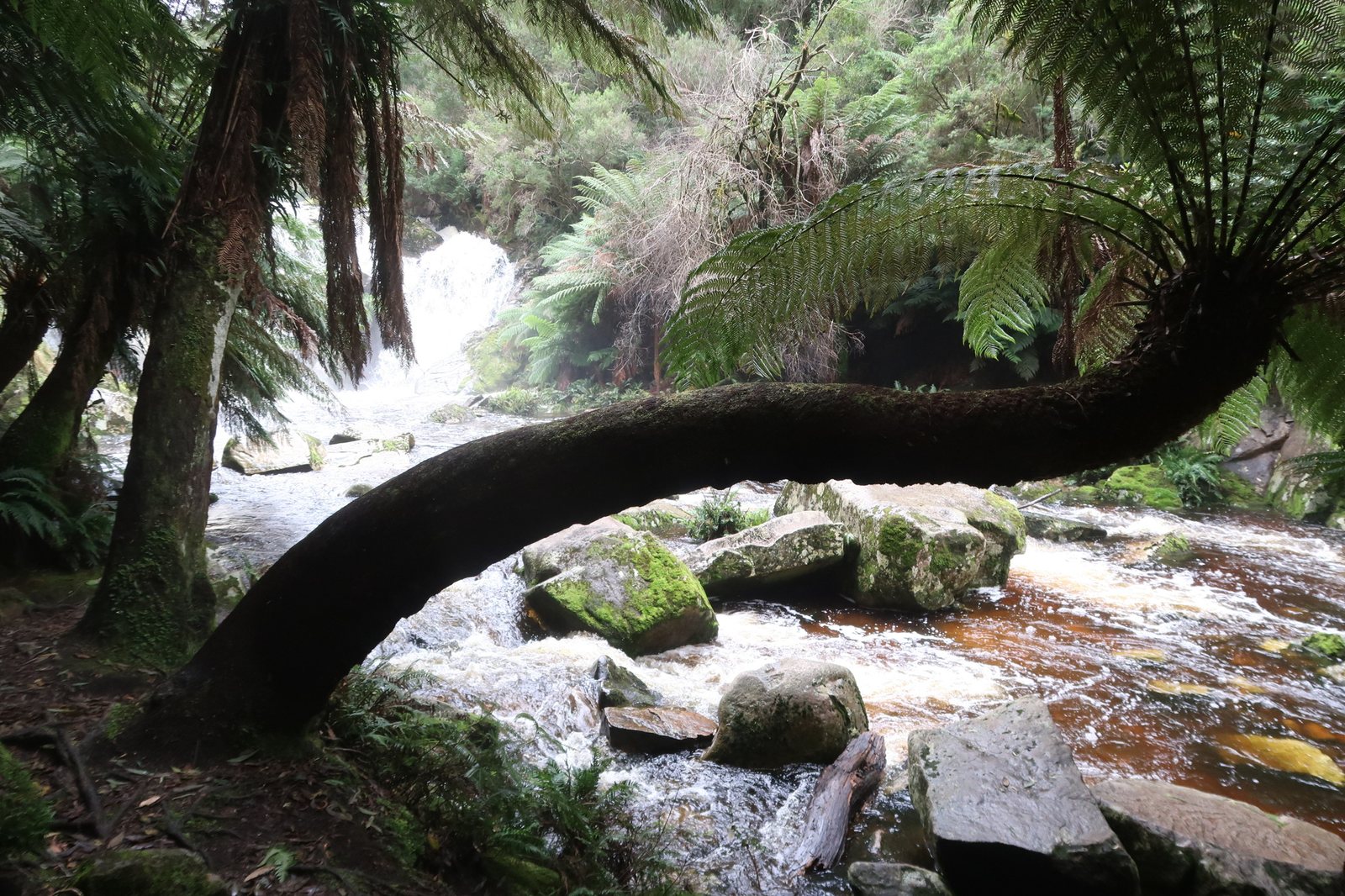
At a glance
- Sun
- Partial shade or bright, filtered shade; protect from hot afternoon sun and drying winds.
- Water
- Keep the root zone consistently moist but not waterlogged. In warm weather, also wet the fibrous trunk and crown, especially on newly planted specimens.
- Soil
- Humus-rich, moisture-retentive soil with good drainage; acidic to neutral soil is best.
- Height
- 12-20 ft (3.7-6 m) in gardens over many decades; taller in its native habitat.
- Spread
- 8-13 ft (2.4-4 m)
- Foliage
- Evergreen. Large, finely divided, arching green fronds, often 6-10 ft (1.8-3 m) long, above a trunk clothed in reddish-brown fibres and roots.
- Growth
- Slow; an established trunk usually gains only a few centimetres each year.
- Care needed
- Medium
The year at a glance
- Deer resistant
- Wildlife
- Low allergen
| J | F | M | A | M | J | J | A | S | O | N | D | |
|---|---|---|---|---|---|---|---|---|---|---|---|---|
| Plant |
Northern hemisphere months. In Australia, shift them by six.
- Difficulty
- Hard
- Toughness
- Needs looking after
Will it suit your garden?
Pick your zone, country, light and whether you have pets.
Full sun is 6 or more hours of direct sun a day, part shade 3 to 6 hours, shade under 3.
How it grows
Planting day
1.9 ft (0.58 m)
After 1 year
5 ft (1.5 m)
After 2 years
8 ft (2.4 m)
After 3 years
11 ft (3.2 m)
After 5 years
16 ft (4.9 m)
full size
About 5 years to full size.
From a typical nursery size, at an average rate for this kind of plant. A rule of thumb, not a forecast.
Good to know
- Cats and dogs
- Safe
- Growth rate
- Slow
Care
Jobs through the year
- WaterApr–May, Sep–Oct, every 7 days
- Keep established root zones moist; newly planted trunks need more frequent watering.
- WaterJun–Aug, every 2 days
- Water established plants as needed to maintain moisture; wet the trunk and crown in warm, dry weather.
- WaterJan–Mar, Nov–Dec, every 14 days
- Check soil and water only if drying and unfrozen; avoid saturating cold soil or the crown.
- FeedMay–Aug, every 30 days
- Apply half-strength balanced liquid feed to established plants in active growth.
- MulchApr
- Spread leaf mould or compost over roots, keeping the trunk base clear.
- PruneApr–May
- Remove fully brown fronds at their bases; never cut the growing tip.
- ProtectJan–Apr, Oct–Dec
- Insulate the crown before frost; severe freezes require a frost-free shelter, especially in zone 6–7.
- Water deeply during dry spells; newly planted trunks need especially close attention until roots establish.
- Wet the trunk and crown in warm, dry weather, but avoid leaving water pooled in the crown during freezing weather.
- Apply a balanced liquid fertiliser at half strength monthly during active growth to established plants.
- Mulch the root zone with leaf mould or compost, keeping the trunk base clear of a thick, wet heap.
- Shelter from strong wind and allow enough room for the full spread of the fronds.
- Before frost, loosely insulate the crown with dry straw and breathable fleece; remove protection when mild weather returns.
Pruning. In spring, cut off fully brown or frost-killed fronds close to their bases without cutting into the trunk or crown. Leave healthy green fronds in place, and never cut back the growing tip.
Through the year
- Spring
- Remove winter protection gradually and check the crown for emerging fronds.
- Spring
- Remove dead fronds, refresh the mulch and plant new specimens after the risk of hard frost has passed.
- Late spring
- Begin dilute feeding once new growth is active.
- Summer
- Check moisture frequently and water the soil, trunk and crown during dry weather.
- Autumn
- Stop feeding and prepare breathable frost protection.
- Winter
- Protect the crown during frost and keep the root zone from drying out without saturating cold soil.
In the garden
- Use as a focal point in a sheltered woodland garden, with lower ferns beneath it.
- Place in a shaded courtyard where the trunk and spreading crown create a strong architectural shape.
- Combine with hostas and other broad-leaved shade plants for contrasting foliage textures.
- Plant beside a shaded path or seating area where its crown can spread overhead without obstructing access.
Garden styles it suits: Woodland, Architectural minimal, Modern tropical, Australian native, Secret garden and Green on green.
Plant it with: Hostas, Soft shield fern, Hart's tongue fern, Japanese painted fern, Bergenias and Astilbes.
Wildlife: The fibrous trunk can support mosses and provide shelter for small invertebrates. As a fern, it produces no nectar or pollen for pollinating insects.
Problems to watch for
- Brown, crisp fronds usually indicate dry soil, low humidity or hot wind: water thoroughly and provide shade and shelter.
- Frost can kill fronds and damage the growing point: protect the crown before freezing weather and avoid removing damaged fronds until spring.
- Crown or root rot can follow stagnant, waterlogged conditions: improve drainage and avoid persistent saturation, especially in cold weather.
- Slugs and snails may damage emerging croziers: inspect new growth and use hand-picking or locally approved controls.
Safety
Not known to be toxic to cats, dogs, horses or people, and no part is recognised as a significant poisoning hazard. Species-specific safety information is limited; do not treat the fronds, trunk or spores as food.
Easily confused with
Rough tree fern (Cyathea australis)
Its frond stalk bases are rough and scaly, often with prickles; soft tree fern has softer, hairy stalk bases and a densely fibrous trunk.
Wheki (Dicksonia squarrosa)
Usually has a slimmer, dark trunk, dark wiry frond stalks and a smaller crown; it often produces shoots around the base, unlike the normally single-trunked soft tree fern.
The name
Dicksonia honours Scottish botanist James Dickson, while antarctica refers to its southern origin rather than to the continent of Antarctica.
Propagation. Propagate from spores under warm, humid, clean conditions; raising a trunked plant takes many years. This species does not normally produce offsets for division. Buy nursery-propagated or legally sourced plants rather than wild-collected trunks.
Checked against open data
- Accepted botanical name
- Dicksonia antarctica
Sources: GBIF (CC BY 4.0). The care and design notes are LandscapeGPT's own.
See it in your own yard.
Upload a photo of your yard and see it redesigned with plants that suit your climate, each checked against your zone.