Burkwood viburnum
Viburnum × burkwoodii. Family Viburnaceae. Shrub.
Also called Burkwood's viburnum.
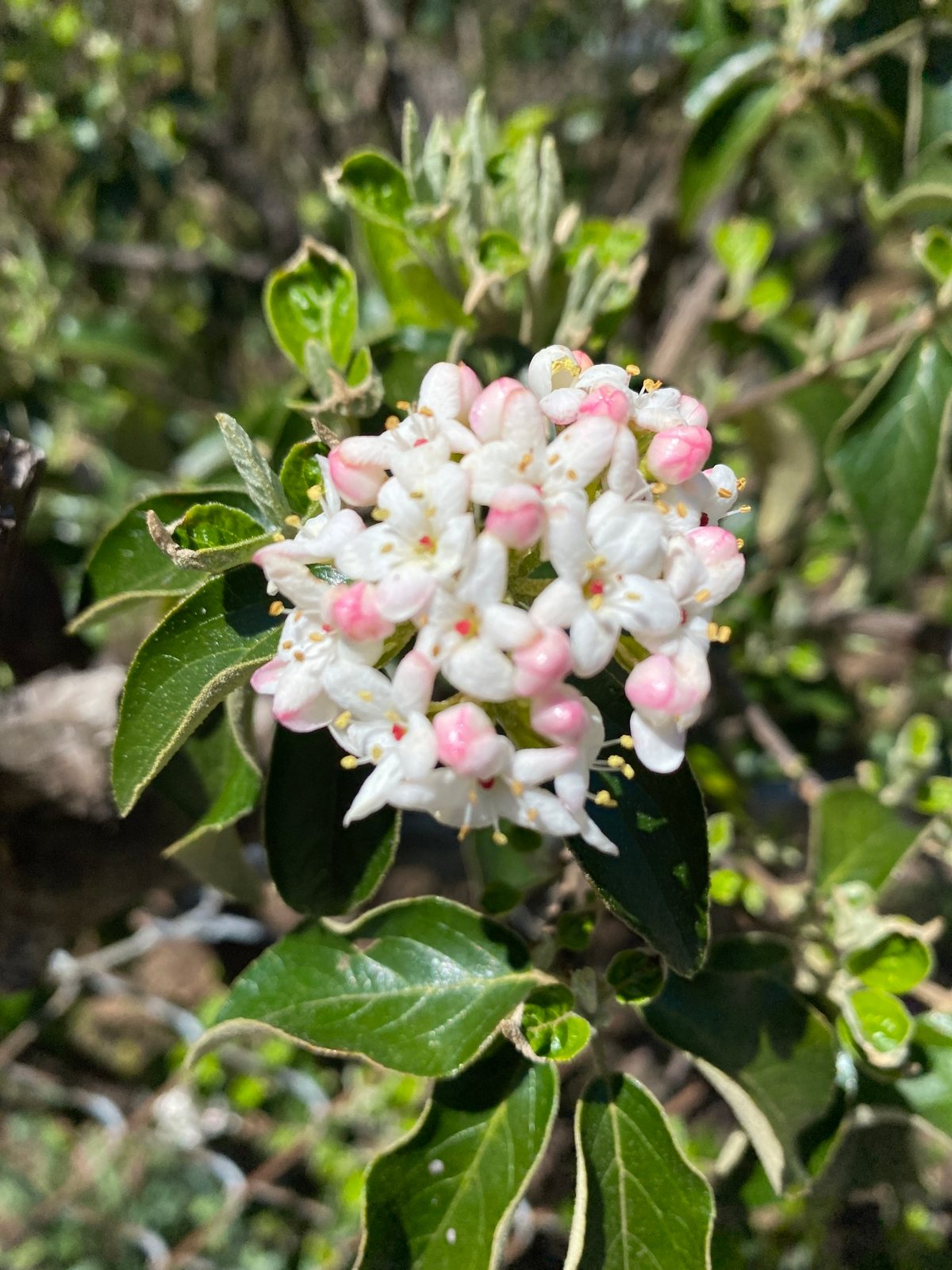
Burkwood viburnum is a rounded shrub grown for its strongly fragrant spring flowers, which open white from pink buds. Its glossy leaves remain through winter in mild climates but fall in colder areas; occasional red fruits ripen to black.
At a glance
- Sun
- Full sun to partial shade; flowering is best with at least 4-6 hours of direct sun.
- Water
- Moderate; keep the root zone evenly moist while establishing, then water deeply during prolonged dry spells.
- Soil
- Well-drained soil enriched with organic matter; tolerates clay, loam, sand and a broad pH range, provided the roots do not remain waterlogged.
- Height
- 6-10 ft (1.8-3 m)
- Spread
- 6-10 ft (1.8-3 m)
- Flowers
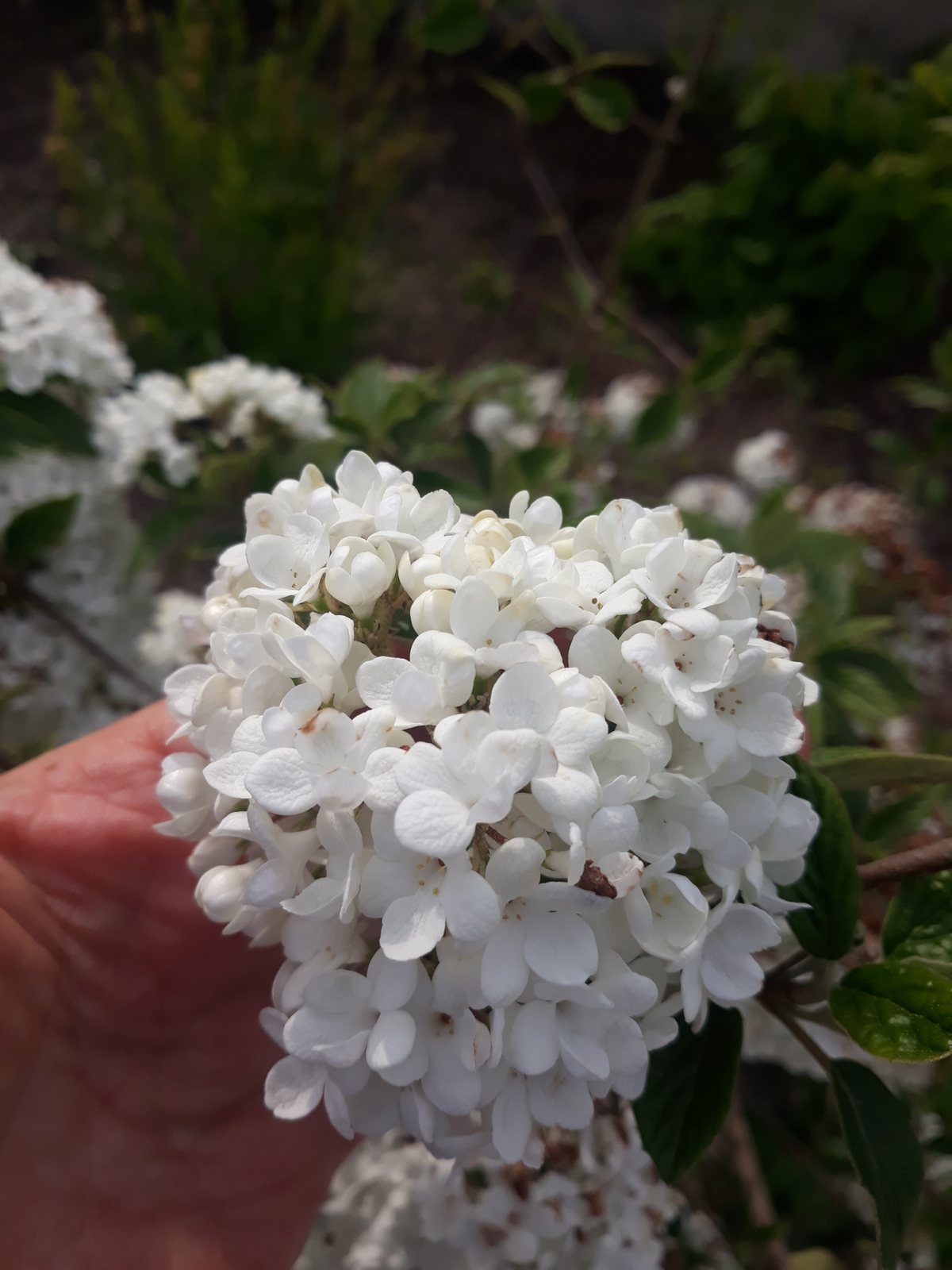
- Early to mid-spring; rounded clusters of fragrant white flowers opening from pink buds.
- Foliage
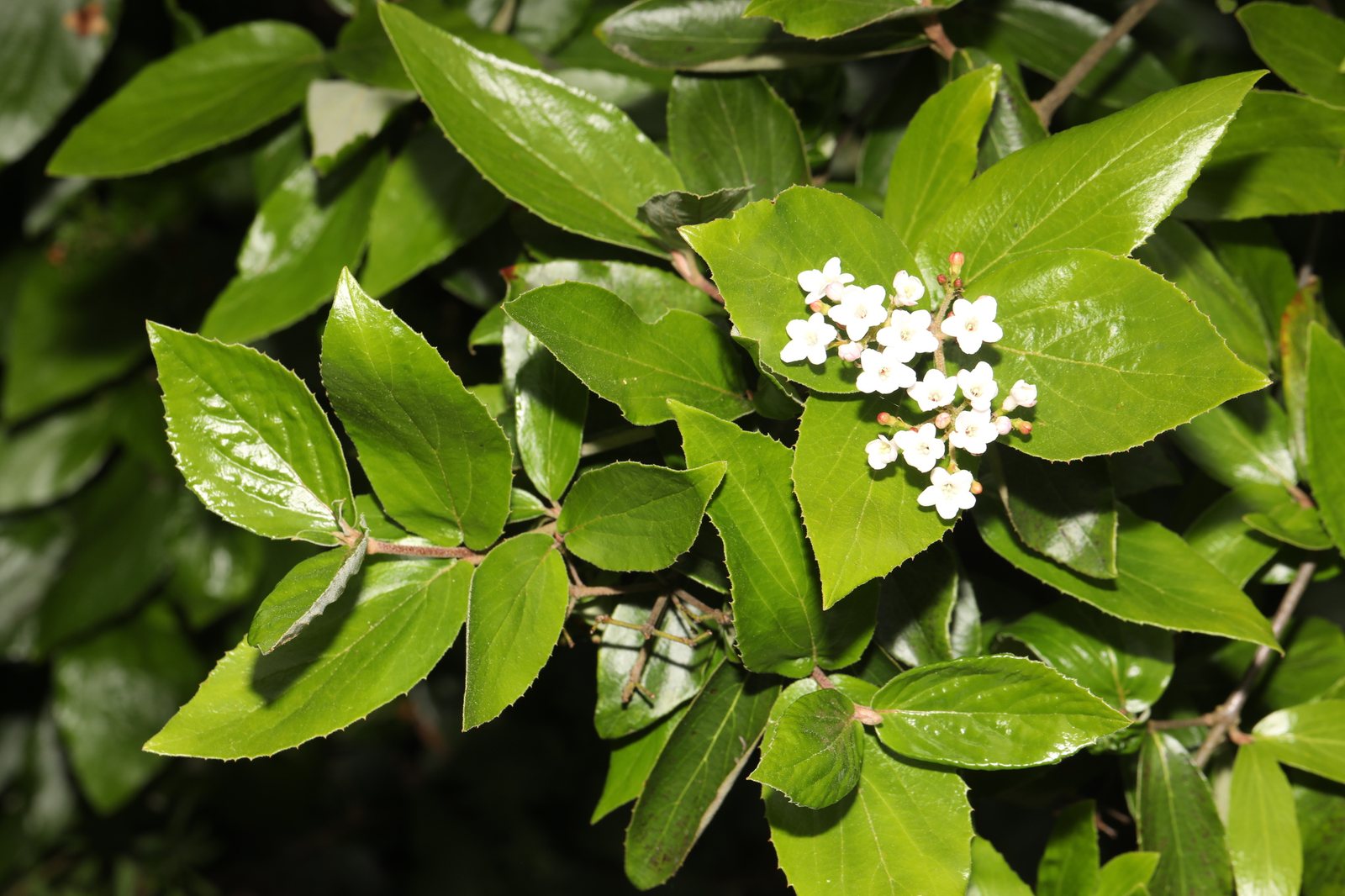
- Opposite, oval, glossy dark-green leaves with paler undersides; sometimes burgundy or purple in autumn. Semi-evergreen in mild climates and deciduous in cold winters.
- Growth
- Moderate
- Care needed
- Low
The year at a glance
- Pollinators
- Wildlife
- Low allergen
- Fragrant
| J | F | M | A | M | J | J | A | S | O | N | D | |
|---|---|---|---|---|---|---|---|---|---|---|---|---|
| Flowers | ||||||||||||
| Fruit | ||||||||||||
| Plant |
Northern hemisphere months. In Australia, shift them by six.
- Difficulty
- Easy
- Toughness
- Fairly tough
Will it suit your garden?
Pick your zone, country, light and whether you have pets.
Full sun is 6 or more hours of direct sun a day, part shade 3 to 6 hours, shade under 3.
How it grows
Planting day
1.6 ft (0.5 m)
After 1 year
2.9 ft (0.88 m)
After 2 years
4 ft (1.3 m)
After 3 years
5 ft (1.6 m)
After 5 years
8 ft (2.4 m)
full size
About 5 years to full size.
From a typical nursery size, at an average rate for this kind of plant. A rule of thumb, not a forecast.
Good to know
- Cats and dogs
- Mildly toxic: may upset a stomach
- Growth rate
- Moderate
Care
Jobs through the year
- WaterApr–May, Sep–Oct, every 14 days
- Water established shrubs deeply if dry; maintain steadier moisture during the first two growing seasons.
- WaterJun–Aug, every 7 days
- During prolonged dry weather, soak the root zone of established shrubs; skip after adequate rain.
- MulchMar
- Maintain 5–8 cm of organic mulch, keeping it away from stems.
- FeedMar–Apr
- Top-dress with compost; use shrub fertilizer only for poor soil or weak growth.
- PruneMay
- Just after flowering, remove crossing shoots or up to one-third of old stems if renewal is needed.
- ProtectApr–Jun, every 7 days
- Inspect leaf undersides for viburnum beetle larvae and remove them before damage becomes severe.
- Water deeply through the first two growing seasons whenever the soil begins to dry.
- Apply a 2-3 in (5-8 cm) layer of organic mulch, keeping it clear of the stems.
- Top-dress with compost in spring; use a general shrub fertilizer only if growth is weak or the soil is poor.
- Allow room for its mature width rather than keeping it small by frequent clipping.
- For a better chance of fruit, grow a genetically different, compatible viburnum that flowers at the same time; fruit set can still be variable.
Pruning. Prune just after flowering, shortening wayward shoots and removing dead, damaged or crossing branches. To renew an older shrub, remove up to one-third of the oldest stems at ground level rather than shearing the whole plant.
Through the year
- Early spring
- Top-dress with compost and renew mulch without covering the stem bases.
- Spring
- Check soft new growth for aphids and wash off small colonies with water.
- Late spring
- After flowering, prune only where needed to improve shape or remove old stems.
- Summer
- Water during prolonged dry weather, especially while the shrub is establishing.
- Summer
- Take semi-ripe cuttings from healthy, non-flowering shoots.
- Autumn
- Plant where winters are mild and soil drains freely; in cold regions, favour spring planting.
In the garden
- Place beside a path, entrance or seating area where you can enjoy the spring fragrance.
- Use in a mixed shrub border with hydrangeas and summer-flowering perennials to extend seasonal interest.
- Plant as an informal hedge or loose screen, allowing space for its rounded outline.
- Use at a bright woodland edge with hellebores, ferns and spring bulbs beneath it.
Garden styles it suits: English country, Cottage garden, Woodland, Sensory garden, Traditional and Low-maintenance.
Plant it with: Hellebores, Daffodils, Hardy geraniums, Hydrangeas, Japanese anemones and Male fern.
Wildlife: Flowers provide nectar and pollen for visiting insects. Birds may eat the fruits when these develop, and the branching offers shelter.
Problems to watch for
- Aphids can curl tender new leaves; wash off small colonies with a strong spray of water and encourage natural predators.
- Viburnum leaf beetle can cause chewed or skeletonized leaves where the pest occurs; inspect leaf undersides in spring, remove larvae and prune out egg-scarred twigs during dormancy.
- Powdery mildew may develop in crowded, dry or poorly ventilated positions; improve airflow and water the soil during drought rather than wetting the foliage.
- Poor drainage can cause root decline and dieback; redirect standing water or move the shrub to a better-drained site.
Safety
Not known to be toxic to cats, dogs, horses or people. The fruits are not intended for eating and may cause stomach upset if consumed in quantity.
Easily confused with
Koreanspice viburnum (Viburnum carlesii)
Also has fragrant white flowers opening from pink buds, but its leaves are usually duller and more softly hairy, and it is deciduous rather than semi-evergreen.
David viburnum (Viburnum davidii)
Forms a much lower, spreading evergreen shrub with three conspicuous veins running along each leathery leaf; its small flower clusters lack Burkwood viburnum's strong fragrance.
The name
The epithet burkwoodii commemorates the Burkwood nursery family, who raised this hybrid of Viburnum carlesii and Viburnum utile.
Propagation. Take semi-ripe cuttings in summer and root them in a moist, free-draining medium under humid conditions. Layering low branches is another option; seedlings do not reliably retain the hybrid's characteristics.
Checked against open data
- Accepted botanical name
- Viburnum burkwoodii
Sources: GBIF (CC BY 4.0). The care and design notes are LandscapeGPT's own.
See it in your own yard.
Upload a photo of your yard and see it redesigned with plants that suit your climate, each checked against your zone.