Burrawang
Macrozamia communis. Family Zamiaceae. Shrub.
Also called Common burrawang, Burrawang cycad.
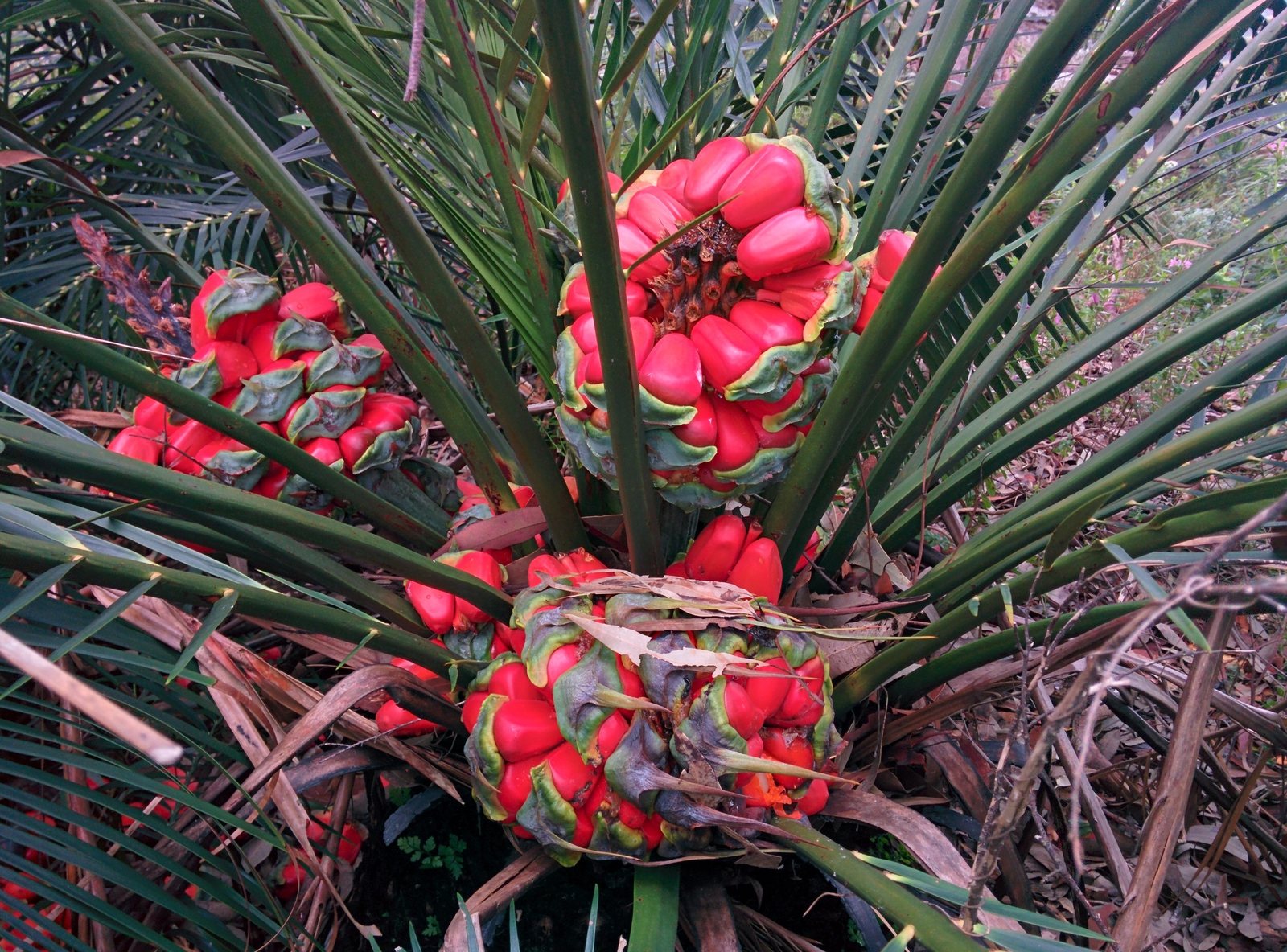
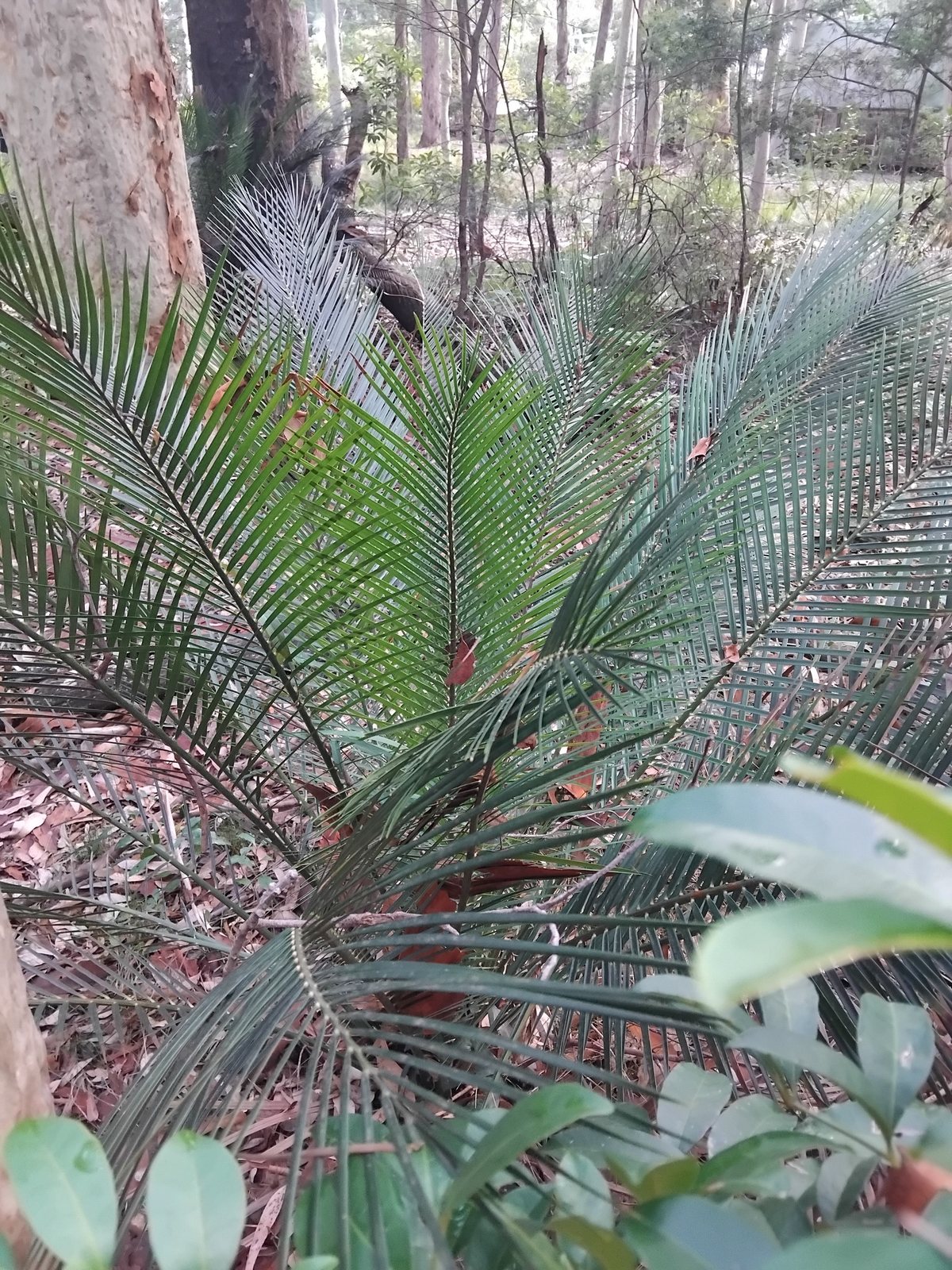
Burrawang is a slow-growing evergreen cycad native to eastern New South Wales, Australia, with arching, palm-like leaves rising from a mostly underground trunk. Gardeners grow it for its strong foliage shape in woodland gardens, sheltered borders and large containers. It needs excellent drainage, and its highly poisonous seeds make careful placement essential.
At a glance
- Sun
- Full sun to partial shade; light woodland shade suits it well. Acclimatise shade-grown plants gradually before exposing them to strong sun.
- Water
- Water regularly while establishing, allowing the soil surface to dry between waterings. Established plants tolerate dry periods but should not sit in wet soil.
- Soil
- Well-drained sandy or loamy soil, preferably acidic to neutral; avoid waterlogged ground and compacted clay.
- Height
- 3-6 ft (0.9-1.8 m)
- Spread
- 6-10 ft (1.8-3 m)
- Foliage
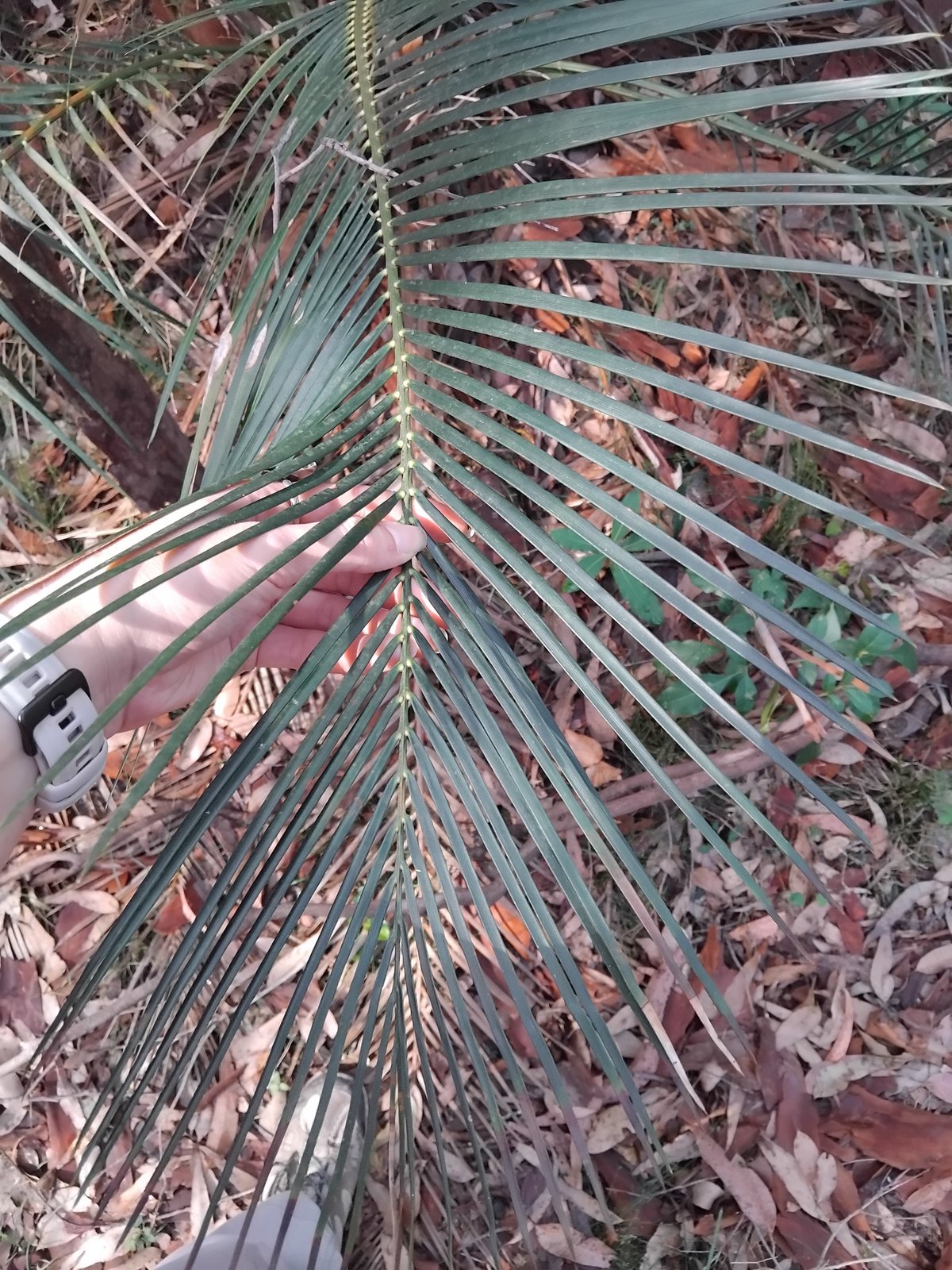
- Evergreen. Long, arching, dark green leaves divided into many narrow, pointed leaflets; young growth is softer and lighter green.
- Growth
- Slow; new leaves appear in occasional flushes, and mature specimens take many years to develop.
- Care needed
- Low
The year at a glance
- Drought tolerant
- Heat tolerant
| J | F | M | A | M | J | J | A | S | O | N | D | |
|---|---|---|---|---|---|---|---|---|---|---|---|---|
| Plant |
Northern hemisphere months. In Australia, shift them by six.
- Difficulty
- Moderate
- Toughness
- Fairly tough
Will it suit your garden?
Pick your zone, country, light and whether you have pets.
Full sun is 6 or more hours of direct sun a day, part shade 3 to 6 hours, shade under 3.
How it grows
Planting day
1.6 ft (0.5 m)
After 1 year
2 ft (0.61 m)
After 2 years
2.3 ft (0.71 m)
After 3 years
2.7 ft (0.82 m)
After 5 years
3 ft (1 m)
About 8 years to full size.
From a typical nursery size, at an average rate for this kind of plant. A rule of thumb, not a forecast.
Good to know
- Cats and dogs
- Toxic
- Native to
- Australia
- Growth rate
- Slow
Care
Jobs through the year
- WaterApr–May, Sep–Oct, every 21 days
- Water established ground plants only if dry; young plants and containers need closer monitoring.
- WaterJun–Aug, every 14 days
- During prolonged dry weather, soak established ground plants and let the surface dry between waterings.
- WaterJan–Mar, Nov–Dec, every 21 days
- Check frost-free pots and water sparingly only as compost dries; never leave standing water.
- FeedApr–May
- Apply a light dressing of slow-release fertiliser; avoid heavy feeding.
- MulchMay
- Renew mulch around the roots, keeping the crown and leaf bases clear.
- PruneMar–Apr
- With gloves, remove fully dead or damaged leaves at their bases without injuring the growing point.
- ProtectJan–May, Sep–Dec
- Use a container in this climate and overwinter bright and frost-free; collect any highly poisonous fallen seeds.
- Water deeply during establishment, then reduce watering as roots develop; keep containers freely draining.
- Plant with the crown at its original depth and keep soil and mulch away from the crown.
- Apply a light dressing of slow-release fertiliser in spring; avoid heavy feeding.
- Mulch the surrounding soil to conserve moisture without burying the plant's base.
- Protect young foliage from frost; in colder climates, overwinter container plants in a bright, frost-free place.
- Wear gloves when handling foliage and promptly collect fallen seeds where children or animals could reach them.
Pruning. Remove fully brown or damaged leaves at their bases in late winter or spring using clean, sharp tools. Keep healthy green leaves, and never cut into the central growing point.
Through the year
- Spring
- Plant or repot as temperatures rise, disturbing the roots as little as possible.
- Spring
- Apply a light feed and renew mulch, keeping the crown clear.
- Summer
- Check soil moisture during dry spells, especially for young plants and containers.
- Summer
- Inspect leaf undersides for scale insects and protect emerging leaves from damage.
- Autumn
- Collect any shed seeds and move container plants under cover before damaging frost.
- Winter
- Reduce watering in cool conditions and check that rainwater drains away from the crown.
In the garden
- Use as a sculptural focal point beneath an open tree canopy, with low groundcovers around its base.
- Combine with lomandra, flax lilies and grass trees in an Australian native planting.
- Grow in a large, well-drained container for a sheltered courtyard, allowing space for the arching leaves.
- Repeat through a spacious woodland border to provide evergreen structure and contrasting leaf texture.
Garden styles it suits: Australian native, Architectural minimal, Woodland, Modern tropical, Modern courtyard and Green on green.
Plant it with: Lomandra, Flax lily, Kangaroo fern, Grass tree and Coastal rosemary.
Wildlife: In its native habitat, cones support specialised insect pollinators, including weevils. Do not encourage animals to eat the seeds; their toxicity remains a serious garden hazard.
Problems to watch for
- Root or crown rot: prevent standing water, keep the crown unburied and use a freely draining potting mix in containers.
- Scale insects: inspect leaf undersides, remove small infestations by hand and use a labelled horticultural oil if needed, avoiding hot weather and tender new growth.
- Frost scorch: shelter plants from cold winds and protect during freezes; leave partly green leaves until the risk of frost has passed.
- Sun scorch after moving: introduce shade-grown plants to stronger light gradually rather than placing them directly in hot sun.
Safety
Highly toxic to people, cats, dogs and horses. All parts should be treated as poisonous, especially the seeds, which can cause severe liver damage, neurological illness and death if swallowed. Seek urgent medical or veterinary help after suspected ingestion; do not attempt home processing to make seeds edible.
Easily confused with
Sago palm (Cycas revoluta)
Sago palm has a more rigid, tightly arranged crown and narrow leaflets with noticeably rolled-under margins; burrawang leaves are generally longer and more arching, with flatter leaflets.
Coontie (Zamia integrifolia)
Coontie has shorter leaves with fewer, broader, usually blunt-ended leaflets; burrawang has many long, narrow, pointed leaflets.
The name
Macrozamia combines the Greek makros, meaning large, with the cycad genus name Zamia, while communis is Latin for common.
Propagation. Usually raised from fresh, mature seed by specialist growers. Plants are either male or female, and viable seed requires pollination; germination and subsequent growth can be slow.
Checked against open data
- Accepted botanical name
- Macrozamia communis
- Native range
- New South Wales.
- Measured
- Average height 210 cm.
Sources: GBIF (CC BY 4.0) and Trefle (CC BY 4.0). The care and design notes are LandscapeGPT's own.
See it in your own yard.
Upload a photo of your yard and see it redesigned with plants that suit your climate, each checked against your zone.