Caraway
Carum carvi. Family Apiaceae. Perennial.
Also called Persian cumin.
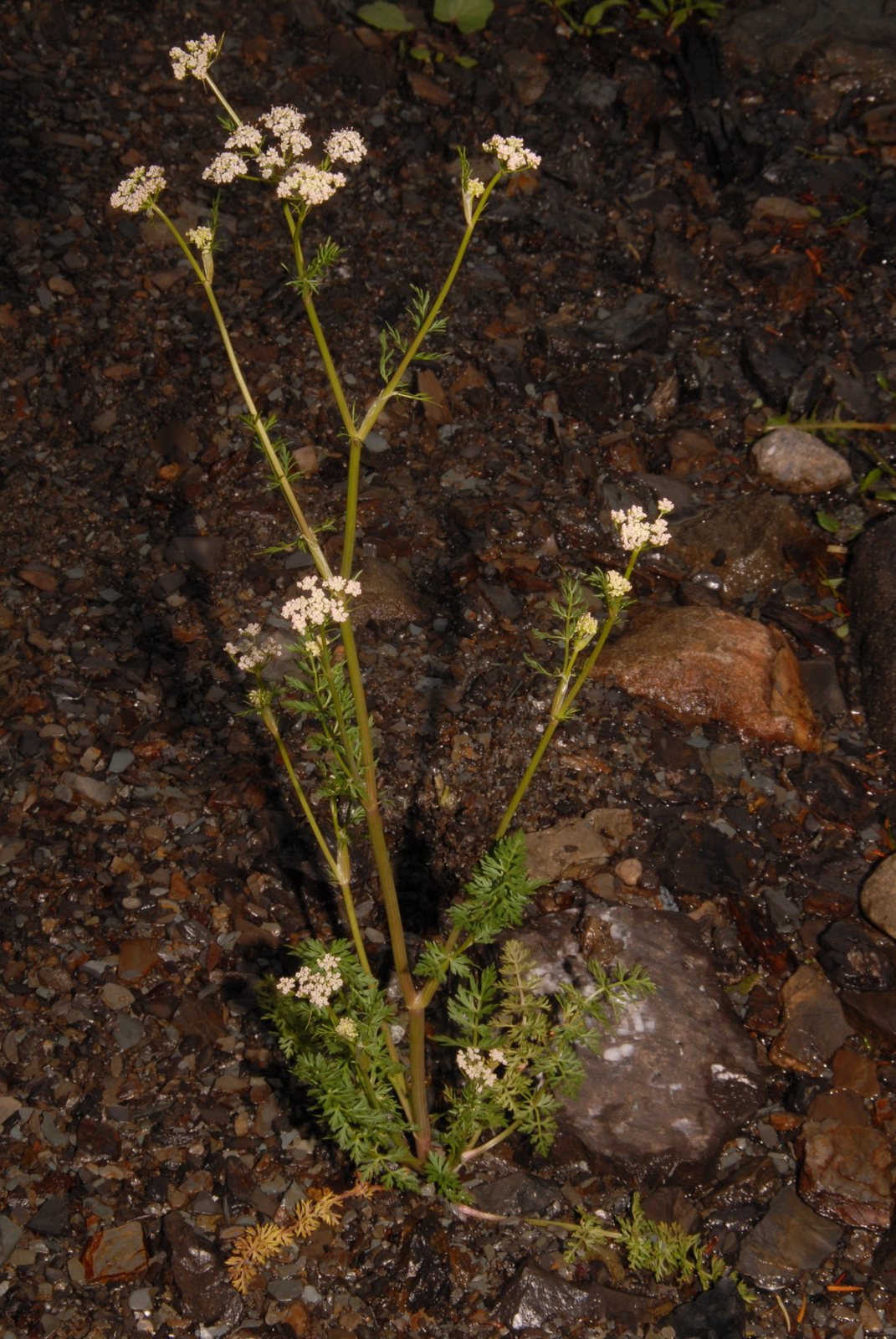
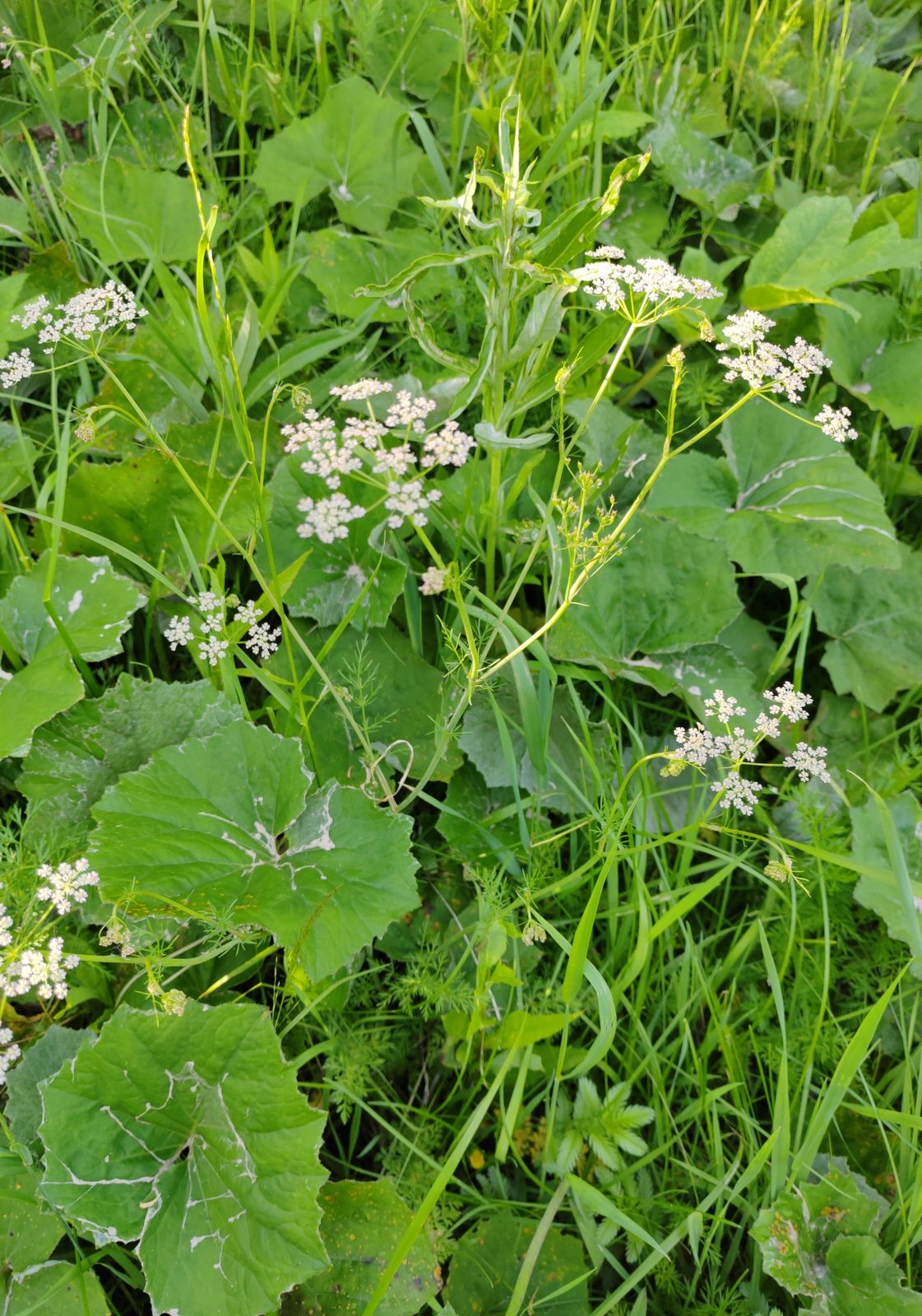
Caraway is usually a biennial culinary herb, forming a leafy rosette in its first year and flowering and setting seed in its second. Gardeners grow it for its aromatic seeds, edible young leaves and roots, and airy white flowers that attract beneficial insects.
At a glance
- Sun
- Full sun; tolerates light shade but produces fewer seeds.
- Water
- Moderate; keep seedlings evenly moist, then water established plants during prolonged dry weather.
- Soil
- Well-drained loam or sandy loam, preferably neutral to slightly alkaline; avoid waterlogged ground.
- Height
- 1.5-3 ft (0.45-0.9 m)
- Spread
- 0.75-1.5 ft (0.23-0.45 m)
- Flowers
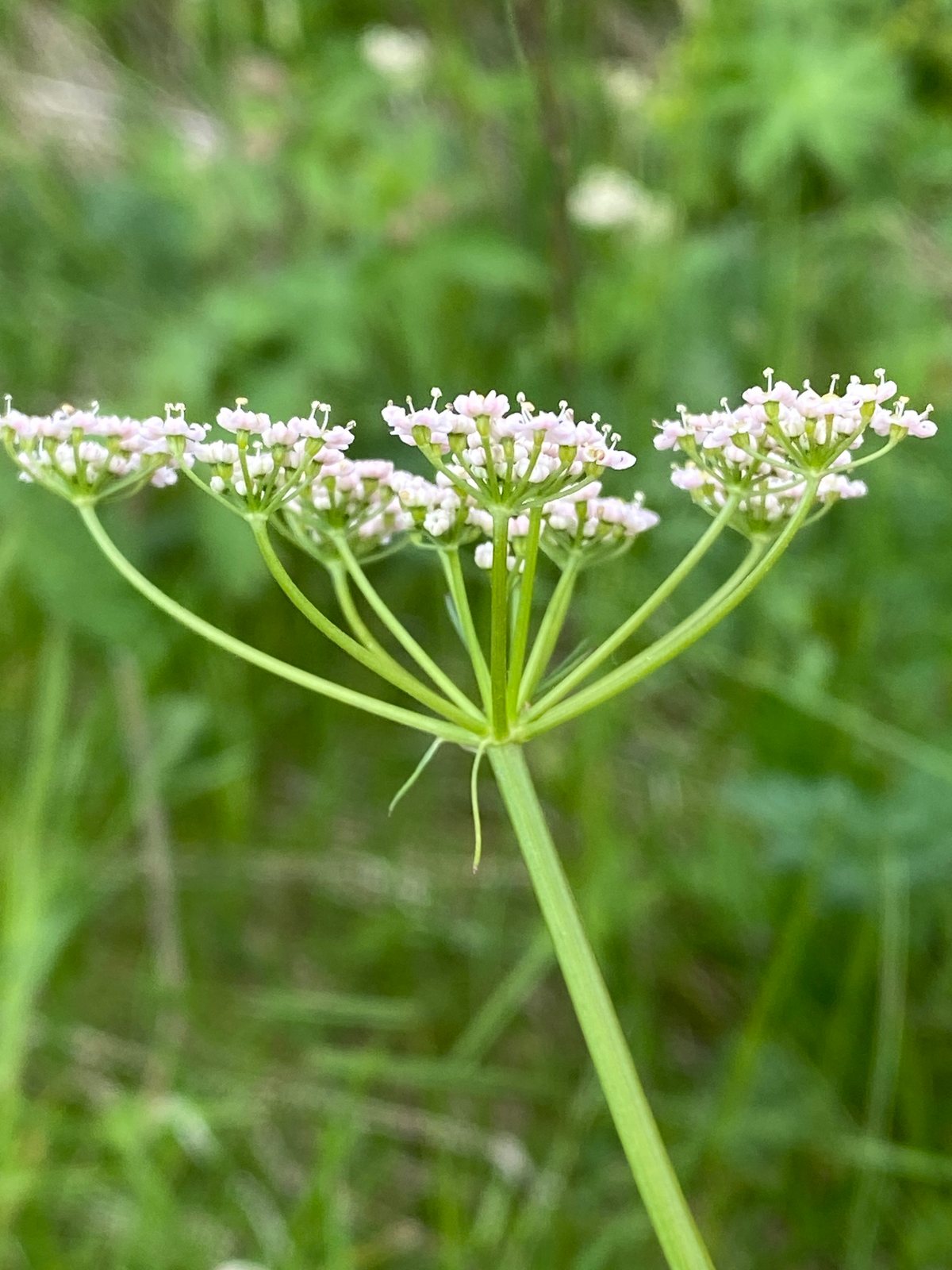
- Late spring to midsummer, usually in the second year; small white, occasionally pink-tinged flowers in flat-topped umbels.
- Foliage
- Fine, bright green, deeply divided leaves with a feathery appearance; first-year plants form a low rosette.
- Growth
- Moderate; usually flowers and sets seed in its second growing season.
- Care needed
- Low
The year at a glance
- Pollinators
- Cold hardy
- Wildlife
- Low allergen
- Edible
| J | F | M | A | M | J | J | A | S | O | N | D | |
|---|---|---|---|---|---|---|---|---|---|---|---|---|
| Flowers | ||||||||||||
| Fruit | ||||||||||||
| Plant |
Northern hemisphere months. In Australia, shift them by six.
- Difficulty
- Easy
- Toughness
- Fairly tough
Will it suit your garden?
Pick your zone, country, light and whether you have pets.
Full sun is 6 or more hours of direct sun a day, part shade 3 to 6 hours, shade under 3.
How it grows
Planting day
1 ft (0.3 m)
After 1 year
1.4 ft (0.43 m)
After 2 years
1.8 ft (0.55 m)
After 3 years
2.2 ft (0.68 m)
full size
About 3 years to full size.
From a typical nursery size, at an average rate for this kind of plant. A rule of thumb, not a forecast.
Good to know
- Cats and dogs
- Toxic
- Invasive in
- the US and Canada
- In the garden
- Spreads vigorously: plan to contain it.
- Growth rate
- Moderate
Care
Jobs through the year
- WaterMar–May, Sep, every 14 days
- Water established plants if dry; keep newly sown seedbeds and seedlings evenly moist.
- WaterJun–Aug, every 7 days
- Water established plants during dry spells, especially as flowering stems develop.
- FeedMar–Apr, Aug
- Work a little compost into the seedbed before sowing; avoid heavy nitrogen feeding.
- HarvestApr–Oct, every 7 days
- Pick young leaves sparingly while plants are growing.
- HarvestJul–Aug
- In the second summer, cut browning seed heads into paper bags before seeds fall; dry under cover.
- HarvestSep–Oct
- Lift first-year roots if wanted for cooking; this sacrifices the following year's seed crop.
- PruneJul–Sep
- After seed harvest, cut spent plants to ground level; leave first-year rosettes intact.
- Sow directly where plants will grow; the long taproot dislikes disturbance.
- Thin seedlings to 8-12 in (20-30 cm) apart.
- Water during dry spells, especially while seedlings establish and flower stems develop.
- Apply a little compost before sowing; avoid heavy nitrogen feeding, which encourages leaves rather than seed.
- Keep weeds away from first-year rosettes and stake tall flowering stems on exposed sites.
Pruning. Do not cut back first-year rosettes. After flowering, remove seed heads before they shed if you do not want seedlings, then cut spent plants to ground level.
Harvest
Pick young leaves sparingly whenever plants are growing; first-year roots can be lifted in autumn, but this sacrifices the future seed crop. Harvest seed heads, usually in the second summer, when the seeds turn brown but before they fall; cut them into a paper bag and dry under cover before rubbing out the seeds.
Through the year
- Spring
- Direct-sow into a fine, weed-free seedbed once the soil is workable.
- Late spring
- Thin seedlings and weed carefully around their developing rosettes.
- Summer
- Water in prolonged dry spells and support flowering stems if they lean.
- Midsummer
- Check second-year seed heads regularly and cut them as the seeds turn brown.
- Late summer
- Remove unwanted seedlings and spent plants; sow a fresh batch where the remaining growing season allows establishment before winter.
- Autumn
- Lift first-year roots for cooking if wanted, leaving seed-producing plants undisturbed.
In the garden
- Plant in a kitchen herb bed for leaves, roots and seed, allowing space for its second-year height.
- Thread through a potager with leafy vegetables for a light canopy of white flowers.
- Combine with cottage-garden flowers for fine foliage and an informal, airy effect.
- Grow in a sunny insectary strip beside vegetables to feed hoverflies and small parasitic wasps.
Garden styles it suits: Cottage garden, Potager (kitchen garden), Herb parterre, Edible landscape, Pollinator garden and Homestead.
Plant it with: Chives, Calendula, Cornflower, Lettuce, Sage and Yarrow.
Wildlife: The open flowers provide accessible nectar and pollen for small bees, hoverflies and beneficial wasps. Plants can also host swallowtail butterfly caterpillars in parts of their range.
Problems to watch for
- Aphids on soft shoots: wash off small colonies with water and encourage hoverflies and ladybirds.
- Poor establishment after transplanting: direct-sow instead, or move very young seedlings without disturbing the roots.
- Root or crown rot in wet soil: improve drainage and avoid low, waterlogged planting sites.
- No flowers or seeds in the first year: this is normal for biennial plants; keep the rosette through winter for flowering the following year.
Safety
Leaves, roots and seeds are edible for people in normal culinary amounts. Caraway is listed as toxic to cats, dogs and horses because of its essential oils; ingestion can cause vomiting or diarrhoea, with concentrated oil posing a greater risk. Keep essential oil away from pets and seek veterinary advice after significant ingestion.
Where it spreads. Self-seeds readily and has escaped cultivation in northern North America. It is considered invasive in Alaska and can spread into grassland, roadsides and pasture in parts of western Canada and the northern United States; remove unwanted seed heads near natural areas.
Easily confused with
Cumin (Cuminum cyminum)
Cumin is a tender annual with narrower, more threadlike leaf divisions. Its dried seeds are generally straighter and more bristly than the smooth, curved seeds of caraway.
Wild carrot (Daucus carota)
Wild carrot usually has noticeably hairy stems and conspicuous divided bracts beneath the flower heads; its mature heads often curl into a nest.
Poison hemlock (Conium maculatum)
Poison hemlock is generally much taller, with smooth stems often marked by purple blotches and broader, fernlike leaves.
The name
The English name caraway came through medieval European forms of the Arabic name karawiya.
Propagation. Propagate by seed, sown directly outdoors in spring or late summer. Sow about 0.25 in (6 mm) deep and keep the seedbed moist; late-summer seedlings need enough time to establish before winter. Ordinary biennial strains usually need winter chilling before flowering.
Checked against open data
- Accepted botanical name
- Carum carvi
- In the US and Canada
- Introduced in Canada, Greenland, the lower 48 states and St. Pierre and Miquelon.
- Native range
- Afghanistan, Albania, Altay, Amur, Austria, Baltic States, Bangladesh, Belarus, Belgium, Bulgaria, Buryatiya and Central European Rus.
- Measured
- Soil pH 5.5 to 6.5. Average height 23 cm.
Sources: GBIF (CC BY 4.0), USDA PLANTS and Trefle (CC BY 4.0). The care and design notes are LandscapeGPT's own.
See it in your own yard.
Upload a photo of your yard and see it redesigned with plants that suit your climate, each checked against your zone.