Cornflower
Centaurea cyanus. Family Asteraceae. Annual.
Also called Bachelor's button, Bluebottle.
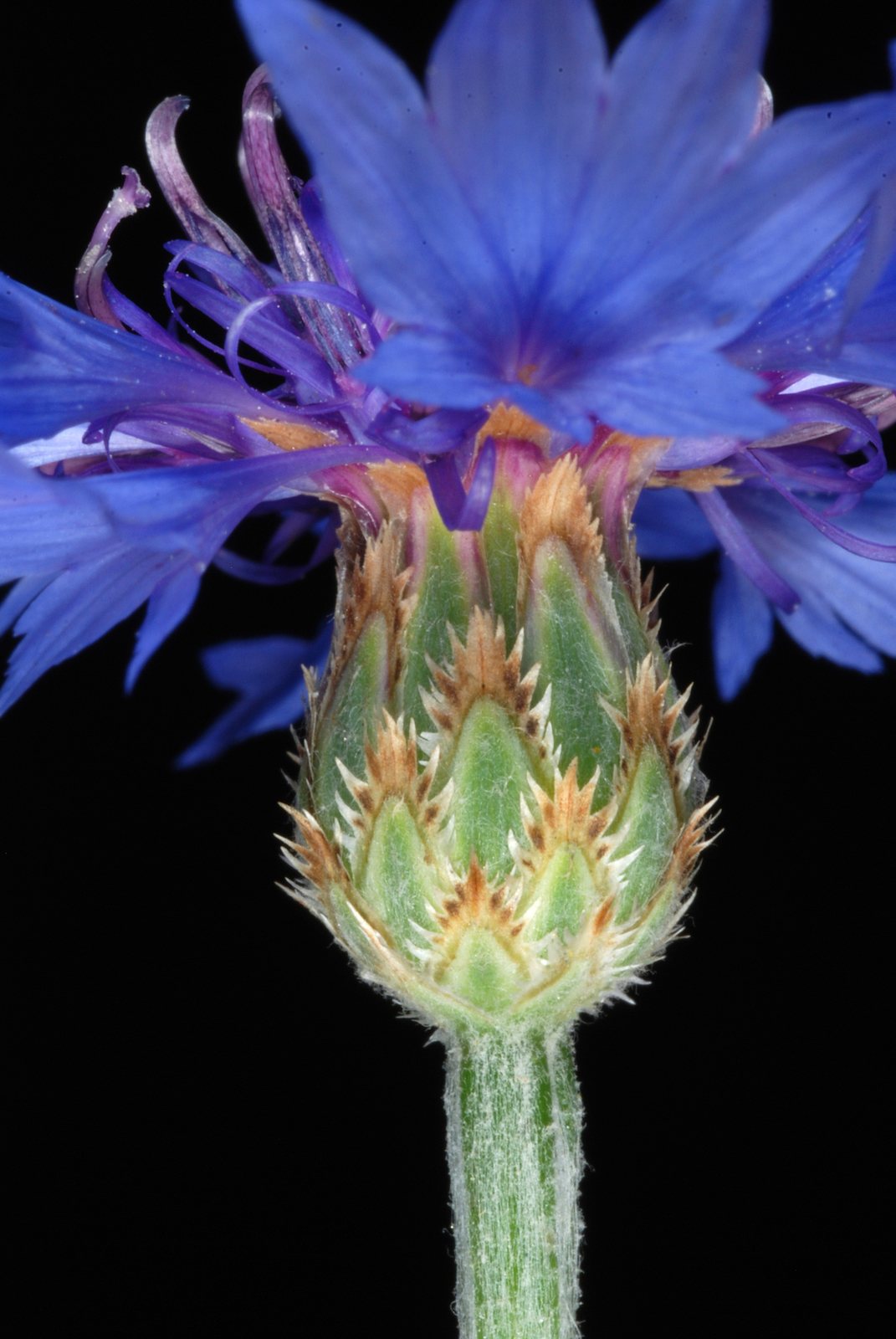
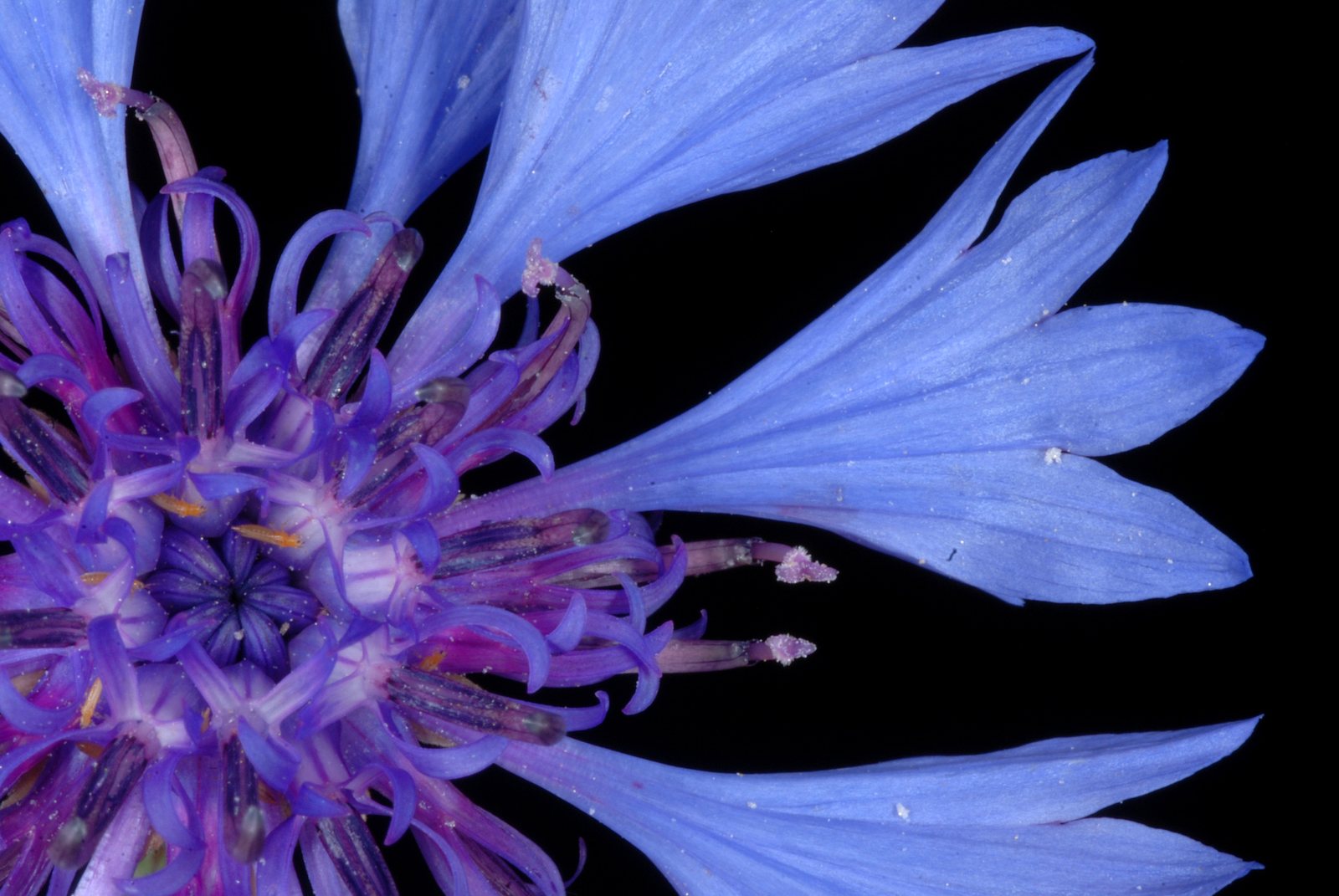
Cornflower is grown as an annual for its fringed, usually vivid blue flowers on slender, branching stems. It is easy to raise from seed and useful in cottage borders, cutting gardens and annual flower patches, where its flowers attract bees.
At a glance
- Sun
- Full sun; flowering and stem strength decline in shade.
- Water
- Water regularly during germination and establishment, then during prolonged dry spells. Avoid persistently wet soil.
- Soil
- Well-drained soil of low to moderate fertility; tolerates sandy, chalky and loamy soils. Rich soil encourages floppy growth.
- Height
- 1-3 ft (0.3-0.9 m)
- Spread
- 0.5-1 ft (0.15-0.3 m)
- Flowers
- Late spring through summer, sometimes into autumn with deadheading; usually blue, with white, pink, purple and dark burgundy cultivated forms.
- Foliage
- Narrow, grey-green leaves with fine hairs on upright, branching stems.
- Growth
- Fast; usually flowers within the first growing season.
- Care needed
- Low
The year at a glance
- Pollinators
- Drought tolerant
- Wildlife
- Low allergen
| J | F | M | A | M | J | J | A | S | O | N | D | |
|---|---|---|---|---|---|---|---|---|---|---|---|---|
| Flowers | ||||||||||||
| Fruit | ||||||||||||
| Plant |
Northern hemisphere months. In Australia, shift them by six.
- Difficulty
- Easy
- Toughness
- Very tough
Will it suit your garden?
Pick your zone, country, light and whether you have pets.
Full sun is 6 or more hours of direct sun a day, part shade 3 to 6 hours, shade under 3.
How it grows
Planting day
0.5 ft (0.15 m)
After 1 year
2 ft (0.6 m)
full size
Full size in one season.
From a typical nursery size, at an average rate for this kind of plant. A rule of thumb, not a forecast.
Good to know
- Cats and dogs
- Safe
- Invasive in
- the US
- In the garden
- Spreads vigorously: plan to contain it.
- Growth rate
- Fast
Care
Jobs through the year
- WaterMar–May, Sep–Oct, every 14 days
- Water established plants only in extended dry weather; keep newly sown seedbeds consistently moist.
- WaterJun–Aug, every 10 days
- Water established plants deeply during prolonged dry spells; skip watering after adequate rain.
- DeadheadMay–Sep, every 7 days
- Remove faded heads to prolong flowering, leaving some to ripen for birds or self-seeding.
- ProtectMar–Apr, Sep–Oct
- Protect emerging seedlings from slugs; reserve autumn sowing for mild, well-drained sites.
- Sow directly where plants will flower; established seedlings dislike root disturbance.
- Thin seedlings to 0.5-1 ft (0.15-0.3 m) apart for good airflow and stronger stems.
- Keep the seedbed moist until seedlings establish, then water during extended dry weather.
- Avoid routine feeding, especially nitrogen-rich fertiliser, which promotes weak, leafy growth.
- Support tall plants early with twiggy sticks or low netting in exposed positions.
Pruning. Remove faded flower heads regularly to prolong flowering, or leave a few to ripen if you want seed. Pull up or cut down plants when flowering finishes, before seed disperses if unwanted seedlings are a concern.
Through the year
- Early spring
- Direct-sow into workable, well-drained soil; protect emerging seedlings from slugs.
- Mid-spring
- Thin crowded seedlings and install supports for tall varieties.
- Late spring
- Make a second sowing for a longer flowering season where summers are not intensely hot.
- Summer
- Pick flowers regularly, deadhead and water during prolonged dry spells.
- Late summer
- Collect dry seed heads before they shed, or remove them to limit self-seeding.
- Autumn
- In mild-winter areas, sow outdoors for earlier flowers next year; elsewhere remove spent plants and save seed for spring.
In the garden
- Weave through cottage borders with annual poppies and pot marigolds for loose, contrasting colour.
- Grow in rows in a cutting garden for small bouquets and informal arrangements.
- Use blue-flowered forms among white daisies and airy grasses for a light summer planting.
- Include in a managed annual flower patch for pollinators, keeping it separate from native habitat restoration.
Garden styles it suits: Cottage garden, English country, Potager (kitchen garden), Wildflower, Pollinator garden and Blues and silvers.
Plant it with: Field poppy, Pot marigold, Love-in-a-mist, Oxeye daisy, Cosmos and Sweet alyssum.
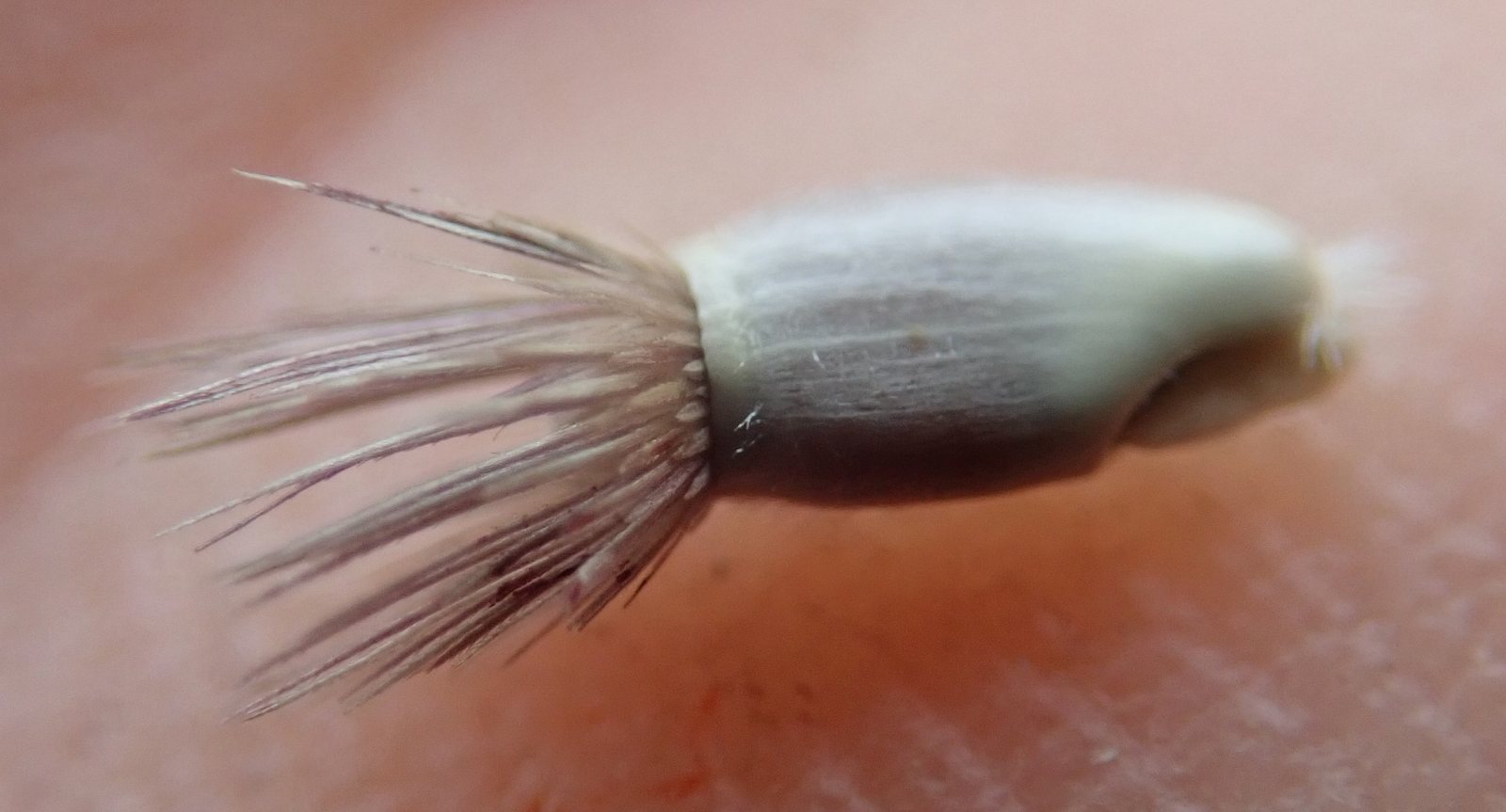
Wildlife: Flowers provide nectar and pollen for bees and other insects. Ripe seeds are eaten by some seed-eating birds.
Problems to watch for
- Flopping stems: provide full sun, avoid rich feeding and support tall plants before flowering.
- Powdery mildew: thin crowded plants, improve airflow and remove badly affected foliage.
- Aphids: wash small colonies off with water and encourage ladybirds and other predators.
- Slugs and snails eating seedlings: check young plants after dark and use barriers or labelled iron-phosphate bait where needed.
Safety
Not known to be toxic to cats, dogs, horses or people. The petals are used as edible decoration; use only correctly identified flowers grown without pesticides unsuitable for edible crops. People sensitive to the daisy family may experience allergic reactions.
Where it spreads. Listed as invasive in North Carolina, United States. It also escapes cultivation and can become a weed in disturbed ground and farmland elsewhere; prevent seed escape near natural areas.
Easily confused with
Perennial cornflower (Centaurea montana)
Forms a spreading perennial clump with broader leaves and larger blue flower heads, usually with conspicuous purple centres; annual cornflower has narrower leaves and more slender, branching growth.
Chicory (Cichorium intybus)
Has strap-shaped blue florets with toothed tips, often carried close to stiff stems; cornflower has a shaggy head of finely divided tubular florets.
Brown knapweed (Centaurea jacea)
Usually has mauve-purple flowers above a rounded head of overlapping brown bracts and broader leaves; cornflower typically has blue flowers and narrow, grey-green foliage.
The name
The common name refers to its former abundance among cereal crops, while cyanus comes from a Greek word for dark blue.
Propagation. Raise from seed sown directly outdoors in spring, or in autumn where winters and drainage allow seedlings to survive. Cover lightly with soil. Saved seed from mixed colours or named varieties may not produce plants identical to the parent.
Checked against open data
- Accepted botanical name
- Centaurea cyanus
- In the US and Canada
- Introduced in Canada, Greenland, Hawaii and the lower 48 states.
- Native range
- Albania, Bulgaria, East Aegean Is., Greece, Italy, Lebanon-Syria, Romania, Sicilia, Turkey, Turkey-in-Europe and Yugoslavia.
- Measured
- Soil pH 5 to 5.5. Average height 53 cm.
Sources: GBIF (CC BY 4.0), USDA PLANTS and Trefle (CC BY 4.0). The care and design notes are LandscapeGPT's own.
See it in your own yard.
Upload a photo of your yard and see it redesigned with plants that suit your climate, each checked against your zone.