Oxeye daisy
Leucanthemum vulgare. Family Asteraceae. Perennial.
Also called Ox-eye daisy, Marguerite, Moon daisy.
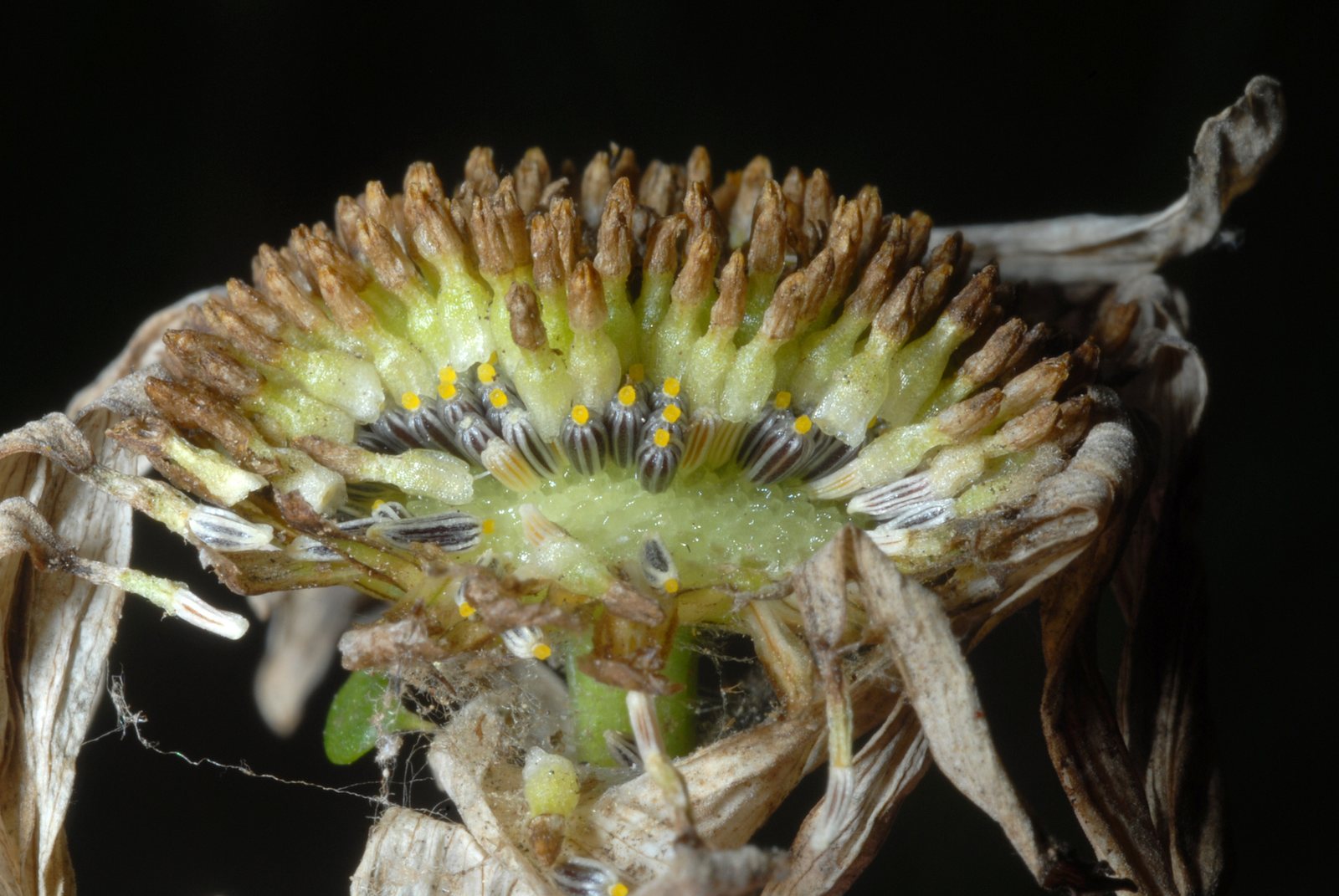
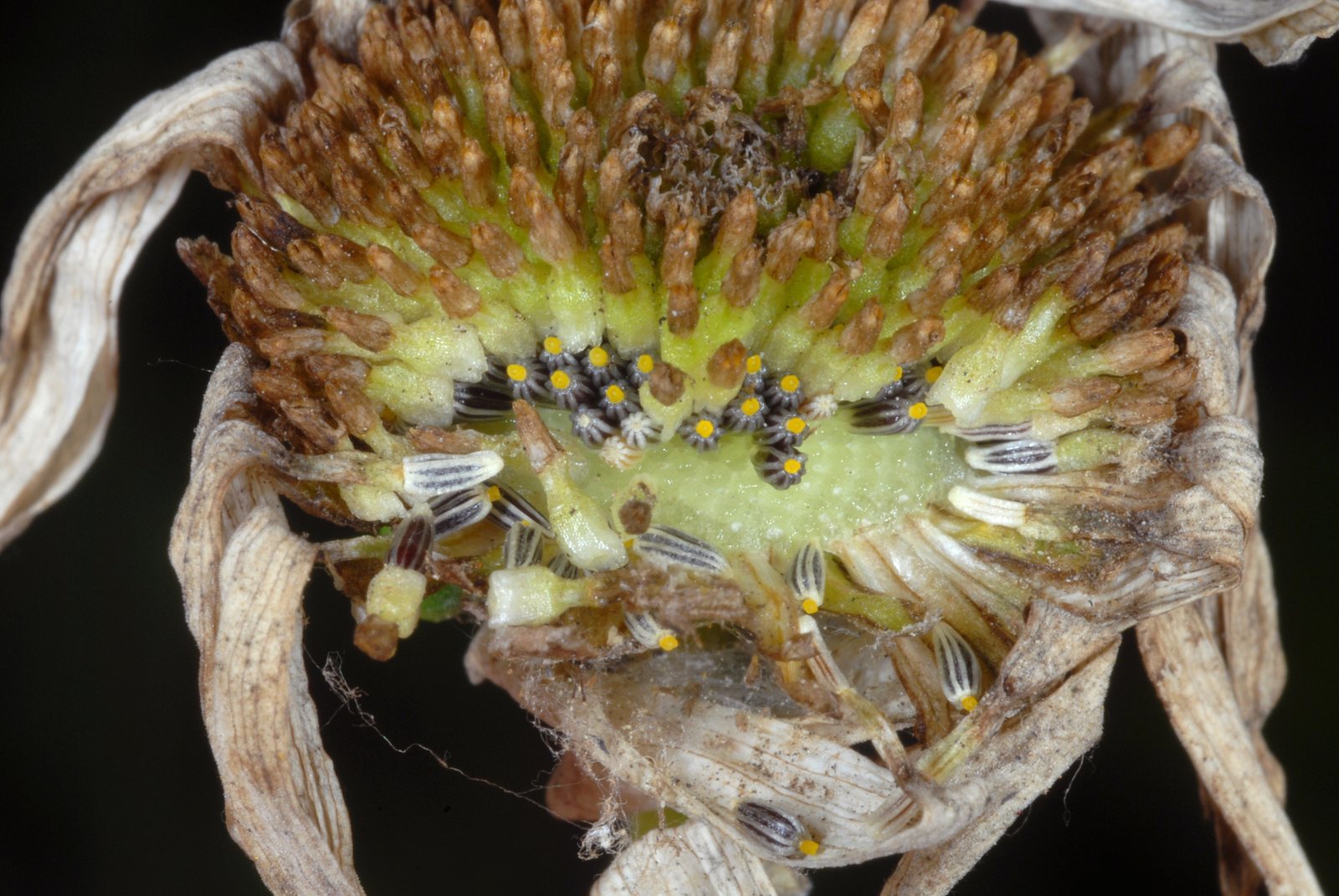
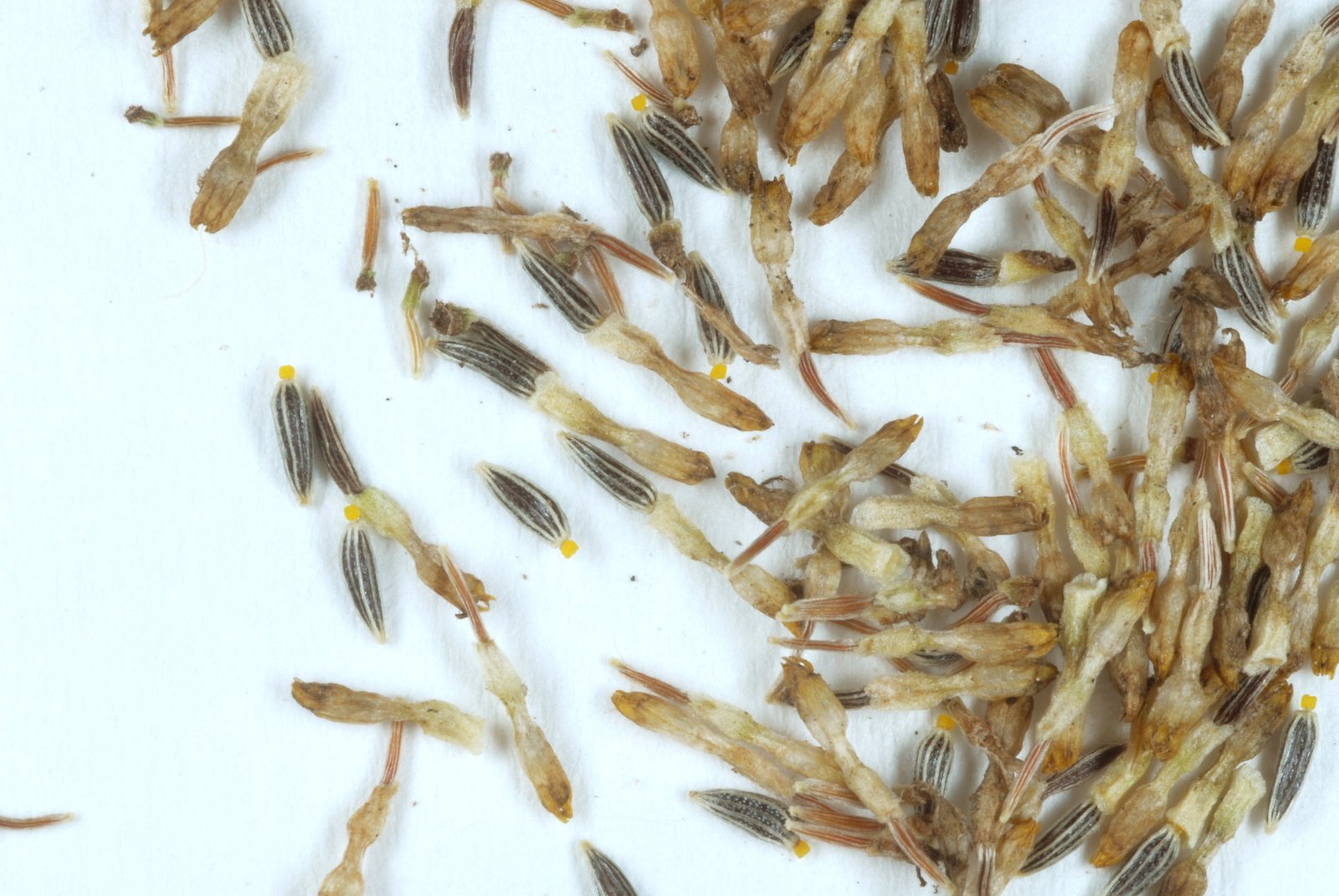
Oxeye daisy is a clump-forming perennial with white, yellow-centred flowers on slender stems, grown for informal borders and flower-rich grassland. Native to Europe and temperate Asia, including the UK, it spreads readily by seed and short rhizomes; in much of North America and southeastern Australia it is an invasive weed rather than a suitable garden plant.
At a glance
- Sun
- Full sun is best; tolerates light partial shade but may flower less and lean.
- Water
- Water regularly while establishing, then mainly during prolonged dry spells. Avoid persistently wet ground.
- Soil
- Well-drained soil, including chalky, sandy or loamy ground. Lean to moderately fertile soil suits it better than rich, heavily fertilised soil.
- Height
- 1-3 ft (0.3-0.9 m)
- Spread
- 1-2 ft (0.3-0.6 m), with colonies spreading farther over time
- Flowers
- Late spring through summer; white rays around a yellow central disc.
- Foliage
- Dark green, spoon-shaped, toothed basal leaves, with smaller, narrower leaves along the flowering stems. Basal rosettes may remain green through mild winters.
- Growth
- Fast
- Care needed
- Medium
The year at a glance
- Pollinators
- Drought tolerant
- Cold hardy
- Wildlife
- Low allergen
| J | F | M | A | M | J | J | A | S | O | N | D | |
|---|---|---|---|---|---|---|---|---|---|---|---|---|
| Flowers | ||||||||||||
| Plant |
Northern hemisphere months. In Australia, shift them by six.
- Difficulty
- Moderate
- Toughness
- Very tough
Will it suit your garden?
Pick your zone, country, light and whether you have pets.
Full sun is 6 or more hours of direct sun a day, part shade 3 to 6 hours, shade under 3.
How it grows
Planting day
1 ft (0.3 m)
After 1 year
1.5 ft (0.45 m)
After 2 years
2 ft (0.6 m)
full size
About 2 years to full size.
From a typical nursery size, at an average rate for this kind of plant. A rule of thumb, not a forecast.
Good to know
- Cats and dogs
- Toxic
- Native to
- the UK
- Invasive in
- the US, Canada and Australia
- In the garden
- Spreads vigorously: plan to contain it.
- Growth rate
- Fast
Care
Jobs through the year
- WaterApr–May, Sep, every 21 days
- Water established clumps only during prolonged drought; water new plants more frequently.
- WaterJun–Aug, every 14 days
- Water only during prolonged dry spells, allowing soil to dry between soakings.
- ProtectMar–Apr, Sep
- Check local weed restrictions before planting, dividing or sharing this potentially invasive species.
- DivideMar–Apr, Sep
- Divide congested clumps only where cultivation and sharing are permitted.
- DeadheadMay–Aug, every 7 days
- Remove faded heads before seed ripens; do not put ripe heads in cool compost.
- PruneMar–Apr, Sep
- Remove unwanted seedlings and dig out spreading clumps with their rhizomes.
- PruneOct–Nov
- Cut old flowering stems to the basal rosette, retaining healthy leaves.
- Check local weed restrictions before planting; choose a locally appropriate alternative where it is invasive.
- Water new plants during dry weather until established; established clumps usually need little supplementary water.
- Avoid routine feeding, which encourages floppy growth and excessive competition with neighbouring plants.
- Remove unwanted seedlings early and dig out spreading rhizomes where clumps exceed their space.
- Divide congested clumps in spring or early autumn, only where growing and sharing it is permitted.
Pruning. Remove spent flower heads before seed ripens to limit self-seeding. Cut old flowering stems to the basal rosette after flowering or in autumn; deadheading reduces, but does not eliminate, its spread.
Through the year
- Early spring
- Check for seedlings outside the intended area and remove them with their roots.
- Spring
- Where planting is appropriate and legal, plant or divide clumps and water them in.
- Late spring
- Check for leaning stems; use discreet supports if needed rather than adding fertiliser.
- Summer
- Deadhead promptly before seeds develop and water new plants during prolonged dry weather.
- Early autumn
- Dig out unwanted spreading clumps and remove all accessible rhizomes.
- Late autumn
- Cut down dead flowering stems, leaving healthy basal leaves intact.
In the garden
- In UK wildflower meadows within its native range, scattered among fine grasses for an early-summer display.
- In cottage borders with meadow cranesbill and field scabious for loose, informal planting.
- In white-themed borders, where its simple flowers contrast with upright stems and finer foliage.
- In sunny wildlife planting within its native range, providing accessible flowers for small insects.
Garden styles it suits: Cottage garden, Wildflower, Wildlife garden, Pollinator garden, English country and White garden.
Plant it with: Meadow cranesbill, Field scabious, Common knapweed, Bird's-foot trefoil and Quaking grass.
Wildlife: The open flower heads provide pollen and nectar for bees, hoverflies, butterflies and other insects. Outside its native range, dense stands can displace local plants and reduce habitat diversity.
Problems to watch for
- Unwanted spread: remove flower heads before seed ripens, pull seedlings promptly and dig out rhizomes; do not compost ripe seed heads in a cool home compost heap.
- Floppy stems: grow in full sun, avoid rich feeding and support stems if necessary.
- Slugs and snails on young growth: inspect during damp evenings, hand-pick and remove nearby hiding places.
- Leaf spots or powdery mildew: improve spacing and airflow, water at soil level and remove badly affected foliage.
Safety
Treat as potentially toxic to cats, dogs and horses if eaten; foliage and flowers may cause drooling, vomiting or diarrhoea, and contact can cause dermatitis. Human poisoning is not commonly reported, but sap and foliage can irritate sensitive skin, especially in people allergic to daisy-family plants; do not treat it as a food plant.
Where it spreads. Spreads aggressively in grassland, pastures and disturbed ground across much of the United States and Canada, and in southeastern Australia. It is listed or regulated as a weed in jurisdictions including Washington, Colorado and Montana in the US, British Columbia and Alberta in Canada, and parts of New South Wales and Victoria in Australia. Rules vary locally;
Easily confused with
Shasta daisy (Leucanthemum × superbum)
Usually has larger flower heads and a more robust, bushy habit; many cultivars have broader, fringed or double flowers. Small-flowered forms can be difficult to distinguish without knowing their origin.
Scentless mayweed (Tripleurospermum inodorum)
Has finely divided, threadlike leaves and more branched stems, unlike oxeye daisy's broad, toothed basal leaves.
Common daisy (Bellis perennis)
Forms a low lawn rosette with much smaller flowers on short, leafless stalks rather than tall, leafy flowering stems.
The name
Leucanthemum comes from Greek words meaning 'white flower', while vulgare means 'common'.
Propagation. Propagates readily from seed and by division in spring or early autumn. Only propagate where it is appropriate and legal; avoid distributing seed or divisions in regions where it is invasive.
Checked against open data
- Accepted botanical name
- Leucanthemum vulgare
- In the US and Canada
- Introduced in Alaska, Canada, Hawaii, the lower 48 states and St. Pierre and Miquelon.
- Native range
- Altay, Amur, Austria, Baltic States, Belarus, Belgium, Bulgaria, Buryatiya, Central European Rus, Chita, Czechoslovakia and Denmark.
- Measured
- Soil pH 5.2 to 7. Average height 21 cm.
Sources: GBIF (CC BY 4.0), USDA PLANTS and Trefle (CC BY 4.0). The care and design notes are LandscapeGPT's own.
See it in your own yard.
Upload a photo of your yard and see it redesigned with plants that suit your climate, each checked against your zone.