Cayenne pepper
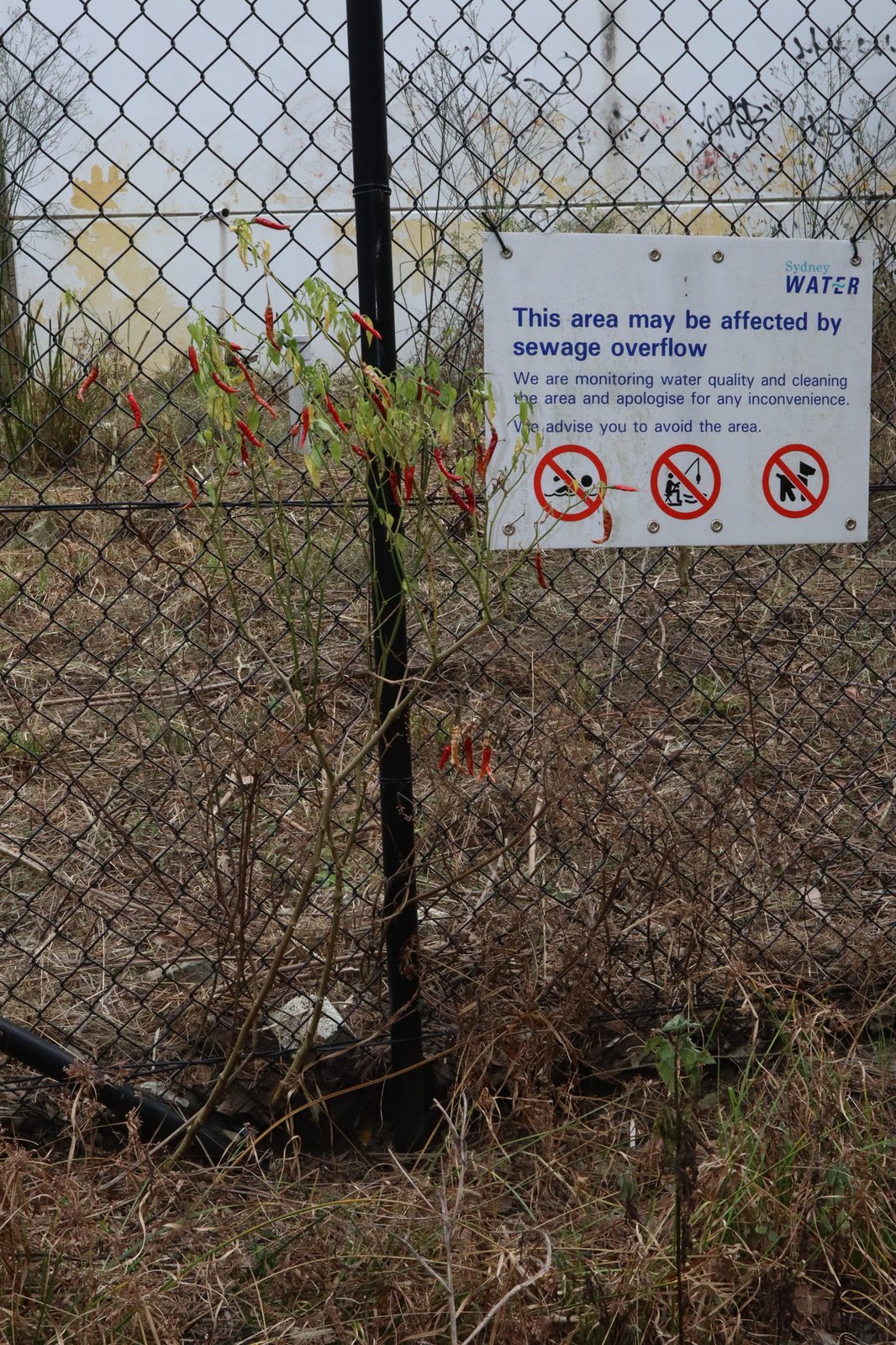
Capsicum annuum 'Long Red Cayenne'. Family Solanaceae. Annual.
Also called Long Red Cayenne pepper, Cayenne chilli, Cayenne chili.
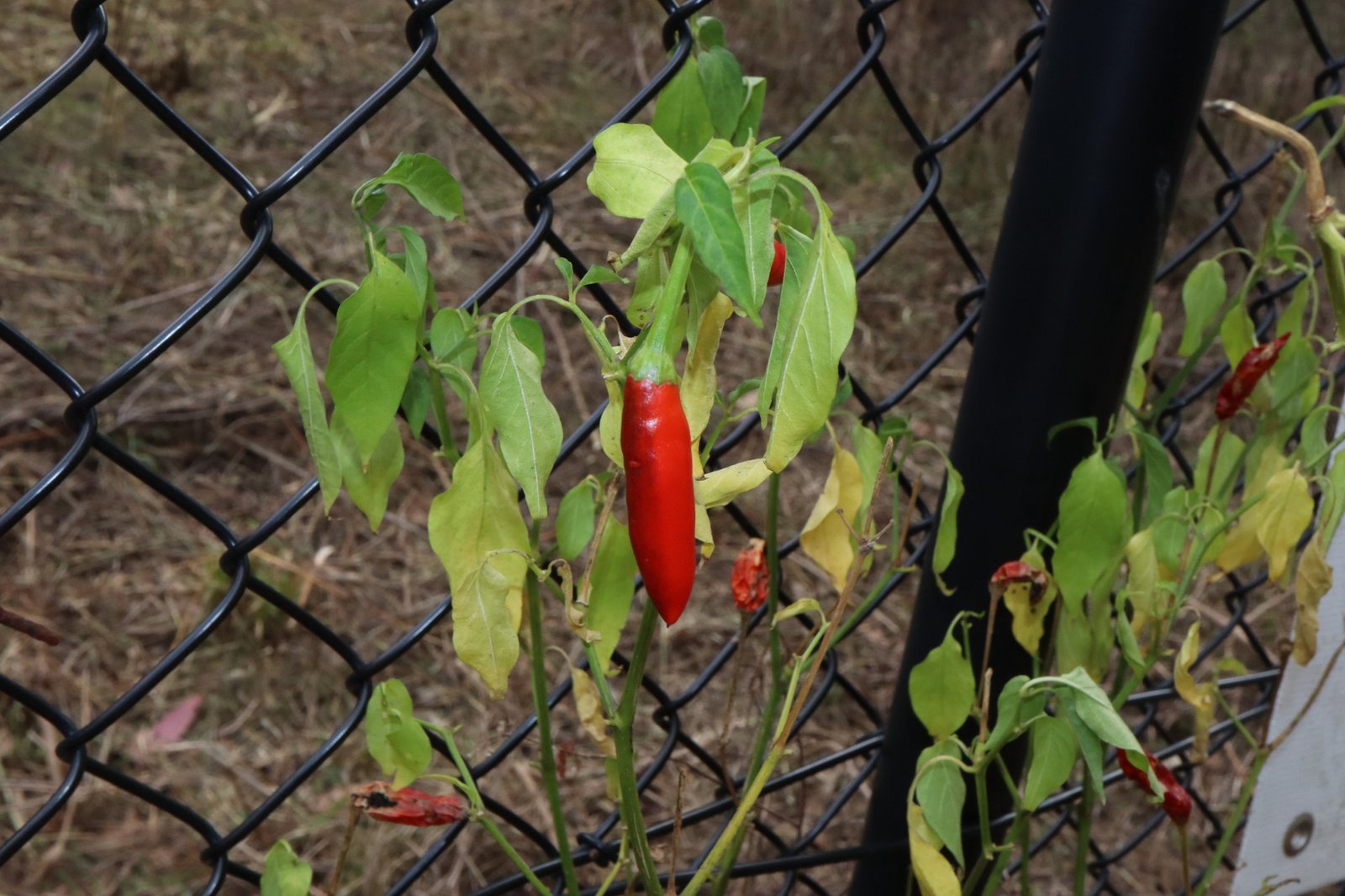
A tender, bushy pepper grown as an annual for its long, slender, hot fruits, which ripen from green to red. 'Long Red Cayenne' suits sunny vegetable beds and containers; in cool parts of the UK and Canada, a greenhouse or polytunnel gives a more dependable crop.
At a glance
- Sun
- Full sun, ideally at least 6-8 hours daily; provide light afternoon shade in extreme heat.
- Water
- Keep evenly moist but not waterlogged. Container plants may need daily checks in hot weather.
- Soil
- Fertile, well-drained soil with added mature compost; roughly pH 6.0-7.0. Use free-draining potting mix in containers.
- Height
- 2-3 ft (0.6-0.9 m)
- Spread
- 1-2 ft (0.3-0.6 m)
- Flowers
- Small white flowers from late spring through summer, continuing into autumn where warmth lasts.
- Foliage
- Pointed, smooth-edged green leaves on branching stems.
- Growth
- Fast in warm conditions; slow in cool weather.
- Care needed
- Medium
The year at a glance
- Pollinators
- Low allergen
- Edible
| J | F | M | A | M | J | J | A | S | O | N | D | |
|---|---|---|---|---|---|---|---|---|---|---|---|---|
| Flowers | ||||||||||||
| Fruit | ||||||||||||
| Plant |
Northern hemisphere months. In Australia, shift them by six.
- Difficulty
- Moderate
- Toughness
- Fairly tough
Will it suit your garden?
Pick your zone, country, light and whether you have pets.
Full sun is 6 or more hours of direct sun a day, part shade 3 to 6 hours, shade under 3.
How it grows
Planting day
0.5 ft (0.15 m)
After 1 year
2.5 ft (0.75 m)
full size
Full size in one season.
From a typical nursery size, at an average rate for this kind of plant. A rule of thumb, not a forecast.
Good to know
- Cats and dogs
- Mildly toxic: may upset a stomach
- Native to
- the US
- Growth rate
- Moderate
Care
Jobs through the year
- WaterMay, Sep–Oct, every 7 days
- For established plants in the ground, water when surface soil dries; adjust for rain and water new transplants more often.
- WaterJun–Aug, every 4 days
- Water established plants deeply at soil level, adjusting for rain and heat to maintain even moisture.
- FeedJun–Sep, every 28 days
- From flowering, feed lightly if soil fertility is low, using tomato fertiliser at its label rate.
- MulchJun
- Mulch warmed, moist soil, keeping the stem clear.
- ProtectJun–Jul
- Add a short stake before heavy fruit develops and tie stems loosely.
- PruneAug–Sep
- In a short season, pinch growing tips and remove late flowers to favour existing fruit.
- HarvestJul–Oct
- Snip full-length peppers green or preferably fully red; wear gloves when cutting and pick before frost.
- Plant out after frost risk has passed, once nights stay above about 12°C (54°F); harden plants off first.
- Space plants 18-24 in (45-60 cm) apart, or grow one plant in a container holding at least 3-5 US gal (11-19 litres).
- Water at soil level when the surface begins to dry; avoid repeated drying out and soaking.
- Feed container plants with a tomato fertiliser at the label rate once flowering starts; avoid excessive nitrogen.
- Mulch after the soil warms, keeping mulch clear of the stem.
- Add a short stake before heavy fruit develops, and tie stems loosely.
Pruning. Routine pruning is unnecessary; remove damaged or diseased growth as it appears. In late summer in short-season climates, pinch out growing tips and remove new flowers to help existing fruit ripen.
Harvest
Snip firm, full-length peppers with scissors, leaving a short stalk; they can be used green but are normally harvested fully red for cayenne powder or drying. Red fruit commonly begins about 70-90 days after transplanting in warm conditions, but takes longer in cool weather. Wear gloves when handling cut peppers and keep your hands away from your eyes.
Through the year
- Late winter
- Sow indoors about 8-10 weeks before the intended planting date, using gentle bottom heat around 24-29°C (75-84°F).
- Early spring
- Pot seedlings individually and give them strong light and steady warmth.
- Late spring
- Harden off and plant outside only after frost risk has passed and nights are consistently mild.
- Early summer
- Stake plants, mulch warmed soil and begin regular feeding as flowers appear.
- Summer
- Check moisture frequently and inspect leaf undersides for aphids and mites.
- Late summer
- Pick red peppers regularly; in cool regions, remove new flowers that are unlikely to produce ripe fruit.
- Autumn
- Harvest remaining usable fruit before frost and remove spent plants.
In the garden
- Plant in sunny raised vegetable beds alongside basil and parsley for an accessible kitchen harvest.
- Use individual pots on a sheltered patio, where the hanging red peppers provide late-season colour.
- Repeat plants along the edge of a potager to make a low, productive row.
- Mix with compact marigolds and nasturtiums in an edible border, allowing enough space for airflow.
Garden styles it suits: Potager (kitchen garden), Edible landscape, Homestead, Modern courtyard, Small-space and Sensory garden.
Plant it with: Basil, Parsley, French marigold, Nasturtium and Lettuce.
Wildlife: Flowers are visited by bees, although peppers can self-pollinate. Birds may eat ripe fruit and are not sensitive to capsaicin as mammals are.
Problems to watch for
- Aphids cluster on soft shoots and leaf undersides: wash off small colonies and use insecticidal soap labelled for edible crops if needed.
- Red spider mites cause pale stippling and fine webbing, especially under glass: inspect leaf undersides, avoid drought stress and use biological controls or an appropriate labelled treatment.
- Blossom-end rot produces a dark, sunken patch at the fruit tip: keep soil moisture steady and avoid excessive fertiliser; adding calcium is rarely helpful unless a deficiency is confirmed.
- Flowers drop or fruit fails to set in cold nights or extreme heat: provide shelter in cool weather, ventilate greenhouses and give temporary afternoon shade during severe heat.
Safety
The fruit is edible for people, but its capsaicin can cause strong burning of the mouth, skin and eyes, and stomach upset. Keep hot fruit away from cats, dogs and horses; chewing it can cause irritation, drooling and digestive upset. Leaves and stems are not food and should not be eaten by people or animals.
Easily confused with
Thai chilli (Capsicum annuum, Thai chilli cultivars)
Thai chillies are usually much shorter and often held upright; 'Long Red Cayenne' typically has slender, curved, hanging fruits about 4-6 in (10-15 cm) long.
Tabasco pepper (Capsicum frutescens 'Tabasco')
Tabasco has small, upright fruits that pass through pale yellow and orange before turning red; cayenne fruits are longer and usually hang down.
Sweet banana pepper (Capsicum annuum, sweet banana pepper cultivars)
Sweet banana peppers are generally broader and waxy pale yellow before ripening, rather than the narrow green-to-red fruits of cayenne. Do not use taste alone to identify an unknown pepper.
The name
The name cayenne is associated with Cayenne in French Guiana, while 'Long Red Cayenne' describes the cultivar's elongated, red-ripe fruits.
Propagation. Sow seed indoors in warmth, covering lightly with seed compost; germination usually takes 1-3 weeks. Seed saved from plants grown near other pepper varieties may produce variable offspring because peppers can cross-pollinate.
Checked against open data
- Accepted botanical name
- Capsicum annuum
- In the US and Canada
- Native in the lower 48 states. Introduced in Hawaii, the lower 48 states, Navassa Island, Pacific Basin, Puerto Rico and US Virgin Islands.
- Native range
- Guatemala, Mexico Central, Mexico Gulf, Mexico Northeast, Mexico Northwest, Mexico Southeast, Mexico Southwest, Bahamas, Belize, Bolivia, Brazil North and Brazil Northeast.
- Measured
- Average height 60 cm.
Sources: GBIF (CC BY 4.0), USDA PLANTS and Trefle (CC BY 4.0). The care and design notes are LandscapeGPT's own.
See it in your own yard.
Upload a photo of your yard and see it redesigned with plants that suit your climate, each checked against your zone.