Cherokee Purple tomato
Solanum lycopersicum 'Cherokee Purple'. Family Solanaceae. Annual.
Also called Cherokee Purple heirloom tomato.
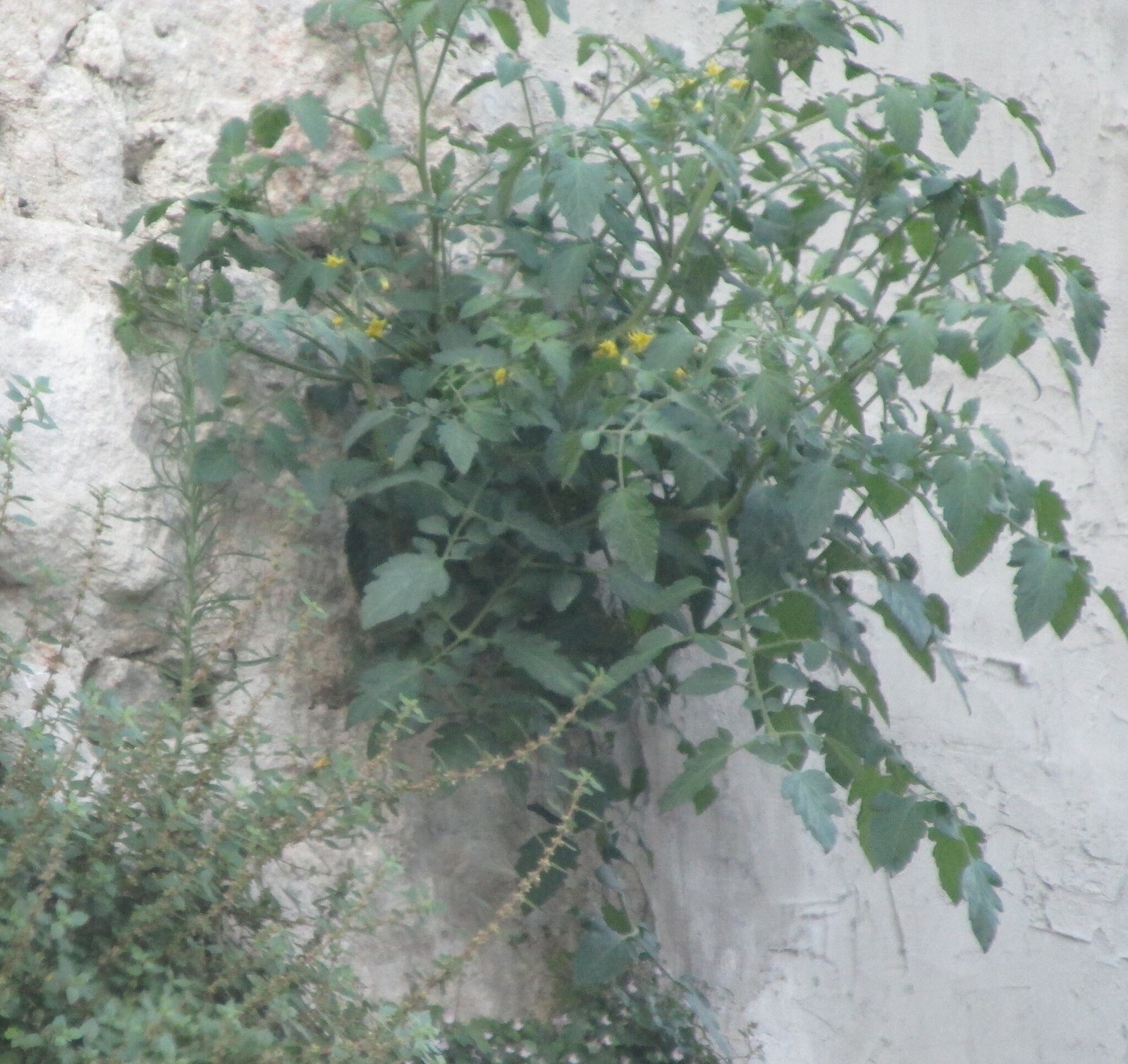
Cherokee Purple is an indeterminate heirloom tomato, grown as an annual for its large, dusky pink-purple slicing fruits with greenish shoulders and rich, sweet-tart flavour. It keeps growing and fruiting until cold weather stops it, so allow room for strong supports and a long, warm growing season.

At a glance
- Sun
- Full sun; at least 6-8 hours of direct sun daily. In cool climates, choose a sheltered, south-facing position or grow under glass.
- Water
- Keep the root zone evenly moist, watering deeply when the soil surface begins to dry. Containers may need daily watering in hot weather; avoid alternating drought with heavy soaking.
- Soil
- Fertile, well-drained soil enriched with compost, ideally pH 6.0-6.8.
- Height
- 5-8 ft (1.5-2.4 m)
- Spread
- 2-3 ft (0.6-0.9 m)
- Flowers
- Small yellow flowers from late spring through summer, continuing into autumn in warm conditions.
- Foliage
- Green, hairy, divided leaves with the characteristic tomato scent.
- Growth
- Fast during warm weather.
- Care needed
- High
The year at a glance
- Pollinators
- Low allergen
- Edible
| J | F | M | A | M | J | J | A | S | O | N | D | |
|---|---|---|---|---|---|---|---|---|---|---|---|---|
| Flowers | ||||||||||||
| Fruit | ||||||||||||
| Plant |
Northern hemisphere months. In Australia, shift them by six.
- Difficulty
- Hard
- Toughness
- Needs looking after
Will it suit your garden?
Pick your zone, country, light and whether you have pets.
Full sun is 6 or more hours of direct sun a day, part shade 3 to 6 hours, shade under 3.
How it grows
Planting day
0.8 ft (0.23 m)
After 1 year
6 ft (2 m)
full size
Full size in one season.
From a typical nursery size, at an average rate for this kind of plant. A rule of thumb, not a forecast.
Good to know
- Cats and dogs
- Toxic
- Growth rate
- Fast
Care
Jobs through the year
- WaterMay–Jun, every 4 days
- Water established plants deeply as the surface dries; check new transplants more often.
- WaterJul–Aug, every 3 days
- Keep root moisture steady to limit cracking; water soil rather than leaves and check pots daily.
- WaterSep–Oct, every 7 days
- Maintain even moisture while fruit ripens, adjusting for rainfall and cooler conditions.
- FeedJun–Sep, every 14 days
- Begin tomato feed at fruit set and follow the label; avoid excessive nitrogen.
- MulchJun
- Mulch warmed soil to stabilise moisture, leaving a gap around the stem.
- ProtectMay–Jun
- Harden off, plant after frost with nights above 10°C, and install a tall sturdy support.
- ProtectJun–Sep, every 7 days
- Tie extending stems loosely to supports and check for blight and caterpillars.
- PruneJun–Sep, every 7 days
- For cordons, retain one or two stems and remove small unwanted sideshoots and soil-touching leaves.
- PruneSep
- Pinch out growing tips about four weeks before the expected first frost.
- HarvestAug–Oct
- Pick slightly yielding, dusky purple-pink fruit despite green shoulders; bring mature fruit indoors before frost.
- Plant out after frost danger has passed and nights are consistently above about 50°F (10°C); harden off indoor-grown plants first.
- Set transplants deeper than their original growing depth, burying part of the bare stem to encourage extra roots.
- Install a sturdy stake, tall cage or trellis at planting, and tie in stems as they grow.
- Water at soil level and mulch once the soil has warmed, keeping mulch away from the stem.
- Feed with a tomato fertiliser according to its label once fruit begins to set; avoid excessive nitrogen, which encourages leafy growth.
Pruning. For a staked or cordon plant, retain one or two main stems and remove unwanted sideshoots while small; caged plants need less pruning. Remove lower leaves touching the soil, and in short-season climates pinch out growing tips about four weeks before the expected first frost.
Harvest
Expect the first ripe tomatoes roughly 80-90 days after transplanting in warm conditions, with longer waits in cool summers. Pick when the fruit develops its dusky pink-purple colour and yields slightly to gentle pressure; the shoulders may remain green. Snip or gently twist off individual fruits, and bring mature fruit indoors before frost to finish ripening.
Through the year
- Late winter
- In long-season or protected-growing areas, sow indoors 6-8 weeks before the intended planting-out date.
- Early spring
- For later outdoor planting, sow indoors in warmth and give seedlings strong light.
- Late spring
- Harden off seedlings, plant after frost danger has passed, and install supports.
- Early summer
- Mulch warmed soil, tie in new growth and begin feeding as fruit sets.
- Summer
- Maintain even watering, remove unwanted sideshoots and harvest ripe fruit regularly.
- Early autumn
- In frost-prone climates, stop new tip growth and collect mature fruit before cold weather.
- Late autumn
- Remove spent plants and fallen fruit; clean reusable supports and do not home-compost blight-infected material.
In the garden
- Train vertically at the back of a sunny vegetable bed to keep large plants off neighbouring crops.
- Use sturdy, repeated supports in a potager alongside basil, parsley and low flowers.
- Grow in a large container holding at least 15-20 US gallons (57-76 litres) on a sunny patio, with a securely anchored support.
- Include in an edible border where the dark fruits provide a colour contrast with green foliage and yellow flowers.
Garden styles it suits: Potager (kitchen garden), Edible landscape, Homestead, Cottage garden, Farmhouse and Family-friendly.
Plant it with: Basil, Parsley, Lettuce, French marigold, Sweet alyssum and Calendula.
Wildlife: Flowers provide pollen for bumblebees and other bees capable of buzz pollination. Birds and small mammals may eat ripe fruit; use wildlife-safe, taut netting if protection is needed.
Problems to watch for
- Late blight: rapidly spreading brown lesions can destroy plants in wet weather. Keep foliage dry, allow airflow and promptly remove infected plants; follow local guidance on approved preventative treatments.
- Blossom-end rot: dark, sunken patches at the fruit base usually reflect disrupted calcium uptake. Maintain even soil moisture and avoid root damage; add calcium only if a soil test indicates a shortage.
- Fruit cracking: common after rain or heavy watering following dry conditions. Mulch, water consistently and harvest promptly as fruit ripens.
- Caterpillars, including tomato hornworms in North America: inspect foliage and fruit, hand-pick larger larvae and use a locally approved caterpillar treatment if necessary.
Safety
Leaves and stems contain toxic glycoalkaloids and should not be eaten by people, cats, dogs or horses. Unripe fruit contains higher levels than ripe fruit and can cause illness if eaten in quantity; significant ingestion of foliage can cause digestive upset and more serious signs. Ripe fruit is not known to be toxic when eaten as food.
Easily confused with
Black Krim tomato (Solanum lycopersicum 'Black Krim')
Both produce dark beefsteak tomatoes with greenish shoulders. Black Krim often looks more brown-red, but growing conditions strongly affect colour, so fruit appearance alone cannot reliably confirm the cultivar.
Cherokee Chocolate tomato (Solanum lycopersicum 'Cherokee Chocolate')
A closely related cultivar with yellow rather than clear fruit skin, giving ripe fruit a browner appearance. Cherokee Purple usually looks more dusky pink-purple.
The name
The name refers to its purple-toned fruit and the reported Cherokee origin of the seed line, although that historical origin is not firmly documented.
Propagation. Sow seed indoors 6-8 weeks before planting out, ideally at 70-80°F (21-27°C). This open-pollinated cultivar usually comes true from saved seed if flowers have not cross-pollinated with another tomato; save seed from healthy, fully ripe fruit.
Checked against open data
- Accepted botanical name
- Solanum lycopersicum
- In the US and Canada
- Introduced in Alaska, Hawaii, the lower 48 states, Pacific Basin, Puerto Rico and US Virgin Islands.
- Native range
- Peru.
- Measured
- Soil pH 7 to 7.5. Average height 19 cm.
Sources: GBIF (CC BY 4.0), USDA PLANTS and Trefle (CC BY 4.0). The care and design notes are LandscapeGPT's own.
See it in your own yard.
Upload a photo of your yard and see it redesigned with plants that suit your climate, each checked against your zone.