Chicago Lustre arrowwood
Viburnum dentatum 'Chicago Lustre'. Family Viburnaceae. Shrub.
Also called Chicago Lustre viburnum, Viburnum dentatum 'Synnestvedt', Southern arrowwood.
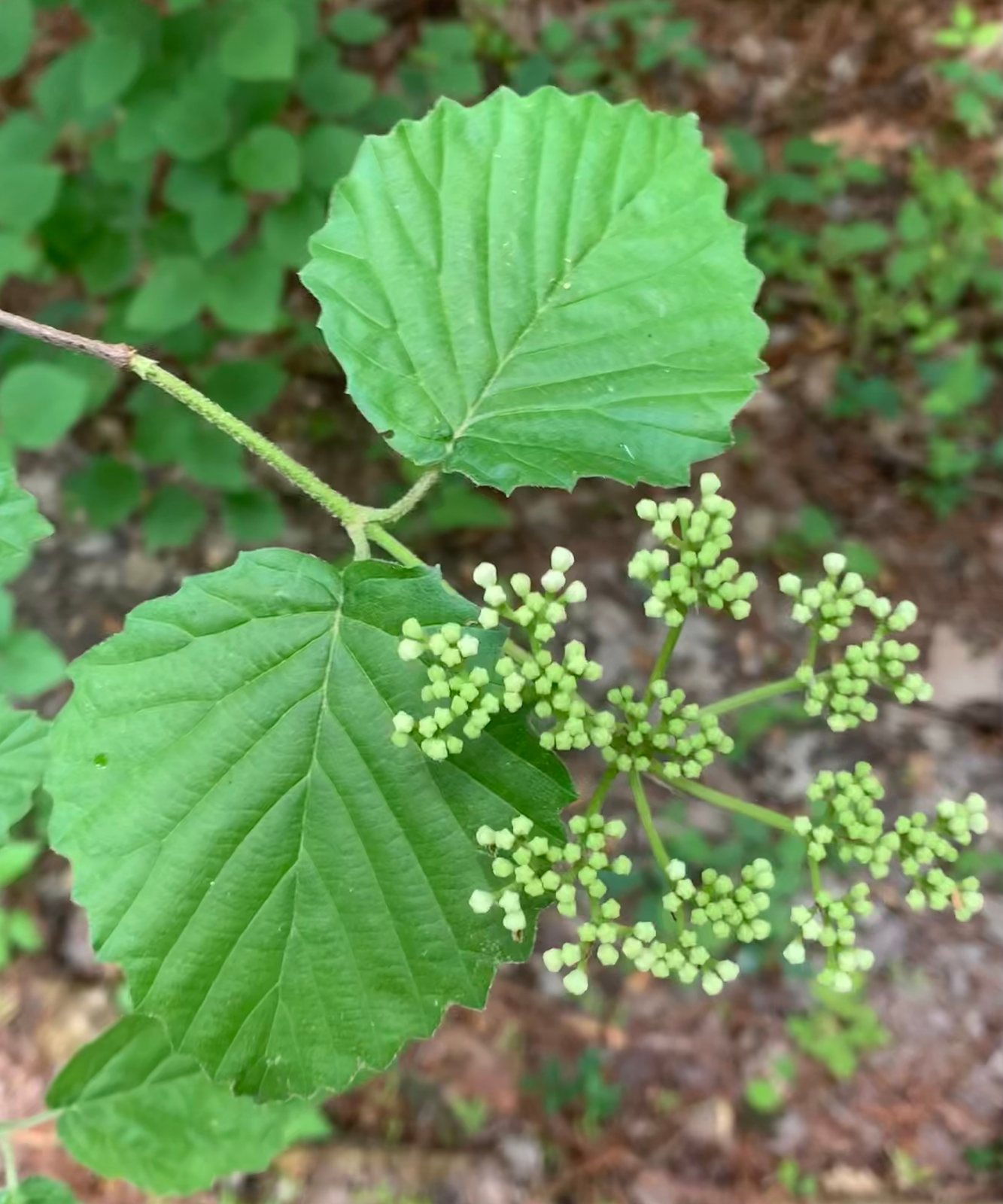
Chicago Lustre is a large, upright-rounded deciduous shrub grown for glossy leaves, creamy-white flower clusters and blue-black berries. Chicago Lustre is the selling name for the cultivar 'Synnestvedt'; it makes a useful informal screen or wildlife hedge, but needs a genetically different arrowwood flowering at the same time for good fruit production.
At a glance
- Sun
- Full sun to partial shade; flowering, fruiting and autumn colour are usually strongest in sun.
- Water
- Keep evenly moist while establishing. Once established, water during prolonged dry spells; it tolerates occasional wet soil better than prolonged drought.
- Soil
- Adaptable to clay, loam and sandy soils, including moderately alkaline soil. Best in moist soil that does not remain permanently waterlogged.
- Height
- 10-15 ft (3-4.6 m)
- Spread
- 10-15 ft (3-4.6 m)
- Flowers
- Late spring to early summer; small creamy-white flowers in flat-topped clusters.
- Foliage
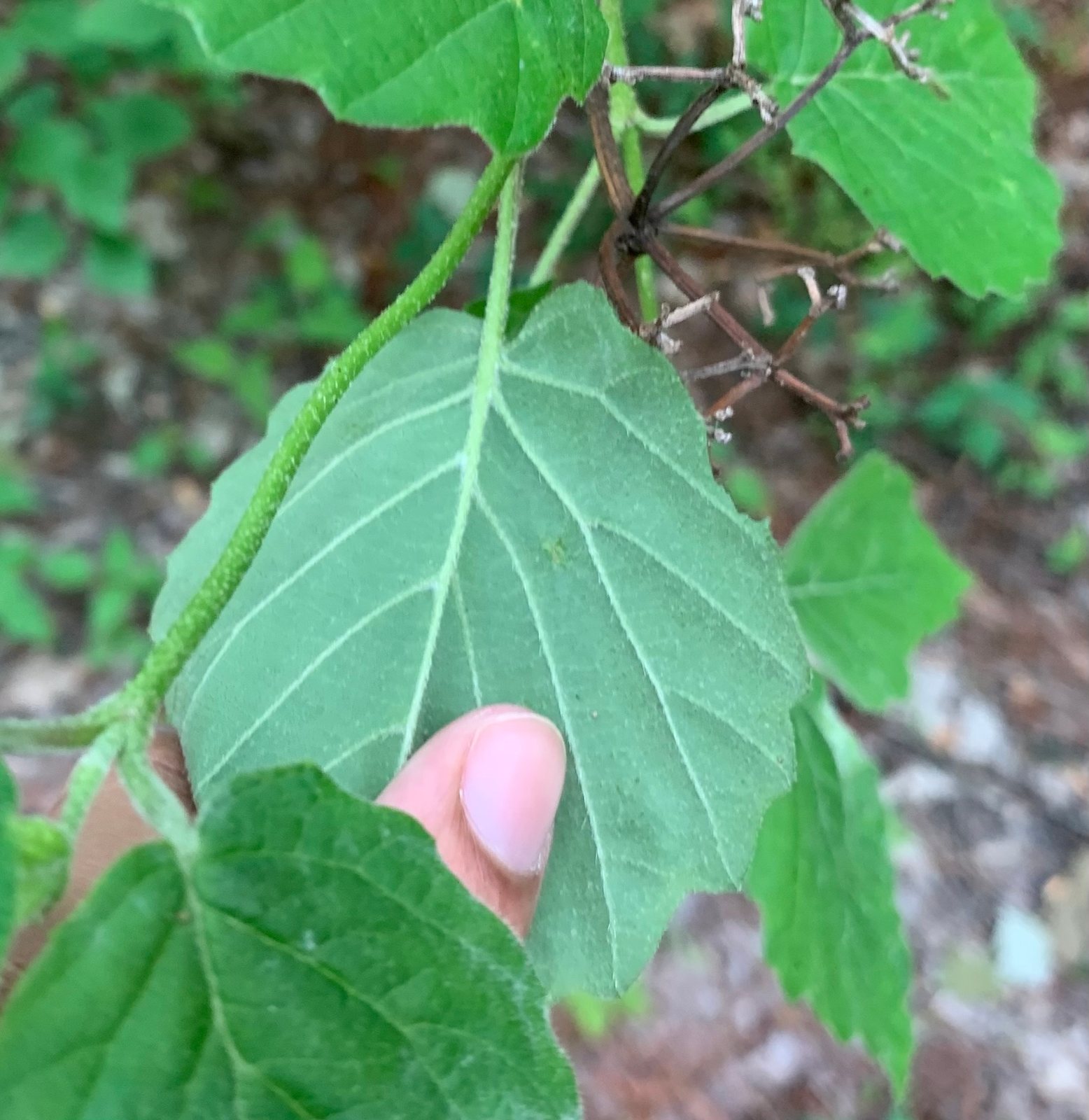
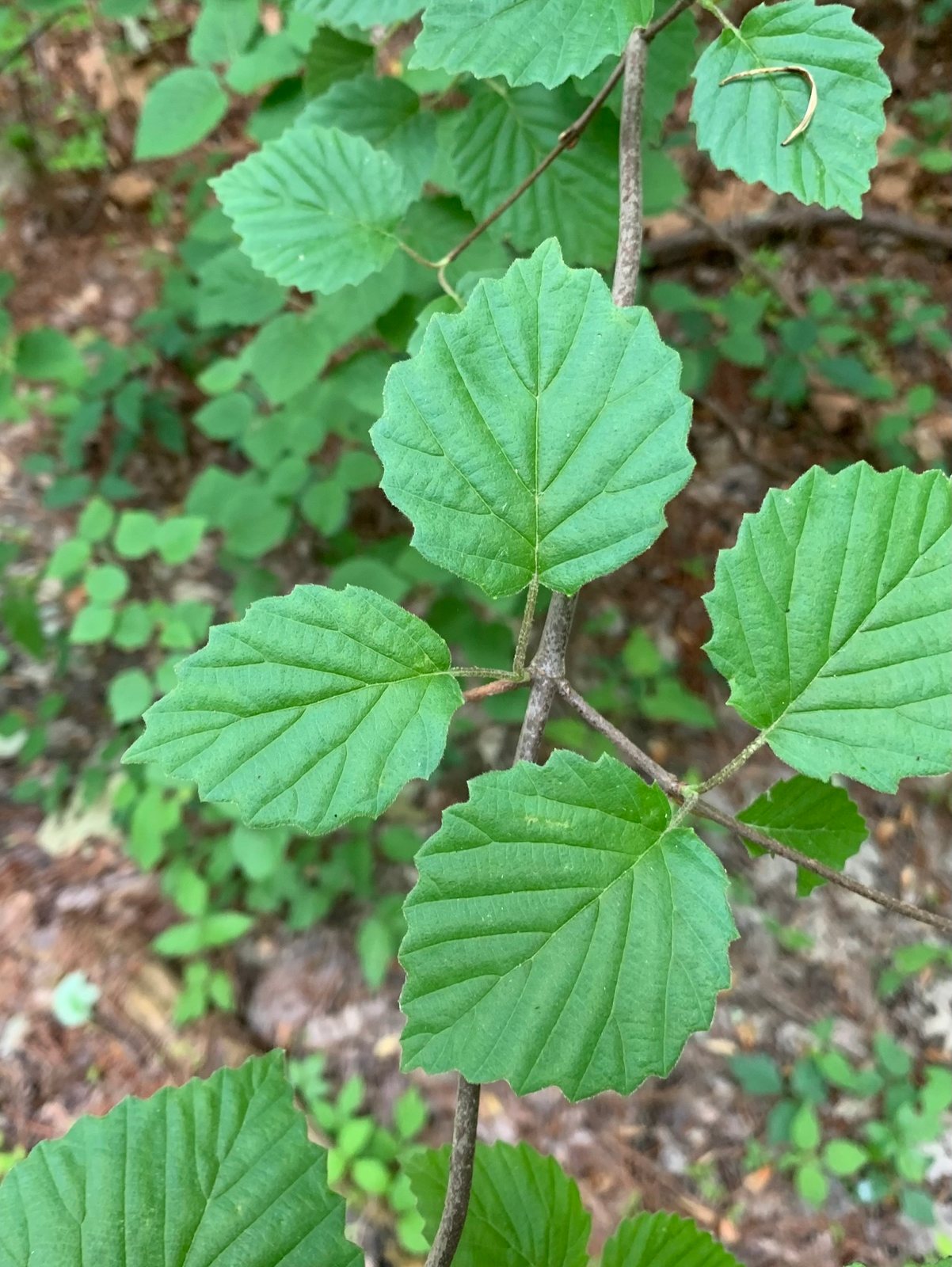
- Glossy, dark green, oval leaves with prominent veins and toothed edges; autumn colour varies from yellow to burgundy or reddish purple.
- Growth
- Moderate to fast once established.
- Care needed
- Low
The year at a glance
- Pollinators
- Cold hardy
- Wildlife
- Low allergen
| J | F | M | A | M | J | J | A | S | O | N | D | |
|---|---|---|---|---|---|---|---|---|---|---|---|---|
| Flowers | ||||||||||||
| Fruit | ||||||||||||
| Plant |
Northern hemisphere months. In Australia, shift them by six.
- Difficulty
- Easy
- Toughness
- Fairly tough
Will it suit your garden?
Pick your zone, country, light and whether you have pets.
Full sun is 6 or more hours of direct sun a day, part shade 3 to 6 hours, shade under 3.
How it grows
Planting day
1.6 ft (0.5 m)
After 1 year
4 ft (1.3 m)
After 2 years
7 ft (2.2 m)
After 3 years
10 ft (3 m)
After 5 years
12 ft (3.8 m)
full size
About 4 years to full size.
From a typical nursery size, at an average rate for this kind of plant. A rule of thumb, not a forecast.
Good to know
- Cats and dogs
- Safe
- Native to
- the US
- In the garden
- Spreads vigorously: plan to contain it.
- Growth rate
- Fast
Care
Jobs through the year
- WaterApr–May, Sep–Oct, every 14 days
- Water established shrubs when soil is dry; keep newly planted shrubs evenly moist.
- WaterJun–Aug, every 7 days
- Water deeply during extended dry spells; skip watering when rainfall keeps soil moist.
- MulchMar–Apr
- Top-dress with compost and maintain 5–8 cm of organic mulch clear of stems.
- PruneJan–Mar
- Inspect for viburnum leaf beetle egg scars and remove affected twig tips before hatching.
- ProtectApr–Jun
- Inspect new leaves for beetle larvae and remove promptly before severe defoliation.
- PruneJun–Jul
- Immediately after flowering, shape sparingly or remove old stems; pruning flowered shoots sacrifices berries.
- PruneJun–Aug, every 30 days
- Remove unwanted basal suckers if needed to contain the shrub.
- Water deeply through the first growing season, checking soil moisture during hot or windy weather.
- Spread 2-3 in (5-8 cm) of organic mulch over the root area, keeping it clear of the stems.
- Plant a different arrowwood cultivar with overlapping flowering nearby if you want reliable berries; another Chicago Lustre is the same clone.
- Apply compost in spring; use fertiliser only if growth is poor or a soil test indicates a deficiency.
- Remove unwanted basal suckers if you need to keep the shrub within its allotted space.
Pruning. Prune immediately after flowering, shortening wayward shoots and removing a few of the oldest stems at ground level when renewal is needed. Avoid shearing, which spoils the natural shape, and remember that removing flowered shoots also removes potential berries.
Through the year
- Late winter
- Inspect young twigs for viburnum leaf beetle egg scars; prune out affected tips before eggs hatch.
- Spring
- Plant while soil is workable, water thoroughly and replenish mulch.
- Late spring
- Check new leaves for beetle larvae and inspect nearby arrowwoods for overlapping bloom.
- Early summer
- Prune after flowering only where shaping or renewal is needed.
- Summer
- Water during extended dry spells and remove unwanted suckers.
- Autumn
- Leave berries for birds and plant new shrubs while soil remains moist and workable.
In the garden
- Plant as an informal boundary hedge where its full mature width can be accommodated.
- Use behind perennial borders as a dense green backdrop, with flowers and berries adding seasonal interest.
- Combine with dogwoods, serviceberries and woodland perennials along a sunny woodland edge.
- Group genetically different arrowwoods in a wildlife planting to improve fruit production and provide cover.
Garden styles it suits: Woodland, Wildlife garden, Native hedgerow, Traditional, Low-maintenance and Autumn colour.
Plant it with: Serviceberry, Red-twig dogwood, Oakleaf hydrangea, Virginia sweetspire, Wild geranium and Pennsylvania sedge.
Wildlife: Flowers attract bees and other small pollinating insects. Birds eat the berries, and the dense branching provides shelter and nesting cover; in its native eastern North American range, arrowwood also supports native caterpillars.
Problems to watch for
- Viburnum leaf beetle can severely skeletonise leaves, especially in parts of North America. Remove egg-bearing twigs in winter and hand-pick larvae early; where damage is serious, use a locally approved treatment labelled for the pest.
- Few or no berries usually means poor cross-pollination, shade or pruning that removed flowers. Add a genetically different arrowwood with overlapping bloom and prune only when necessary.
- Powdery mildew can affect crowded or stressed plants. Improve airflow, water the root area during drought and avoid excessive nitrogen feeding.
- Leaf spots may develop in humid conditions. Clear fallen diseased leaves and avoid repeatedly wetting the foliage when watering.
Safety
Not known to be toxic to cats, dogs or horses. Serious poisoning in people is not generally associated with this shrub, but the berries are not a food crop and eating them or other plant parts may cause stomach upset.
Easily confused with
Linden viburnum (Viburnum dilatatum)
Usually has noticeably hairy leaves and young stems, with red rather than blue-black ripe berries.
Smooth witherod (Viburnum nudum)
Has smoother, largely untoothed leaf edges; its fruit clusters often show pink and blue berries together as they ripen.
Doublefile viburnum (Viburnum plicatum f. tomentosum)
Has strongly layered horizontal branches and flower clusters arranged in paired rows, usually with a border of larger sterile white florets.
The name
Dentatum means toothed, referring to the leaf edges, while arrowwood recalls the use of its straight shoots for arrow shafts by Indigenous peoples of eastern North America.
Propagation. Root softwood cuttings in late spring or early summer under humid conditions, or layer a low branch. Seed-grown plants will not reliably retain the cultivar's characteristics.
Checked against open data
- Accepted botanical name
- Viburnum dentatum
- In the US and Canada
- Native in the lower 48 states.
- Native range
- Connecticut, Delaware, District of Columbia, Illinois, Indiana, Iowa, Kentucky, Maine, Maryland, Missouri, New Jersey and Ohio.
- Measured
- Average height 460 cm.
Sources: GBIF (CC BY 4.0), USDA PLANTS and Trefle (CC BY 4.0). The care and design notes are LandscapeGPT's own.
See it in your own yard.
Upload a photo of your yard and see it redesigned with plants that suit your climate, each checked against your zone.