Copperleaf
Acalypha wilkesiana. Family Euphorbiaceae. Shrub.
Also called Jacob's coat, Fijian fire plant, Beefsteak plant.
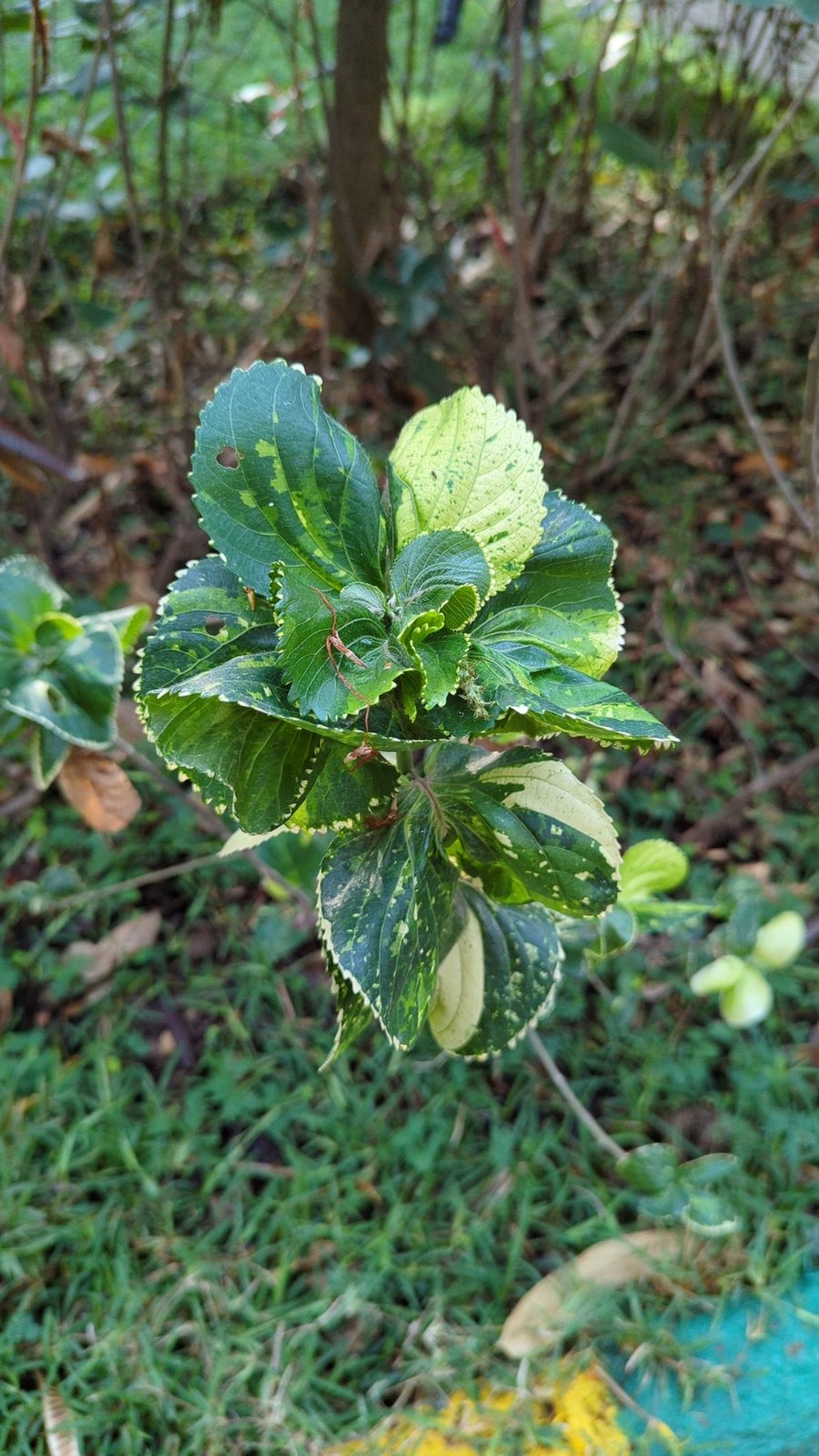
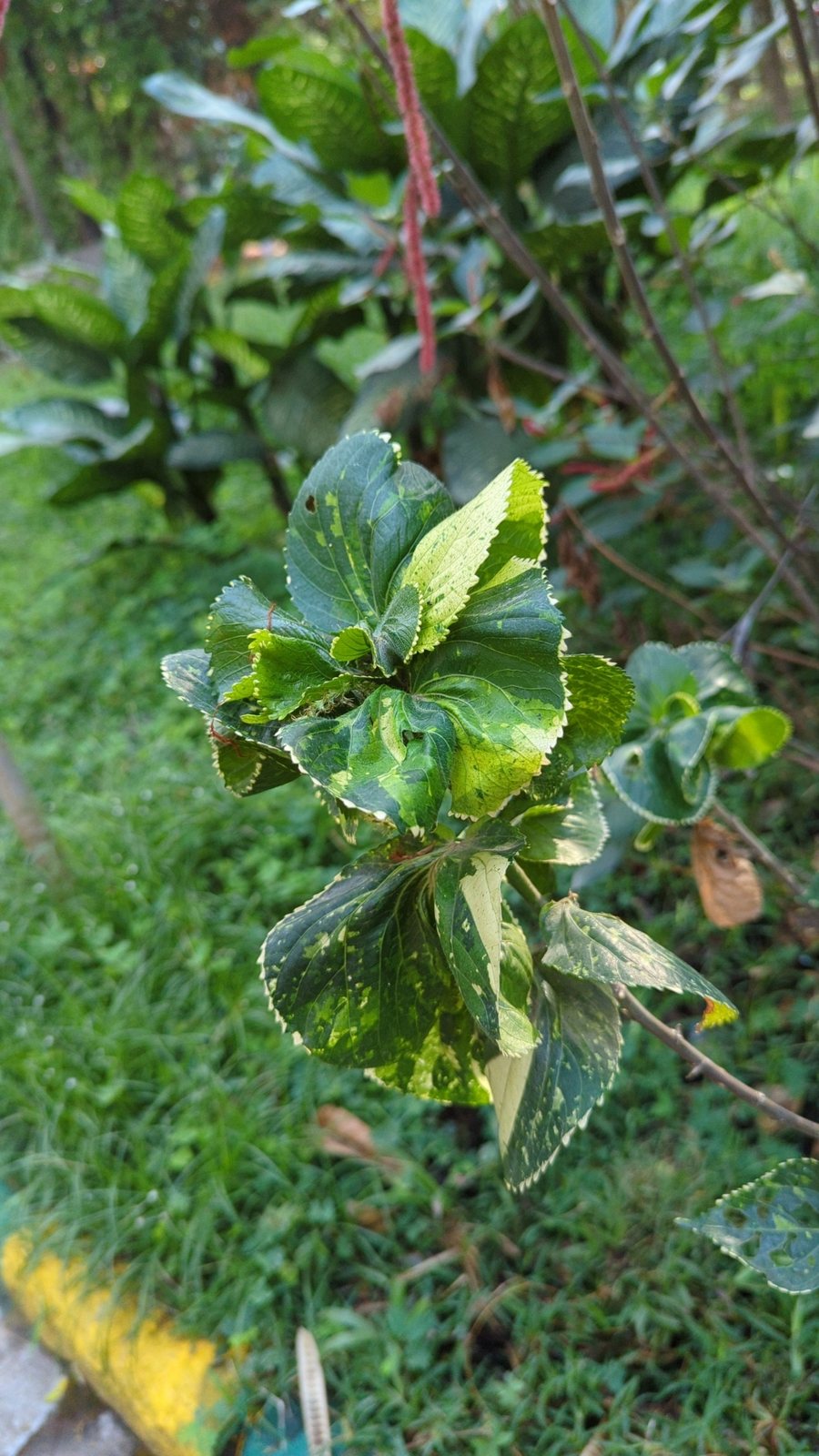
Copperleaf is a tender evergreen shrub grown for its large, often crinkled leaves in copper, red, pink, bronze and green. It makes a colourful hedge or backdrop in frost-free gardens; in colder climates, it is grown as a summer annual or kept in a container and overwintered indoors.
At a glance
- Sun
- Full sun to partial shade. Strong light generally produces the best leaf colour, but afternoon shade helps in very hot, dry locations.
- Water
- Keep the root zone evenly moist but not waterlogged. Water containers when the surface begins to dry; reduce watering during cool indoor overwintering.
- Soil
- Fertile, moisture-retentive soil with good drainage. Use a well-drained potting mix in containers.
- Height
- 6-10 ft (1.8-3 m)
- Spread
- 4-8 ft (1.2-2.4 m)
- Foliage
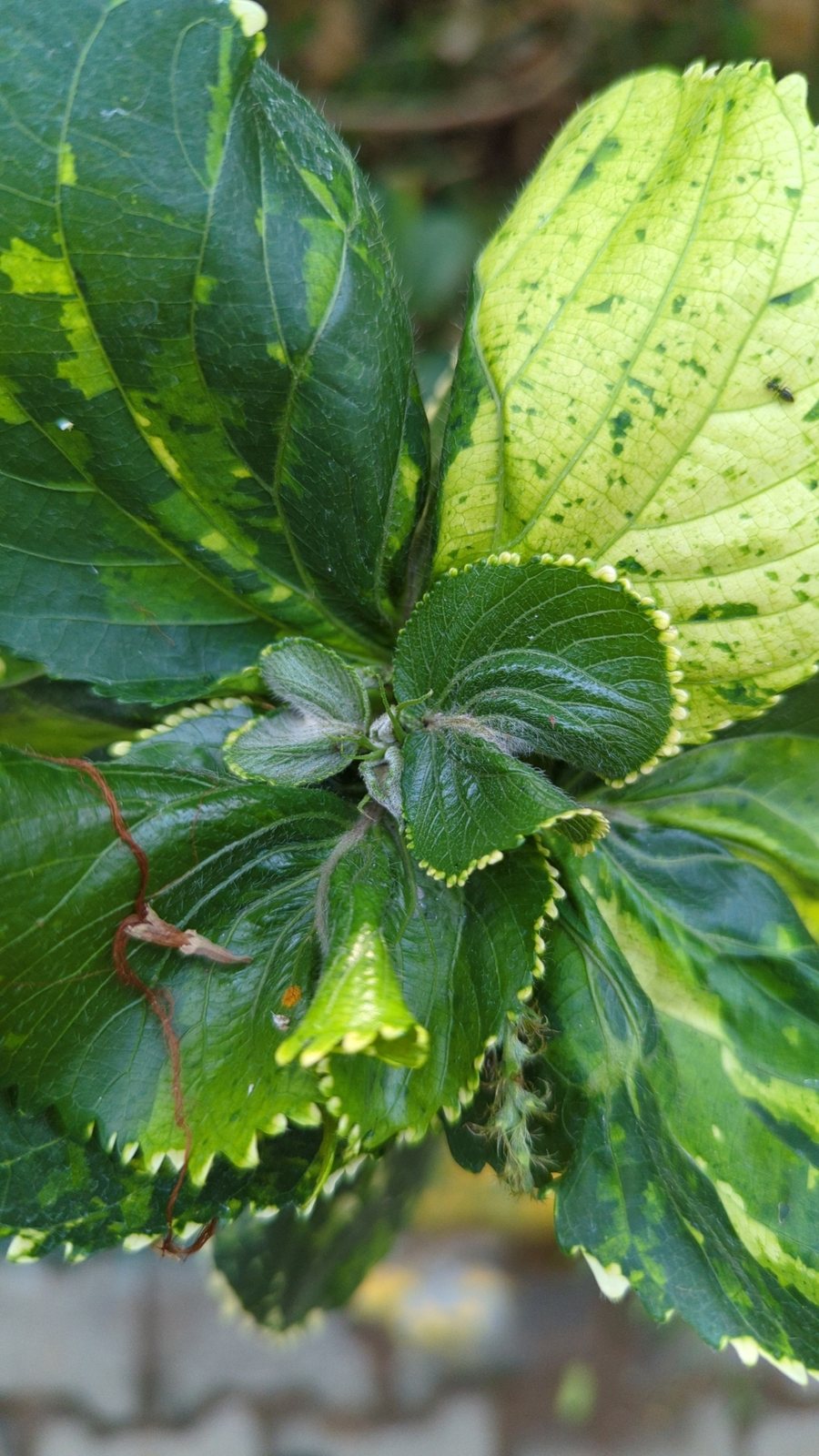
- Evergreen. Broad, toothed, oval to heart-shaped leaves, often mottled or edged with copper, red, bronze, pink, cream or green. Colour and leaf shape vary considerably between cultivars.
- Growth
- Fast in warm weather; much slower in cool conditions.
- Care needed
- Medium
The year at a glance
- Heat tolerant
| J | F | M | A | M | J | J | A | S | O | N | D | |
|---|---|---|---|---|---|---|---|---|---|---|---|---|
| Plant |
Northern hemisphere months. In Australia, shift them by six.
- Difficulty
- Moderate
- Toughness
- Needs looking after
Will it suit your garden?
Pick your zone, country, light and whether you have pets.
Full sun is 6 or more hours of direct sun a day, part shade 3 to 6 hours, shade under 3.
How it grows
Planting day
1.6 ft (0.5 m)
After 1 year
2.9 ft (0.88 m)
After 2 years
4 ft (1.3 m)
After 3 years
5 ft (1.6 m)
After 5 years
8 ft (2.4 m)
full size
About 5 years to full size.
From a typical nursery size, at an average rate for this kind of plant. A rule of thumb, not a forecast.
Good to know
- Cats and dogs
- Mildly toxic: may upset a stomach
- Growth rate
- Moderate
Care
Jobs through the year
- WaterApr–May, Sep–Oct, every 7 days
- Water as the soil surface dries; temperate gardens need seasonal pots, checked more often than ground plants.
- WaterJun–Aug, every 7 days
- Water established ground plants deeply during dry weather; check pots and new plants daily.
- WaterJan–Mar, Nov–Dec, every 14 days
- Indoors, water sparingly as compost dries without letting the root ball dry completely.
- FeedApr–Aug, every 14 days
- Feed actively growing container plants with balanced liquid fertilizer at the label rate.
- MulchJun
- Mulch summer-planted specimens to retain moisture, keeping stems clear.
- PruneApr
- Shorten leggy stems above leaf joints as growth resumes; wear gloves.
- PruneMay–Aug
- Pinch shoot tips as needed to encourage bushy growth.
- ProtectSep–Oct
- Bring pots into a bright frost-free room before cold nights; alternatively overwinter rooted cuttings.
- ProtectMay–Jun
- Harden off gradually and move outdoors only when nights are consistently warm.
- Plant outside only after frost risk has passed and nights are consistently warm.
- Water deeply when the upper soil begins to dry; do not leave pots standing in water.
- Feed container plants with a balanced liquid fertiliser at the label rate during active growth.
- Mulch outdoor plants to conserve moisture, keeping mulch clear of the stems.
- In cold climates, move containers into a bright, frost-free room before autumn nights become cold.
Pruning. Pinch young shoots during spring and summer to encourage branching. Shorten leggy stems in spring as active growth resumes, cutting just above a leaf joint; wear gloves to avoid contact with the sap.
Through the year
- Spring
- Prune overwintered plants, refresh container compost and resume feeding when new growth appears.
- Late spring
- Harden off indoor plants gradually and plant outside once frost risk has passed and nights are warm.
- Summer
- Check soil moisture frequently, especially in pots, and pinch shoot tips for bushier growth.
- Summer
- Take stem cuttings and root them in warm, humid conditions.
- Early autumn
- In frost-prone areas, bring pots indoors or take cuttings to keep through winter.
- Winter
- Keep protected plants in bright light, water sparingly without letting roots dry out completely, and inspect for pests.
In the garden
- Use as a colourful informal hedge or screen in frost-free gardens.
- Place behind lower green foliage plants to make the copper and red leaves stand out.
- Grow in a large patio container as a seasonal focal point.
- Combine with cannas and elephant ears for a layered tropical border.
Garden styles it suits: Tropical, Modern tropical, Luxury resort, Caribbean, Florida subtropical and Hot border.
Plant it with: Cannas, Elephant ears, Coleus, Crotons, Cordylines and New Guinea impatiens.
Wildlife: Provides some shelter for small garden animals, but its inconspicuous flowers are not a major ornamental nectar resource.
Problems to watch for
- Spider mites cause fine speckling and webbing, especially indoors in dry air; rinse leaf undersides and use insecticidal soap labelled for the plant if needed.
- Mealybugs and scale collect on stems and leaf joints; isolate affected pots, remove small infestations by hand and treat persistent infestations with a suitable labelled product.
- Waterlogged soil causes yellowing and root rot; improve drainage and empty saucers after watering.
- Cold conditions cause leaf drop and shoot damage; move containers under cover before cold weather and delay outdoor planting until conditions are warm.
Safety
Leaves and sap are reported to cause stomach upset if swallowed, and sap can irritate skin. Keep it away from children and pets that chew plants, and wear gloves when pruning. Species-specific evidence for poisoning in cats, dogs and horses is limited, so do not treat it as safe to eat or use it where livestock can browse.
Easily confused with
Croton (Codiaeum variegatum)
Crotons usually have thicker, leathery leaves with smooth edges and conspicuous coloured veins; copperleaf has thinner leaves with clearly toothed edges.
Coleus (Coleus scutellarioides)
Coleus has opposite pairs of leaves and square young stems; copperleaf has alternate leaves and develops woody branches.
Chenille plant (Acalypha hispida)
Chenille plant usually has plain green leaves and long, fuzzy red flower tassels; copperleaf is grown for coloured foliage and has much less conspicuous flowers.
The name
Copperleaf refers to the coppery tones of its foliage, while wilkesiana honours the American naval officer and explorer Charles Wilkes.
Propagation. Take softwood or semi-ripe stem cuttings during warm weather. Remove the lower leaves and root in a moist, free-draining medium with warmth, high humidity and bright indirect light.
Checked against open data
- Accepted botanical name
- Acalypha wilkesiana
- In the US and Canada
- Introduced in the lower 48 states, Pacific Basin and Puerto Rico.
- Native range
- Bismarck Archipelago, Fiji, Solomon Is., Tuvalu and Vanuatu.
Sources: GBIF (CC BY 4.0), USDA PLANTS and Trefle (CC BY 4.0). The care and design notes are LandscapeGPT's own.
See it in your own yard.
Upload a photo of your yard and see it redesigned with plants that suit your climate, each checked against your zone.