Early Girl tomato
Solanum lycopersicum 'Early Girl'. Family Solanaceae. Annual.
Also called Early Girl hybrid tomato.
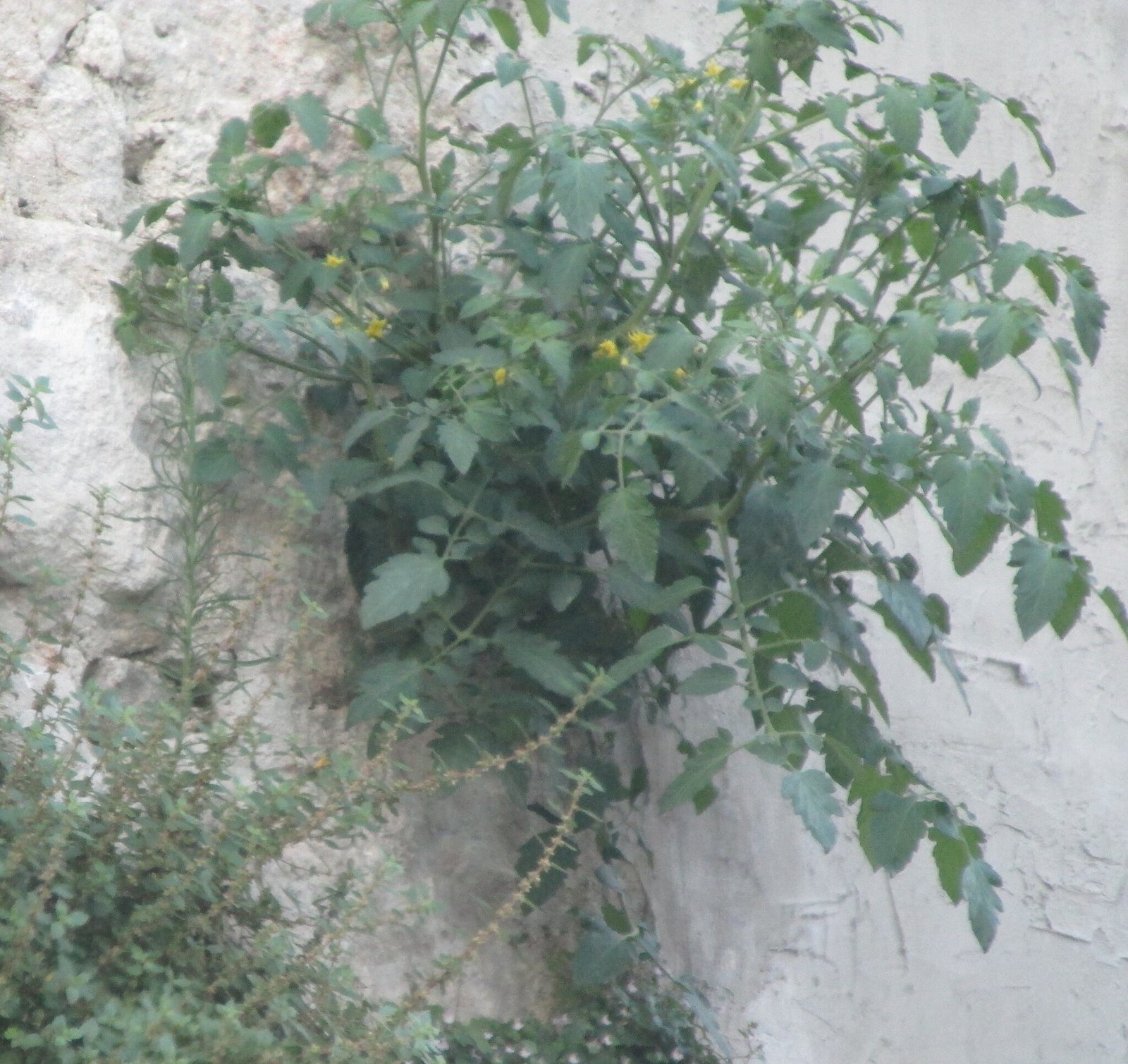
Early Girl is an early-cropping hybrid tomato grown as an annual for its medium-sized, round red fruit. Its indeterminate vines keep growing and cropping until cold weather stops them, so they need sturdy support. It is useful where summers are relatively short, though cool conditions still slow ripening.


At a glance
- Sun
- Full sun, ideally at least 6-8 hours daily; light afternoon shade can help in very hot climates.
- Water
- Keep the root zone evenly moist, not waterlogged. Water deeply at soil level; containers may need daily watering in hot weather.
- Soil
- Fertile, well-drained soil enriched with compost, ideally pH 6.0-6.8. Use fresh, good-quality potting mix in containers.
- Height
- 6-8 ft (1.8-2.4 m) with support; sometimes taller in a long growing season
- Spread
- 2-3 ft (0.6-0.9 m) when supported
- Flowers
- Small yellow flowers from late spring through summer and into autumn while conditions remain warm.
- Foliage
- Green, hairy, divided leaves with a strong tomato scent when handled.
- Growth
- Fast during warm weather
- Care needed
- Medium
The year at a glance
- Pollinators
- Low allergen
- Edible
| J | F | M | A | M | J | J | A | S | O | N | D | |
|---|---|---|---|---|---|---|---|---|---|---|---|---|
| Flowers | ||||||||||||
| Fruit | ||||||||||||
| Plant |
Northern hemisphere months. In Australia, shift them by six.
- Difficulty
- Moderate
- Toughness
- Fairly tough
Will it suit your garden?
Pick your zone, country, light and whether you have pets.
Full sun is 6 or more hours of direct sun a day, part shade 3 to 6 hours, shade under 3.
How it grows
Planting day
0.8 ft (0.25 m)
After 1 year
7 ft (2.1 m)
full size
Full size in one season.
From a typical nursery size, at an average rate for this kind of plant. A rule of thumb, not a forecast.
Good to know
- Cats and dogs
- Toxic
- Growth rate
- Fast
Care
Jobs through the year
- WaterMay, Sep–Oct, every 7 days
- For established plants in the ground, water deeply if soil is drying; adjust for rain and water new transplants more often.
- WaterJun–Aug, every 3 days
- Water established plants at soil level to maintain even moisture; adjust for rain and heat.
- FeedJun–Sep, every 14 days
- Once fruit sets, use tomato feed if soil fertility is low; follow the label and avoid excess nitrogen.
- MulchMay–Jun
- Mulch warmed, moist soil, keeping the stem clear.
- PruneJun–Aug, every 7 days
- Tie stems to supports, remove soil-touching leaves and pinch side shoots if training as a cordon.
- PruneSep
- Pinch out growing tips about a month before the first frost.
- HarvestJul–Oct
- Pick fully red fruit; gather mature green tomatoes before frost to ripen indoors.
- Plant out after frost risk has passed and nights are consistently above about 10°C; harden off indoor-grown plants first.
- Install a tall stake, strong cage or cord support at planting, and secure growing stems with soft ties.
- Water at the base before the root zone dries out; avoid repeated cycles of drought and heavy soaking.
- Mulch once the soil has warmed, keeping mulch clear of the stem.
- Feed container plants regularly with tomato fertiliser according to the label; avoid excessive nitrogen.
- Use a container of at least 10 US gallons (38 litres), preferably larger, with good drainage.
Pruning. During summer, remove young side shoots if training to one or two main stems; caged plants can retain more stems. Remove leaves touching the soil, and pinch out growing tips about a month before the expected first frost to favour existing fruit.
Harvest
Pick fruit when fully red and slightly yielding to gentle pressure, usually starting about 50-60 days after transplanting in warm conditions. Snip or gently twist fruit from the vine, checking every few days; before frost, bring mature green fruit indoors to ripen.
Through the year
- Late winter
- Sow indoors about 6-8 weeks before your expected last frost, providing warmth and strong light.
- Spring
- Prepare a sunny bed with compost, or fill a large container with fresh potting mix.
- Late spring
- Harden off and plant after frost risk has passed and nights are reliably mild; install supports.
- Summer
- Tie in stems, manage side shoots, water consistently and feed as needed.
- Summer
- Harvest ripe tomatoes frequently and inspect foliage for pests and disease.
- Early autumn
- In frost-prone areas, stop new shoot growth and remove late flowers unlikely to produce ripe fruit.
- Autumn
- Gather remaining mature fruit before frost, remove spent plants and clean supports.
In the garden
- Train vertically along the sunny edge of a vegetable bed to keep fruit accessible.
- Grow in a large patio container with a sturdy cage for a productive small-space feature.
- Use repeated stakes or cord-trained plants to give a potager height and structure.
- Underplant with early lettuce or low herbs, leaving enough space for airflow and picking.
Garden styles it suits: Potager (kitchen garden), Edible landscape, Homestead, Cottage garden, Small-space and Family-friendly.
Plant it with: Basil, Chives, Lettuce, French marigold and Sweet alyssum.
Wildlife: Flowers provide pollen for bumblebees and other visiting bees, although tomatoes are self-fertile. Birds and small mammals may eat ripe fruit.
Problems to watch for
- Blossom-end rot: dark, sunken patches develop at the blossom end of fruit. Keep moisture steady and protect roots; adding calcium rarely helps unless the soil is actually deficient.
- Blight and leaf spots: leaves develop spreading brown or black patches. Keep foliage dry, improve airflow and remove affected leaves; promptly remove plants with suspected late blight and seek local advice.
- Whitefly and aphids: inspect leaf undersides and shoot tips. Dislodge small infestations with water or use insecticidal soap labelled for edible crops, following harvest restrictions.
- Poor fruit set: prolonged cold or extreme heat can prevent flowers setting fruit. Maintain even watering, gently tap greenhouse flower trusses and provide ventilation or temporary shade during severe heat.
Safety
Ripe fruit is not known to be toxic to people, cats, dogs or horses. Leaves, stems and unripe green fruit contain glycoalkaloids and should not be eaten or fed to animals; substantial ingestion can cause digestive upset, weakness and other poisoning signs. Contact a veterinarian or poison service after significant ingestion.
Easily confused with
Bush Early Girl tomato (Solanum lycopersicum 'Bush Early Girl')
A separate, compact determinate hybrid that stops extending its main shoots after setting flower clusters, unlike standard Early Girl's continuing vine growth.
The name
The name Early Girl refers to the cultivar's relatively early harvest.
Propagation. Grow from purchased F1 hybrid seed, or buy young plants. Saved seed will not reliably produce true Early Girl plants; healthy side shoots can be rooted as cuttings to copy a plant within the growing season.
Checked against open data
- Accepted botanical name
- Solanum lycopersicum
- In the US and Canada
- Introduced in Alaska, Hawaii, the lower 48 states, Pacific Basin, Puerto Rico and US Virgin Islands.
- Native range
- Peru.
- Measured
- Soil pH 7 to 7.5. Average height 19 cm.
Sources: GBIF (CC BY 4.0), USDA PLANTS and Trefle (CC BY 4.0). The care and design notes are LandscapeGPT's own.
See it in your own yard.
Upload a photo of your yard and see it redesigned with plants that suit your climate, each checked against your zone.