Everbearing strawberry 'Albion'
Fragaria × ananassa 'Albion'. Family Rosaceae. Perennial.
Also called Fragaria × ananassa 'Albion', Day-neutral strawberry 'Albion', Garden strawberry 'Albion'.
'Albion' is a day-neutral strawberry grown for large, firm, sweet red berries produced in repeated flushes from late spring or early summer into autumn. It suits beds, raised beds and containers, although extreme summer heat can interrupt flowering and fruiting.
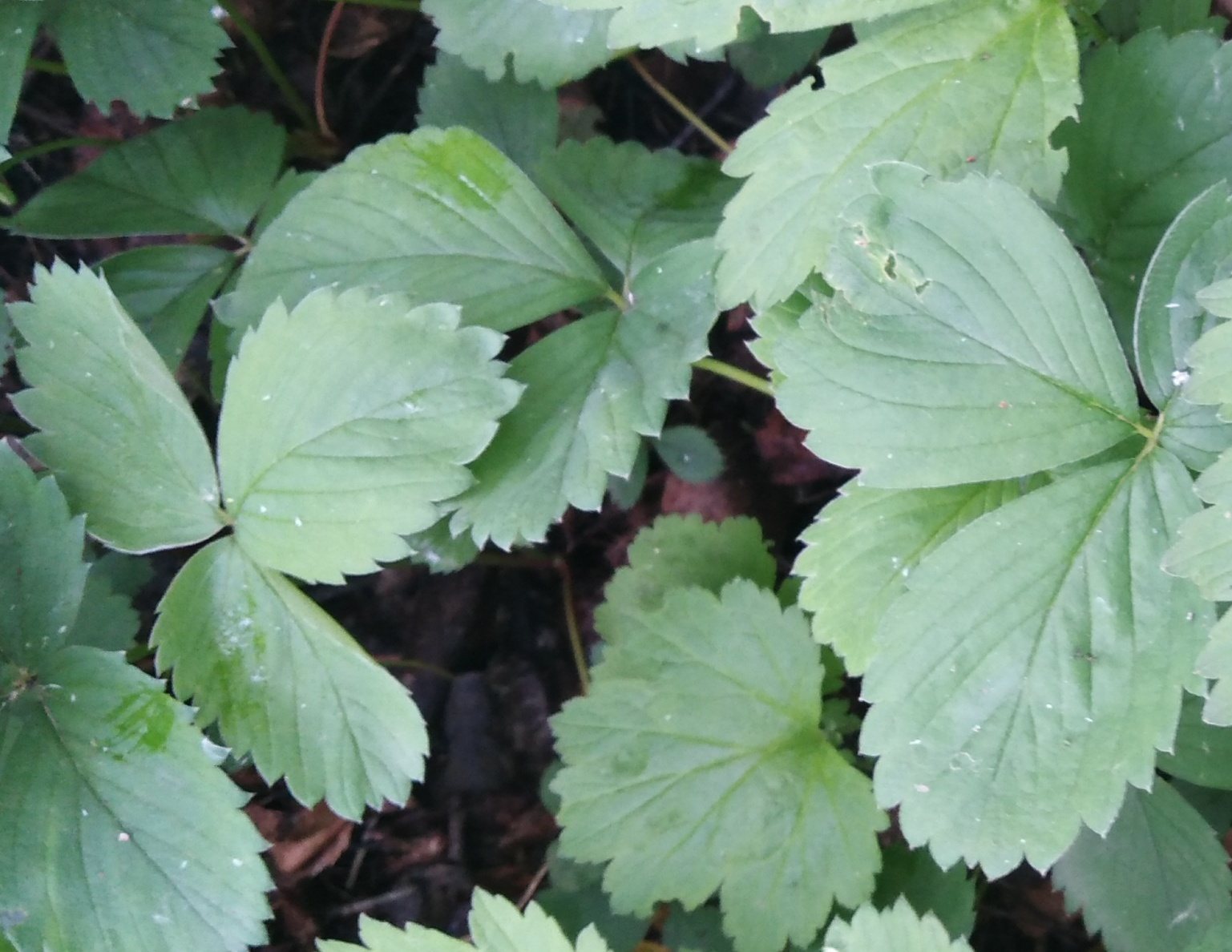
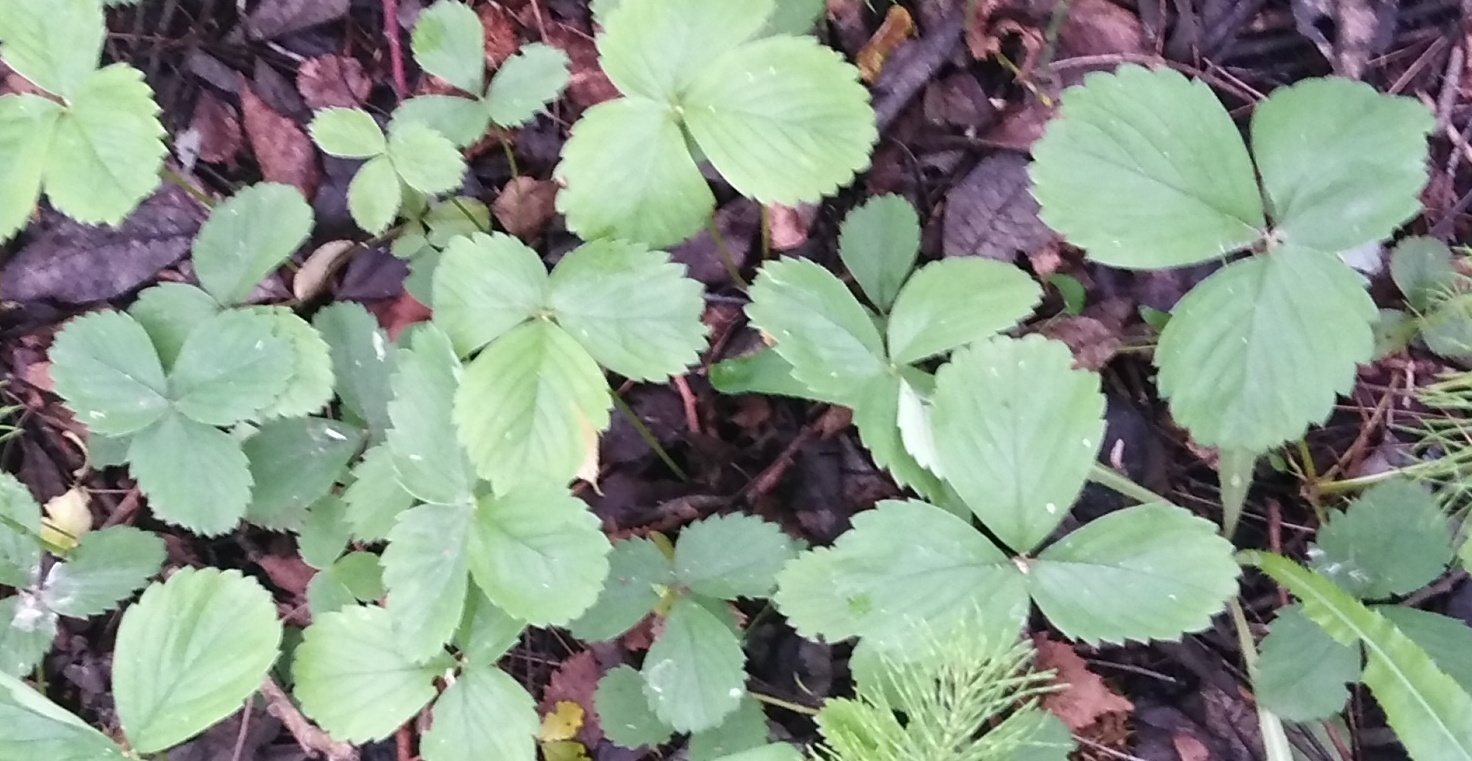
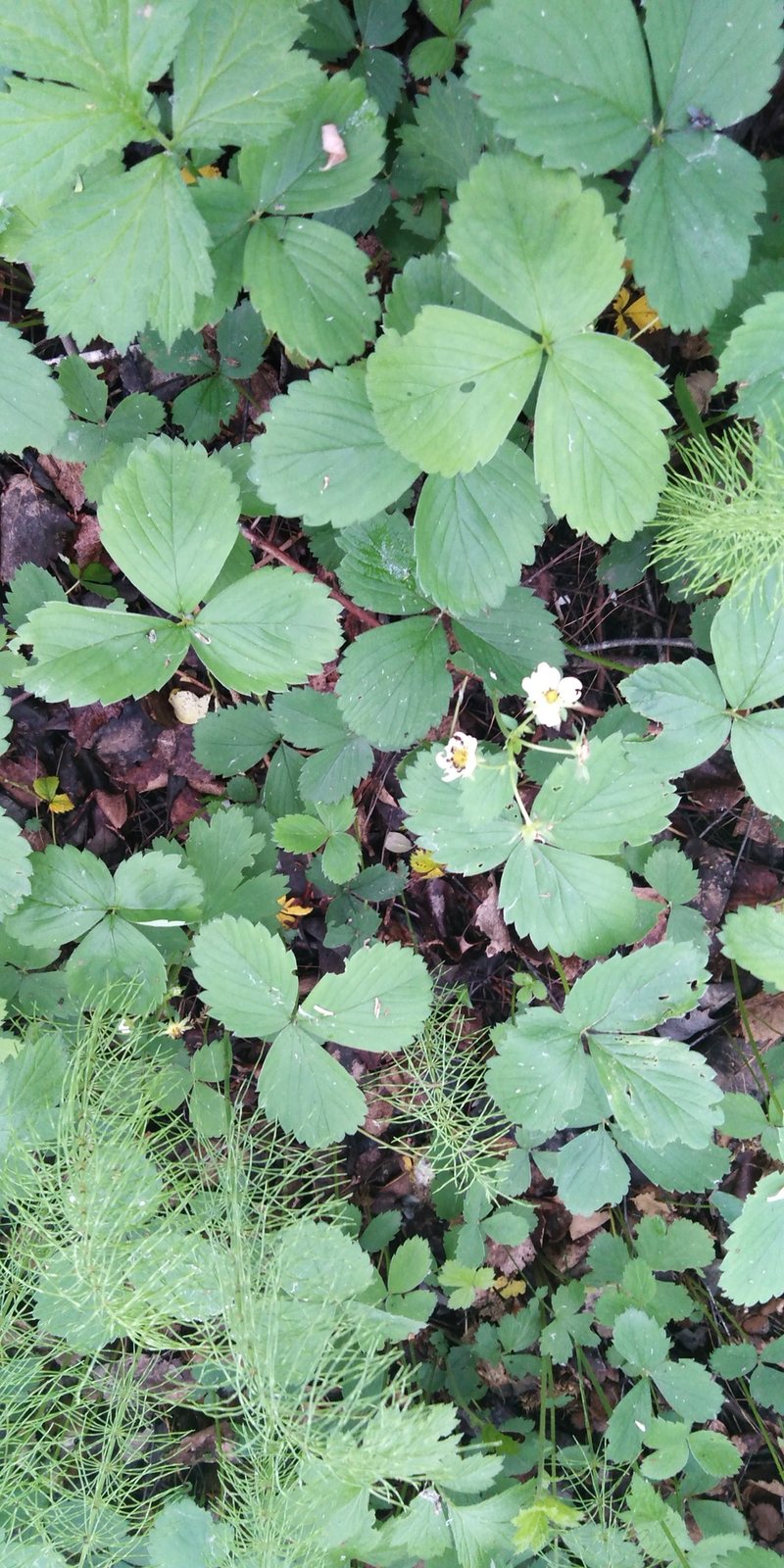
At a glance
- Sun
- Full sun, ideally at least 6 hours daily; light afternoon shade can help in very hot climates.
- Water
- Keep evenly moist, especially during flowering and fruiting. Water at soil level and avoid waterlogged soil.
- Soil
- Fertile, humus-rich, well-drained soil, preferably slightly acidic, around pH 5.5-6.5.
- Height
- 0.5-1 ft (0.15-0.3 m)
- Spread
- 1-2 ft (0.3-0.6 m), with additional spread from runners
- Flowers
- White flowers with yellow centres from spring into autumn, often in repeated flushes.
- Foliage
- Three-part, toothed green leaves forming low leafy crowns; semi-evergreen in mild climates and usually dormant in cold winters.
- Growth
- Fast during the growing season.
- Care needed
- Medium
The year at a glance
- Pollinators
- Wildlife
- Low allergen
- Edible
| J | F | M | A | M | J | J | A | S | O | N | D | |
|---|---|---|---|---|---|---|---|---|---|---|---|---|
| Flowers | ||||||||||||
| Fruit | ||||||||||||
| Plant |
Northern hemisphere months. In Australia, shift them by six.
- Difficulty
- Moderate
- Toughness
- Fairly tough
Will it suit your garden?
Pick your zone, country, light and whether you have pets.
Full sun is 6 or more hours of direct sun a day, part shade 3 to 6 hours, shade under 3.
How it grows
Planting day
0.7 ft (0.22 m)
full size
About 2 years to full size.
From a typical nursery size, at an average rate for this kind of plant. A rule of thumb, not a forecast.
Good to know
- Cats and dogs
- Safe
- In the garden
- Spreads vigorously: plan to contain it.
- Growth rate
- Fast
Care
Jobs through the year
- WaterMar–Apr, Oct, every 7 days
- Water established plants when rain is insufficient; new plants need consistently moist soil.
- WaterMay–Sep, every 7 days
- Supply about 2.5 cm weekly including rain at soil level; water more often in hot dry spells.
- FeedMar–Apr
- Apply a light spring feed without excessive nitrogen.
- FeedMay–Sep, every 14 days
- Use strawberry or tomato fertilizer during cropping, following the product's rate and interval.
- MulchMay
- Place clean straw beneath developing berries to keep fruit off damp soil.
- MulchNov–Dec
- In cold areas, cover dormant plants with loose straw after the ground chills.
- ProtectMar–Apr
- Remove winter straw gradually as growth resumes; protect open flowers from late frost.
- ProtectMay–Oct
- Protect ripening fruit with taut wildlife-safe netting on a frame and check for slugs.
- PruneMar–Oct
- Remove dead leaves and unwanted runners; never shear the whole planting after the first crop.
- HarvestMay–Oct
- Pick fully red berries with their green caps attached and remove spoiled fruit.
- Plant with the crown at soil level, spacing plants 12-18 in (0.3-0.45 m) apart.
- Water deeply whenever the surface soil begins to dry; containers may need daily checks in warm weather.
- Feed lightly in spring, then use a strawberry or tomato fertiliser as directed during cropping; avoid excessive nitrogen.
- Spread clean straw beneath developing fruit to keep berries off damp soil.
- Remove unwanted runners to direct growth into fruit, keeping a few only when you need replacement plants.
- In cold-winter areas, cover dormant plants with loose straw after the ground has chilled, then uncover as spring growth starts.
Pruning. Remove dead or diseased leaves and unwanted runners throughout the growing season without damaging the crown. Do not shear the whole planting after its first crop as you might with June-bearing strawberries, because 'Albion' continues flowering.
Harvest
Pick berries when they are red all over and fragrant, usually from late spring or early summer until autumn frosts, with timing varying by climate and planting date. Snip or pinch the stalk just above the berry, leaving its green cap attached; strawberries do not sweeten after picking. Healthy spring-planted plants can give a worthwhile crop in their first growing season, with stronger production once established.
Through the year
- Early spring
- Remove winter mulch gradually, clear dead leaves and check that crowns have not been lifted by frost.
- Spring
- Plant healthy young plants at crown level, water thoroughly and apply a light feed.
- Late spring
- Place clean straw under developing berries and protect ripening fruit with taut, wildlife-safe netting.
- Summer
- Harvest frequently, maintain steady moisture and remove unwanted runners.
- Late summer
- Root selected runners for replacement plants and remove damaged or mouldy fruit promptly.
- Late autumn
- Clear spoiled fruit and dead foliage; mulch dormant plants where winters are cold.
In the garden
- Edge raised vegetable beds with low foliage, white flowers and accessible fruit.
- Grow in patio pots or troughs near a sunny seating area for easy picking.
- Use in a potager alongside chives, lettuce and other low edible crops.
- Plant in dedicated berry beds with straw paths for a tidy, productive layout.
Garden styles it suits: Potager (kitchen garden), Edible landscape, Cottage garden, Family-friendly, Small-space and Homestead.
Plant it with: Chives, Lettuce, Thyme and Borage.
Wildlife: Flowers provide pollen and nectar for bees and other insects. Birds and small mammals eat the berries; use taut, small-mesh wildlife-safe netting on a frame rather than loose netting.
Problems to watch for
- Grey mould: remove affected berries immediately, space plants for airflow and keep fruit dry and off the soil.
- Slugs and snails: check plants after dark, remove hiding places and use locally approved iron phosphate bait if needed.
- Vine weevil: inspect container-grown plants for root-feeding larvae and use suitable beneficial nematodes when soil temperatures meet the product's requirements.
- Poor fruiting: provide enough sun, avoid nitrogen-heavy feeding and maintain moisture; flowering may pause during extreme heat.
Safety
Not known to be toxic to cats, dogs, horses or people. The fruit is edible; strawberry allergy can cause reactions in susceptible people, and large amounts may upset pets' stomachs.
Easily confused with
Mock strawberry (Potentilla indica)
Has yellow rather than white flowers and usually upright, round red fruit with little flavour.
Wild strawberry (Fragaria vesca)
Usually has much smaller, intensely fragrant berries and finer foliage; 'Albion' bears large, firm garden strawberries.
The name
Fragaria comes from the Latin name for strawberries, while ananassa refers to pineapple, reflecting the fruit's aroma.
Propagation. Root runner plantlets in small pots while they remain attached to the parent, then detach once well rooted. 'Albion' produces relatively few runners; seed-grown plants will not reliably match the cultivar.
Checked against open data
- Accepted botanical name
- Fragaria ananassa
Sources: GBIF (CC BY 4.0). The care and design notes are LandscapeGPT's own.
See it in your own yard.
Upload a photo of your yard and see it redesigned with plants that suit your climate, each checked against your zone.