Fat Albert blue spruce
Picea pungens 'Fat Albert'. Family Pinaceae. Tree.
Also called Fat Albert Colorado blue spruce, Picea pungens 'Fat Albert'.
A dense, broadly pyramidal evergreen grown for its silver-blue needles and naturally symmetrical shape. It grows more slowly and stays smaller than typical Colorado blue spruce, but it is not a dwarf and eventually needs substantial space. It performs best in cold-winter climates with relatively cool, dry summers; hot, humid conditions encourage disease.
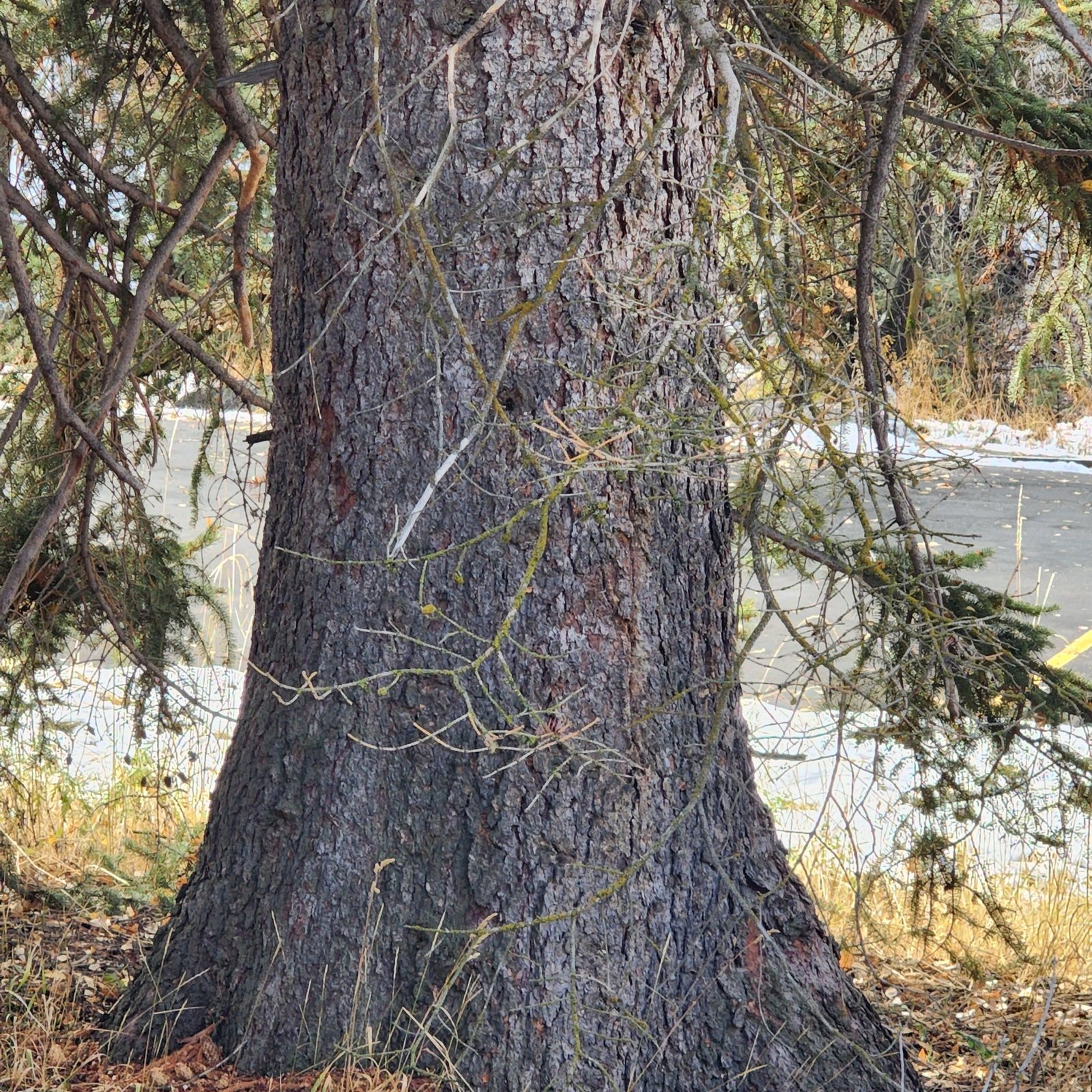
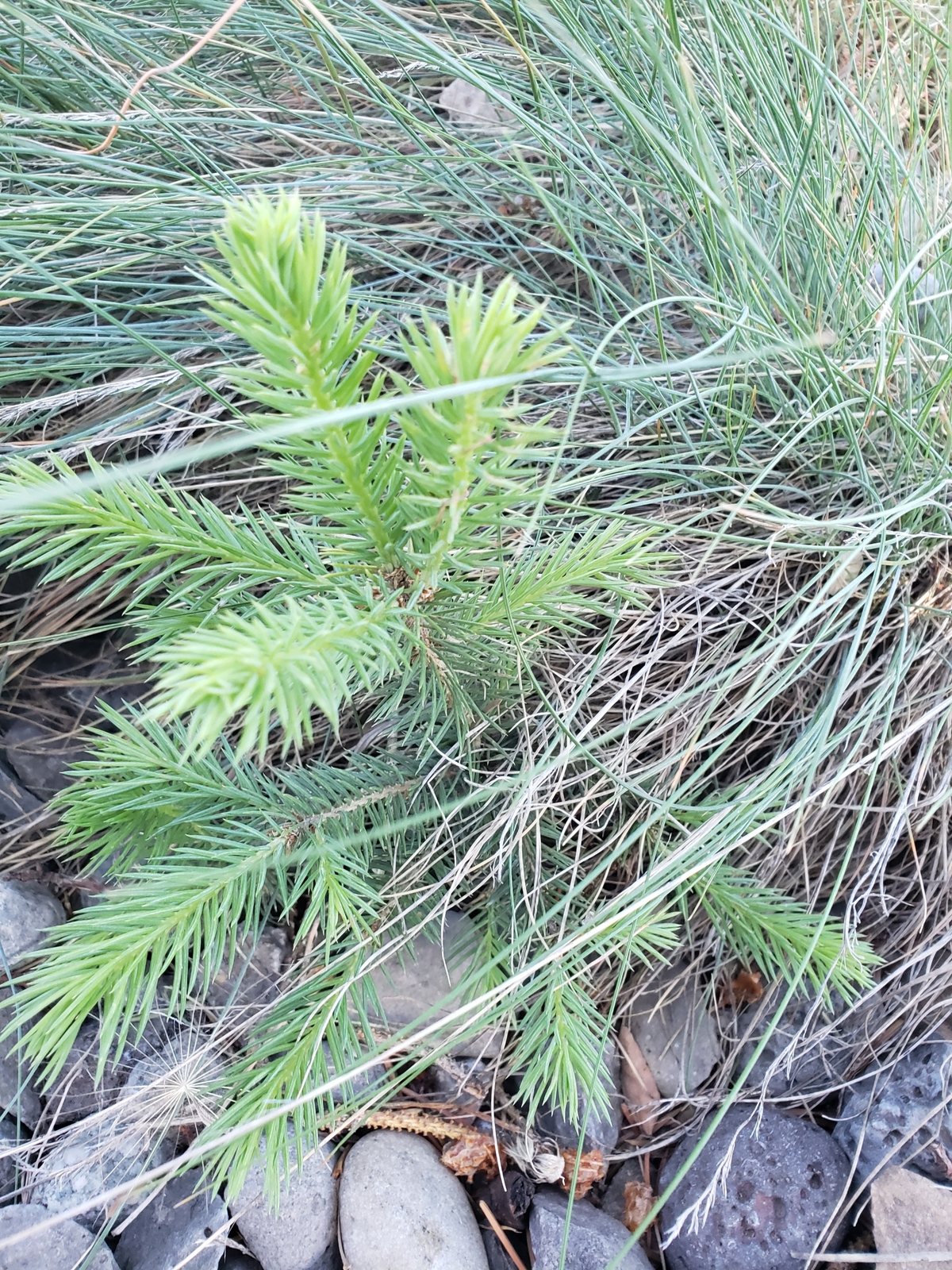
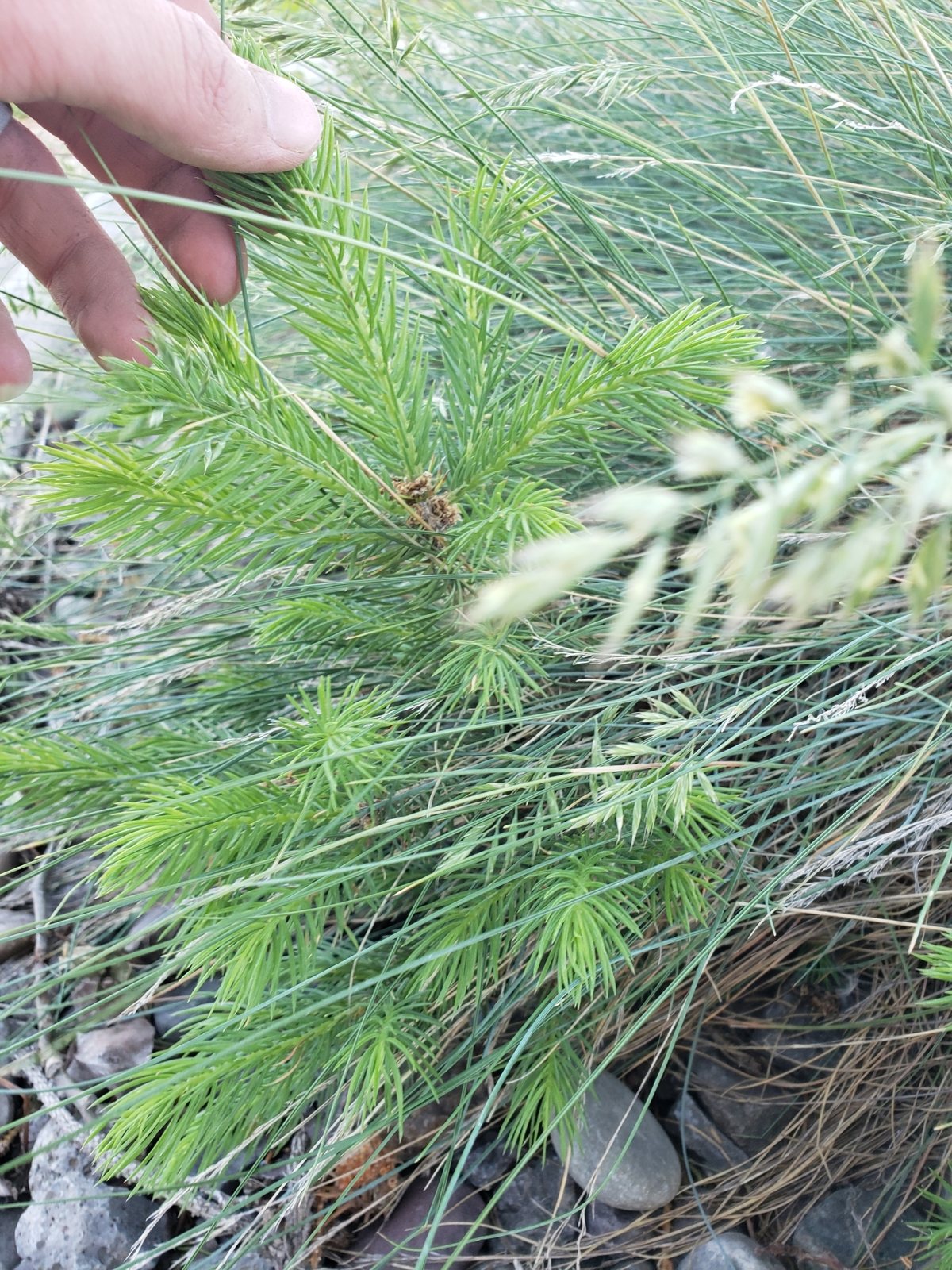
At a glance
- Sun
- Full sun; shade reduces density and blue colour.
- Water
- Water deeply during establishment and prolonged dry spells. Established trees tolerate some drought, but avoid both persistently wet soil and repeated severe drying.
- Soil
- Well-drained loam, sandy loam or clay loam; tolerates mildly acidic to alkaline soil. Avoid waterlogged ground and compacted planting sites.
- Height
- 30-40 ft (9-12 m) over several decades; old specimens may grow taller
- Spread
- 15-20 ft (4.5-6 m)
- Foliage
- Evergreen. Stiff, sharply pointed, silver-blue to blue-green needles held densely around the shoots; colour varies with conditions.
- Growth
- Slow to moderate, commonly 6-12 in (15-30 cm) a year once established.
- Care needed
- Medium
The year at a glance
- Deer resistant
- Cold hardy
- Wildlife
| J | F | M | A | M | J | J | A | S | O | N | D | |
|---|---|---|---|---|---|---|---|---|---|---|---|---|
| Fruit | ||||||||||||
| Plant |
Northern hemisphere months. In Australia, shift them by six.
- Difficulty
- Moderate
- Toughness
- Fairly tough
Will it suit your garden?
Pick your zone, country, light and whether you have pets.
Full sun is 6 or more hours of direct sun a day, part shade 3 to 6 hours, shade under 3.
How it grows
Planting day
7 ft (2 m)
After 1 year
8 ft (2.3 m)
After 2 years
9 ft (2.7 m)
After 3 years
10 ft (3 m)
After 5 years
12 ft (3.6 m)
About 26 years to full size.
From a typical nursery size, at an average rate for this kind of plant. A rule of thumb, not a forecast.
Good to know
- Cats and dogs
- Mildly toxic: may upset a stomach
- Native to
- the US
- Growth rate
- Slow
Care
Jobs through the year
- WaterApr–May, Sep–Nov, every 14 days
- Water established trees if dry and soil is unfrozen; young trees need more frequent checks.
- WaterJun–Aug, every 10 days
- Soak the root zone during dry spells; water young trees more often and keep foliage dry.
- MulchApr, Oct
- Maintain 5–8 cm of organic mulch, keeping the trunk and root flare clear.
- PruneFeb–Mar
- In dry weather, remove damaged or dead branches; preserve the leader and avoid bare old wood.
- ProtectJan–Feb, Nov–Dec
- Keep de-icing salt away and do not knock ice from frozen branches.
- Plant with the root flare at soil level, allowing room for the full mature width.
- Water the root area deeply during the first two growing seasons, allowing the surface soil to begin drying between waterings.
- Spread 2-3 in (5-8 cm) of organic mulch over the root area, keeping it clear of the trunk.
- Avoid overhead irrigation and crowded planting, which prolong needle wetness and favour disease.
- Feed only if a soil test or poor growth indicates a deficiency; avoid heavy nitrogen applications.
Pruning. Little shaping is needed; remove dead, damaged or crossing branches in late winter or early spring during dry weather. Preserve the central leader, and do not cut back into bare old wood, which usually will not regrow.
Through the year
- Late winter
- Inspect the leader and branches; remove broken or dead wood during dry weather.
- Spring
- Plant when the ground is workable, water thoroughly and apply mulch without covering the root flare.
- Late spring
- Check older needles for purple-brown discoloration and premature shedding, especially on lower branches.
- Summer
- Water during extended dry weather and keep sprinklers off the foliage.
- Autumn
- Check soil moisture before winter and water if autumn has been dry; renew mulch where needed.
- Winter
- Keep de-icing salt away from the root area and avoid knocking ice from frozen branches.
In the garden
- Use as a single lawn specimen where its full pyramidal outline can develop.
- Place behind low shrubs and perennials to provide a permanent blue backdrop.
- Pair with gold foliage or burgundy-leaved shrubs for a strong colour contrast.
- Use in a spacious mixed evergreen planting for winter structure, leaving generous gaps for airflow.
Garden styles it suits: Architectural minimal, Traditional, Winter interest, Mountain lodge, Formal and Blues and silvers.
Plant it with: Feather reed grass, Catmint, Russian sage, Stonecrop, Goldmound spirea and Creeping juniper.
Wildlife: Dense branches provide shelter and nesting cover for birds. Mature cones supply seeds for seed-eating birds and small mammals; this is a wind-pollinated tree rather than a nectar plant.
Problems to watch for
- Rhizosphaera and related needle casts: older needles turn purple-brown and fall, often starting low in the tree. Improve airflow, avoid wetting foliage and obtain a diagnosis; correctly timed preventative fungicides may protect new growth but cannot restore lost needles.
- Cytospora canker: lower branches die and may leak whitish resin. Reduce drought stress and remove affected branches during dry weather; there is no curative fungicide treatment.
- Spruce spider mites: needles become stippled or bronzed, especially in cool spring or autumn weather. Confirm mites by tapping a branch over white paper; use a firm water spray or a labelled miticide if damage is substantial.
- Waterlogging and root decline: yellowing, poor growth and dieback can follow persistently wet soil. Correct drainage or relocate a young tree rather than repeatedly adding water or fertiliser.
Safety
Not known to be toxic to people, cats, dogs or horses. The sharp needles can injure mouths, and chewing needles, bark or resin may cause irritation or stomach upset; it is not a food plant.
Easily confused with
Hoopsii blue spruce (Picea pungens 'Hoopsii')
Usually develops a taller, narrower outline with very bright silver-blue needles; young trees can be irregular. Cultivar identification from appearance alone is not always reliable.
Dwarf globe blue spruce (Picea pungens 'Glauca Globosa')
Usually forms a much smaller, rounded or broad mound rather than Fat Albert's upright pyramid, although older plants can develop a leader.
Blue Atlas cedar (Cedrus atlantica Glauca Group)
Its needles grow in conspicuous clusters on short shoots; spruce needles attach singly around each twig.
The name
The species name pungens means sharply pointed, referring to the stiff, prickly needles.
Propagation. Usually propagated by grafting onto spruce rootstock, a specialist nursery technique. Seedlings will not reliably retain the cultivar's blue colour, density or shape.
Checked against open data
- Accepted botanical name
- Picea pungens
- In the US and Canada
- Native in the lower 48 states. Introduced in Canada.
- Native range
- Arizona, Colorado, Idaho, Montana, New Mexico, Utah and Wyoming.
- Measured
- Soil pH 5.5 to 7.8. Average height 3024 cm.
Sources: GBIF (CC BY 4.0), USDA PLANTS and Trefle (CC BY 4.0). The care and design notes are LandscapeGPT's own.
See it in your own yard.
Upload a photo of your yard and see it redesigned with plants that suit your climate, each checked against your zone.