Firecracker penstemon
Penstemon eatonii. Family Plantaginaceae. Perennial.
Also called Firecracker beardtongue, Eaton's penstemon.
Firecracker penstemon is a drought-tolerant perennial from the western United States, grown for upright stems of narrow, scarlet-red flowers above a low leafy clump. It suits sunny gravel gardens and dry borders, but needs excellent drainage, especially through wet winters.
At a glance
- Sun
- Full sun; tolerates light afternoon shade in very hot inland gardens.
- Water
- Low once established. Water young plants regularly while roots develop, then water deeply only during prolonged dry spells, allowing the soil to dry between waterings.
- Soil
- Lean, sharply drained sandy, gravelly or rocky soil. Avoid waterlogged clay and heavily enriched beds.
- Height
- 1-3 ft (0.3-0.9 m)
- Spread
- 1-2 ft (0.3-0.6 m)
- Flowers
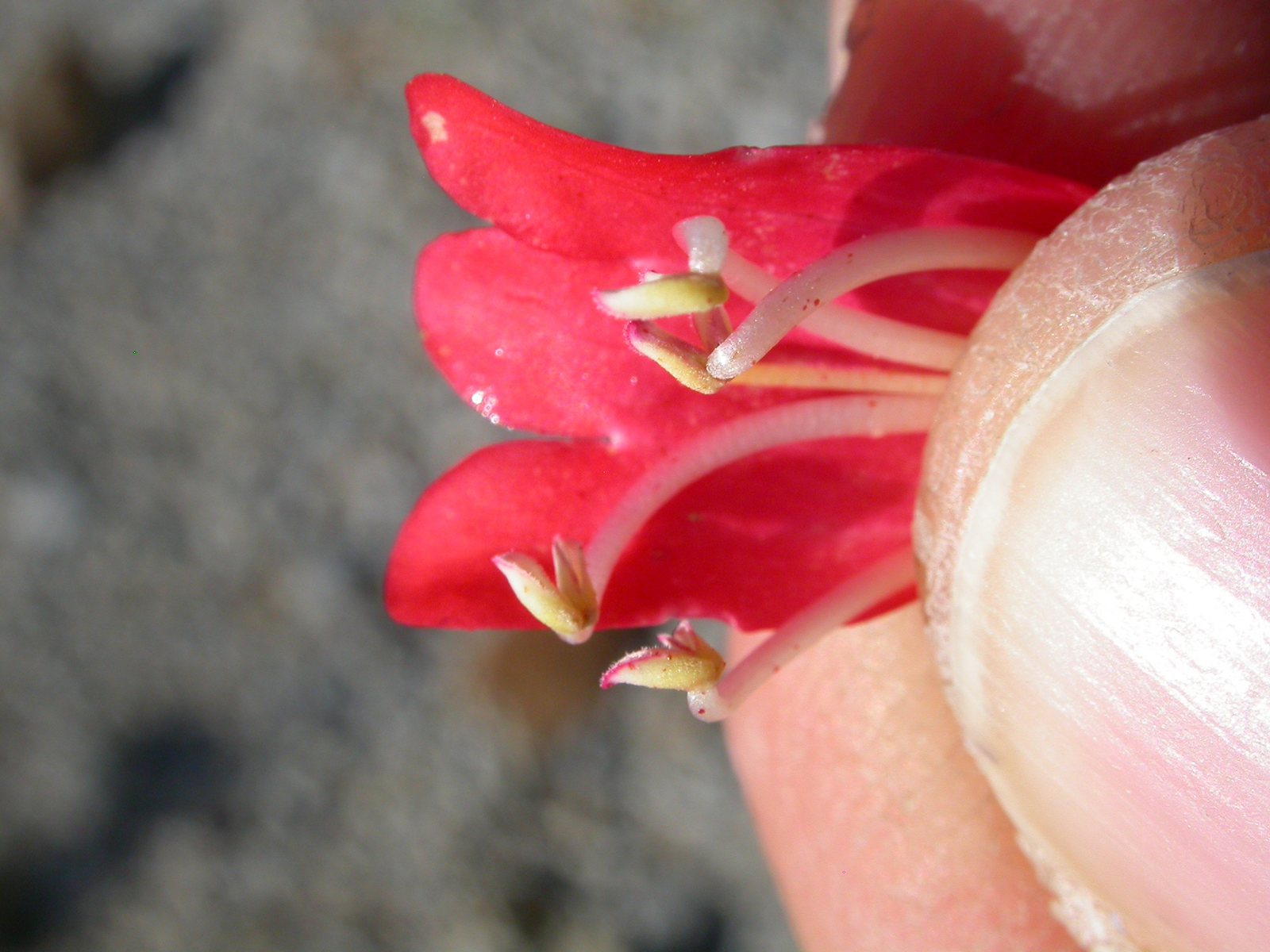
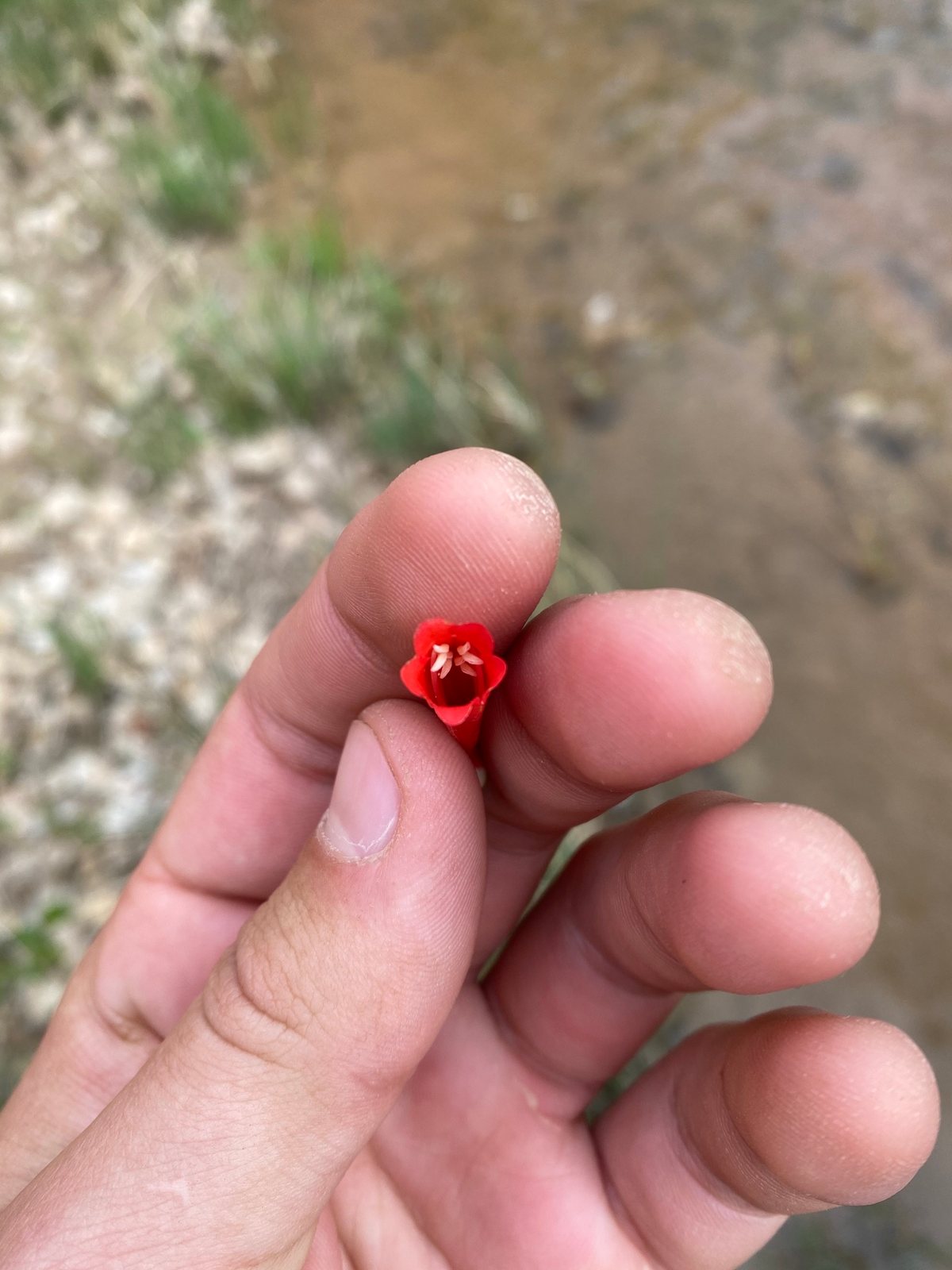
- Scarlet to orange-red tubular flowers in late spring and early summer; flowering may begin earlier in warm climates.
- Foliage
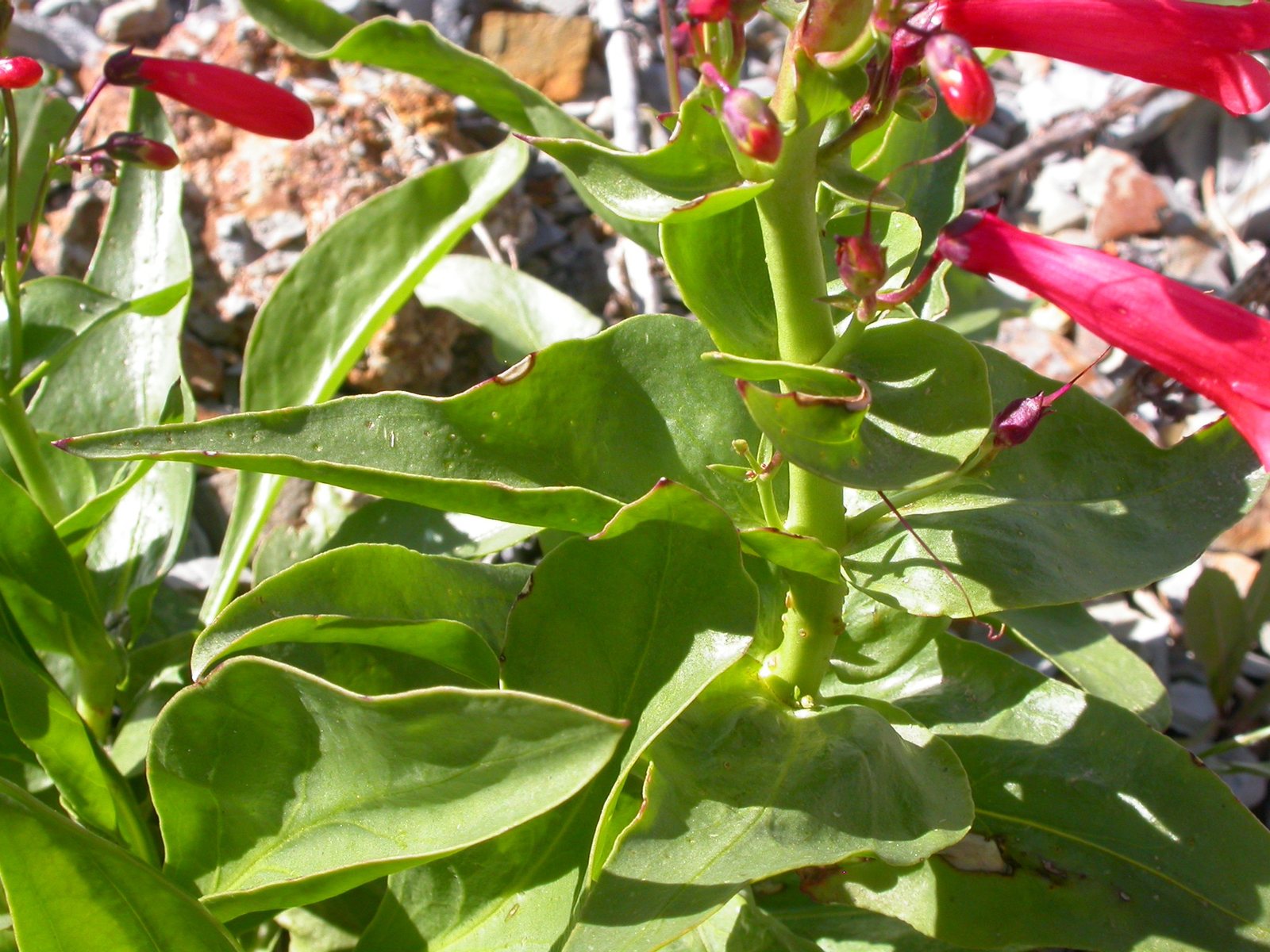
- Broad, leathery green basal leaves with smaller, opposite leaves along the flowering stems. The basal rosette is evergreen in mild conditions but may lose foliage in cold winters.
- Growth
- Moderate; usually reaches flowering size within one or two growing seasons.
- Care needed
- Low
The year at a glance
- Pollinators
- Deer resistant
- Drought tolerant
- Heat tolerant
- Wildlife
- Low allergen
| J | F | M | A | M | J | J | A | S | O | N | D | |
|---|---|---|---|---|---|---|---|---|---|---|---|---|
| Flowers | ||||||||||||
| Fruit | ||||||||||||
| Plant |
Northern hemisphere months. In Australia, shift them by six.
- Difficulty
- Moderate
- Toughness
- Fairly tough
Will it suit your garden?
Pick your zone, country, light and whether you have pets.
Full sun is 6 or more hours of direct sun a day, part shade 3 to 6 hours, shade under 3.
How it grows
Planting day
1 ft (0.3 m)
After 1 year
1.3 ft (0.4 m)
After 2 years
1.6 ft (0.5 m)
After 3 years
2 ft (0.6 m)
full size
About 3 years to full size.
From a typical nursery size, at an average rate for this kind of plant. A rule of thumb, not a forecast.
Good to know
- Cats and dogs
- Safe
- Native to
- the US
- Growth rate
- Moderate
Care
Jobs through the year
- WaterApr–May, Sep, every 28 days
- Water established plants only when thoroughly dry; water new plants more frequently.
- WaterJun–Aug, every 21 days
- Give established plants a deep soaking only during prolonged drought.
- PruneMar–Apr
- Remove dead leaves and damaged stems without cutting into the living crown.
- MulchApr
- Use a thin gravel mulch, leaving the crown clear.
- DeadheadJun–Jul, every 14 days
- Cut finished flower stalks to basal foliage, retaining selected stalks for seed.
- ProtectJan–Feb, Nov–Dec
- Clear wet debris from the rosette and shelter containers from persistent winter rain.
- Plant with the crown at soil level in a sunny, freely draining position.
- Water through the first growing season, letting the surface soil dry between waterings.
- Keep established plants on the dry side; avoid frequent lawn-style irrigation.
- Use a thin gravel mulch rather than moisture-holding mulch against the crown.
- Avoid routine feeding and rich compost, which can produce weak growth and shorten plant life.
Pruning. After flowering, cut spent flower stalks back to the basal foliage, leaving a few if you want seed. In early spring, remove dead leaves and damaged stems without cutting into the living crown.
Through the year
- Late winter
- Check that rain drains away from the crown and remove wet debris resting on the rosette.
- Early spring
- Remove winter-damaged foliage and inspect for slug damage around new growth.
- Spring
- Plant young plants after the soil becomes workable; water them in thoroughly.
- Late spring
- Enjoy the flowers and avoid feeding or frequent irrigation.
- Summer
- Cut back spent flower stalks, or let selected stalks ripen seed.
- Autumn
- Sow fresh seed outdoors in a well-drained pot or seedbed to receive natural winter chilling.
In the garden
- Plant repeated groups through a gravel garden for strong red accents above low foliage.
- Combine with blue-flowered sages and silver-leaved plants in a dry, sunny border.
- Use among small ornamental grasses for upright flower stems against soft, fine-textured foliage.
- Place on a sunny slope or raised bed where drainage is better than in surrounding ground.
Garden styles it suits: Desert / xeriscape, Dry gravel garden, Southwestern, Desert modern, Wildlife garden and Hot border.
Plant it with: Blue grama, Prairie dropseed, Threadleaf coreopsis, Blanket flower, Russian sage and Sulphur buckwheat.
Wildlife: The tubular red flowers attract hummingbirds in North America and are also visited by some bees. Hummingbirds do not occur naturally in the United Kingdom or Australia.
Problems to watch for
- Crown and root rot in wet soil: improve drainage or move the plant to a raised gravel bed; do not irrigate already moist soil.
- Slugs and snails eating young growth: remove hiding places and use wildlife-conscious controls where needed.
- Aphids on flower stems: rinse off small colonies with water and encourage natural predators.
- Flopping or short-lived plants in rich, heavily watered beds: stop feeding, reduce irrigation and provide full sun and leaner soil.
Safety
Not known to be toxic to people, cats, dogs or horses. Species-specific toxicity information is limited, and no particular poisonous part is established; it is an ornamental plant, not a food plant.
Easily confused with
Scarlet bugler (Penstemon barbatus)
Usually has narrower leaves and flowers with a conspicuously bent-back lower lip; firecracker penstemon has broader basal leaves and a more nearly tubular flower mouth.
Pineleaf penstemon (Penstemon pinifolius)
Forms a low, woody mound with tiny needle-like leaves, unlike the broad-leaved basal clump and taller flower stalks of firecracker penstemon.
The name
The species name eatonii honours American botanist Daniel Cady Eaton, while 'firecracker' refers to the bright red tubular flowers.
Propagation. Grow from seed sown outdoors in autumn, or give seed a period of cold, moist stratification before spring sowing; germination can be uneven. Take non-flowering basal cuttings in late spring or early summer. Established woody crowns are not good candidates for routine division.
Checked against open data
- Accepted botanical name
- Penstemon eatonii
- In the US and Canada
- Native in the lower 48 states.
- Native range
- Arizona, California, Colorado, Idaho, Nevada, New Mexico, Utah and Wyoming.
- Measured
- Soil pH 7 to 8. Average height 71 cm.
Sources: GBIF (CC BY 4.0), USDA PLANTS and Trefle (CC BY 4.0). The care and design notes are LandscapeGPT's own.
See it in your own yard.
Upload a photo of your yard and see it redesigned with plants that suit your climate, each checked against your zone.