Blue grama
Bouteloua gracilis. Family Poaceae. Ornamental grass.
Also called Blue grama grass, Mosquito grass.
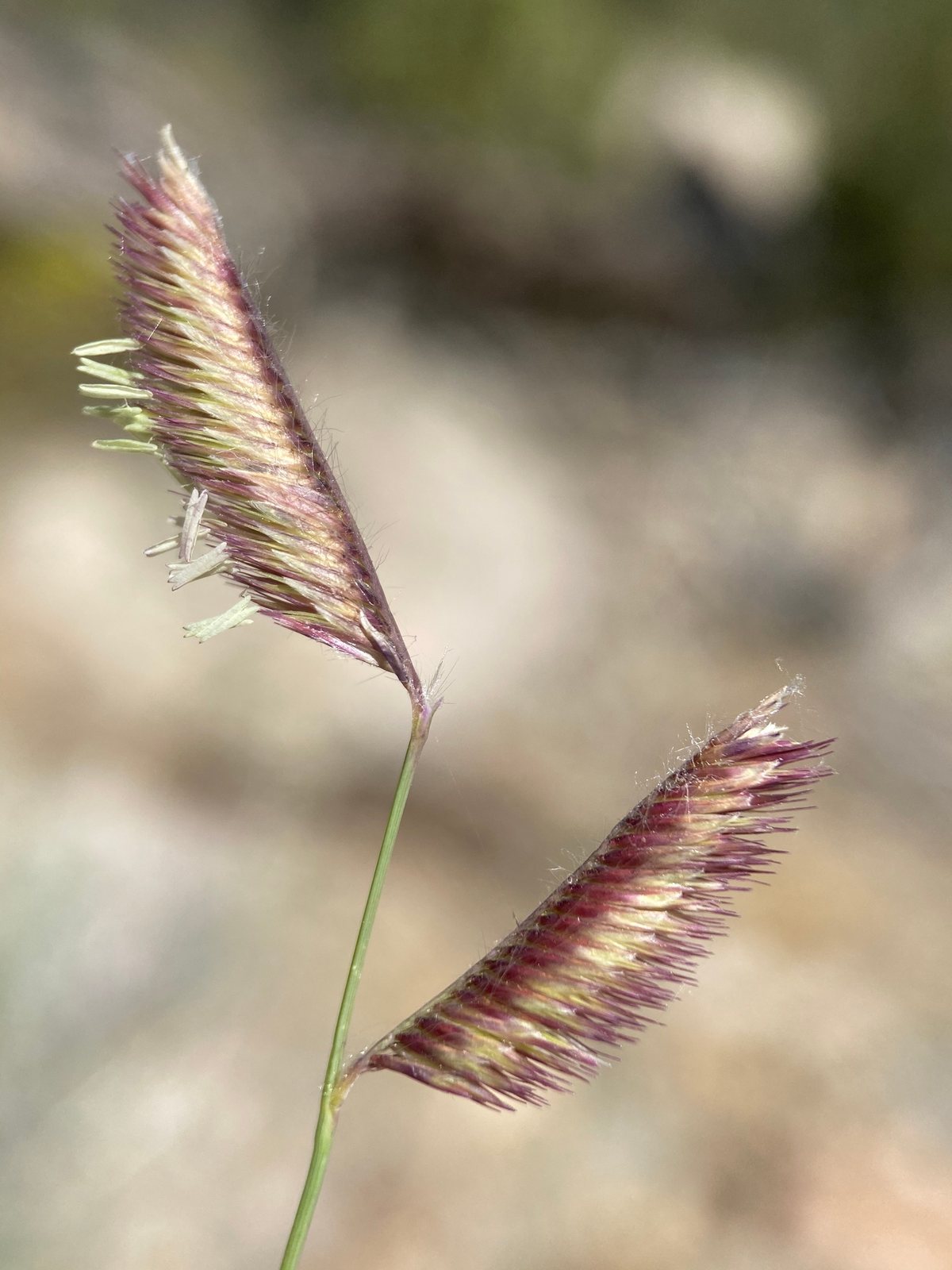
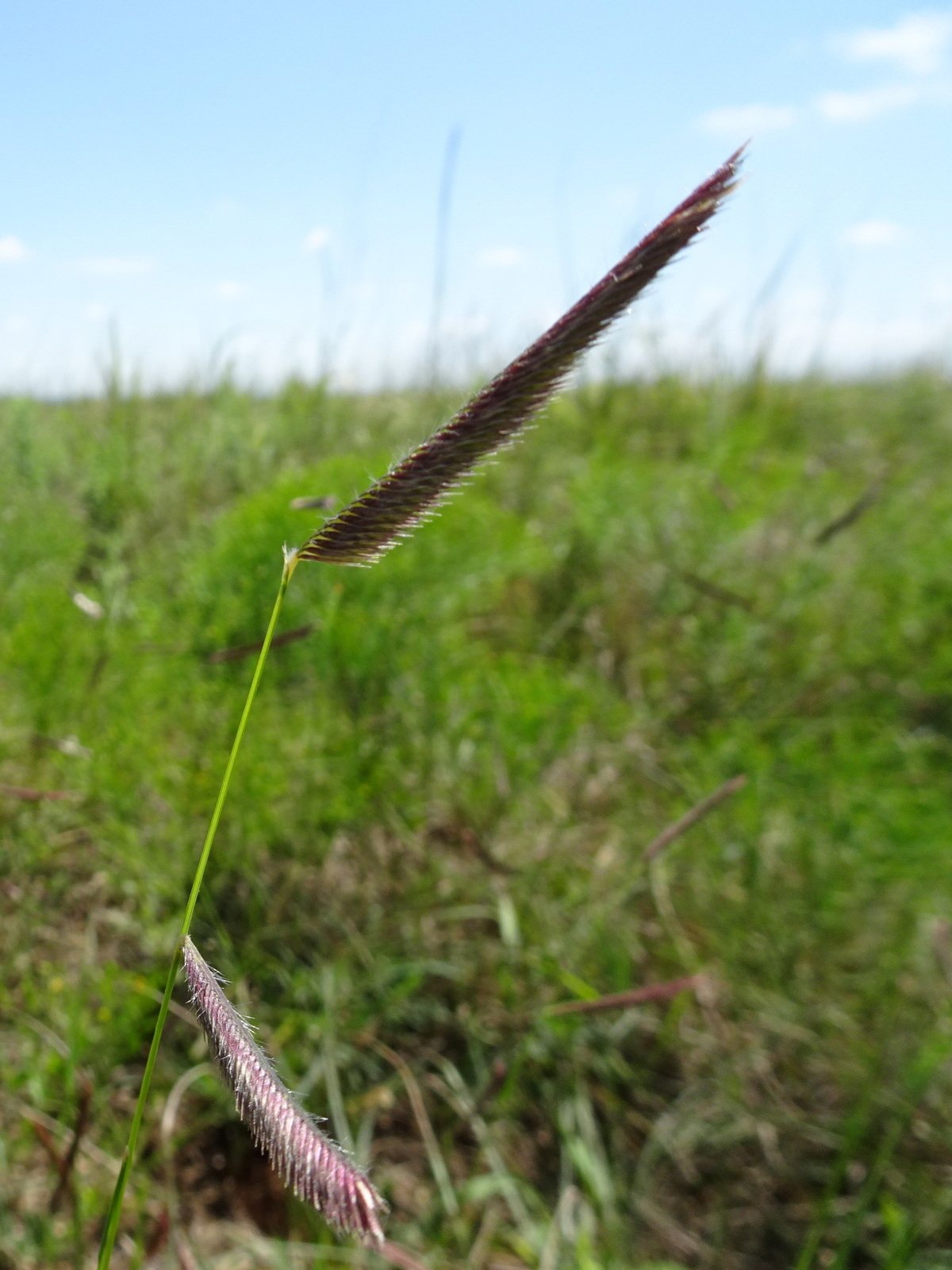
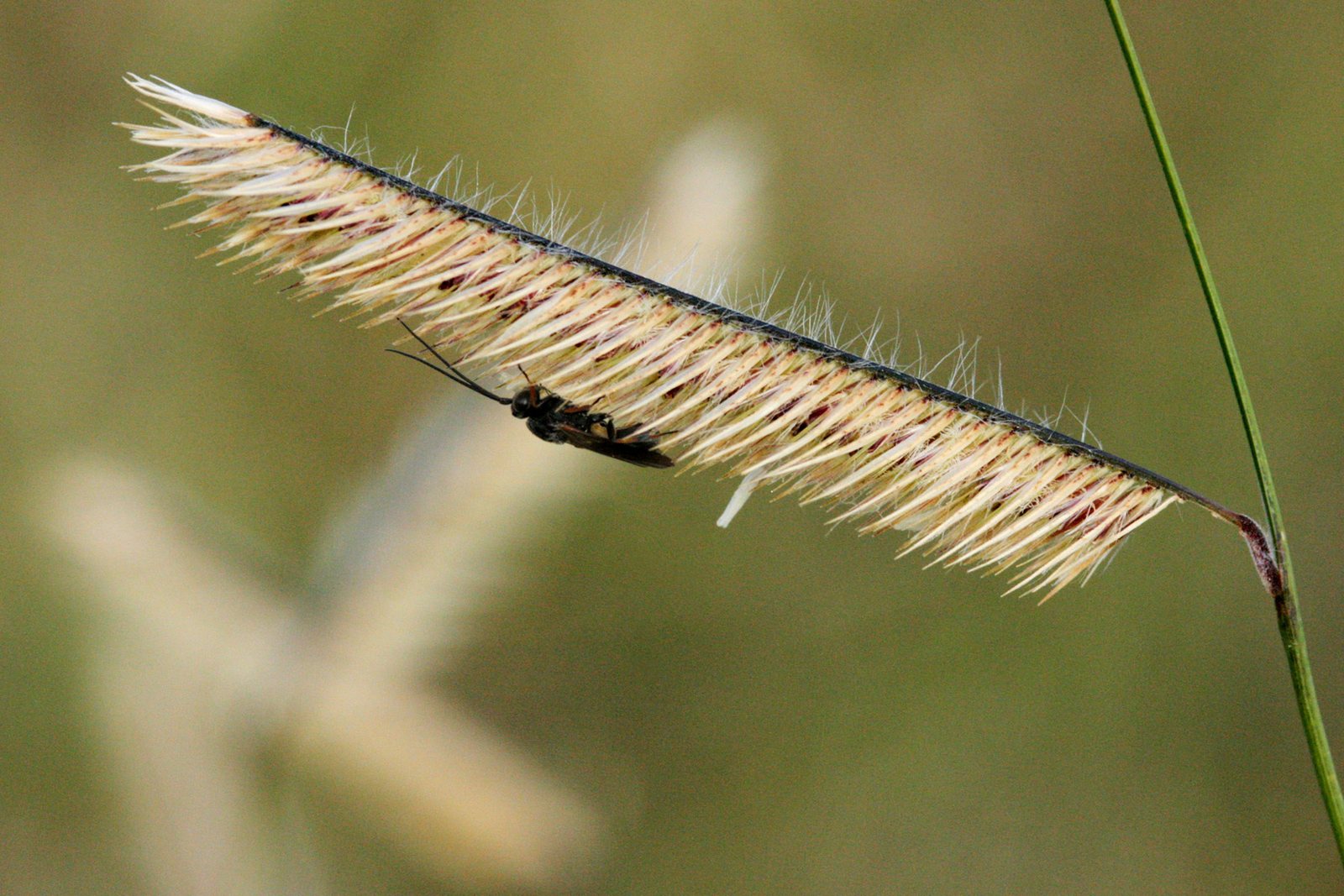
Blue grama is a compact, warm-season perennial grass native to North American prairies and dry plains. Gardeners grow it for its fine foliage, drought tolerance and distinctive, sideways-held flower heads that resemble tiny combs. It performs best with hot summers and good drainage; growth can be sparse in cool, wet climates.
At a glance
- Sun
- Full sun; flowering and growth weaken in shade.
- Water
- Low once established. Water regularly during establishment, then deeply but infrequently during prolonged dry weather.
- Soil
- Well-drained sandy, gravelly or loamy soil; tolerates clay if water drains freely. Prefers lean to moderately fertile soil and tolerates alkaline conditions.
- Height
- 1-2.5 ft (0.3-0.75 m), including flower stems
- Spread
- 1-2 ft (0.3-0.6 m)
- Flowers
- Summer to early autumn; green to purplish, comb-shaped flower heads fade to straw-brown and often remain through winter.
- Foliage
- Fine, narrow, grey-green to blue-green blades form a low tuft, turning golden-brown or straw-coloured in dormancy.
- Growth
- Moderate in warm weather; slow to establish or resume growth in cool conditions.
- Care needed
- Low
The year at a glance
- Deer resistant
- Drought tolerant
- Cold hardy
- Heat tolerant
- Wildlife
| J | F | M | A | M | J | J | A | S | O | N | D | |
|---|---|---|---|---|---|---|---|---|---|---|---|---|
| Flowers | ||||||||||||
| Fruit | ||||||||||||
| Plant |
Northern hemisphere months. In Australia, shift them by six.
- Difficulty
- Easy
- Toughness
- Very tough
Will it suit your garden?
Pick your zone, country, light and whether you have pets.
Full sun is 6 or more hours of direct sun a day, part shade 3 to 6 hours, shade under 3.
How it grows
Planting day
1.1 ft (0.35 m)
After 1 year
1.3 ft (0.4 m)
After 2 years
1.5 ft (0.46 m)
After 3 years
1.7 ft (0.51 m)
After 5 years
1.7 ft (0.53 m)
full size
About 3 years to full size.
From a typical nursery size, at an average rate for this kind of plant. A rule of thumb, not a forecast.
Good to know
- Cats and dogs
- Safe
- Growth rate
- Slow
Care
Jobs through the year
- WaterMay, Sep, every 21 days
- Water established clumps only during prolonged drought; water new plants more often as the root zone dries.
- WaterJun–Aug, every 14 days
- Water deeply only during prolonged dry weather; established plants usually need no irrigation.
- PruneFeb–Mar
- Cut old growth to 5–8 cm before new shoots emerge; retain seed heads through winter.
- DivideMay–Jun
- Divide congested clumps as warm-weather growth begins.
- ProtectJan–Feb, Nov–Dec
- Avoid repeated foot traffic over dormant plants, especially on wet soil.
- Plant after the soil has warmed, in full sun and freely draining ground.
- Water new plants when the root zone begins to dry; reduce watering once roots are established.
- Avoid routine feeding: rich soil and excess nitrogen encourage soft, floppy growth.
- Keep wet organic mulch away from the crown; use a light gravel mulch if needed.
- Divide congested clumps in late spring as active growth begins.
Pruning. Leave the dry foliage and seed heads standing through winter. In late winter or early spring, before new growth starts, cut ornamental clumps back to 2-3 in (5-8 cm), taking care not to damage emerging shoots.
Through the year
- Late winter
- Cut back old ornamental growth before new shoots emerge.
- Spring
- Remove weeds around dormant clumps; blue grama starts growing later than cool-season grasses.
- Late spring
- Plant, divide or sow once the soil is warm; keep seedbeds lightly moist until seedlings establish.
- Summer
- Water new plants during dry spells; established clumps usually need little supplemental water.
- Early autumn
- Collect ripe seed if wanted, or leave the heads for birds and winter structure.
- Winter
- Avoid walking repeatedly over dormant lawn plantings, especially when the soil is wet.
In the garden
- Plant in drifts through a dry meadow with prairie wildflowers for a low, open grass layer.
- Use along sunny gravel paths, where the comb-shaped flower heads can be seen close up.
- Combine with upright perennials such as purple coneflower and prairie blazing star for contrasting forms.
- Use as a low-water lawn alternative in suitable sunny climates where light foot traffic and winter browning are acceptable.
Garden styles it suits: Native meadow, Midwest prairie, Desert / xeriscape, Dry gravel garden, New perennial (prairie) and Southwestern.
Plant it with: Purple coneflower, Prairie blazing star, Butterfly weed, Prairie dropseed, Blanket flower and Purple prairie clover.
Wildlife: Seeds feed small birds, and clumps provide shelter for insects. It is a larval food plant for several North American skipper butterflies; wind-pollinated flowers offer little to bees.
Problems to watch for
- Crown or root rot in waterlogged soil: improve drainage or move plants to a raised, drier position.
- Sparse growth and poor flowering in shade or cool summers: choose the warmest, sunniest available site.
- Floppy growth in rich soil: stop feeding and reduce unnecessary irrigation.
- Weeds during establishment: clear perennial weeds before planting and hand-weed until the grass fills in.
Safety
Not known to be toxic to cats, dogs, horses or people. No part is recognised as poisonous; it is also used as livestock forage.
Easily confused with
Sideoats grama (Bouteloua curtipendula)
Usually taller, with many small, dangling flower clusters arranged down one side of the stem rather than one or a few broad, comb-like heads.
Buffalograss (Bouteloua dactyloides)
Forms a low carpet with conspicuous creeping runners. Its small male and female flower structures lack blue grama's distinctive comb-shaped heads.
The name
Bouteloua honours the Spanish botanist brothers Claudio and Esteban Boutelou, and gracilis means slender.
Propagation. Sow seed in late spring or early summer when the soil is warm, covering only lightly and keeping the surface moist until germination. Divide established clumps as warm-season growth begins. Seed-grown plants vary; divide named cultivars to retain their characteristics.
Checked against open data
- Accepted botanical name
- Bouteloua gracilis
Sources: GBIF (CC BY 4.0). The care and design notes are LandscapeGPT's own.
See it in your own yard.
Upload a photo of your yard and see it redesigned with plants that suit your climate, each checked against your zone.