Floss flower
Ageratum houstonianum. Family Asteraceae. Annual.
Also called Mexican ageratum, Ageratum.
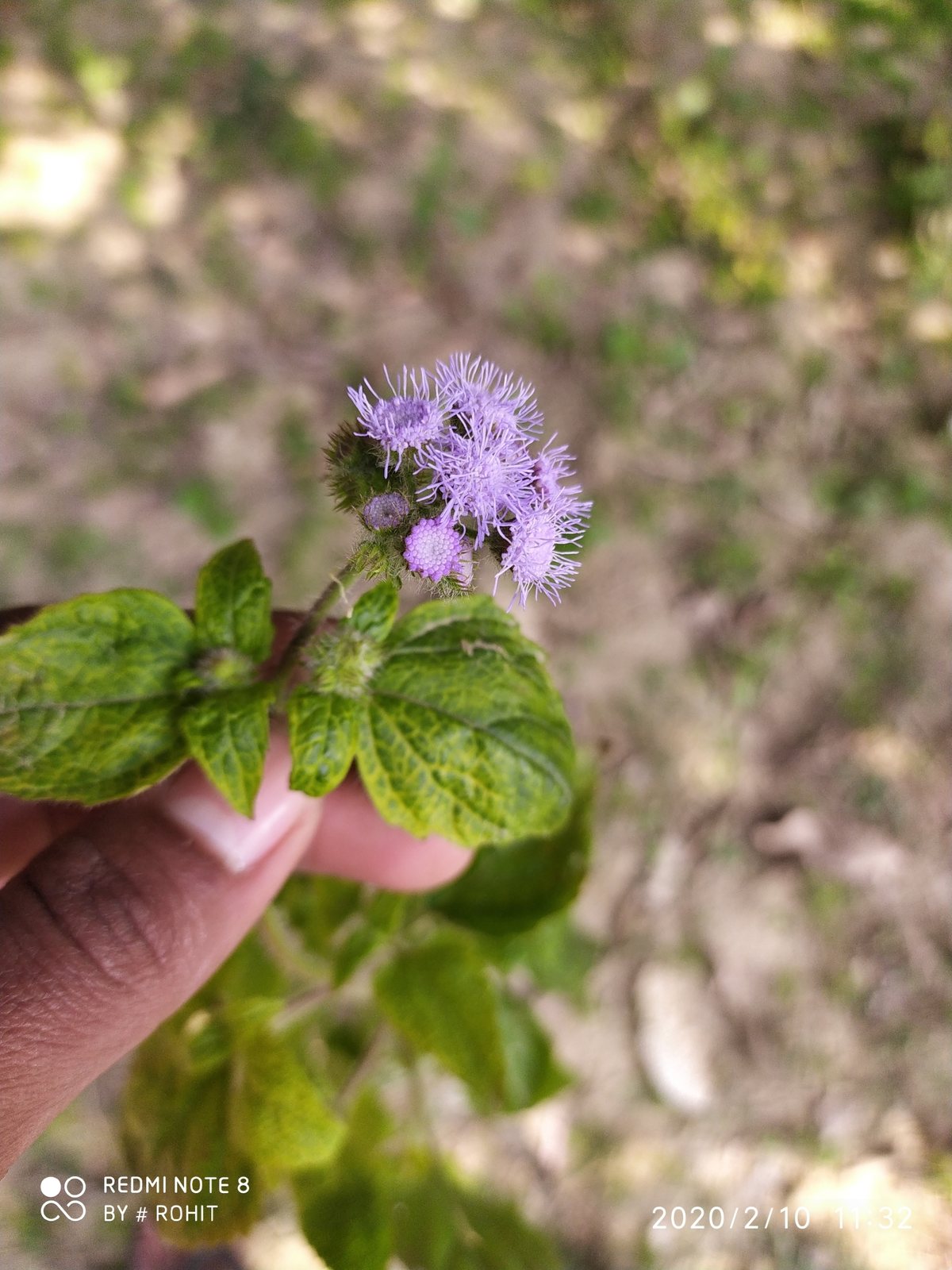
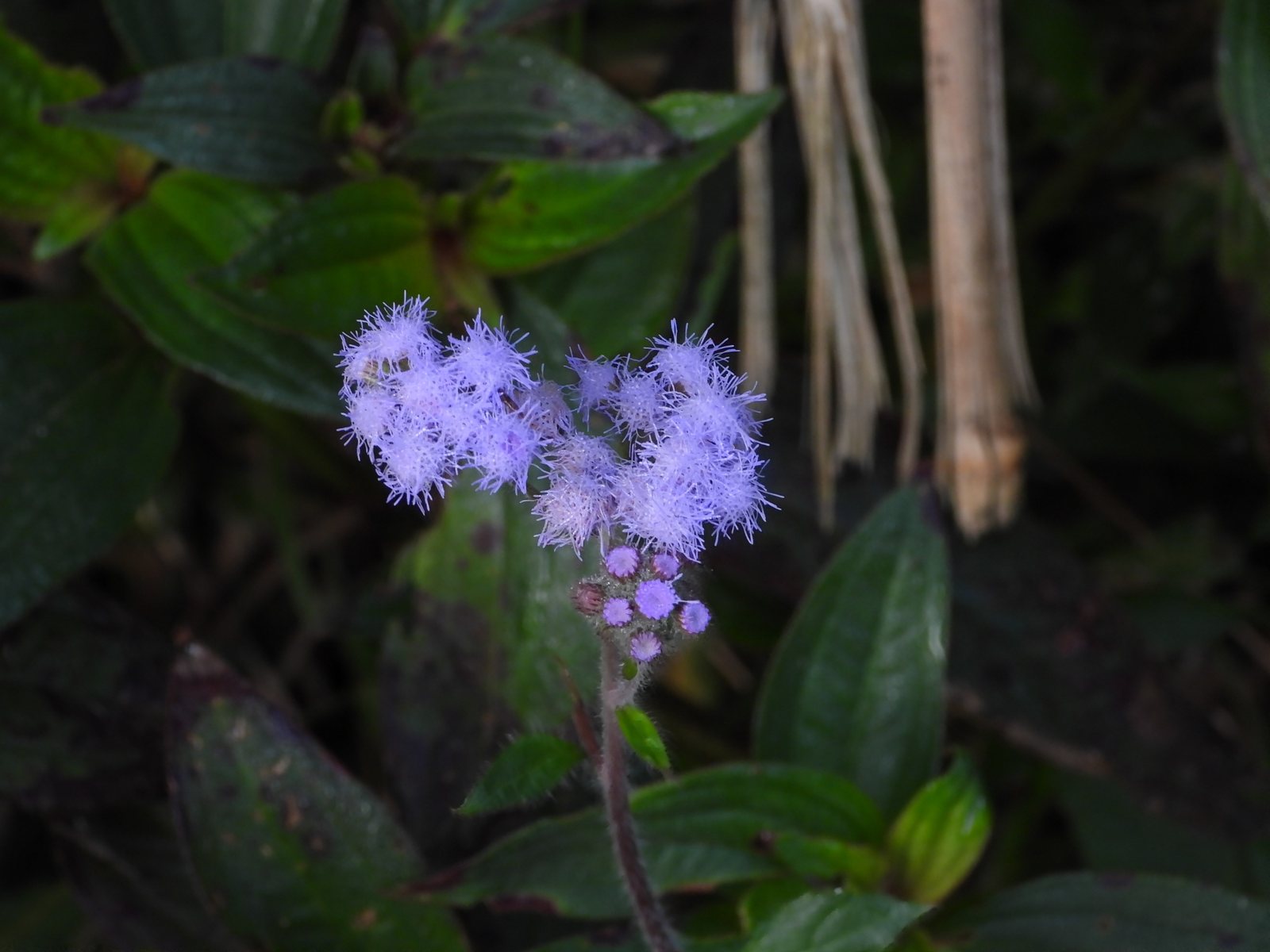
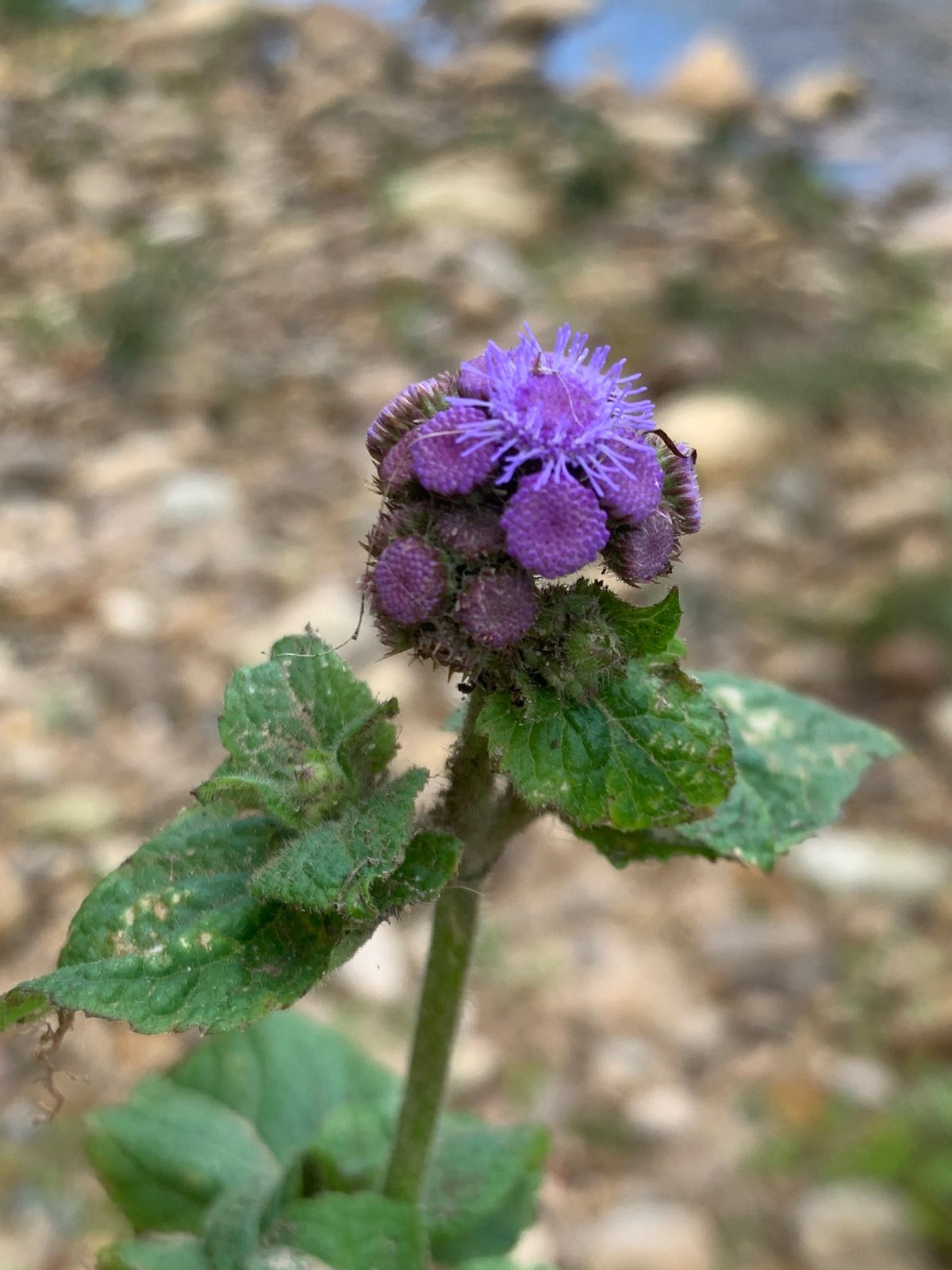
Floss flower is a frost-tender plant grown as an annual for its dense clusters of fluffy flowers, usually blue or lavender. Compact varieties make neat edging and container plants, while taller forms provide soft colour among summer bedding plants.
At a glance
- Sun
- Full sun; light afternoon shade is helpful in hot climates. Heavy shade reduces flowering and makes stems stretch.
- Water
- Keep evenly moist but not waterlogged. Water when the soil surface begins to dry; containers may need daily checking in hot weather.
- Soil
- Moderately fertile, moisture-retentive soil with good drainage; use multipurpose potting mix in containers.
- Height
- 0.5-3 ft (0.15-0.9 m), depending on variety
- Spread
- 0.5-1.5 ft (0.15-0.45 m)
- Flowers
- Late spring or early summer until autumn frost; usually blue or lavender, with white, pink and purple varieties available.
- Foliage
- Soft, slightly hairy green leaves with toothed edges, usually oval to heart-shaped and arranged in opposite pairs.
- Growth
- Fast; flowers in its first growing season.
- Care needed
- Medium
The year at a glance
- Pollinators
- Deer resistant
- Low allergen
| J | F | M | A | M | J | J | A | S | O | N | D | |
|---|---|---|---|---|---|---|---|---|---|---|---|---|
| Flowers | ||||||||||||
| Plant |
Northern hemisphere months. In Australia, shift them by six.
- Difficulty
- Easy
- Toughness
- Fairly tough
Will it suit your garden?
Pick your zone, country, light and whether you have pets.
Full sun is 6 or more hours of direct sun a day, part shade 3 to 6 hours, shade under 3.
How it grows
Planting day
0.5 ft (0.15 m)
After 1 year
1.7 ft (0.53 m)
full size
Full size in one season.
From a typical nursery size, at an average rate for this kind of plant. A rule of thumb, not a forecast.
Good to know
- Cats and dogs
- Toxic
- Invasive in
- Australia
- In the garden
- Spreads vigorously: plan to contain it.
- Growth rate
- Fast
Care
Jobs through the year
- WaterMay, Sep–Oct, every 7 days
- Water established bedding plants at soil level when the surface dries; new transplants need more.
- WaterJun–Aug, every 3 days
- Keep soil evenly moist during dry weather; skip after sufficient rain and avoid waterlogging.
- MulchJun
- Apply a thin mulch to retain moisture, keeping it clear of stems.
- FeedJun–Sep, every 14 days
- Feed container plants with balanced liquid fertiliser at label strength; avoid excess nitrogen.
- PruneMay–Jun
- Pinch leggy young plants once to encourage branching.
- DeadheadJun–Oct, every 7 days
- Remove faded clusters back to a healthy leaf joint to prolong flowering.
- ProtectMay
- Harden off before planting and wait until frost risk has passed and nights are mild.
- Plant out only after frost risk has passed and nights are consistently mild.
- Space plants according to their mature spread so air can circulate between them.
- Water at soil level and avoid letting the root ball dry out completely.
- Feed container plants with a balanced liquid fertiliser according to the label; avoid heavy nitrogen feeding, which encourages leaves over flowers.
- Apply a thin mulch to conserve moisture, keeping it clear of the stems.
- Support tall varieties with discreet twiggy stakes where wind is likely to bend them.
Pruning. Pinch young plants once if they are becoming leggy. Remove faded flower clusters throughout summer, cutting back to a healthy leaf joint; lightly trim straggly plants to encourage fresh growth.
Through the year
- Late winter
- Sow seed indoors about 6-8 weeks before your last expected frost, pressing it onto the surface because light helps germination.
- Early spring
- Pot seedlings individually when large enough to handle and keep them in bright light.
- Late spring
- Harden plants off gradually, then plant outside after frost risk has passed.
- Early summer
- Mulch beds, begin feeding containers and add support to tall varieties if needed.
- Summer
- Water during dry spells, remove faded flowers and check leaf undersides for pests.
- Autumn
- Remove plants after frost kills them; in frost-free areas, remove unwanted seedlings before they establish.
In the garden
- Edge paths and flower beds with compact varieties for a continuous band of soft blue.
- Mix with white alyssum and pink petunias in containers for a low, rounded display.
- Plant taller forms among cosmos and zinnias to soften their upright stems.
- Use repeated groups beside orange or yellow marigolds for strong colour contrast.
Garden styles it suits: Cottage garden, Traditional, Formal, Blues and silvers, Pastel border and Small-space.
Plant it with: Sweet alyssum, Petunia, French marigold, Zinnia, Cosmos and Annual salvia.
Wildlife: The flowers provide nectar for butterflies and some bees. Wildlife value varies with the variety and how accessible its flowers are.
Problems to watch for
- Whiteflies or aphids: inspect tender shoots and leaf undersides; wash off small infestations or use an insecticidal soap labelled for the pest and plant.
- Spider mites in hot, dry conditions: look for fine webbing and stippled leaves; prevent drought stress and rinse leaf undersides regularly.
- Powdery mildew or grey mould: improve spacing, water at soil level and remove affected leaves and spent flowers.
- Root rot and collapse in wet soil: improve drainage, avoid standing water in saucers and discard badly affected plants.
Safety
Contains pyrrolizidine alkaloids, which can damage the liver if eaten, especially repeatedly. Treat all parts as potentially toxic to people, cats, dogs and horses; the severity of poisoning in household pets is not well documented. Keep it away from grazing animals and seek medical or veterinary advice after ingestion.
Where it spreads. An environmental weed in parts of Queensland and New South Wales, Australia, where it can escape into disturbed ground and forest margins. It can self-seed freely in warm, frost-free climates; check local weed guidance before planting.
Easily confused with
Billygoat weed (Ageratum conyzoides)
Usually has smaller, paler flower heads and a looser, weedier habit than garden floss flower. Both species are variable, so habit and colour alone are not reliable for identifying escaped plants.
Blue mistflower (Conoclinium coelestinum)
Has similar fluffy blue flowers but is a hardy perennial that spreads by underground rhizomes, rather than a frost-tender bedding plant.
The name
Ageratum comes from Greek words meaning 'not ageing', referring to the lasting appearance of the flowers, and houstonianum honours the Scottish botanist William Houstoun.
Propagation. Grow from seed sown on the surface of moist seed compost at about 20-24°C (68-75°F). Seed usually germinates within 1-2 weeks. Named varieties may not come true from saved seed; softwood cuttings taken in summer can preserve a particular plant.
Checked against open data
- Accepted botanical name
- Ageratum houstonianum
- In the US and Canada
- Introduced in Hawaii and the lower 48 states.
- Native range
- Belize, El Salvador, Guatemala, Honduras, Mexico Central, Mexico Gulf, Mexico Northeast, Mexico Southeast and Mexico Southwest.
- Measured
- Average height 49 cm.
Sources: GBIF (CC BY 4.0), USDA PLANTS and Trefle (CC BY 4.0). The care and design notes are LandscapeGPT's own.
See it in your own yard.
Upload a photo of your yard and see it redesigned with plants that suit your climate, each checked against your zone.