Garden sorrel
Rumex acetosa. Family Polygonaceae. Perennial.
Also called Common sorrel, English sorrel, Sour dock.
Garden sorrel is a hardy perennial grown for its sharp, lemony leaves, which are used in soups, sauces and salads. It produces fresh growth early in spring and suits a permanent herb bed or vegetable patch; hot weather makes the leaves tougher and encourages flowering.
At a glance
- Sun
- Full sun in cool climates; partial shade where summers are hot.
- Water
- Keep the root zone evenly moist but not waterlogged. Water during dry spells to encourage tender leaves.
- Soil
- Moist, well-drained soil enriched with compost; tolerates clay if drainage is adequate. Slightly acidic to neutral soil is ideal.
- Height
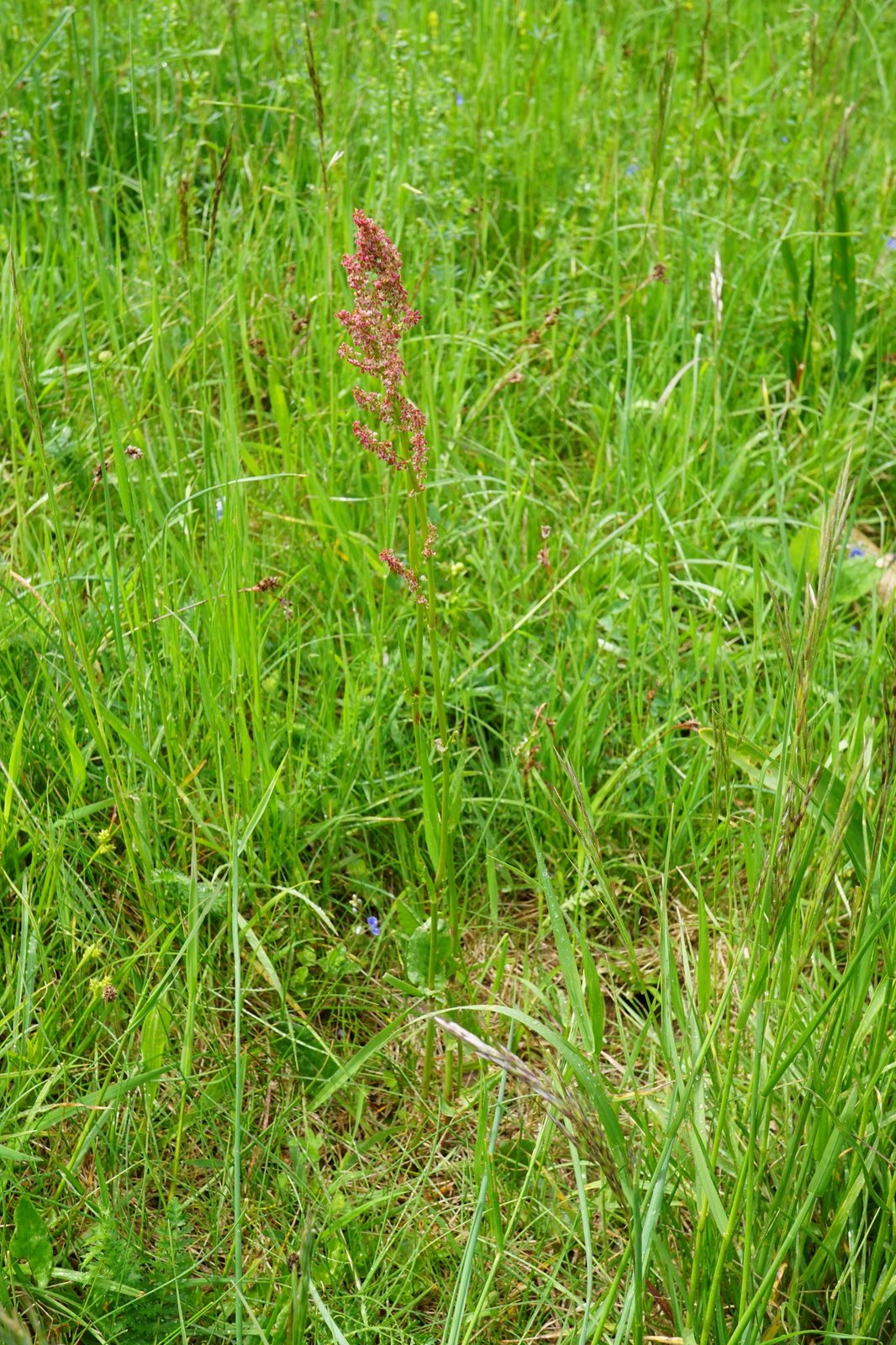
- 1-2 ft (0.3-0.6 m) in leaf; flowering stems to 3 ft (0.9 m)
- Spread
- 1-2 ft (0.3-0.6 m)
- Flowers
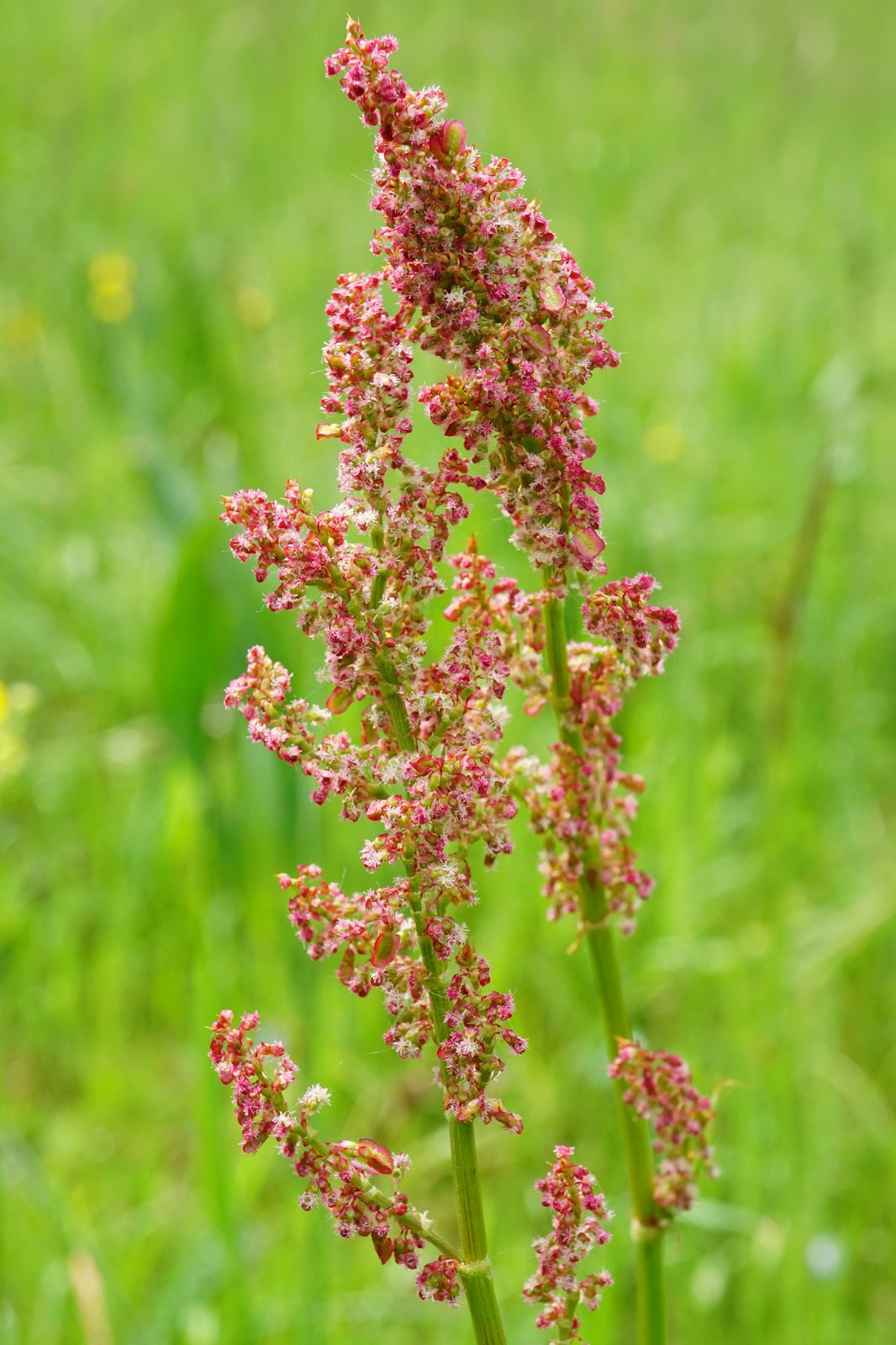
- Late spring to summer; small greenish flowers becoming reddish-brown on tall, branched stems.
- Foliage
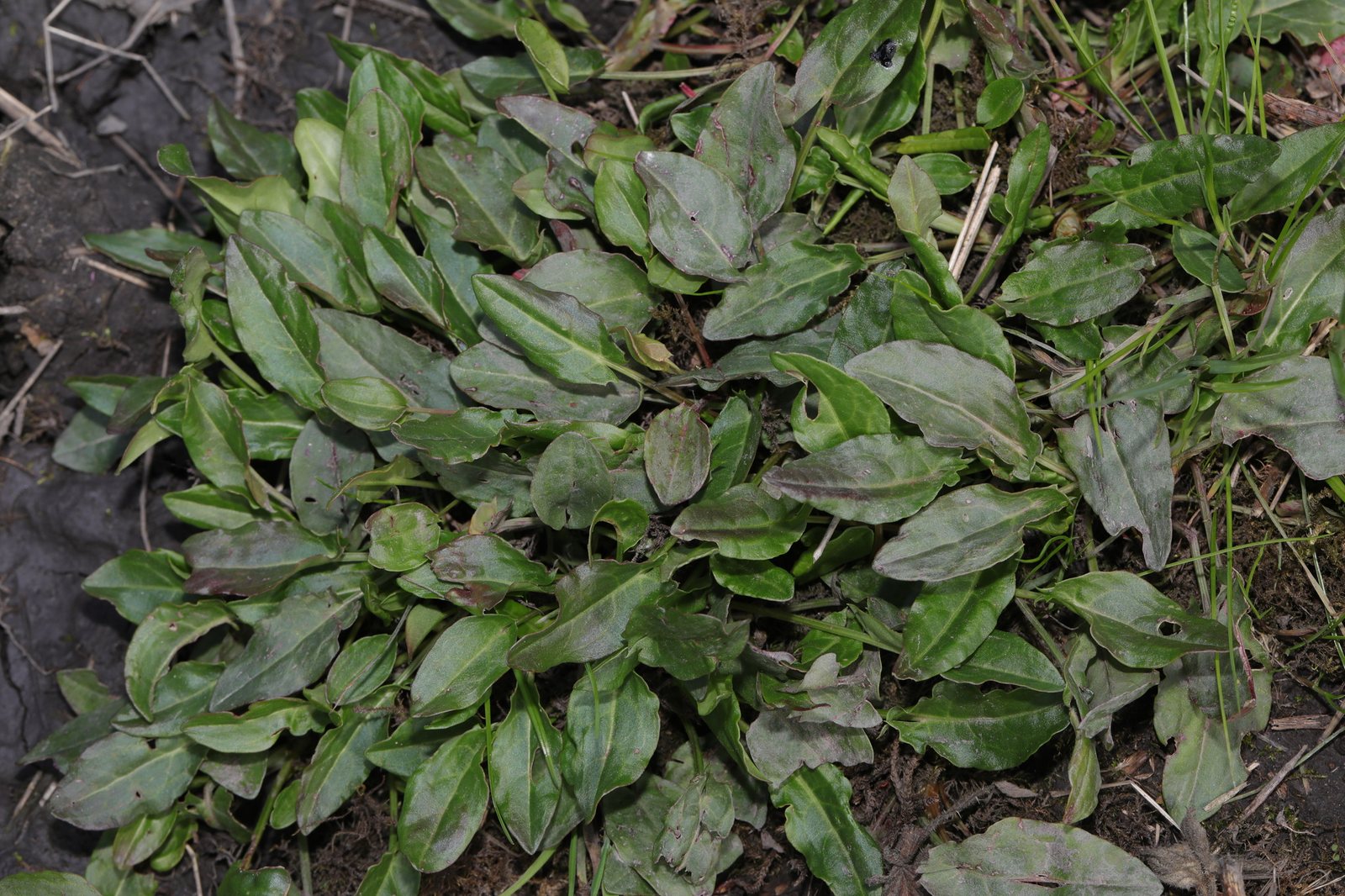
- Soft green, elongated, arrow-shaped leaves with backward-pointing lobes at the base. Usually dies back in cold winters but may retain leaves in mild areas.
- Growth
- Fast during cool, moist weather
- Care needed
- Low
The year at a glance
- Cold hardy
- Wildlife
- Edible
| J | F | M | A | M | J | J | A | S | O | N | D | |
|---|---|---|---|---|---|---|---|---|---|---|---|---|
| Flowers | ||||||||||||
| Fruit | ||||||||||||
| Plant |
Northern hemisphere months. In Australia, shift them by six.
- Difficulty
- Easy
- Toughness
- Very tough
Will it suit your garden?
Pick your zone, country, light and whether you have pets.
Full sun is 6 or more hours of direct sun a day, part shade 3 to 6 hours, shade under 3.
How it grows
Planting day
1 ft (0.3 m)
After 1 year
1.2 ft (0.38 m)
After 2 years
1.5 ft (0.45 m)
full size
About 2 years to full size.
From a typical nursery size, at an average rate for this kind of plant. A rule of thumb, not a forecast.
Good to know
- Cats and dogs
- Toxic
- Native to
- the US, Canada and the UK
- Growth rate
- Fast
Care
Jobs through the year
- WaterMar–May, Sep–Oct, every 14 days
- Water established clumps during dry spells; new plants need more frequent watering.
- WaterJun–Aug, every 7 days
- Water deeply when rain is insufficient, especially after harvesting.
- MulchMar–Apr
- Top-dress with compost to feed plants and conserve moisture, leaving crowns clear.
- PruneFeb
- Remove dead foliage before fresh growth expands.
- PruneMay–Aug
- Remove flower stalks at the base; cut back coarse leaves and water for fresh growth.
- DivideMar–Apr, Sep–Oct
- Divide congested clumps every three or four years and water divisions well.
- HarvestMar–Oct, every 7 days
- Pick young outer leaves, retaining the central growing point and plenty of foliage.
- Water during dry spells, especially after harvesting.
- Apply a thin layer of compost around the clump in spring.
- Mulch to conserve moisture, keeping mulch clear of the crown.
- Remove flower stalks promptly to favour leaf production and limit self-seeding.
- Divide crowded clumps every three or four years to maintain vigorous growth.
Pruning. Cut flower stalks off at the base as they appear. Remove dead foliage in late winter; if summer leaves become coarse, cut them back and water to encourage fresh growth.
Harvest
Pick young, tender outer leaves once the plant is established and has plenty of foliage, usually from spring into autumn. Cut or pinch individual leaves near their bases, leaving the central growing point and enough leaves for recovery; smaller leaves are milder and less fibrous.
Through the year
- Late winter
- Remove dead foliage before fresh growth expands.
- Spring
- Sow seed, plant young plants or divide established clumps.
- Spring
- Top-dress with compost and begin picking young outer leaves.
- Late spring
- Cut off developing flower stems unless you want to save seed.
- Summer
- Water during dry weather and remove coarse leaves to encourage tender regrowth.
- Autumn
- Divide congested clumps while the soil is still workable and keep new divisions watered.
In the garden
- Plant in a permanent section of the vegetable garden for an early spring leaf crop.
- Use small groups beside chives and parsley in an informal herb bed.
- Repeat clumps along a potager path for a low, leafy edge that can be harvested.
- Grow in a deep container near the kitchen, with afternoon shade in hot locations.
Garden styles it suits: Potager (kitchen garden), Cottage garden, Edible landscape, Homestead, Herb parterre and Small-space.
Plant it with: Chives, Parsley, Lettuce, Spinach, Strawberries and Calendula.
Wildlife: Leaves feed some moth and butterfly larvae, including small copper caterpillars in Britain. Flowers are wind-pollinated and provide little nectar for pollinators.
Problems to watch for
- Slugs and snails chew young leaves: remove hiding places, hand-pick at dusk and use an approved iron-phosphate bait if needed.
- Aphids cluster on tender shoots and flower stalks: wash them off with water and remove heavily infested stalks.
- Leaf-mining insects leave pale tunnels or blotches: remove affected leaves and clear old foliage.
- Heat and drought cause tough leaves and early flowering: provide afternoon shade, water consistently and cut off flower stems.
Safety
All parts contain soluble oxalates, with the leaves being the usual source of exposure. Small culinary portions are generally safe for most people, but large quantities can be harmful; people with kidney disease or a history of calcium-oxalate stones should seek medical advice before eating it. Toxic to cats, dogs and horses if enough is eaten, with potentially serious effects on calcium balance and kidney function.
Where it spreads. Can self-seed beyond the bed and is naturalised in parts of North America and southern Australia. It is not generally an aggressive runner like sheep sorrel, but remove flower stalks before seed ripens where escape into nearby grassland is a concern.
Easily confused with
Sheep sorrel (Rumex acetosella)
Usually much smaller, with narrow leaves whose basal lobes point outward. It spreads through creeping underground stems and often forms patches in poor, acidic ground.
French sorrel (Rumex scutatus)
Has smaller, broader, shield-shaped leaves, often blue-green, and a lower, more spreading habit.
Lords-and-ladies (Arum maculatum)
This poisonous plant has thicker, often glossy or dark-spotted arrow-shaped leaves and a hooded flower surrounding a central spike, followed by a cluster of berries. Do not identify edible sorrel by leaf outline alone.
The name
The epithet acetosa refers to the leaves' sour, vinegar-like taste, while sorrel comes through Old French from a word meaning sour.
Propagation. Sow seed in spring, lightly covering it and keeping the seedbed moist. Divide established clumps in spring or early autumn, giving each division roots and several growing points.
Checked against open data
- Accepted botanical name
- Rumex acetosa
- In the US and Canada
- Native in Alaska, Alaska, Canada, Greenland and the lower 48 states. Introduced in Alaska, Canada, Greenland, the lower 48 states and St. Pierre and Miquelon.
- Native range
- Afghanistan, Albania, Altay, Amur, Austria, Baleares, Baltic States, Belarus, Belgium, Bulgaria, Buryatiya and Central European Rus.
- Measured
- Soil pH 5.5 to 6.5. Average height 17 cm.
Sources: GBIF (CC BY 4.0), USDA PLANTS and Trefle (CC BY 4.0). The care and design notes are LandscapeGPT's own.
See it in your own yard.
Upload a photo of your yard and see it redesigned with plants that suit your climate, each checked against your zone.