Spinach
Spinacia oleracea. Family Amaranthaceae. Annual.
Also called Garden spinach, True spinach.
Spinach is a cool-season leafy vegetable grown as an annual for its tender leaves, eaten raw or cooked. It crops quickly in spring and autumn but tends to flower and become bitter as days lengthen and temperatures rise.
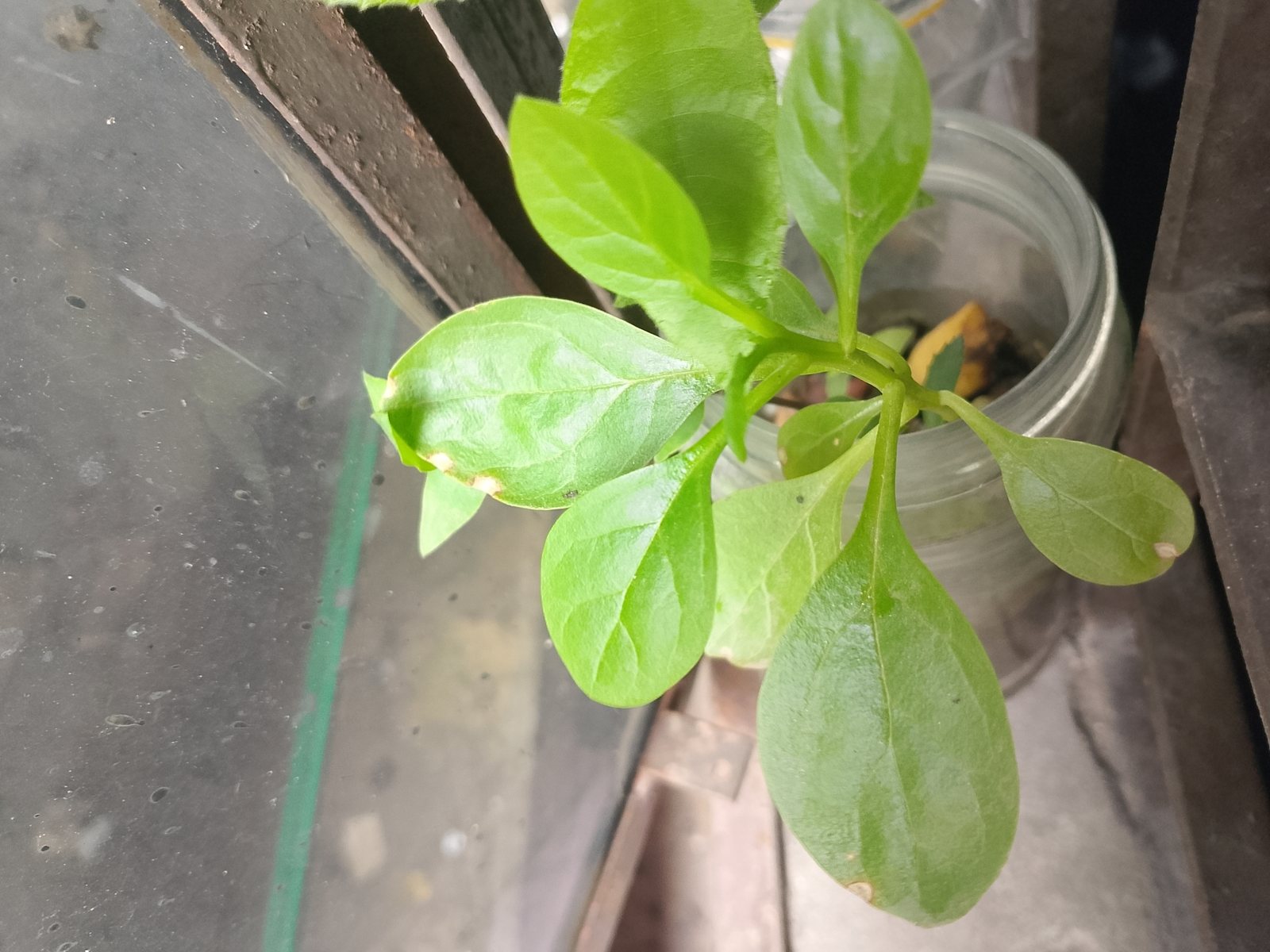
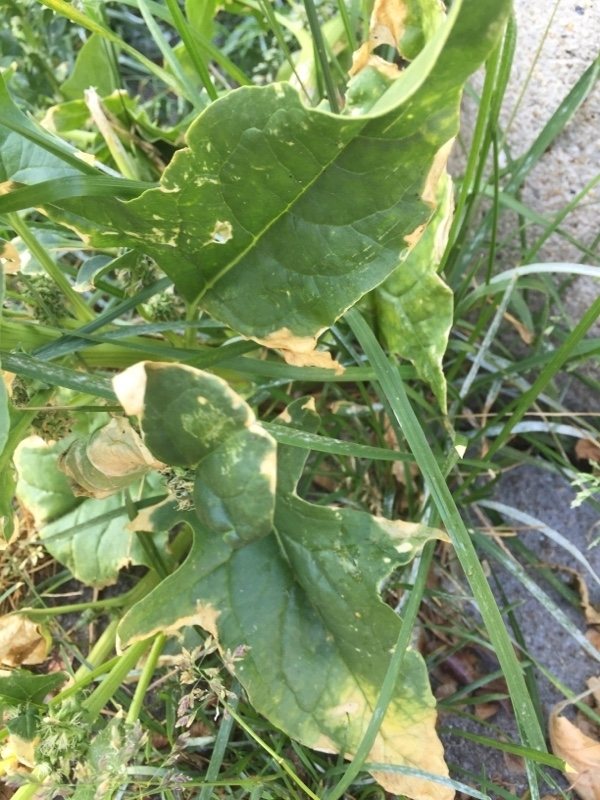
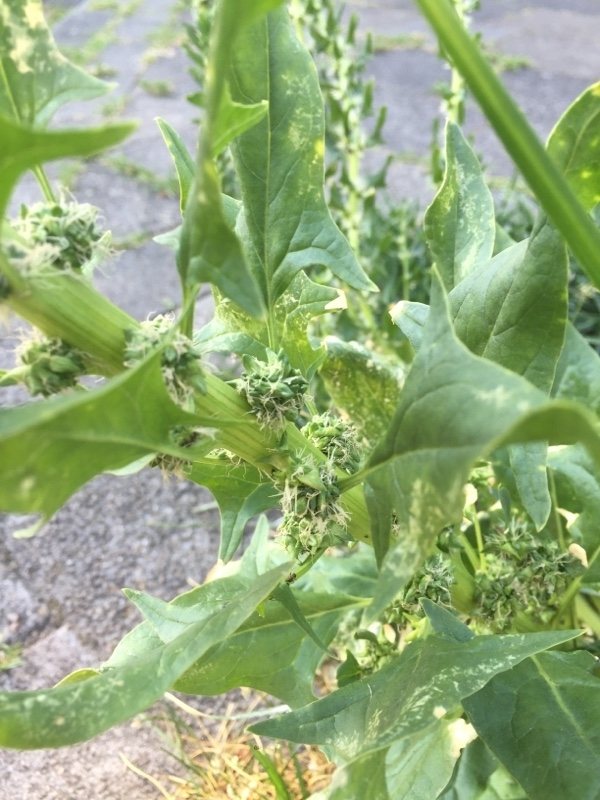
At a glance
- Sun
- Full sun in cool weather; light afternoon shade can extend harvesting as conditions warm.
- Water
- Keep soil evenly moist, providing about 1 in (2.5 cm) of water weekly when rain is insufficient. Containers may need more frequent watering.
- Soil
- Fertile, moisture-retentive but well-drained soil, ideally pH 6.5-7.5.
- Height
- 6-12 in (0.15-0.3 m) in leaf; flowering stems can reach 2-3 ft (0.6-0.9 m).
- Spread
- 6-12 in (0.15-0.3 m)
- Foliage
- Green, rounded to arrow-shaped leaves forming a low rosette; leaves may be smooth, lightly puckered or deeply crinkled, depending on the variety.
- Growth
- Fast; baby leaves are often ready in 4-6 weeks, with larger leaves in 6-8 weeks.
- Care needed
- Low
The year at a glance
- Edible
| J | F | M | A | M | J | J | A | S | O | N | D | |
|---|---|---|---|---|---|---|---|---|---|---|---|---|
| Fruit | ||||||||||||
| Plant |
Northern hemisphere months. In Australia, shift them by six.
- Difficulty
- Easy
- Toughness
- Fairly tough
Will it suit your garden?
Pick your zone, country, light and whether you have pets.
Full sun is 6 or more hours of direct sun a day, part shade 3 to 6 hours, shade under 3.
How it grows
Planting day
0.5 ft (0.15 m)
After 1 year
0.7 ft (0.22 m)
full size
Full size in one season.
From a typical nursery size, at an average rate for this kind of plant. A rule of thumb, not a forecast.
Good to know
- Cats and dogs
- Toxic
- Growth rate
- Fast
Care
Jobs through the year
- WaterMar–Apr, Oct–Nov, every 7 days
- Top up rainfall to about 2.5 cm weekly; keep seedlings and established crops evenly moist.
- WaterMay–Jun, Aug–Sep, every 3 days
- Check moisture and water as needed to keep the root zone moist, allowing for rainfall.
- FeedMar, Aug
- Work mature compost into the bed before sowing; add modest nitrogen only if growth is pale or weak.
- MulchApr, Sep
- Apply a thin mulch once seedlings establish, keeping their crowns clear.
- ProtectMar–Apr, Aug–Sep, every 7 days
- Check seedlings for slugs and leaf miners; use wildlife-conscious controls and insect mesh as needed.
- HarvestMar–Jun, Sep–Nov
- Pick tender outer leaves from ready plants, leaving the centre intact; remove crops once they bolt.
- ProtectJan–Feb, Oct–Dec
- Cover overwintering crops with fleece or a cold frame; harvest sparingly during mild winter spells.
- Sow directly into workable soil in cool weather; thin seedlings to 4-6 in (10-15 cm) apart for full-sized plants.
- Water at soil level before the root zone dries out; drought encourages premature flowering.
- Mix mature compost into the bed before sowing; use a modest nitrogen feed only if growth is pale or weak.
- Apply a thin mulch once seedlings are established, keeping it clear of their crowns.
- Make small sowings every two to three weeks while conditions remain cool.
Pruning. No ornamental pruning is needed. Pick outer leaves while leaving the growing centre intact, or cut the whole rosette at soil level; remove plants once they send up flowering stems.
Harvest
Pick baby spinach when leaves are 5–8 cm (2–3 in) long, usually 3–5 weeks after sowing, or let them reach 10–15 cm (4–6 in) for full-size leaves. Snip the outer leaves at the base, leaving the central growing point intact for more pickings. Harvest while leaves are tender and before a flower stalk forms, as bolting makes them tougher and bitter.
Through the year
- Late winter
- Prepare beds with compost; in mild climates, sow under fleece or in an unheated greenhouse.
- Early spring
- Direct-sow as soon as soil is workable, then thin seedlings and protect them from slugs.
- Mid-spring
- Make another small sowing and begin harvesting outer leaves from established plants.
- Late spring
- Keep beds watered and harvest promptly; remove plants that begin to bolt.
- Late summer
- Resume sowing as temperatures fall; keep the seedbed moist and lightly shaded during hot spells.
- Autumn
- Harvest regularly and protect late crops with fleece or a cold frame where winters are mild.
- Winter
- In mild districts, pick protected crops sparingly; elsewhere, clear finished plants and plan spring sowings.
In the garden
- Plant short rows or blocks in a potager for a low, leafy contrast to upright vegetables.
- Use as a temporary spring edging around raised vegetable beds, harvesting before neighbouring crops expand.
- Grow in broad containers near the kitchen for convenient baby-leaf picking.
- Fill gaps between slower-growing brassicas with an early crop that is removed before they need the space.
Garden styles it suits: Potager (kitchen garden), Edible landscape, Homestead, Cottage garden, Small-space and Family-friendly.
Plant it with: Radish, Lettuce, Peas, Spring onions, Cabbage and Strawberries.
Wildlife: Leaves may be eaten by slugs, snails and caterpillars. Flowers are mainly wind-pollinated, so spinach provides little nectar value for pollinating insects.
Problems to watch for
- Bolting: heat, long days and dry soil trigger flowering. Sow in cool seasons, maintain moisture and choose bolt-resistant varieties for later spring crops.
- Slugs and snails: protect young plants with barriers or wildlife-conscious slug controls, and remove nearby damp hiding places.
- Leaf miners: remove leaves containing pale winding tunnels or blotches; use insect mesh over new sowings before adults lay eggs.
- Downy mildew: yellow patches and grey-purple growth beneath leaves are favoured by damp conditions. Remove infected plants, improve spacing and choose resistant varieties.
Safety
The leaves and stems are edible for people and are not generally poisonous to cats or dogs in small food amounts. They contain soluble oxalates, which can be harmful in large quantities, particularly to animals with kidney problems; do not feed substantial quantities to pets or horses. People advised to limit dietary oxalates should follow their clinician's guidance.
Easily confused with
Perpetual spinach (Beta vulgaris)
A leaf beet rather than true spinach, with larger leaves, stronger midribs and more substantial stalks; it tolerates summer warmth better and crops for longer.
New Zealand spinach (Tetragonia tetragonioides)
Has fleshy, roughly triangular leaves on spreading, branching stems rather than a compact rosette; it thrives in warm weather.
Malabar spinach (Basella alba)
A warm-season climbing vine with thick, glossy, heart-shaped leaves and fleshy green or reddish stems, unlike the low rosette of true spinach.
The name
The species name oleracea is Latin for a vegetable or kitchen-garden plant.
Propagation. Propagate by seed, preferably sown directly about 0.5-1 in (1-2.5 cm) deep. Germination becomes unreliable in hot soil, so wait for cooler conditions or provide shade for late-summer sowings.
Checked against open data
- Accepted botanical name
- Spinacia oleracea
- In the US and Canada
- Introduced in Alaska, Canada and the lower 48 states.
- Native range
- Kazakhstan, Turkmenistan, Uzbekistan, Pakistan, Tadzhikistan, Afghanistan and Iran.
- Measured
- Soil pH 7 to 7.5. Average height 38 cm.
Sources: GBIF (CC BY 4.0), USDA PLANTS and Trefle (CC BY 4.0). The care and design notes are LandscapeGPT's own.
See it in your own yard.
Upload a photo of your yard and see it redesigned with plants that suit your climate, each checked against your zone.