Giant scabious
Cephalaria gigantea. Family Caprifoliaceae. Perennial.
Also called Giant yellow scabious, Yellow scabious.
Giant scabious is a tall, clump-forming perennial with pale yellow pincushion flowers held on branching stems above a mound of divided leaves. Gardeners grow it for its airy height, long summer display and flowers that attract bees and butterflies.
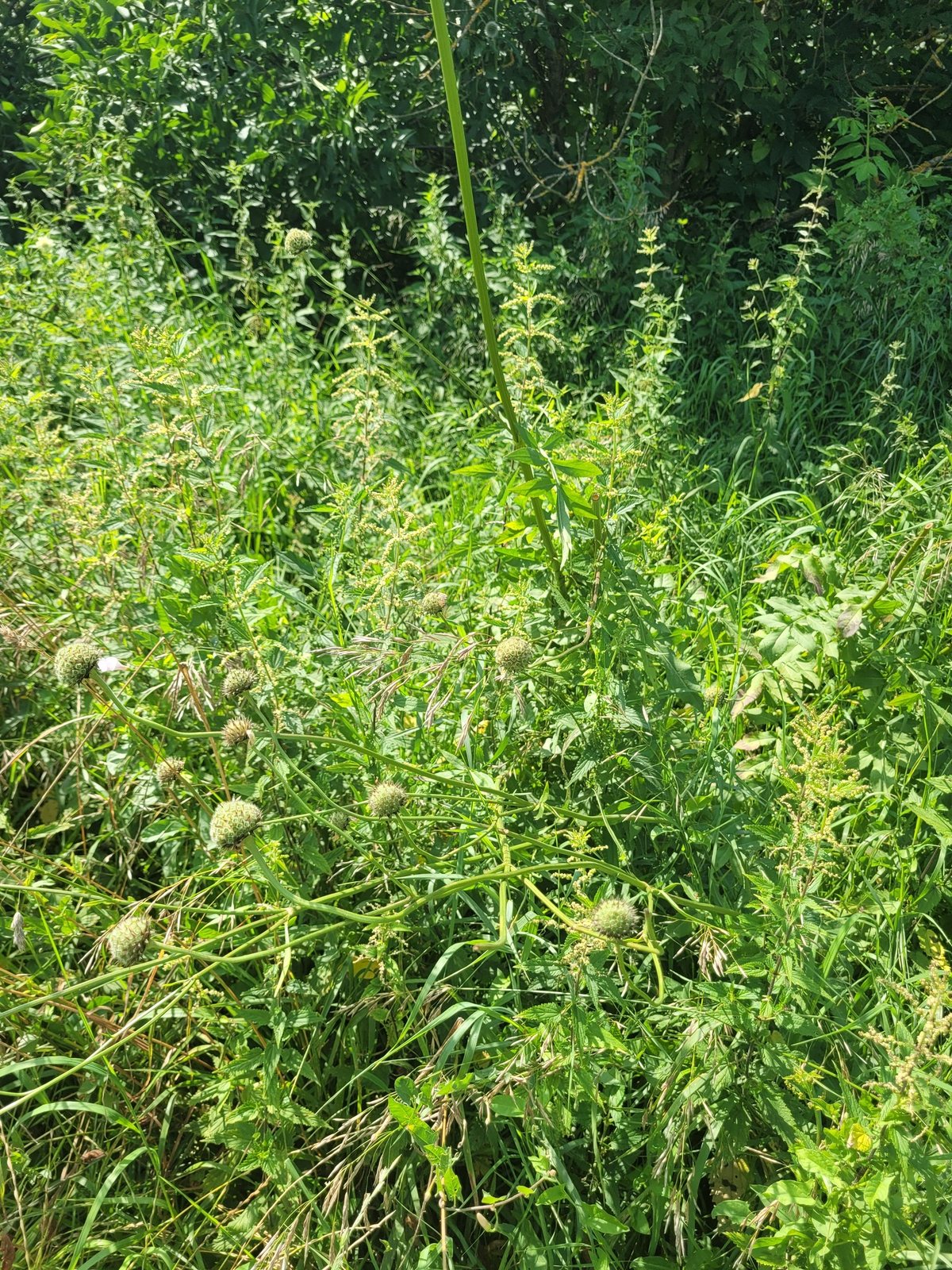
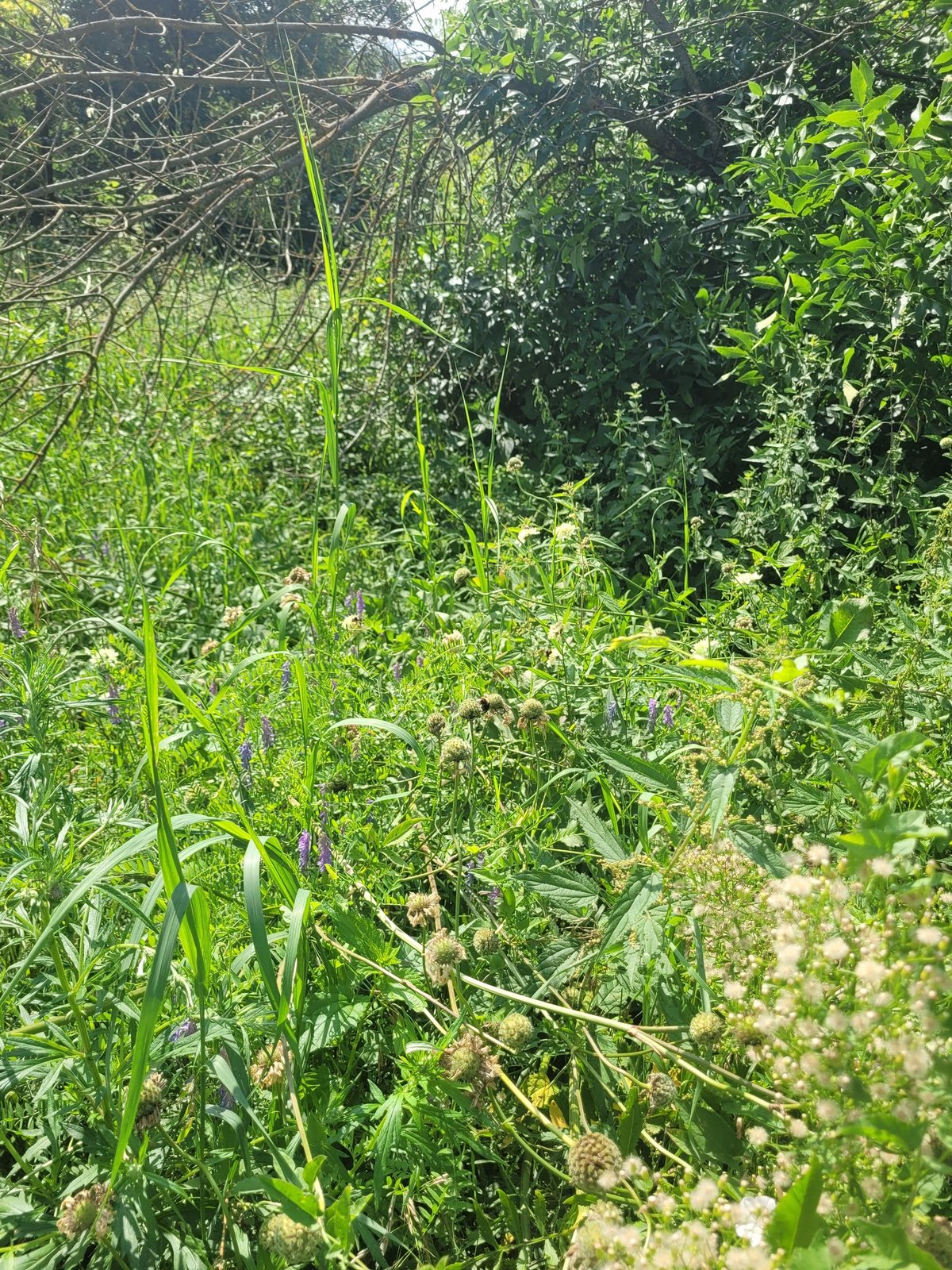
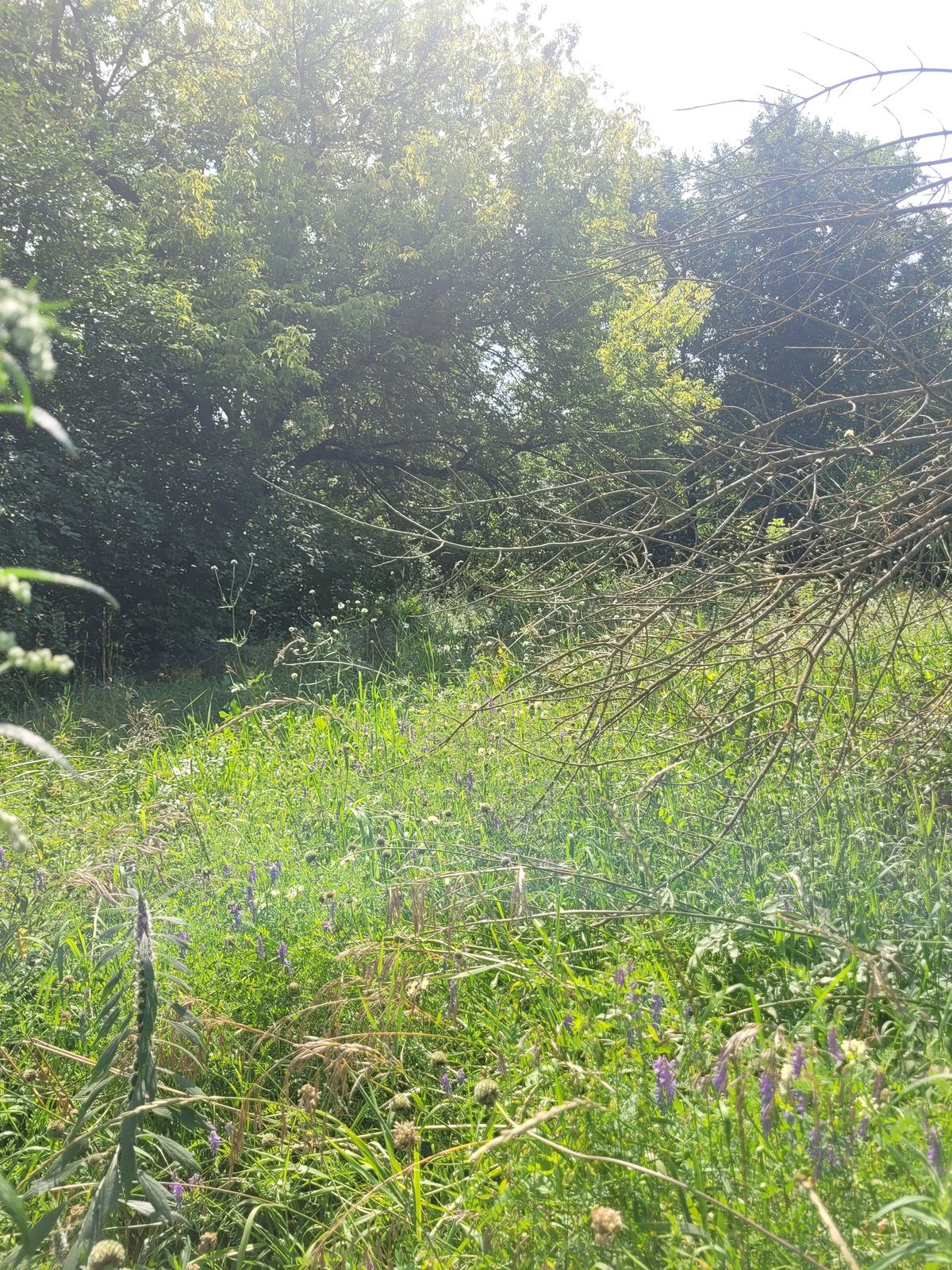
At a glance
- Sun
- Full sun or light partial shade; flowering and stem strength are best in sun.
- Water
- Moderate; keep newly planted clumps evenly moist. Water established plants during prolonged dry spells, especially while flower stems are developing.
- Soil
- Deep, fertile, moisture-retentive but well-drained soil; tolerates clay if it does not remain waterlogged.
- Height
- 6-8 ft (1.8-2.4 m)
- Spread
- 3-4 ft (0.9-1.2 m)
- Flowers
- Early to late summer; soft sulphur-yellow pincushion flowers.
- Foliage
- Large, deeply divided green leaves form a basal mound, with smaller leaves along the tall stems; dies back in winter.
- Growth
- Moderate to fast; allow two or three growing seasons for a substantial clump.
- Care needed
- Low
The year at a glance
- Pollinators
- Cold hardy
- Wildlife
- Low allergen
| J | F | M | A | M | J | J | A | S | O | N | D | |
|---|---|---|---|---|---|---|---|---|---|---|---|---|
| Flowers | ||||||||||||
| Fruit | ||||||||||||
| Plant |
Northern hemisphere months. In Australia, shift them by six.
- Difficulty
- Easy
- Toughness
- Very tough
Will it suit your garden?
Pick your zone, country, light and whether you have pets.
Full sun is 6 or more hours of direct sun a day, part shade 3 to 6 hours, shade under 3.
How it grows
Planting day
1 ft (0.3 m)
After 1 year
3 ft (1.1 m)
After 2 years
6 ft (1.8 m)
After 3 years
7 ft (2.1 m)
full size
About 2 years to full size.
From a typical nursery size, at an average rate for this kind of plant. A rule of thumb, not a forecast.
Good to know
- Cats and dogs
- Safe
- In the garden
- Spreads vigorously: plan to contain it.
- Growth rate
- Fast
Care
Jobs through the year
- WaterApr–May, Sep–Oct, every 14 days
- Water established clumps if soil becomes dry; keep new clumps evenly moist.
- WaterJun–Aug, every 10 days
- Water established clumps deeply during prolonged dry spells, especially as flowering stems develop.
- MulchMar–Apr
- Top-dress with compost to conserve moisture, keeping the crown clear.
- ProtectApr–May
- Install discreet supports in windy or partly shaded sites before stems become tall.
- ProtectMar–May
- Inspect emerging shoots for slugs and snails and protect as necessary.
- DeadheadJul–Sep
- Remove spent flowers to limit seedlings, or retain selected seed heads for autumn interest.
- PruneFeb–Mar
- Cut remaining dead stems close to ground level before new growth.
- DivideMar–Apr
- Divide crowded clumps if flowering declines.
- Water deeply during the first growing season and during extended summer drought.
- Apply compost around the clump in spring; avoid heavy nitrogen feeding, which encourages floppy growth.
- Mulch to conserve moisture, keeping mulch away from the crown.
- Install discreet supports in spring if the site is windy or partly shaded.
- Remove unwanted seedlings while small; divide crowded clumps in spring if flowering declines.
Pruning. Remove spent flower stems to limit self-seeding, or leave some seedheads for autumn structure. Cut dead stems to near ground level in late winter or early spring before new growth develops.
Through the year
- Early spring
- Cut down remaining dead stems and remove weeds around emerging shoots.
- Spring
- Plant or divide clumps, water thoroughly and top-dress with compost.
- Late spring
- Set supports around developing stems in exposed positions.
- Summer
- Water during prolonged dry weather and remove spent flowers if seedlings are unwanted.
- Autumn
- Collect ripe seed, or leave selected seedheads standing for seasonal structure.
- Winter
- Check that water is not pooling around the dormant crown.
In the garden
- Place at the back of a deep mixed border, where its pale flowers rise above shorter perennials.
- Repeat through naturalistic planting with ornamental grasses for height without a solid visual screen.
- Combine with blue or violet flowers, such as catmint and meadow sage, for a soft colour contrast.
- Use in a large cottage or wildlife border where its broad basal clump has room to develop.
Garden styles it suits: English country, Cottage garden, New perennial (prairie), Wildlife garden, Pollinator garden and Pastel border.
Plant it with: Catmint, Meadow sage, Hardy geranium, Culver's root, Feather reed grass and Purple coneflower.
Wildlife: The open flowers provide nectar and pollen for bees, butterflies and other visiting insects. Standing stems offer shelter for small invertebrates over winter.
Problems to watch for
- Slugs and snails may damage emerging shoots; check young growth and use barriers, hand-picking or labelled iron-phosphate bait where needed.
- Stems can flop in shade, rich soil or strong wind; provide more sun, avoid excess fertiliser and support stems early.
- Waterlogged soil can cause crown or root rot; improve drainage or move the plant to a better-drained position.
- Self-sown seedlings can become numerous; remove flowerheads before seed ripens and pull unwanted seedlings promptly.
Safety
Not known to be toxic to people, cats, dogs or horses. Species-specific safety information is limited; it is an ornamental plant, not a food plant.
Easily confused with
Field scabious (Knautia arvensis)
Usually much shorter, with lilac or pinkish-purple pincushion flowers rather than pale yellow flowers.
Common teasel (Dipsacus fullonum)
Has prickly stems and elongated, spiny flowerheads with bands of lilac flowers; giant scabious has rounded, soft-looking yellow flowerheads.
The name
Cephalaria comes from the Greek word for head, referring to the flowerheads, while gigantea means giant and describes the plant's stature.
Propagation. Sow ripe seed in autumn in pots outdoors; germination can be slow and uneven, and winter cold may help. Divide established clumps in early spring, retaining several healthy shoots and a good portion of root on each division.
Checked against open data
- Accepted botanical name
- Cephalaria gigantea
- In the US and Canada
- Introduced in Canada and the lower 48 states.
- Native range
- North Caucasus, Transcaucasus and Turkey.
- Measured
- Average height 100 cm.
Sources: GBIF (CC BY 4.0), USDA PLANTS and Trefle (CC BY 4.0). The care and design notes are LandscapeGPT's own.
See it in your own yard.
Upload a photo of your yard and see it redesigned with plants that suit your climate, each checked against your zone.