Globe amaranth
Gomphrena globosa. Family Amaranthaceae. Annual.
Also called Globe flower, Bachelor's button.
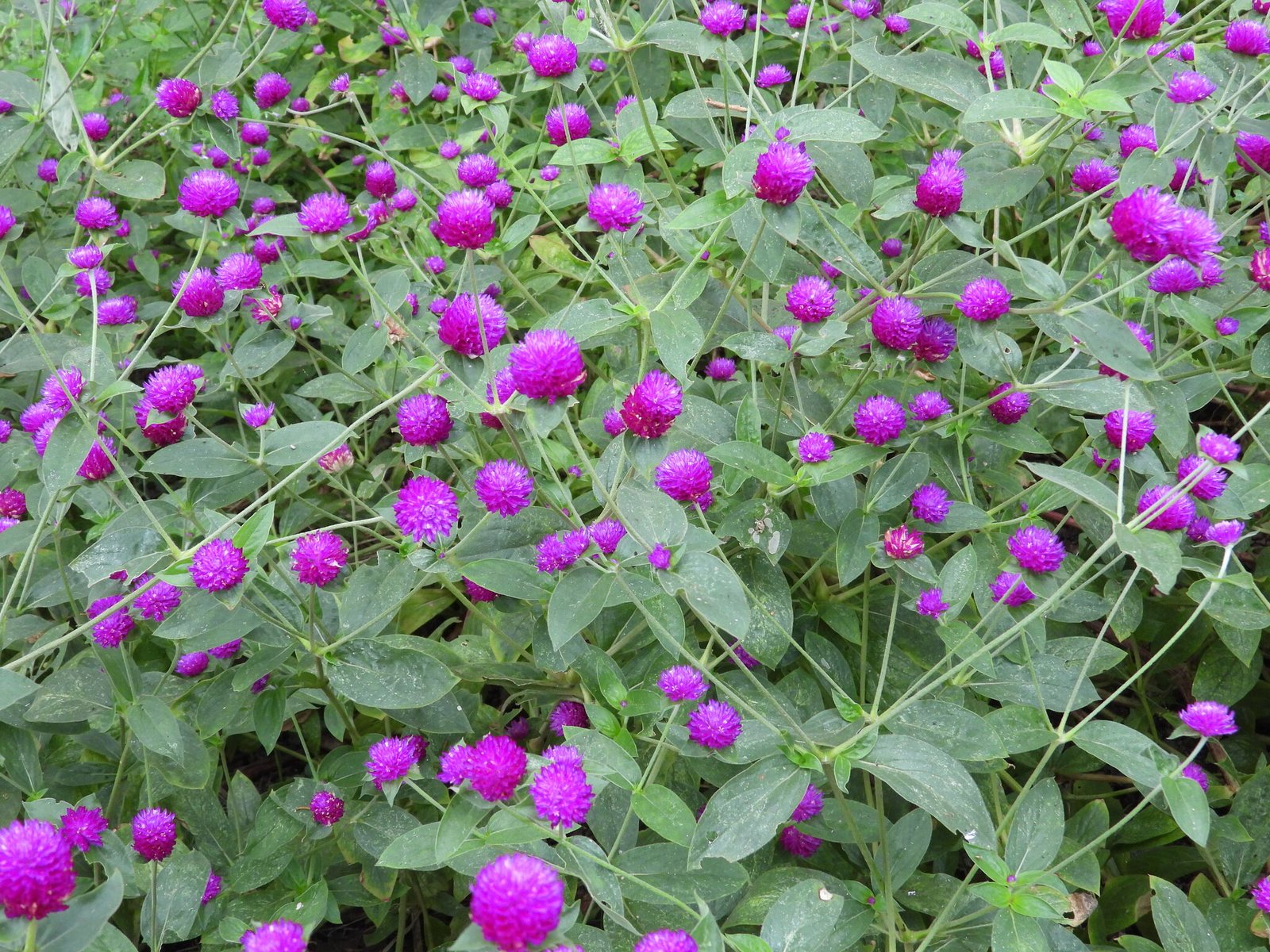
Globe amaranth is a frost-tender plant grown as an annual for its rounded, papery flower heads in purple, magenta, pink or white. It flowers through summer into autumn, tolerates heat well and provides long-lasting stems for fresh or dried arrangements.
At a glance
- Sun
- Full sun; flowering is reduced in shade.
- Water
- Water regularly while establishing, then during prolonged dry spells. Established plants tolerate some drought but flower better with occasional deep watering.
- Soil
- Well-drained sandy, loamy or gravelly soil; tolerates modest fertility. Avoid waterlogged ground.
- Height
- 1-2 ft (0.3-0.6 m)
- Spread
- 1-1.5 ft (0.3-0.45 m)
- Flowers
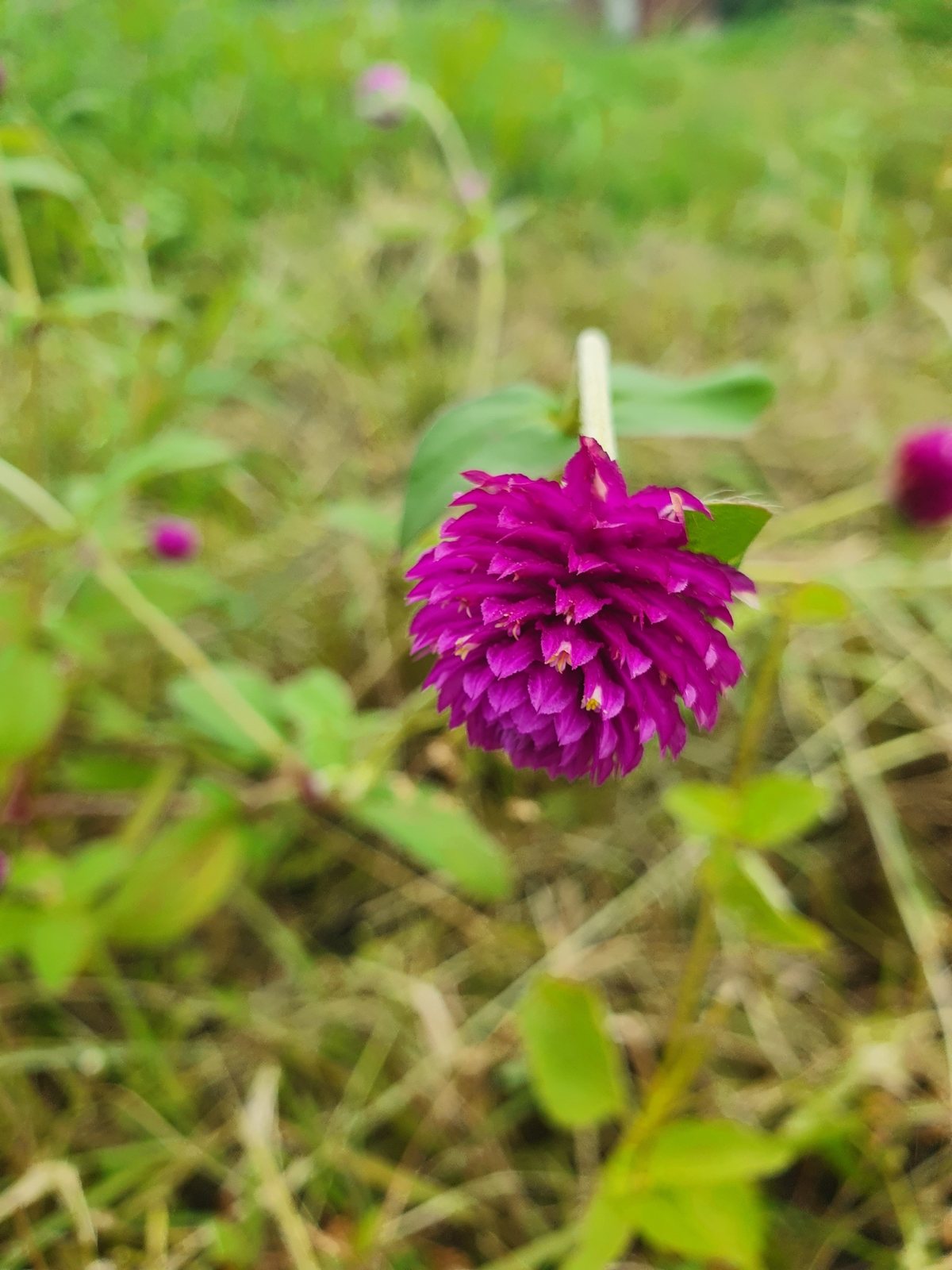
- Summer to the first autumn frost; rounded heads with purple, magenta, pink or white papery bracts surrounding tiny, inconspicuous flowers.
- Foliage
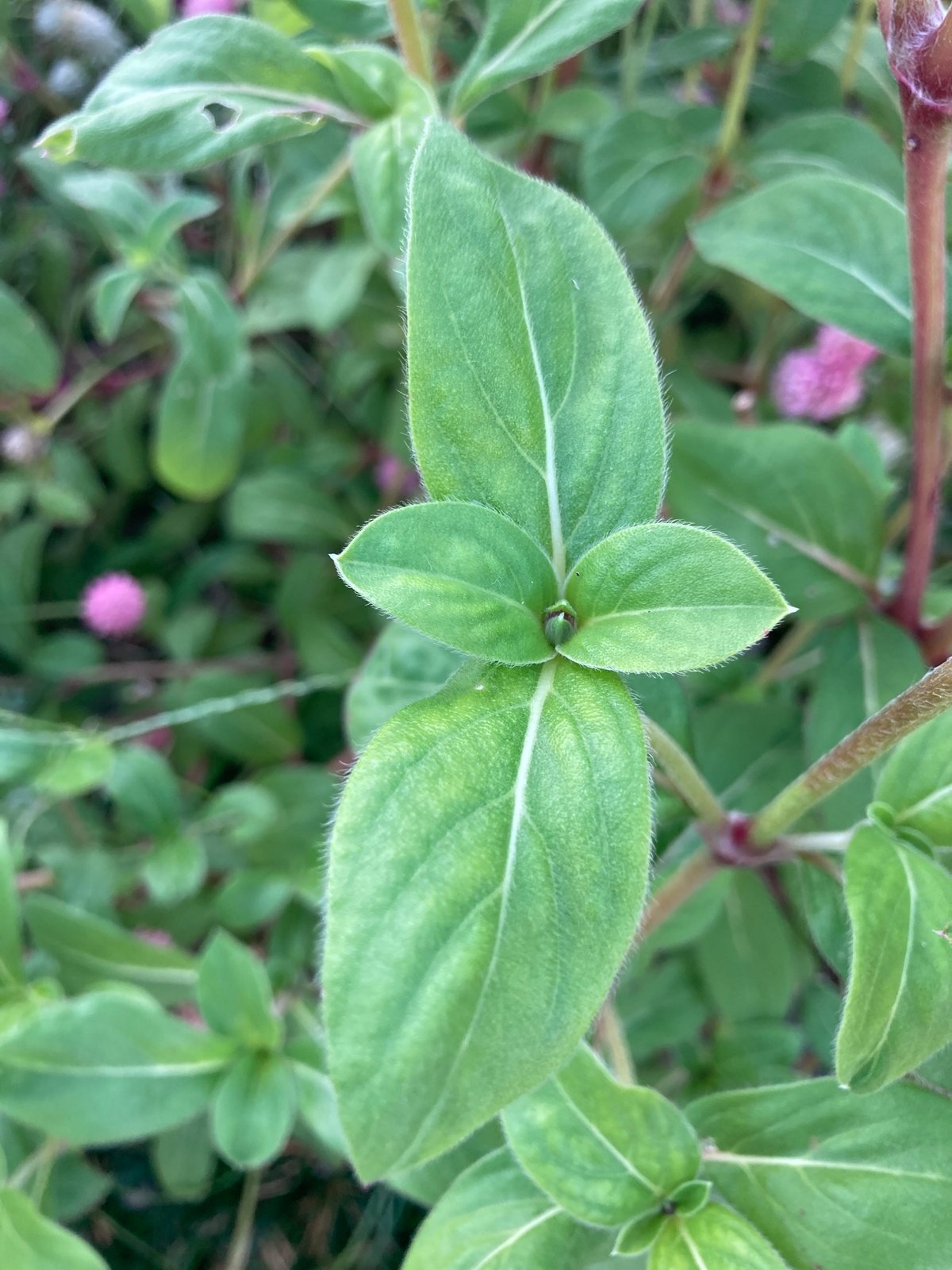
- Opposite, oval to oblong green leaves with a slightly hairy surface.
- Growth
- Fast in warm weather.
- Care needed
- Low
The year at a glance
- Pollinators
- Deer resistant
- Drought tolerant
- Heat tolerant
- Low allergen
| J | F | M | A | M | J | J | A | S | O | N | D | |
|---|---|---|---|---|---|---|---|---|---|---|---|---|
| Flowers | ||||||||||||
| Fruit | ||||||||||||
| Plant |
Northern hemisphere months. In Australia, shift them by six.
- Difficulty
- Easy
- Toughness
- Very tough
Will it suit your garden?
Pick your zone, country, light and whether you have pets.
Full sun is 6 or more hours of direct sun a day, part shade 3 to 6 hours, shade under 3.
How it grows
Planting day
0.5 ft (0.15 m)
After 1 year
1.5 ft (0.45 m)
full size
Full size in one season.
From a typical nursery size, at an average rate for this kind of plant. A rule of thumb, not a forecast.
Good to know
- Cats and dogs
- Safe
- Growth rate
- Fast
Care
Jobs through the year
- WaterMay–Jun, every 7 days
- Water when soil dries; newly planted seedlings need more frequent checks until rooted.
- WaterJul–Aug, every 7 days
- Deep-water established plants if soil is dry and rainfall is insufficient; avoid soggy soil.
- WaterSep–Oct, every 14 days
- Water established plants only during dry spells, stopping after frost kills them.
- PruneMay–Jun
- Pinch young growing tips once to encourage branching.
- MulchJun
- Apply a thin mulch after soil warms, keeping it away from stems.
- FeedJun
- Apply a light balanced feed only if growth is weak; avoid rich feeding.
- DeadheadJun–Oct, every 7 days
- Cut spent flower stems just above a pair of leaves to encourage more bloom.
- Plant outside only after frost risk has passed and the soil has warmed.
- Space plants about 1-1.5 ft (0.3-0.45 m) apart, allowing air to circulate.
- Water at soil level when the soil becomes dry; avoid keeping it constantly wet.
- Use a light application of balanced fertiliser only if growth is weak; rich feeding encourages leaves rather than flowers.
- Apply a thin mulch after the soil warms, keeping it clear of the stems.
Pruning. Pinch out the growing tips of young plants to encourage branching. During summer, cut flower stems just above a pair of leaves and remove spent heads to keep plants tidy and encourage further bloom.
Through the year
- Early spring
- Sow indoors in warmth, about 6-8 weeks before your expected last frost; germination is best around 21-24°C.
- Late spring
- Harden off seedlings and plant out after frost risk has passed; in warm regions, sow directly into warmed soil.
- Early summer
- Pinch young plants if needed and water regularly until established.
- Summer
- Harvest fully coloured, firm flower heads for drying; hang small bunches upside down in a dry, shaded, airy place.
- Late summer
- Continue cutting flowers and water deeply during extended dry weather.
- Autumn
- Collect seed from mature, dry heads if wanted, then remove plants after frost kills them.
In the garden
- Plant in repeated groups near the front or middle of sunny borders for small, rounded accents among looser flowers.
- Combine with zinnias, cosmos and salvias in a summer cutting garden.
- Use compact varieties in sunny containers with trailing plants, ensuring good drainage.
- Mix with fine-textured ornamental grasses in warm, open borders for contrasting flower and foliage shapes.
Garden styles it suits: Cottage garden, Potager (kitchen garden), Pollinator garden, Low-maintenance, Hot border and Small-space.
Plant it with: Zinnias, Cosmos, Mealycup sage, French marigolds, Basil and Dwarf fountain grass.
Wildlife: Flowers provide nectar for butterflies and bees through summer and early autumn.
Problems to watch for
- Poor flowering or stretched growth: move to full sun and avoid excessive nitrogen feeding.
- Root or stem rot in wet soil: improve drainage, let the soil dry slightly between waterings and remove badly affected plants.
- Powdery mildew: improve spacing and airflow, water at soil level and remove badly affected foliage.
- Aphids on young shoots: rinse off with water; use insecticidal soap if a persistent infestation is damaging growth.
Safety
Not known to be toxic to people, cats, dogs or horses. No particular plant part is recognised as poisonous, but animal-specific safety information is limited; do not encourage pets or children to eat it.
Easily confused with
Rio Grande globe amaranth (Gomphrena haageana)
Usually has narrower leaves and more elongated flower heads, commonly orange or orange-red rather than the rounded purple, pink or white heads typical of globe amaranth.
Red clover (Trifolium pratense)
Has leaves divided into three leaflets, often with pale markings; globe amaranth has undivided, opposite leaves and distinctly papery flower heads.
The name
The common name globe amaranth and the species name globosa refer to its rounded flower heads.
Propagation. Usually grown from seed, started indoors before the last frost or sown directly once the soil is warm. Save seed from fully mature, dry heads; named varieties may not come true from saved seed.
Checked against open data
- Accepted botanical name
- Gomphrena globosa
- In the US and Canada
- Introduced in Hawaii, the lower 48 states, Pacific Basin, Puerto Rico and US Virgin Islands.
- Native range
- Bolivia, Brazil North, Brazil Northeast, Brazil Southeast, Brazil West-Central, Colombia, Ecuador, Guatemala, Guyana, Honduras, Mexico Gulf and Mexico Northeast.
Sources: GBIF (CC BY 4.0), USDA PLANTS and Trefle (CC BY 4.0). The care and design notes are LandscapeGPT's own.
See it in your own yard.
Upload a photo of your yard and see it redesigned with plants that suit your climate, each checked against your zone.