Golden beet
Beta vulgaris 'Touchstone Gold'. Family Amaranthaceae. Annual.
Also called Touchstone Gold beet, Touchstone Gold beetroot, Golden beetroot.
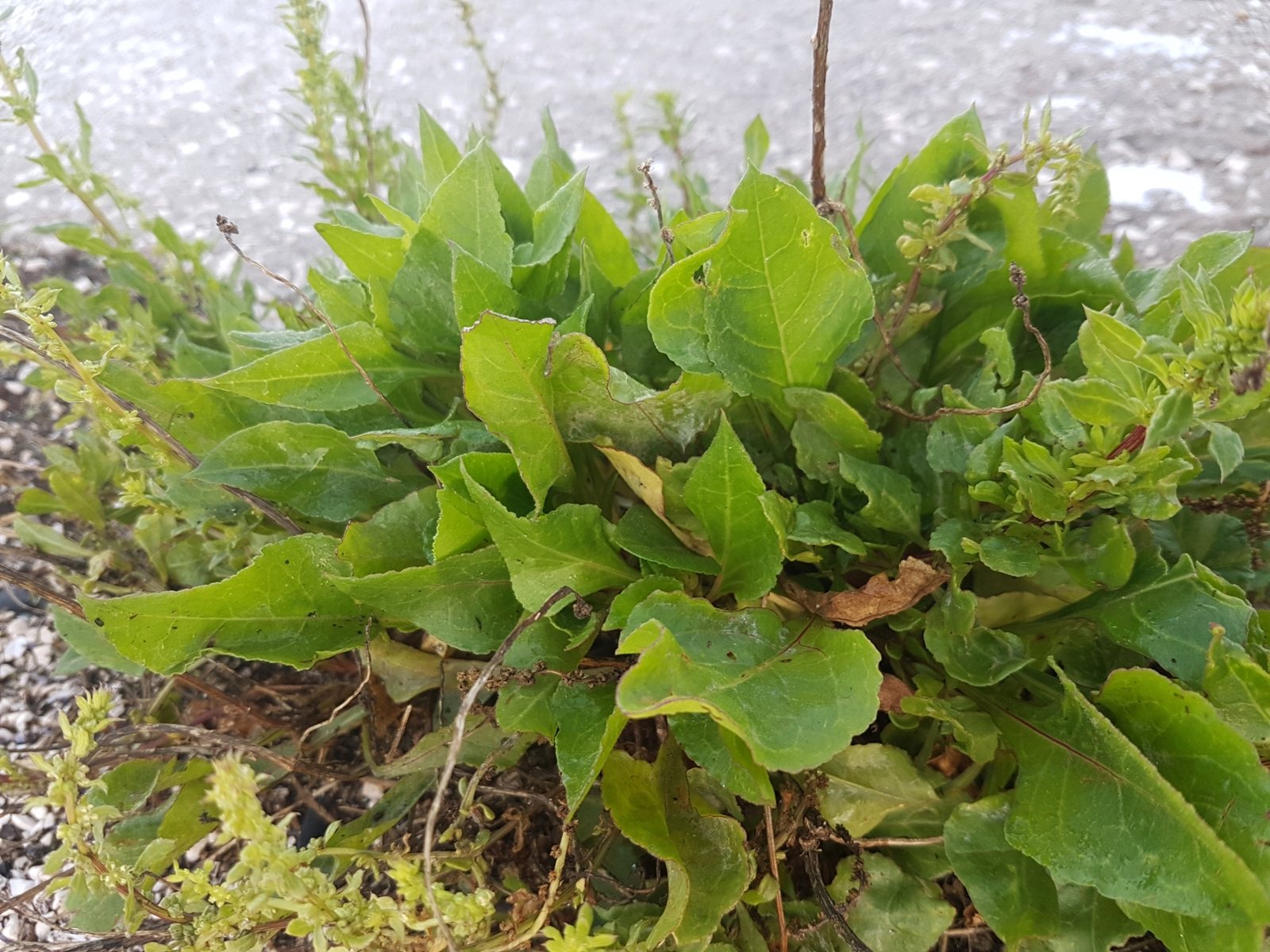
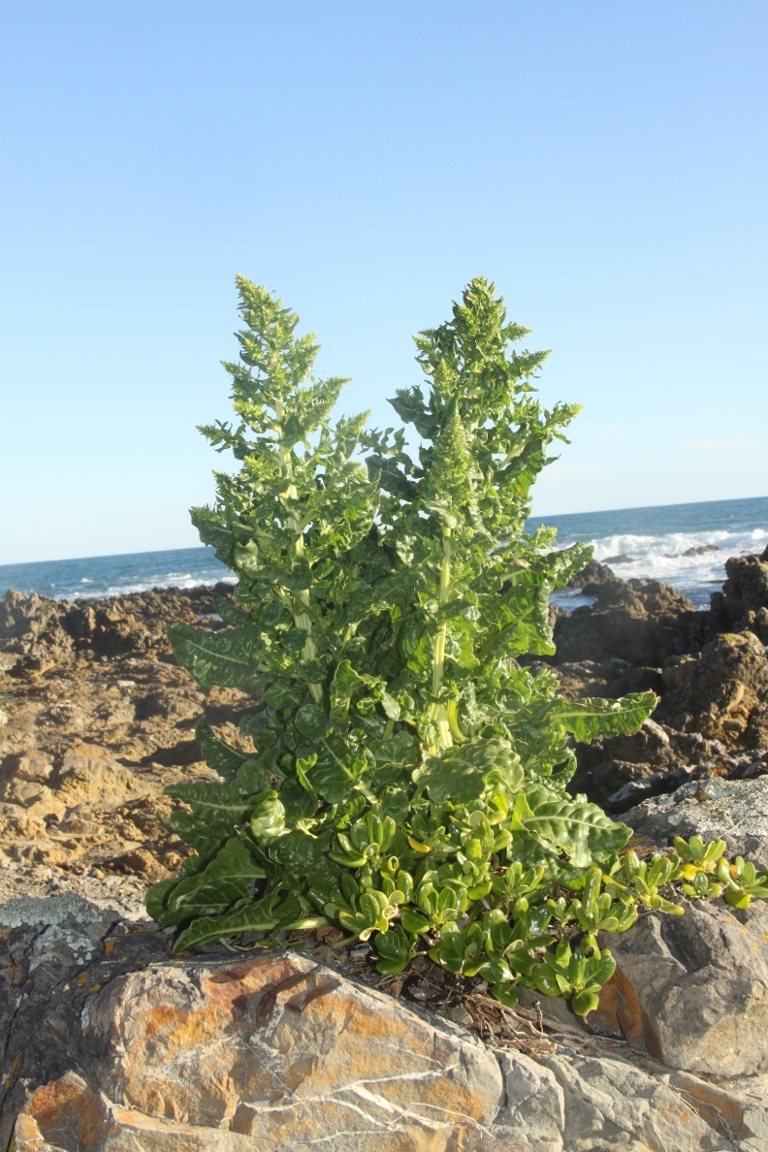
‘Touchstone Gold’ is a beetroot with rounded, orange-skinned roots, golden-yellow flesh and edible green leaves on yellow stalks. It is a biennial grown as an annual for its sweet roots, which stain much less than red beetroot, and for young salad or cooking greens.
At a glance
- Sun
- Full sun is best; light partial shade is suitable, especially in hot climates, but may slow root growth.
- Water
- Keep the root zone evenly moist without waterlogging. In dry weather, provide about 1 in (25 mm) of water weekly, allowing for rainfall; containers may need more frequent watering.
- Soil
- Loose, well-drained soil enriched with mature compost, ideally pH 6.0-7.5. Remove stones and break up compacted soil so roots can develop evenly.
- Height
- 1-1.5 ft (0.3-0.45 m)
- Spread
- 0.5-0.75 ft (0.15-0.23 m)
- Foliage
- Broad green leaves with yellow veins and yellow to golden leaf stalks, growing in an upright rosette.
- Growth
- Fast; roots usually reach harvest size about 55-65 days after sowing in suitable conditions.
- Care needed
- Low
The year at a glance
- Edible
| J | F | M | A | M | J | J | A | S | O | N | D | |
|---|---|---|---|---|---|---|---|---|---|---|---|---|
| Fruit | ||||||||||||
| Plant |
Northern hemisphere months. In Australia, shift them by six.
- Difficulty
- Easy
- Toughness
- Fairly tough
Will it suit your garden?
Pick your zone, country, light and whether you have pets.
Full sun is 6 or more hours of direct sun a day, part shade 3 to 6 hours, shade under 3.
How it grows
Planting day
0.5 ft (0.15 m)
After 1 year
1.2 ft (0.38 m)
full size
Full size in one season.
From a typical nursery size, at an average rate for this kind of plant. A rule of thumb, not a forecast.
Good to know
- Cats and dogs
- Mildly toxic: may upset a stomach
- Native to
- the UK
- Growth rate
- Fast
Care
Jobs through the year
- WaterApr–May, Sep–Oct, every 7 days
- Water established crops if rainfall is insufficient; keep seedbeds consistently moist.
- WaterJun–Aug, every 7 days
- Supply about 25 mm weekly including rain; water sooner if soil begins drying.
- MulchMar–Apr
- Work mature compost into the bed before sowing; avoid fresh manure.
- MulchMay–Jun, Aug–Sep
- Apply a thin mulch around established seedlings, keeping crowns clear.
- ProtectApr–Sep
- Cover vulnerable sowings with insect mesh and protect seedlings from slugs.
- HarvestMay–Nov, every 7 days
- Lift roots at 4–8 cm across before hard freezes; pick only a few outer leaves.
- Direct-sow about 0.5 in (1 cm) deep once soil has warmed to around 50°F (10°C); prolonged cold can encourage bolting.
- Thin seedlings to 3-4 in (8-10 cm) apart; each corky seed cluster can produce several seedlings.
- Water consistently, especially while roots are swelling, to reduce tough roots and interrupted growth.
- Work mature compost into the bed before sowing; avoid fresh manure and heavy nitrogen feeding.
- Weed gently around the shallow roots and apply a thin mulch once seedlings are established.
- In hot regions, grow during the cooler months rather than through peak summer.
Pruning. No routine pruning is needed. Pick only a few outer leaves from each plant if you also want a good root crop, and remove any flower stems promptly or harvest bolting plants.
Harvest
Pick young outer leaves once plants are well established, leaving the central growing leaves intact. Lift roots when their shoulders are roughly 1.5-3 in (4-8 cm) across, usually about 55-65 days after sowing; smaller roots are generally more tender. Loosen the soil with a fork before lifting, and shorten the leaves for storage without cutting into the root.
Through the year
- Early spring
- Prepare a sunny bed with mature compost and remove stones; wait for warming soil before sowing.
- Spring
- Direct-sow short rows and thin established seedlings to 3-4 in (8-10 cm) apart.
- Late spring
- Make another sowing for a longer harvest, and begin picking a few young leaves from established plants.
- Summer
- Water regularly and lift roots as they reach a useful size; avoid new sowings during extreme heat.
- Late summer
- In cool and temperate regions, sow a final crop about 8-10 weeks before the first expected hard frost.
- Autumn
- Lift storage roots before hard freezes. In mild, hot-summer climates, sow for a cool-season crop instead.
- Winter
- Check stored roots for decay; continue harvesting outdoor crops only where conditions remain mild.
In the garden
- Plant in neat rows in a potager, where yellow stalks contrast with red beetroot and dark lettuces.
- Use as a low edible edging along vegetable beds, keeping enough space for the leaves to spread.
- Grow in containers at least 10-12 in (25-30 cm) deep on a sunny patio.
- Repeat small groups among other vegetables for a productive display of green foliage and golden stems.
Garden styles it suits: Potager (kitchen garden), Edible landscape, Cottage garden, Homestead, Small-space and Family-friendly.
Plant it with: Lettuce, Radishes, Spring onions, Garlic, Dwarf French beans and Calendula.
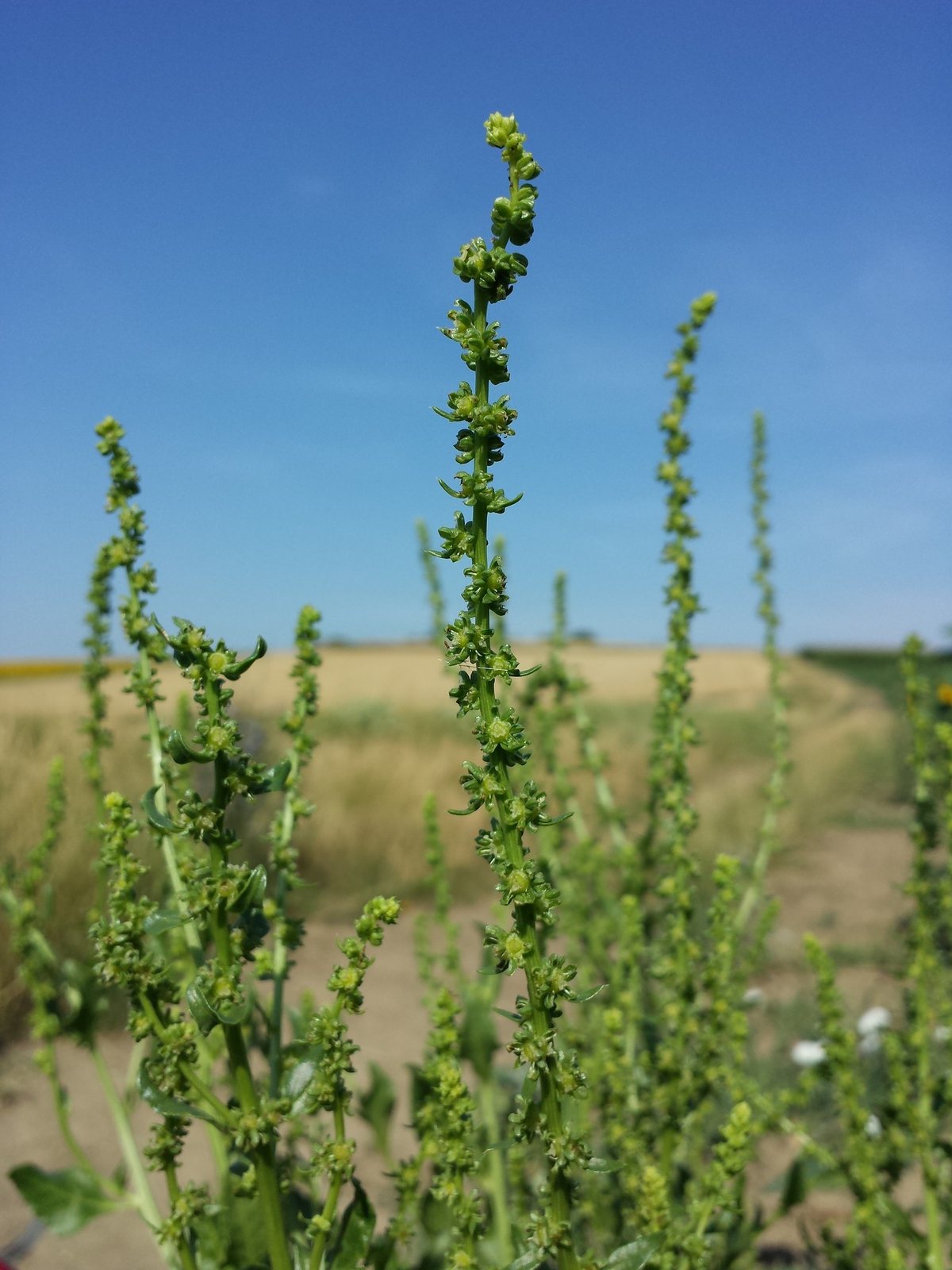
Wildlife: Leaves may be eaten by slugs, snails, rabbits and deer. Plants harvested in their first year provide little nectar or pollen because they do not normally flower.
Problems to watch for
- Leaf miners leave pale blotches or tunnels in leaves: remove affected leaves and protect new sowings with fine insect mesh.
- Slugs and snails eat seedlings: check after dark, remove hiding places and use labelled iron-phosphate bait where needed.
- Damping off causes seedlings to collapse: improve drainage, avoid overwatering and sow thinly in a well-prepared bed.
- Bolting or poor root swelling follows prolonged cold, heat, crowding or drought: sow in suitable local seasons, thin promptly and keep moisture steady.
Safety
The roots and leaves are edible for people, and ordinary small amounts are not known to be toxic to cats or dogs. Leaves contain oxalates, so large amounts are unsuitable for pets or horses and may be a concern for people advised to limit dietary oxalate; avoid feeding beet foliage as a major part of an animal's diet.
Easily confused with
Yellow-stemmed Swiss chard (Beta vulgaris Cicla Group)
Young leaves can look very similar, but chard develops larger leaves and heavier stalks without a rounded, swollen beetroot.
Red beetroot (Beta vulgaris Conditiva Group)
Most red-rooted varieties have reddish leaf stalks and dark red flesh; ‘Touchstone Gold’ has yellow stalks, orange skin and yellow flesh.
The name
The common name golden beet refers to the yellow flesh of its swollen edible root.
Propagation. Grow from seed, preferably sown directly where the crop will mature. Seed saving requires overwintering selected roots for flowering in their second year and isolating them from other flowering beets and chard to prevent crossing.
Checked against open data
- Accepted botanical name
- Beta vulgaris
- In the US and Canada
- Introduced in the lower 48 states and Puerto Rico.
- Native range
- Albania, Algeria, Azores, Baleares, Belgium, Bulgaria, Canary Is., Corse, Cyprus, East Aegean Is., Egypt and France.
- Measured
- Soil pH 7.5 to 8. Average height 43 cm.
Sources: GBIF (CC BY 4.0), USDA PLANTS and Trefle (CC BY 4.0). The care and design notes are LandscapeGPT's own.
See it in your own yard.
Upload a photo of your yard and see it redesigned with plants that suit your climate, each checked against your zone.