Grapefruit
Citrus × paradisi. Family Rutaceae. Tree.
Also called Pomelo-grapefruit.
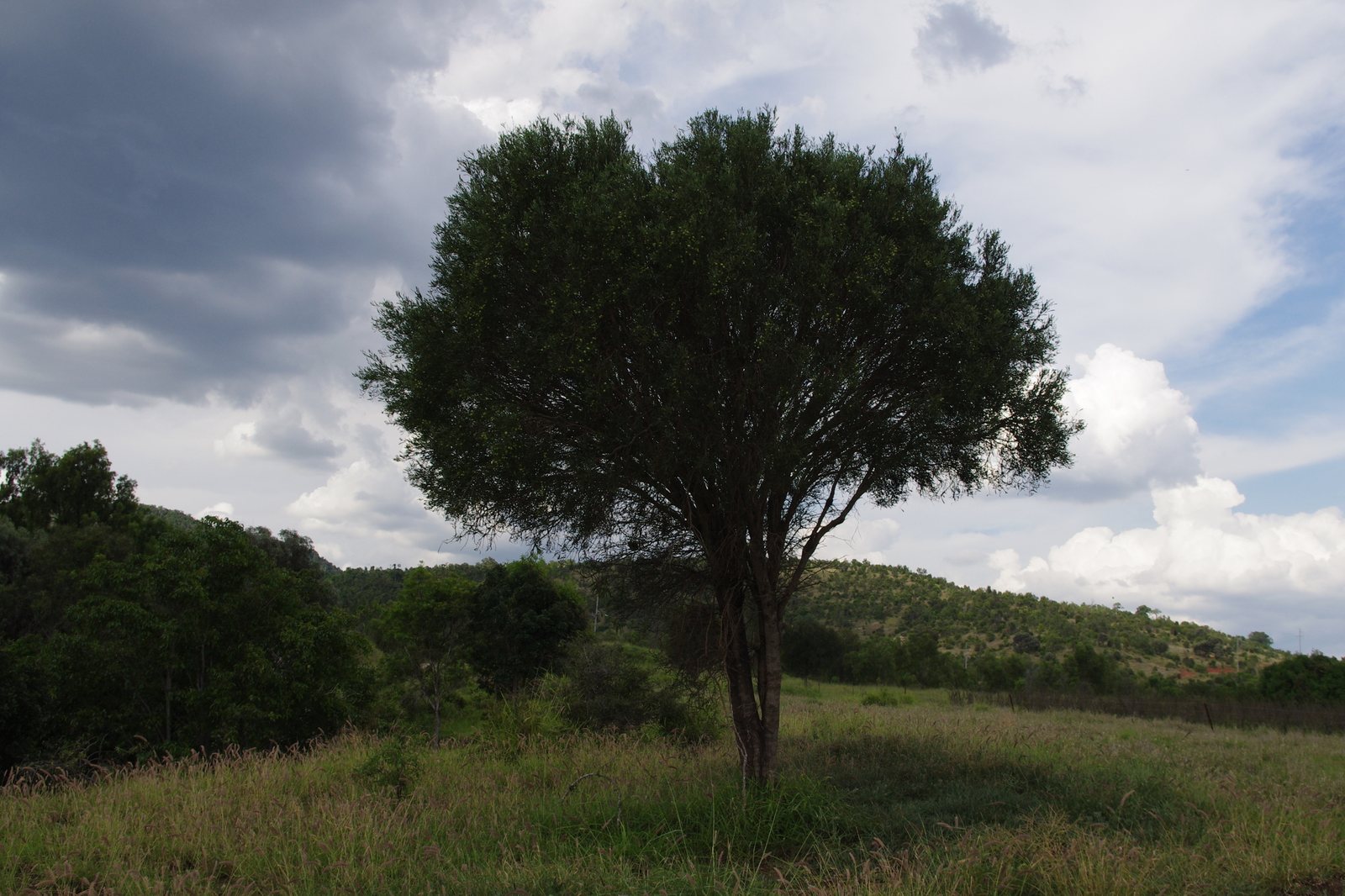
Grapefruit is a broad-crowned evergreen citrus tree grown for its large, tart fruit and fragrant white flowers. It needs a long, warm growing season to produce good-quality fruit; in the United Kingdom, most of Canada and other cold regions, it needs a heated greenhouse or frost-free indoor winter quarters.
At a glance
- Sun
- Full sun, ideally at least 8 hours daily, with shelter from cold winds.
- Water
- Water deeply when the upper 2-3 in (5-8 cm) of soil dries, allowing excess water to drain. Container trees need more frequent checks, but much less water in cool winter quarters.
- Soil
- Well-drained sandy loam, preferably slightly acidic, around pH 6.0-7.0. Avoid waterlogged ground; use a free-draining citrus potting mix in containers.
- Height
- 20-30 ft (6-9 m); dwarf-rootstock trees are smaller
- Spread
- 15-25 ft (4.5-7.5 m)
- Flowers
- Mainly spring; white, strongly fragrant flowers, sometimes followed by scattered later blooms.
- Foliage
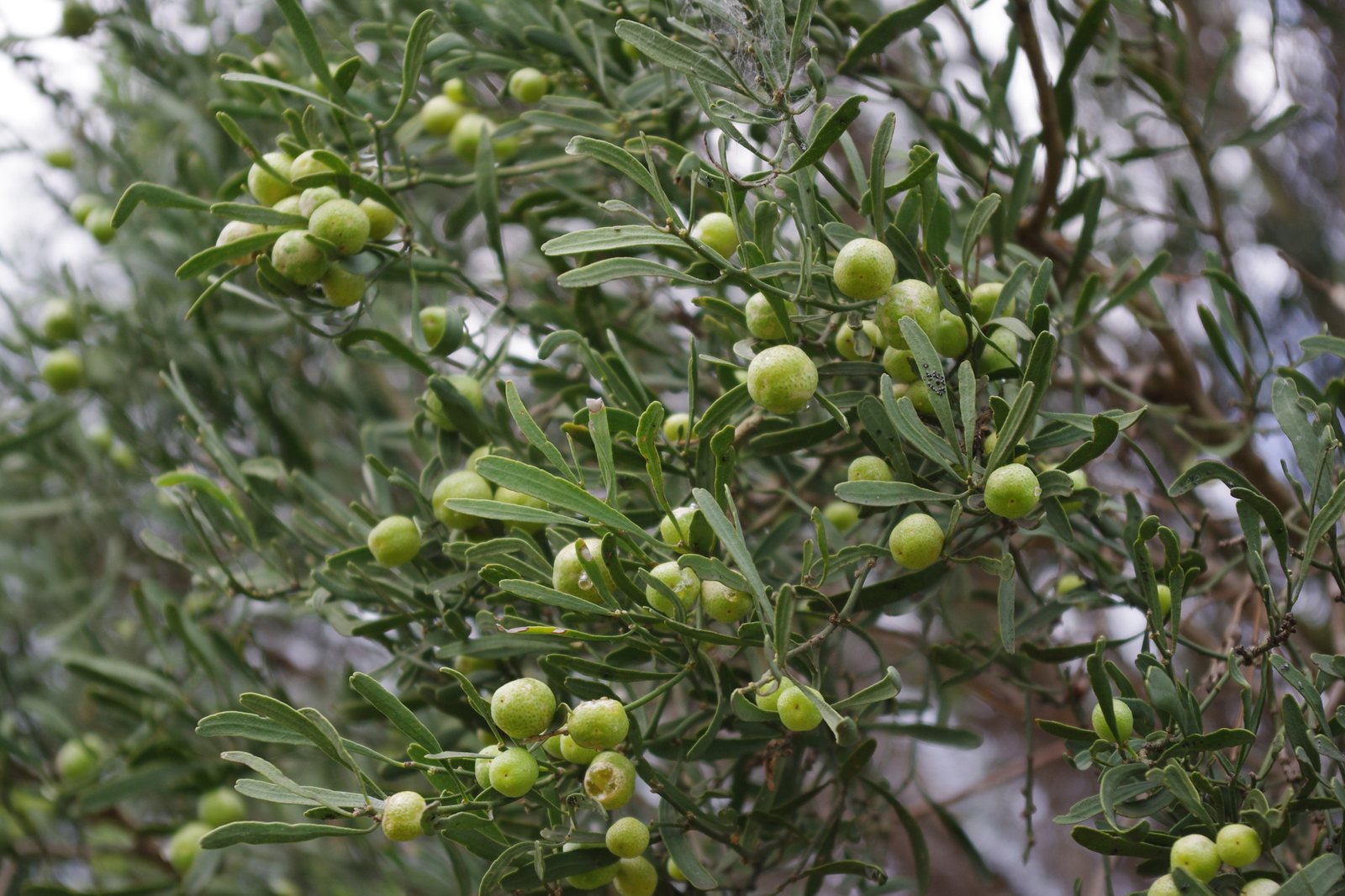
- Evergreen. Glossy, dark green, oval leaves with winged leaf stalks; young branches may bear thorns.
- Growth
- Moderate in warm conditions; slow in cool climates or containers.
- Care needed
- Medium
The year at a glance
- Pollinators
- Heat tolerant
- Low allergen
- Fragrant
- Edible
| J | F | M | A | M | J | J | A | S | O | N | D | |
|---|---|---|---|---|---|---|---|---|---|---|---|---|
| Flowers | ||||||||||||
| Fruit | ||||||||||||
| Plant |
Northern hemisphere months. In Australia, shift them by six.
- Difficulty
- Hard
- Toughness
- Needs looking after
Will it suit your garden?
Pick your zone, country, light and whether you have pets.
Full sun is 6 or more hours of direct sun a day, part shade 3 to 6 hours, shade under 3.
How it grows
Planting day
7 ft (2 m)
After 1 year
7 ft (2.2 m)
After 2 years
8 ft (2.4 m)
After 3 years
9 ft (2.6 m)
After 5 years
10 ft (3.1 m)
About 26 years to full size.
From a typical nursery size, at an average rate for this kind of plant. A rule of thumb, not a forecast.
Good to know
- Cats and dogs
- Toxic
- Growth rate
- Slow
Care
Jobs through the year
- WaterApr–May, Sep–Oct, every 7 days
- Water when the upper 5–8 cm dries; containers need closer checks than established ground trees.
- WaterJun–Aug, every 5 days
- Water deeply if the upper soil is dry; containers may need much more frequent watering.
- WaterJan–Mar, Nov–Dec, every 21 days
- In cool frost-free shelter, water sparingly only after the upper soil dries.
- FeedMar–Aug, every 30 days
- Use citrus fertilizer during active growth, adjusting frequency to its label.
- PruneMay–Jun
- After harvest, remove dead or crossing shoots and suckers below the graft; avoid hard pruning.
- MulchMay
- For ground-grown trees in suitable climates, apply 5–8 cm mulch clear of the trunk.
- ProtectJan–May, Sep–Dec
- Not ground-hardy in zones 6–7; keep in a movable container and bright frost-free shelter before frost.
- HarvestJan–May, Nov–Dec, every 14 days
- Taste full-sized fruit before picking; cool-climate crops may remain acidic.
- Choose a named, grafted tree from a certified nursery; rootstock affects size, soil tolerance and cold tolerance.
- Plant with the root flare at soil level and the graft union well above the soil.
- Water the root zone deeply rather than giving frequent light sprinklings; never leave a container standing in water.
- Feed with a citrus fertilizer according to its label during active growth; avoid late feeding that encourages tender growth before cold weather.
- Apply 2-3 in (5-8 cm) of mulch over the root zone, keeping it at least 6 in (15 cm) away from the trunk.
- Protect young trees during cold snaps; move container trees into bright, frost-free shelter before frost.
Pruning. Prune lightly after the main harvest and once frost risk has passed, removing dead wood, crossing shoots and suckers below the graft. Avoid hard pruning and exposing previously shaded bark to strong sun.
Harvest
Pick full-sized fruit from late autumn through spring, depending on cultivar and climate; taste a sample because peel colour alone does not show ripeness. Clip or gently twist fruit from the tree, leaving any firm stem behind, and remember that grapefruit does not become sweeter after picking.
Through the year
- Late winter
- Check overwintering container trees for scale insects and spider mites; keep them bright, cool and frost-free.
- Spring
- Begin citrus feeding as growth starts, and plant new trees once frost risk has passed.
- Late spring
- Prune lightly after harvest where the crop has finished, and remove shoots growing below the graft.
- Summer
- Water deeply during dry spells and check containers frequently; keep mulch clear of the trunk.
- Autumn
- Taste early fruit before picking and prepare frost protection; bring container trees under cover before frost.
- Winter
- Harvest ripe fruit where the cultivar is ready, protect outdoor trees during freezes and reduce watering under cool cover.
In the garden
- Use as a productive specimen tree in a sunny lawn or broad planting bed, leaving room for the mature crown.
- Plant in a warm courtyard where its evergreen foliage and spring fragrance can be enjoyed without crowding paths.
- Grow a dwarf-rootstock tree in a large movable container on a sunny terrace with suitable winter shelter.
- Include in a mixed citrus orchard or edible landscape with access around the tree for harvesting.
Garden styles it suits: Mediterranean, Modern courtyard, Backyard orchard, Edible landscape, Florida subtropical and Spanish courtyard.
Plant it with: Rosemary, Lavender, Nasturtium and French marigold.
Wildlife: Flowers attract bees and other pollinating insects. Leaves can feed citrus swallowtail caterpillars where those butterflies occur; grapefruit is generally self-fertile, so a second tree is not normally needed.
Problems to watch for
- Citrus greening disease: blotchy, uneven leaf yellowing and small, misshapen, bitter fruit need professional diagnosis. There is no cure; report suspected cases to the local plant-health authority and follow regional rules for infected trees and psyllid control.
- Scale insects and sooty mould: inspect leaf undersides and stems, control ants that protect scale, and use a labelled horticultural oil when temperatures are suitable.
- Phytophthora root or collar rot: prevent standing water, keep soil and mulch away from the trunk, and correct drainage; seek local advice if bark at the base is dying.
- Cold damage or poor fruit quality: protect trees from frost and choose the warmest sheltered site. In cool summers, fruit may remain very acidic even when full-sized.
Safety
Leaves and peel contain oils and compounds considered toxic to cats, dogs and horses; ingestion can cause digestive upset, and contact may irritate skin. Human-edible flesh and juice are not ordinarily poisonous, but grapefruit can dangerously alter the effects of some medicines, so check with a pharmacist before eating it if you take medication. Peel oils can also irritate skin.
Easily confused with
Pomelo (Citrus maxima)
Usually has larger fruit with much thicker rind and pith, larger leaves and more broadly winged leaf stalks.
Sweet orange (Citrus × sinensis)
Usually bears smaller, sweeter fruit with thinner rind and has more narrowly winged leaf stalks; fruit tasting is more reliable than leaf shape alone.
Bitter orange (Citrus × aurantium)
Usually has smaller fruit with rougher, deep orange rind and very sour, bitter flesh; its broad-winged leaf stalks can resemble grapefruit.
The name
The common name refers to the tendency of its fruit to hang in grape-like clusters, while paradisi means 'of paradise'.
Propagation. Usually propagated by budding or grafting onto a suitable citrus rootstock. Seedlings are slow to fruit and may differ from the parent; use certified disease-free nursery stock and observe local restrictions on moving citrus plants or budwood.
Checked against open data
- Accepted botanical name
- Citrus aurantium Citrus × paradisi is an older name for Citrus aurantium.
Sources: GBIF (CC BY 4.0). The care and design notes are LandscapeGPT's own.
See it in your own yard.
Upload a photo of your yard and see it redesigned with plants that suit your climate, each checked against your zone.