Greek oregano
Origanum vulgare subsp. hirtum. Family Lamiaceae. Perennial.
Also called Wild marjoram, Greek wild marjoram.
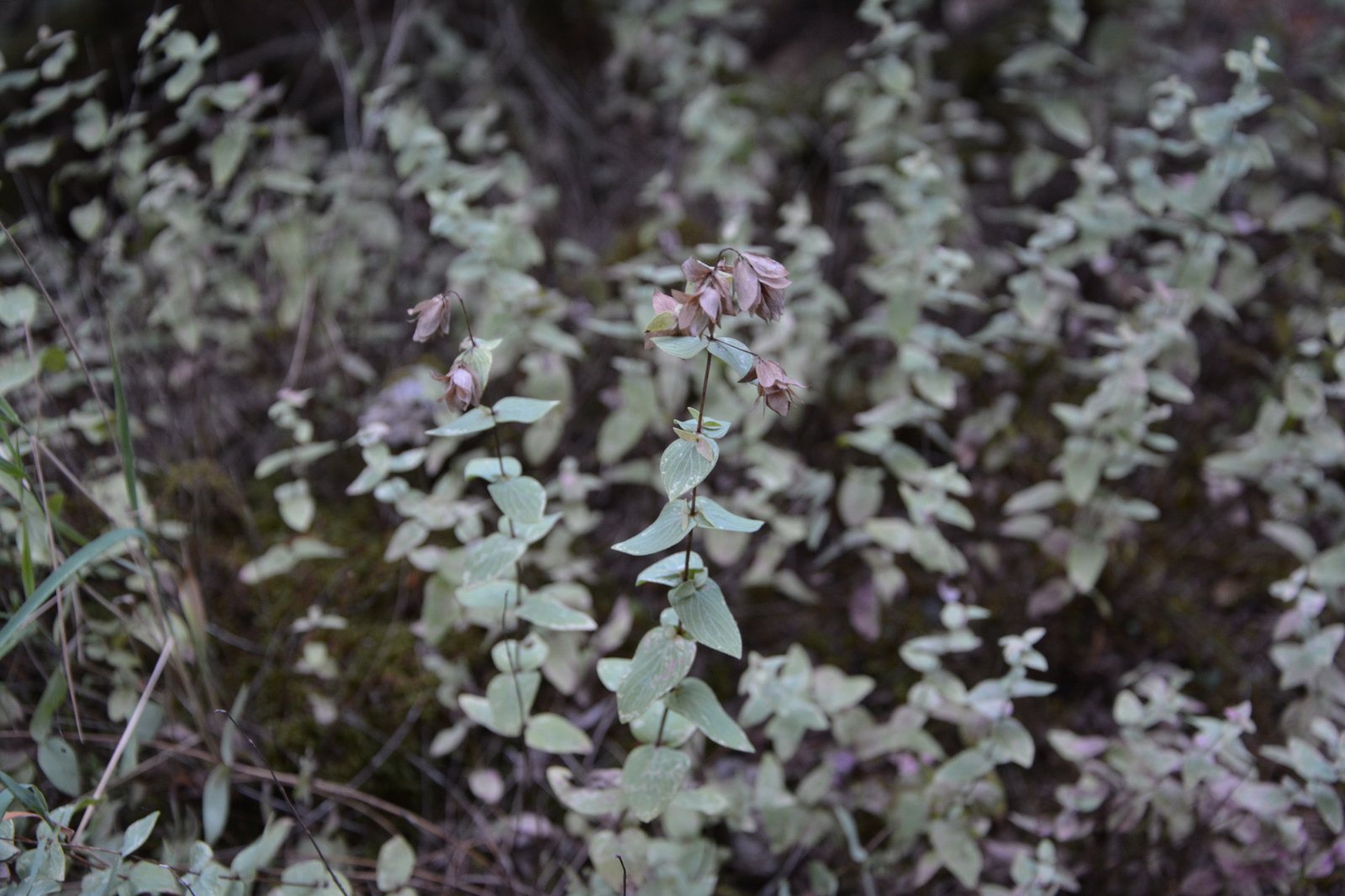
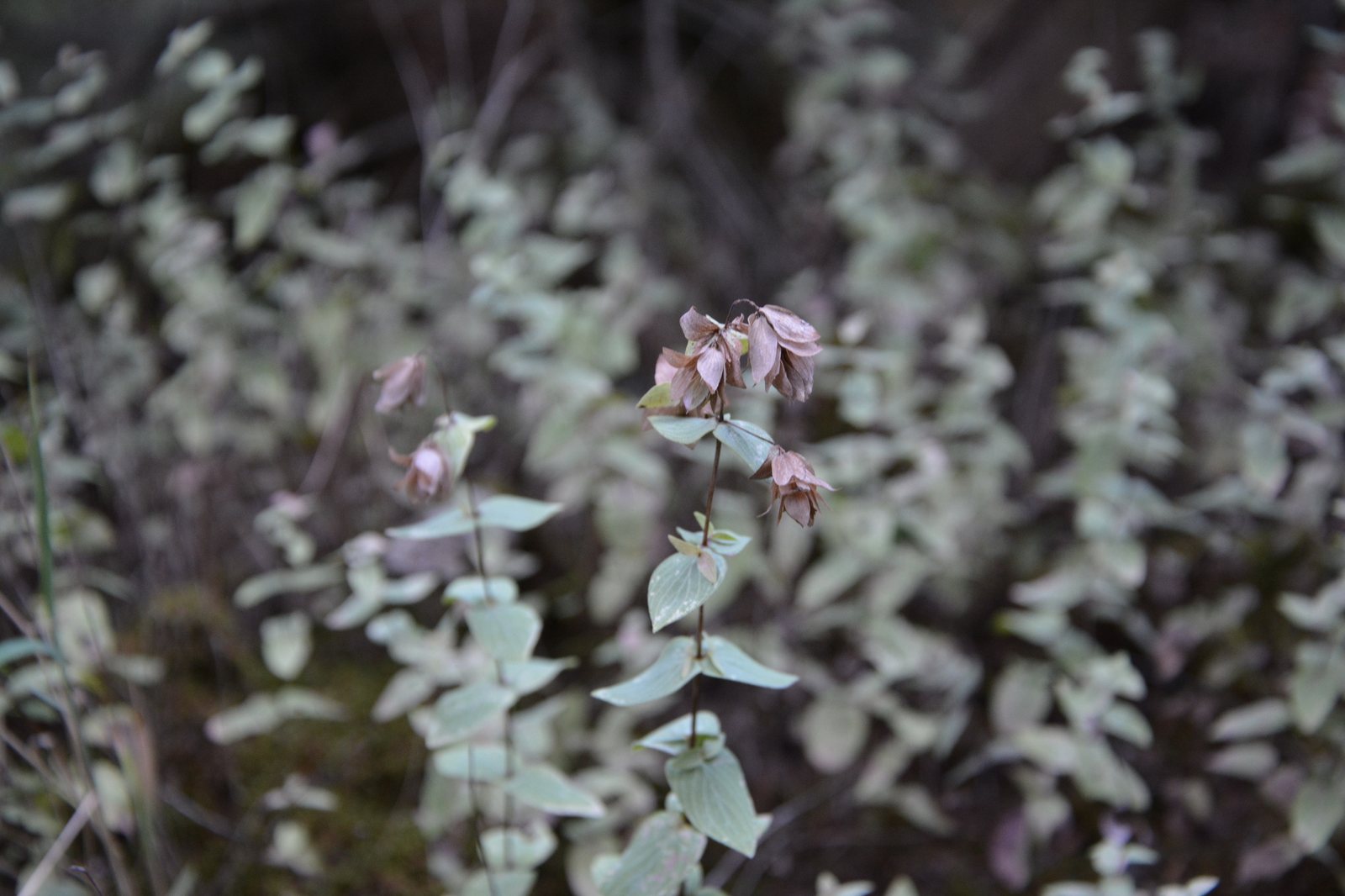
Greek oregano is a low, spreading culinary herb with strongly aromatic leaves and small white summer flowers. Grow it for its robust flavour, drought tolerance once established and flowers that attract pollinating insects.
At a glance
- Sun
- Full sun; tolerates light afternoon shade in very hot climates, but deep shade weakens growth and flavour.
- Water
- Low once established. Water young plants regularly, then let the soil dry between thorough waterings; avoid persistently wet roots.
- Soil
- Well-drained sandy, gravelly or loamy soil, preferably neutral to alkaline. Tolerates lean soil; heavy clay needs improved drainage or a raised bed.
- Height
- 1-2 ft (0.3-0.6 m), including flower stems
- Spread
- 1-2 ft (0.3-0.6 m), spreading farther over time
- Flowers
- Small white flowers in clustered heads from midsummer into early autumn.
- Foliage
- Small, opposite, oval green leaves with fine hairs and a strong oregano scent. Dies back in cold winters but may retain some foliage in mild climates.
- Growth
- Moderate
- Care needed
- Low
The year at a glance
- Pollinators
- Deer resistant
- Drought tolerant
- Heat tolerant
- Low allergen
- Fragrant
- Edible
| J | F | M | A | M | J | J | A | S | O | N | D | |
|---|---|---|---|---|---|---|---|---|---|---|---|---|
| Flowers | ||||||||||||
| Fruit | ||||||||||||
| Plant |
Northern hemisphere months. In Australia, shift them by six.
- Difficulty
- Easy
- Toughness
- Very tough
Will it suit your garden?
Pick your zone, country, light and whether you have pets.
Full sun is 6 or more hours of direct sun a day, part shade 3 to 6 hours, shade under 3.
How it grows
Planting day
1 ft (0.3 m)
After 1 year
1.1 ft (0.35 m)
After 2 years
1.3 ft (0.4 m)
After 3 years
1.5 ft (0.45 m)
full size
About 3 years to full size.
From a typical nursery size, at an average rate for this kind of plant. A rule of thumb, not a forecast.
Good to know
- Cats and dogs
- Toxic
- In the garden
- Spreads vigorously: plan to contain it.
- Growth rate
- Moderate
Care
Jobs through the year
- WaterApr–May, Sep, every 21 days
- Water established plants only if soil is dry; water young plants more often while they establish.
- WaterJun–Aug, every 14 days
- Water deeply only during prolonged dry spells, allowing soil to dry between waterings.
- FeedApr
- Add a little compost only if growth is weak; avoid rich feeding.
- MulchApr
- Use a thin gravel mulch rather than moisture-holding organic mulch around the crown.
- PruneMar–Apr
- Remove dead stems and trim back to healthy new growth.
- DivideApr–May
- Divide crowded or woody clumps every three to four years as growth resumes.
- HarvestMay–Oct, every 14 days
- Pick leafy shoots above a leaf pair, taking at most one-third; harvest before flowering for drying.
- PruneAug–Sep
- After flowering, shear lightly to encourage fresh leaves and limit self-seeding.
- ProtectOct–Nov
- Clear fallen leaves from the crown and shelter pots from persistent winter rain.
- Water new plants when the root zone starts to dry; reduce watering once they are established.
- Avoid rich feeding; apply a little compost in spring only if growth is weak.
- Use a thin gravel mulch rather than moisture-holding mulch around the crown.
- Keep containers freely draining and empty saucers after watering.
- Divide crowded or woody clumps every three to four years in spring.
Pruning. In early spring, remove dead stems and trim back to healthy new growth. After flowering, shear lightly to encourage fresh leaves and remove seed heads if you want to limit self-seeding.
Harvest
Pick leaves and tender shoot tips once the plant is well established and growing strongly; their flavour is usually strongest just before flowering. Cut above a pair of leaves, taking no more than about one-third of the leafy growth at once, and use fresh or dry in small bundles in an airy, shaded place.
Through the year
- Early spring
- Remove dead stems and check that winter moisture has not rotted the crown.
- Spring
- Plant in well-drained soil, or divide established clumps as new growth begins.
- Late spring
- Pinch shoot tips to encourage branching and begin light harvesting.
- Early summer
- Harvest leafy stems just before flowering for drying.
- Summer
- Leave some flowers for insects; water established plants only during prolonged dry spells.
- Late summer
- Trim spent flowers to encourage fresh foliage and reduce self-seeding.
- Autumn
- Clear fallen leaves from the crown and move pots out of persistent winter rain.
In the garden
- Edge a sunny kitchen garden or raised bed where the leaves are easy to harvest.
- Combine with thyme, sage and lavender in a gravel herb garden with shared drainage needs.
- Use in pots beside a sunny seating area, where brushing the leaves releases their scent.
- Plant in small groups along a sunny border to provide a low leafy layer beneath taller perennials.
Garden styles it suits: Mediterranean, Potager (kitchen garden), Herb parterre, Dry gravel garden, Edible landscape and Sensory garden.
Plant it with: Thyme, Common sage, Lavender, Rosemary and Winter savory.
Wildlife: Flowers attract bees, butterflies and other nectar-feeding insects. Leave part of the plant unharvested so it can flower.
Problems to watch for
- Root and crown rot in wet soil: improve drainage, reduce watering and replace badly affected plants in a drier position.
- Aphids on soft shoots: rinse off with water and avoid excessive nitrogen feeding.
- Spider mites in hot, dry, sheltered conditions: rinse leaf undersides and improve airflow around container plants.
- Leggy growth and weak flavour in shade: move to a sunnier position and trim back lightly to encourage branching.
Safety
Oregano is considered toxic to cats, dogs and horses if eaten, chiefly because of its aromatic oils; foliage may cause digestive upset, and concentrated essential oil poses a greater risk. Leaves are not known to be toxic to people in normal culinary amounts, though allergies are possible.
Easily confused with
Common oregano (Origanum vulgare)
Typical common oregano usually has pink to purple flowers and often a milder scent; Greek oregano normally has white flowers and more strongly aromatic, hairy leaves.
Sweet marjoram (Origanum majorana)
Has softer, greyer leaves, a sweeter scent and compact, knot-like flower clusters; it is much less winter-hardy.
Mexican oregano (Lippia graveolens)
An unrelated, frost-tender woody shrub with larger, rougher, toothed leaves rather than Greek oregano's small, low-growing leafy shoots.
The name
The epithet hirtum means hairy, referring to the plant's hairs, while Greek oregano distinguishes this strongly flavoured Mediterranean form from other oreganos.
Propagation. Divide established clumps in spring or take softwood cuttings in late spring to early summer. Seed is possible, but seedlings may vary in flavour, especially where other oregano plants grow nearby.
Checked against open data
- Accepted botanical name
- Origanum vulgare hirtum
Sources: GBIF (CC BY 4.0). The care and design notes are LandscapeGPT's own.
See it in your own yard.
Upload a photo of your yard and see it redesigned with plants that suit your climate, each checked against your zone.