Gymea lily
Doryanthes excelsa. Family Doryanthaceae. Perennial.
Also called Giant lily, Spear lily.
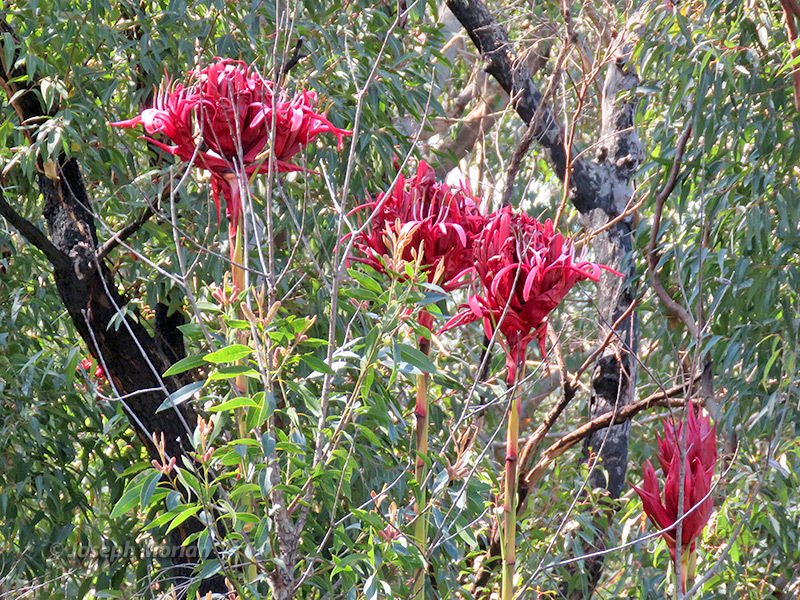
Gymea lily is a large evergreen perennial from eastern Australia, grown for its broad, arching leaves and towering stems topped with clusters of red flowers. It makes a strong architectural feature, but needs plenty of space and a mild climate; young plants can take a decade or more to flower.
At a glance
- Sun
- Full sun to partial shade; flowering is generally better in a sunny position.
- Water
- Water regularly while establishing. Established plants tolerate dry spells, but grow better with occasional deep watering during prolonged drought.
- Soil
- Well-drained sandy or loamy soil, preferably slightly acidic to neutral. Avoid waterlogged ground, especially in winter.
- Height
- Foliage 4-8 ft (1.2-2.4 m); flower stems 12-20 ft (3.7-6 m)
- Spread
- 6-10 ft (1.8-3 m), eventually wider as offsets develop
- Flowers
- Spring to summer, with dense clusters of deep red flowers at the tops of tall, upright stems; flowering may be irregular.
- Foliage
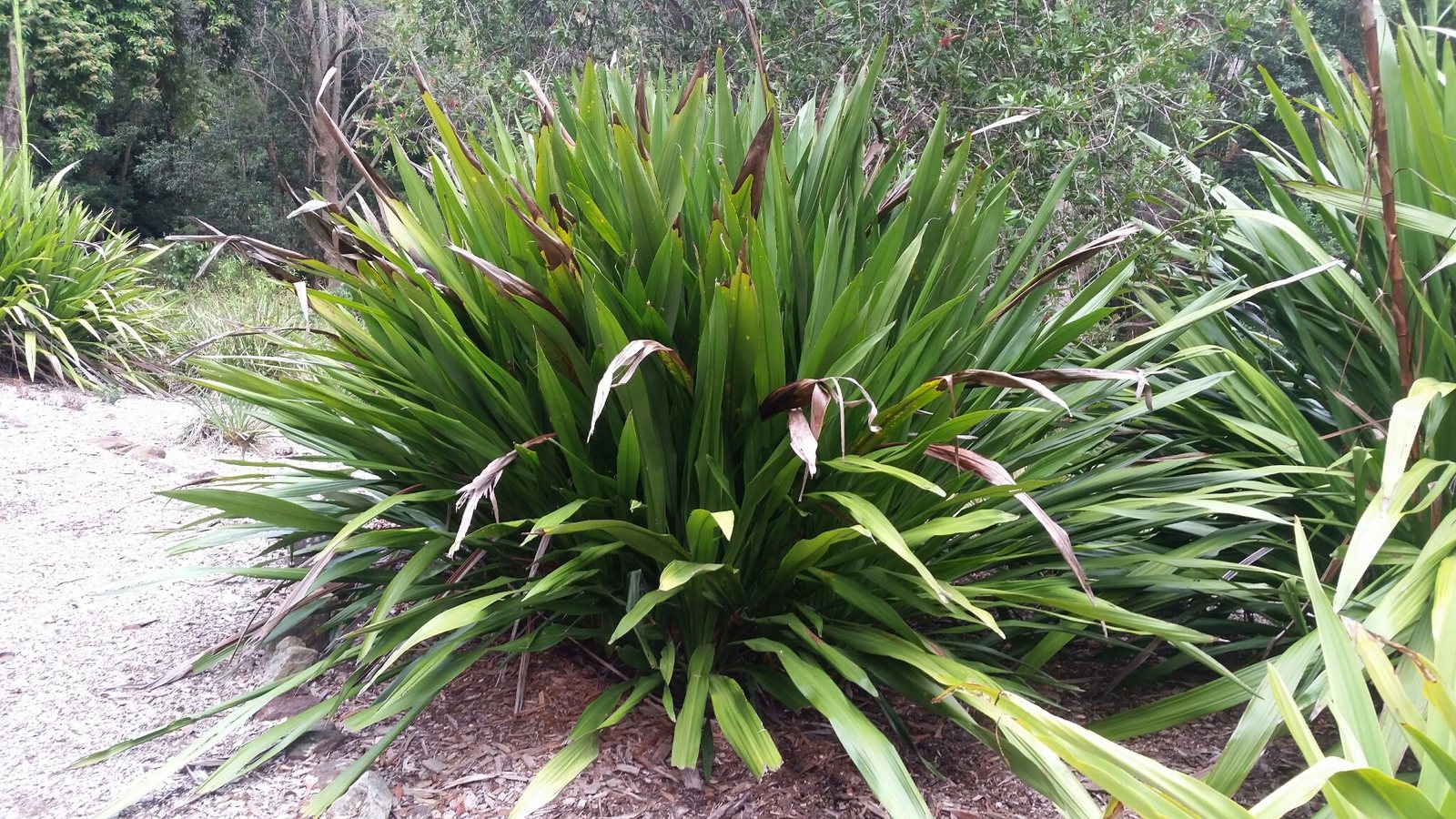
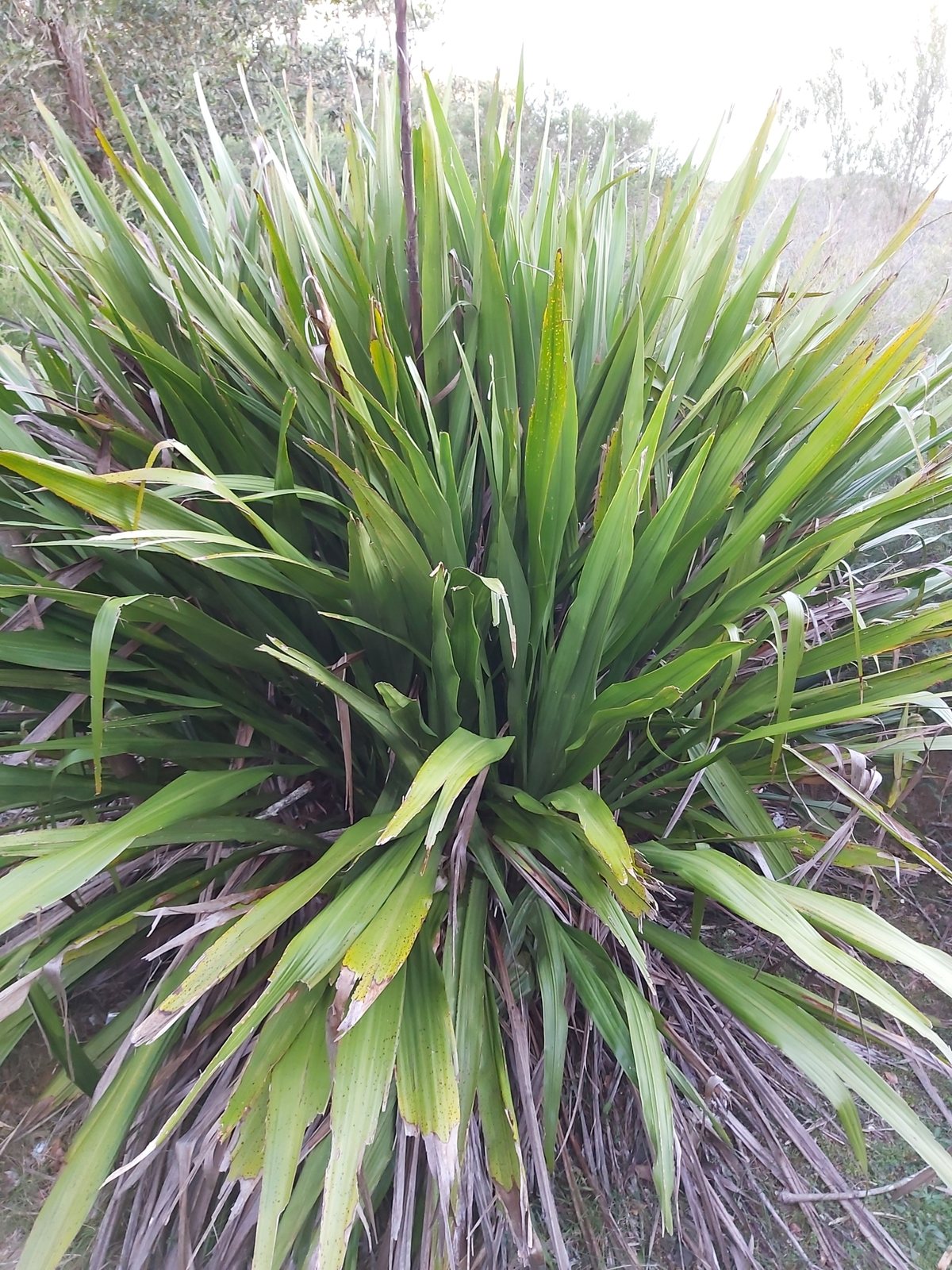
- Evergreen. Large rosettes of broad, strap-shaped, glossy green leaves that arch outward and have fibrous tips.
- Growth
- Slow to moderate; slow to reach flowering size
- Care needed
- Low
The year at a glance
- Pollinators
- Drought tolerant
- Heat tolerant
- Wildlife
- Low allergen
| J | F | M | A | M | J | J | A | S | O | N | D | |
|---|---|---|---|---|---|---|---|---|---|---|---|---|
| Flowers | ||||||||||||
| Fruit | ||||||||||||
| Plant |
Northern hemisphere months. In Australia, shift them by six.
- Difficulty
- Hard
- Toughness
- Fairly tough
Will it suit your garden?
Pick your zone, country, light and whether you have pets.
Full sun is 6 or more hours of direct sun a day, part shade 3 to 6 hours, shade under 3.
How it grows
Planting day
1 ft (0.3 m)
After 1 year
2.2 ft (0.68 m)
After 2 years
4 ft (1.1 m)
After 3 years
5 ft (1.5 m)
After 5 years
6 ft (1.8 m)
full size
About 4 years to full size.
From a typical nursery size, at an average rate for this kind of plant. A rule of thumb, not a forecast.
Good to know
- Cats and dogs
- Safe
- Native to
- Australia
- Growth rate
- Slow
Care
Jobs through the year
- WaterApr–May, Sep, every 21 days
- Water established ground plants during prolonged dry spells; young plants and containers need more frequent checks.
- WaterJun–Aug, every 14 days
- Deep-water established ground clumps during drought, letting the surface dry between waterings.
- WaterJan–Mar, Oct–Dec, every 21 days
- Check sheltered pots and water sparingly when needed; keep the crown and roots free of standing water.
- FeedApr–May
- Apply a light low-phosphorus native-plant feed only if growth is weak.
- MulchMay
- Mulch around the root area while leaving the crown exposed.
- PruneApr–May
- Remove dead outer leaves at their bases without cutting healthy foliage.
- PruneAug–Nov
- Cut spent flower stems near the base after flowering or seed ripening; lower tall stems safely.
- ProtectJan–Apr, Oct–Dec
- In zone 6–7, use a large movable container and bright frost-free shelter; allow for its substantial mature size.
- Allow space for the mature leaf spread and keep the rosette clear of paths.
- Water deeply during the first two growing seasons, letting the surface soil dry between waterings.
- Apply a light dressing of low-phosphorus fertiliser suitable for Australian native plants in spring if growth is weak.
- Mulch around the plant, leaving the crown exposed.
- Protect young plants from frost; in colder climates, use a large container that can be moved to a bright, frost-free shelter.
Pruning. Remove dead outer leaves at their bases in spring, without cutting healthy foliage back. Once flowering has finished, cut the spent flower stem near its base, using help if necessary to lower it safely.
Through the year
- Spring
- Plant in freely drained soil after the risk of hard frost has passed.
- Spring
- Remove dead leaves, renew mulch and feed lightly if needed.
- Summer
- Water young plants deeply during dry weather; give established clumps occasional drought watering.
- Late summer
- Remove flower stems once flowering has finished, or leave them until capsules mature if collecting seed.
- Autumn
- Clear fallen debris from around the crown and check that drainage remains unobstructed.
- Winter
- Protect young plants during frosts and keep sheltered container plants on the dry side.
In the garden
- Use as a specimen in a broad lawn or open gravel garden where its full outline can be seen.
- Plant against a plain wall or contemporary building to emphasise the bold leaves and tall flower stems.
- Combine with smaller Australian native shrubs and grasses for contrasting foliage textures.
- Use in large, sheltered coastal gardens, away from narrow paths and exposed salt-laden winds.
Garden styles it suits: Architectural minimal, Modern, Australian native, Coastal, Dry gravel garden and Low-maintenance.
Plant it with: Kangaroo paw, Lomandra, Flax lily, Coastal rosemary, Bottlebrush and Grass tree.
Wildlife: The nectar-rich flowers attract honeyeaters and other nectar-feeding birds in Australia, as well as visiting insects. Dense mature clumps can provide shelter for small animals.
Problems to watch for
- Crown or root rot in wet soil: improve drainage, keep mulch off the crown and avoid frequent winter watering.
- Frost-scorched leaves: choose a sheltered position and cover young plants during cold spells; remove damaged leaves after frost risk has passed.
- Snails and slugs damaging young growth: inspect after dark and use barriers or an approved bait according to its label.
- Failure to flower: allow time for maturity, provide more sun if heavily shaded and avoid excessive nitrogen feeding.
Safety
Not known to be toxic to people, cats, dogs or horses, but reliable species-specific toxicity information is limited. Do not treat it as an edible plant; coarse leaves and fibres can cause physical irritation if chewed.
Easily confused with
Giant spear lily (Doryanthes palmeri)
Has a long, often arching or leaning flower stem with flowers distributed along its upper section, rather than the compact terminal flower head of Gymea lily.
New Zealand flax (Phormium tenax)
Leaves grow in flattened fans rather than broad rosettes, and the branched flower stems carry smaller tubular flowers.
Mauritius hemp (Furcraea foetida)
Has thicker, more succulent leaves and a large, branched spray of pale flowers, often followed by plantlets, rather than a dense red flower head.
The name
Doryanthes comes from Greek words meaning spear and flower, while excelsa means tall or lofty, referring to the towering flower stem.
Propagation. Sow fresh seed in a warm position in a freely draining seed mix. Seedlings take many years to flower. Established offsets can sometimes be separated with roots attached, but large clumps are heavy and dislike disturbance.
Checked against open data
- Accepted botanical name
- Doryanthes excelsa
- Native range
- New South Wales.
Sources: GBIF (CC BY 4.0) and Trefle (CC BY 4.0). The care and design notes are LandscapeGPT's own.
See it in your own yard.
Upload a photo of your yard and see it redesigned with plants that suit your climate, each checked against your zone.