Honeycrisp apple
Malus domestica 'Honeycrisp'. Family Rosaceae. Tree.
Also called Honeycrunch.
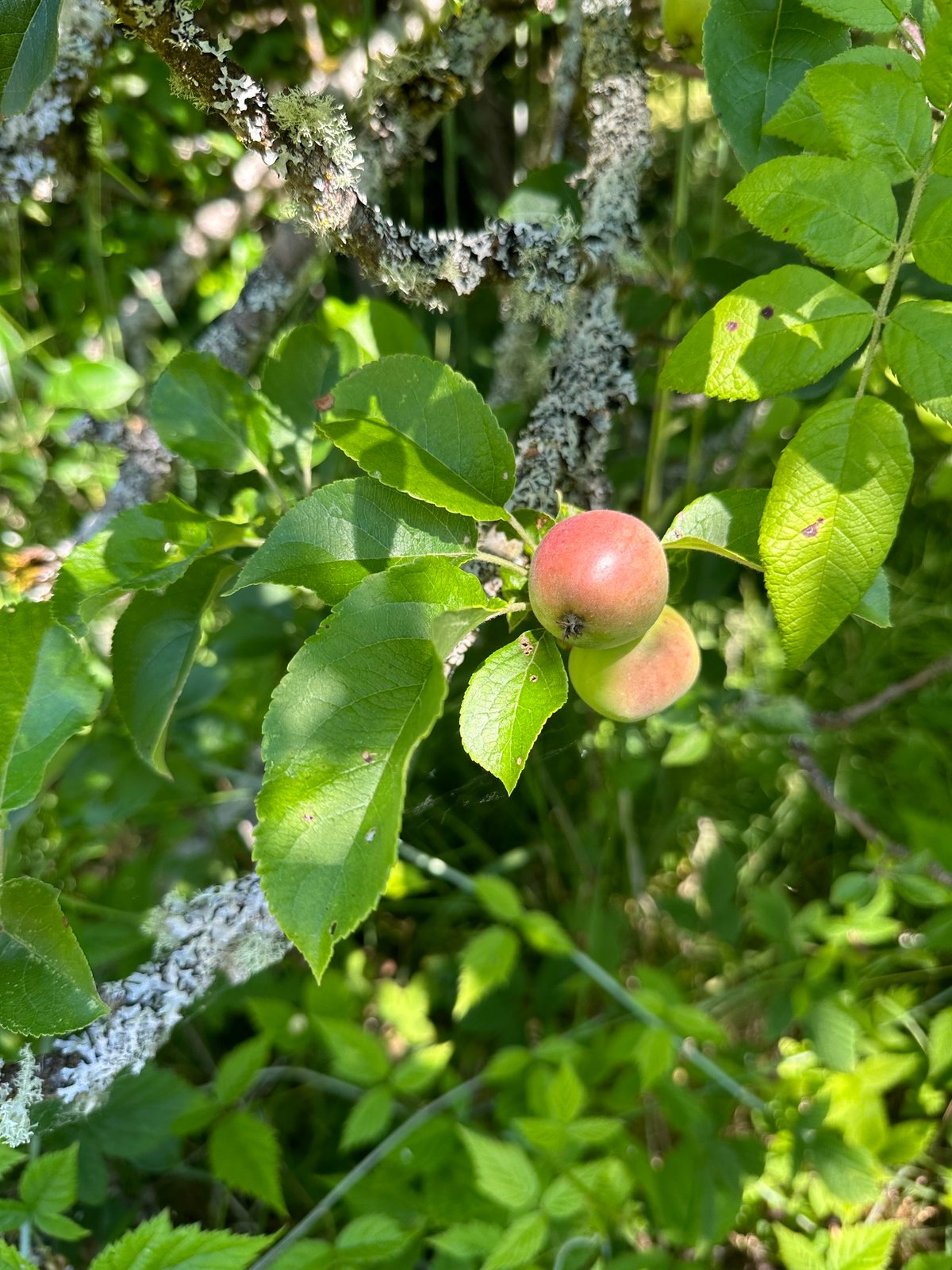
Honeycrisp is a deciduous dessert apple grown for large, exceptionally crisp, juicy fruit with a sweet-tart flavour. It performs best where winters are cold and summers are not excessively hot, but needs careful thinning and watering to produce good fruit consistently. Tree size and the time to first crop depend strongly on the rootstock.
At a glance
- Sun
- Full sun, with at least 6-8 hours of direct light daily; avoid frost pockets.
- Water
- Keep the root zone evenly moist, particularly during establishment and fruit development; avoid waterlogged soil and repeated drought.
- Soil
- Fertile, well-drained loam, ideally pH 6.0-7.0; improve drainage before planting in heavy clay.
- Height
- 8-25 ft (2.4-7.6 m), depending on rootstock and pruning
- Spread
- 8-20 ft (2.4-6.1 m), depending on rootstock and training
- Flowers
- Mid-spring; pink buds open to white or pale pink flowers.
- Foliage
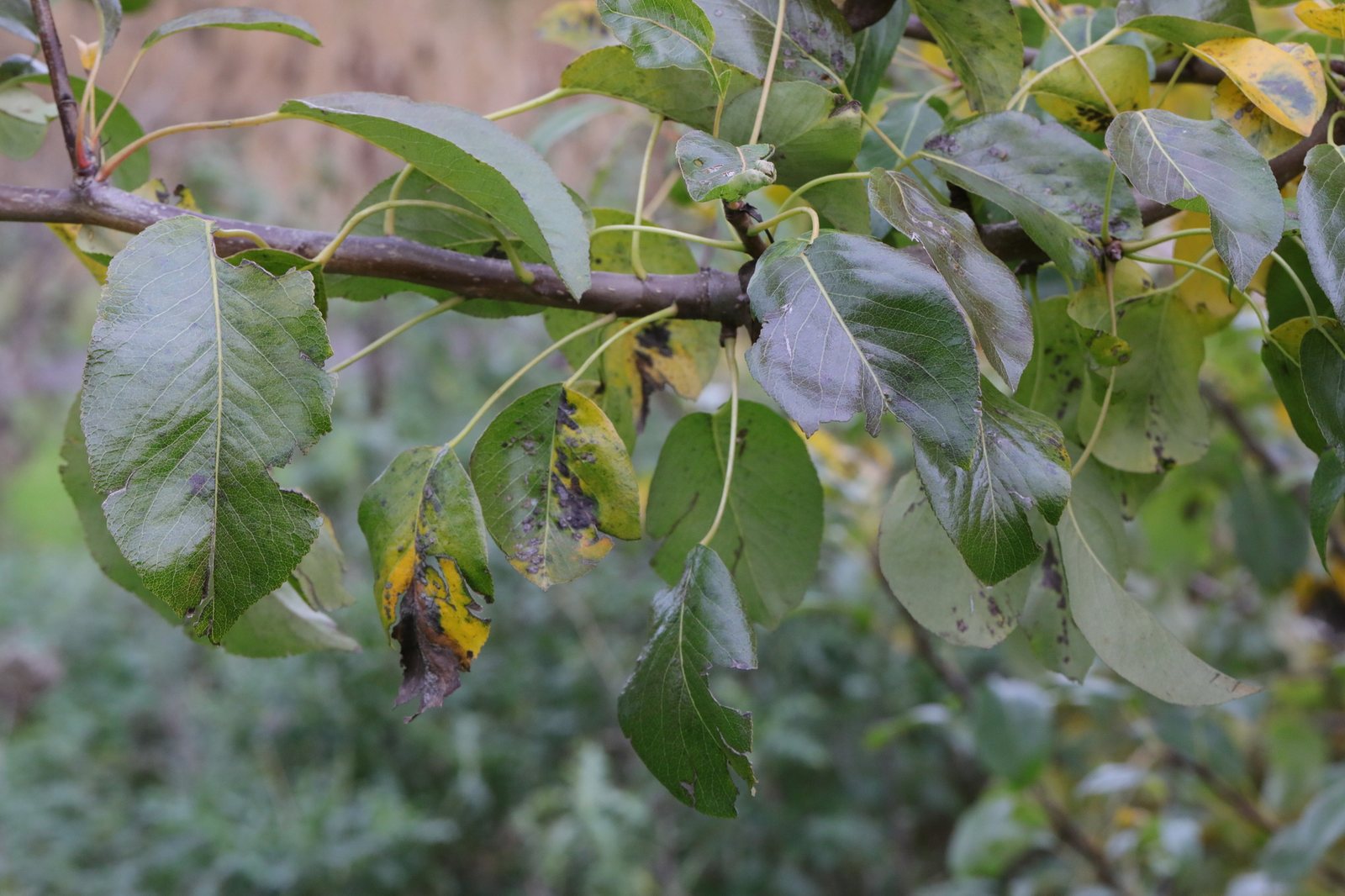
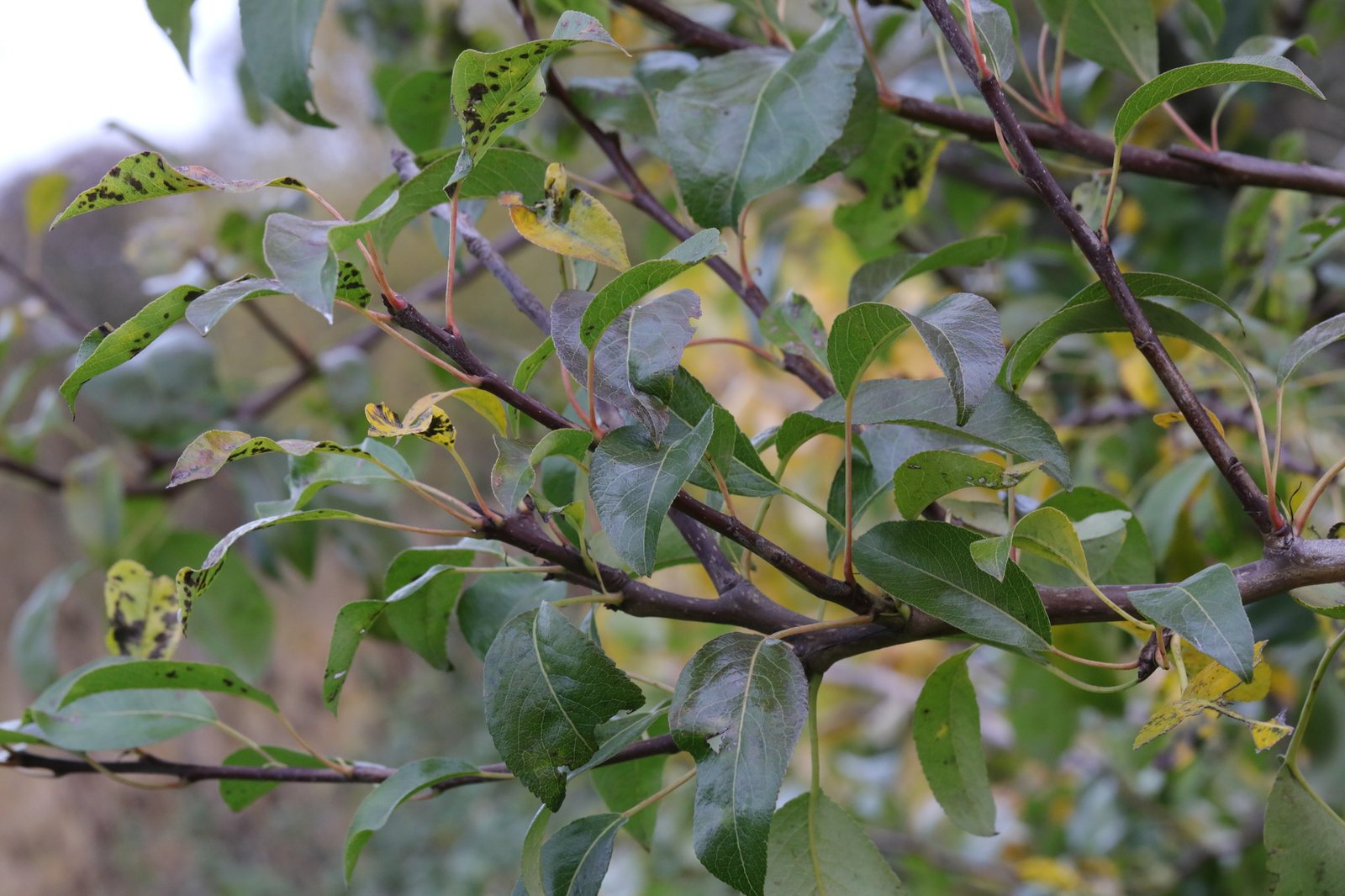
- Oval, toothed green leaves, sometimes turning yellow in autumn.
- Growth
- Moderate; generally less vigorous than many apple cultivars
- Care needed
- High
The year at a glance
- Pollinators
- Cold hardy
- Wildlife
- Low allergen
- Edible
| J | F | M | A | M | J | J | A | S | O | N | D | |
|---|---|---|---|---|---|---|---|---|---|---|---|---|
| Flowers | ||||||||||||
| Fruit | ||||||||||||
| Plant |
Northern hemisphere months. In Australia, shift them by six.
- Difficulty
- Hard
- Toughness
- Needs looking after
Will it suit your garden?
Pick your zone, country, light and whether you have pets.
Full sun is 6 or more hours of direct sun a day, part shade 3 to 6 hours, shade under 3.
How it grows
Planting day
7 ft (2 m)
After 1 year
7 ft (2.2 m)
After 2 years
8 ft (2.4 m)
After 3 years
8 ft (2.6 m)
After 5 years
10 ft (2.9 m)
About 16 years to full size.
From a typical nursery size, at an average rate for this kind of plant. A rule of thumb, not a forecast.
Good to know
- Cats and dogs
- Toxic
- Growth rate
- Fast
Care
Jobs through the year
- WaterApr–May, Sep–Oct, every 14 days
- Water established trees deeply if rain is insufficient; young trees need more frequent watering.
- WaterJun–Aug, every 7 days
- Water established trees deeply during dry weather, keeping fruit-development moisture consistent.
- FeedMar–Apr
- Feed only if soil tests or weak growth indicate a need; avoid excess nitrogen.
- MulchMar–Apr
- Apply 5-8 cm of organic mulch, leaving the trunk clear.
- PruneFeb–Mar
- Prune while dormant to remove damaged and crossing wood, retaining fruiting spurs.
- PruneJun
- After natural fruit drop, thin to one apple per cluster, 15-20 cm apart.
- ProtectApr–May
- Ensure a compatible apple flowers nearby; avoid insecticides on open blossom.
- ProtectJun–Aug
- Monitor scab, fire blight and codling moth; remove affected fruit and support heavily loaded branches.
- HarvestSep–Oct
- Pick in passes when fruit tastes ripe and lifts off easily; refrigerate sound apples promptly.
- ProtectOct–Nov
- Clear fallen fruit and diseased leaves; check stakes and fit young-tree browsing guards.
- Plant with the graft union above the finished soil level; stake dwarf-rootstock trees permanently if required by the rootstock.
- Provide a different, compatible apple flowering at the same time, such as Gala; Honeycrisp is not reliably self-fertile.
- Water deeply during dry spells, keeping moisture consistent as fruit develops.
- Apply 2-3 in (5-8 cm) of organic mulch, leaving a clear gap around the trunk.
- Thin young fruit after natural fruit drop to one apple per cluster, roughly 6-8 in (15-20 cm) apart, to reduce alternate-year cropping.
- Use soil-test results to guide feeding; avoid heavy nitrogen applications, which encourage leafy growth and can worsen bitter pit.
Pruning. Prune in late winter while dormant, removing dead, damaged and crossing branches and maintaining an open, well-spaced framework. Retain productive fruiting spurs and avoid severe pruning, which encourages excessive upright shoots.
Harvest
Pick apples when the background colour changes from green towards yellow, the flesh tastes sweet-tart rather than starchy, and the fruit lifts away with a gentle upward twist; harvest is usually September-October in the Northern Hemisphere and March-April in the Southern Hemisphere, depending on climate. Pick in several passes and handle gently to avoid bruising.
Through the year
- Late winter
- Prune the framework, remove mummified fruit and check stakes, ties and rabbit or deer guards.
- Early spring
- Refresh mulch and apply fertiliser only where soil tests or weak growth indicate a need.
- Mid-spring
- Check that a compatible apple is flowering nearby; avoid insecticide use during blossom.
- Late spring
- Thin fruit after natural fruit drop and begin regular checks for pests and disease.
- Summer
- Water during dry periods, support heavily loaded branches and monitor fruit for codling moth damage.
- Late summer to autumn
- Taste-test fruit regularly, pick in stages and refrigerate sound apples promptly.
- Late autumn
- Collect fallen fruit and diseased leaves, and protect young trunks from browsing animals.
In the garden
- Plant in a small orchard with compatible apples to provide reliable cross-pollination.
- Use a dwarf-rootstock tree beside a kitchen garden for reachable fruit and spring blossom.
- Train on wires as an espalier along a sunny boundary, using a rootstock suited to the available space.
- Include in an edible landscape with spring bulbs and low flowering plants outside the mulched trunk circle.
Garden styles it suits: Backyard orchard, Edible landscape, Potager (kitchen garden), Cottage garden, Homestead and Traditional.
Plant it with: Gala apple, Crab apple, Chives, Yarrow, Sweet alyssum and Daffodils.
Wildlife: Flowers provide pollen and nectar for bees and other insects. Fallen fruit attracts birds, mammals and wasps; deer and rabbits may damage young trees.
Problems to watch for
- Bitter pit: small, sunken spots and brown corky flesh can develop before or after harvest. Keep watering even, thin crops properly and avoid excess nitrogen; seek local advice on calcium sprays if the problem recurs.
- Apple scab: olive-black leaf and fruit spots are more likely in wet springs. Remove fallen leaves, maintain airflow and use locally approved preventive treatments where disease pressure is high.
- Fire blight: blossom clusters and shoots blacken and may bend into a hooked shape. Remove affected wood well below visible damage during dry weather, disinfect tools between cuts and avoid excessive nitrogen feeding.
- Codling moth: larvae tunnel into apples, leaving frass near entry holes. Remove affected and fallen fruit promptly, monitor with pheromone traps and follow locally timed control advice.
Safety
Ripe apple flesh is not known to be toxic to people, cats, dogs or horses in appropriate food portions. Seeds contain cyanogenic compounds, and leaves and stems can also be hazardous if eaten in quantity, particularly when chewed or damaged; serious poisoning is possible after substantial ingestion. Remove cores and seeds before offering fruit to pets, and do not give horses access to piles of prunings or fallen apples.
Easily confused with
Gala apple (Malus domestica 'Gala')
Gala commonly has smaller, more conical fruit with red-orange striping and a sweeter, less tart flavour. Appearance overlaps, so use a reliable nursery label rather than fruit colour alone.
Fuji apple (Malus domestica 'Fuji')
Fuji can have similarly large, red-blushed fruit, but generally ripens later and tastes sweeter with less acidity. Fruit appearance alone cannot confirm cultivar identity.
The name
Malus is the Latin name for apple, domestica means cultivated or domestic, and Honeycrisp describes the fruit's sweetness and crisp texture.
Propagation. Propagate by grafting or budding onto a suitable apple rootstock. Seedlings do not come true to Honeycrisp, and rooting cuttings is not a practical home method.
Checked against open data
- Accepted botanical name
- Malus domestica
- Native range
- Afghanistan, Kazakhstan, Kirgizstan, Pakistan, Tadzhikistan, Uzbekistan and Xinjiang.
- Measured
- Soil pH 5 to 7.5. Average height 700 cm.
Sources: GBIF (CC BY 4.0) and Trefle (CC BY 4.0). The care and design notes are LandscapeGPT's own.
See it in your own yard.
Upload a photo of your yard and see it redesigned with plants that suit your climate, each checked against your zone.