Illawarra flame tree
Brachychiton acerifolius. Family Malvaceae. Tree.
Also called Flame tree, Australian flame tree.
This eastern Australian tree is grown for masses of scarlet, bell-shaped flowers, often displayed on nearly bare branches. It needs a warm climate and plenty of room; flowering varies from year to year, and young trees can take many years to bloom. In the United Kingdom and most of Canada, it is not reliably hardy outdoors.
At a glance
- Sun
- Full sun for the best flowering; tolerates light shade.
- Water
- Water regularly while establishing. Established trees tolerate seasonal drought, but benefit from deep watering during prolonged dry weather.
- Soil
- Well-drained soil, including loam, sand or clay that does not remain waterlogged; mildly acidic to mildly alkaline conditions.
- Height
- 30-60 ft (9-18 m) in gardens; potentially taller in favourable climates.
- Spread
- 20-40 ft (6-12 m)
- Flowers
- Late spring to early summer; bright scarlet-red, waxy, bell-shaped flowers in large clusters. Flowering may be partial or absent in some years.
- Foliage
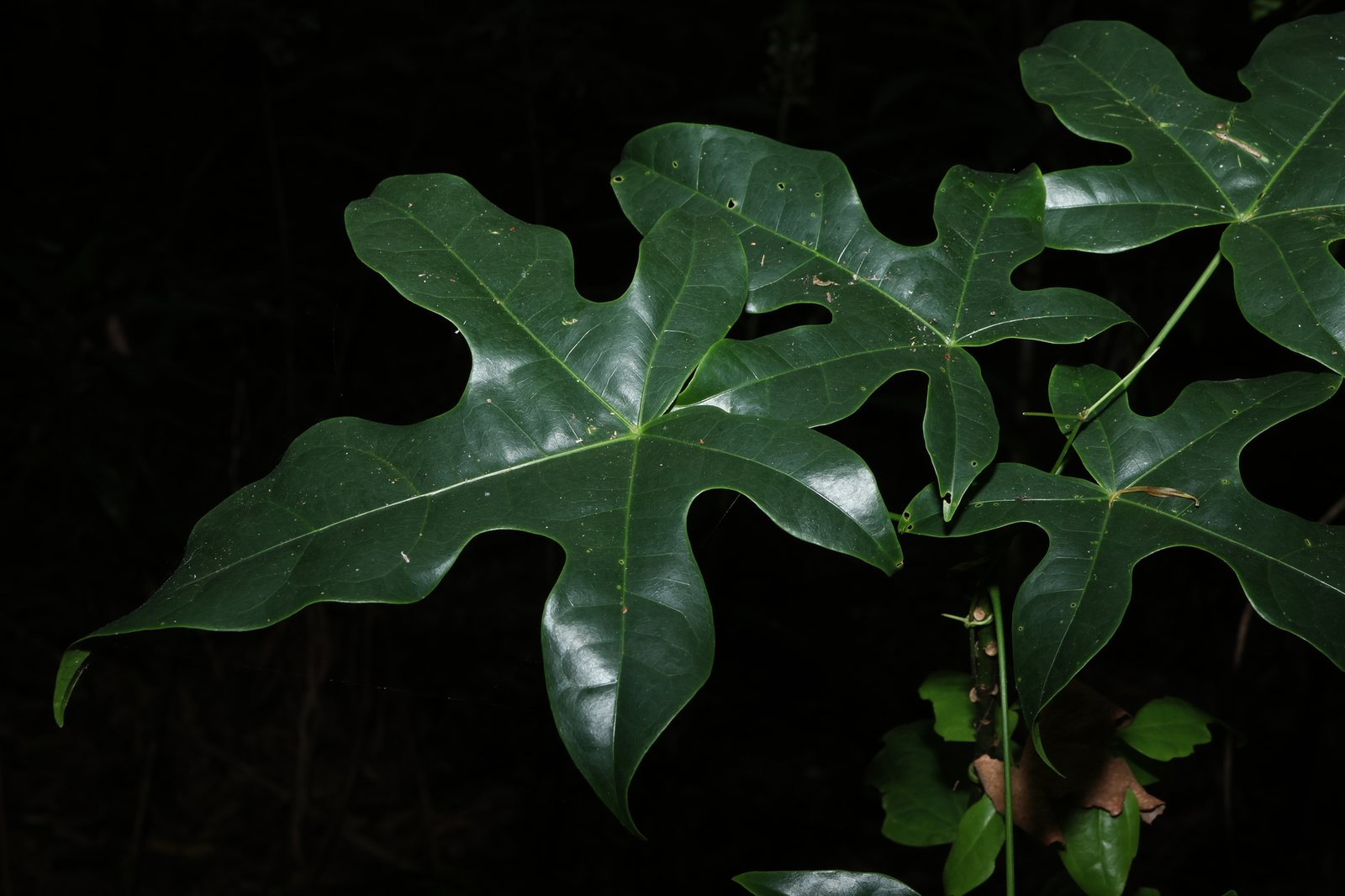
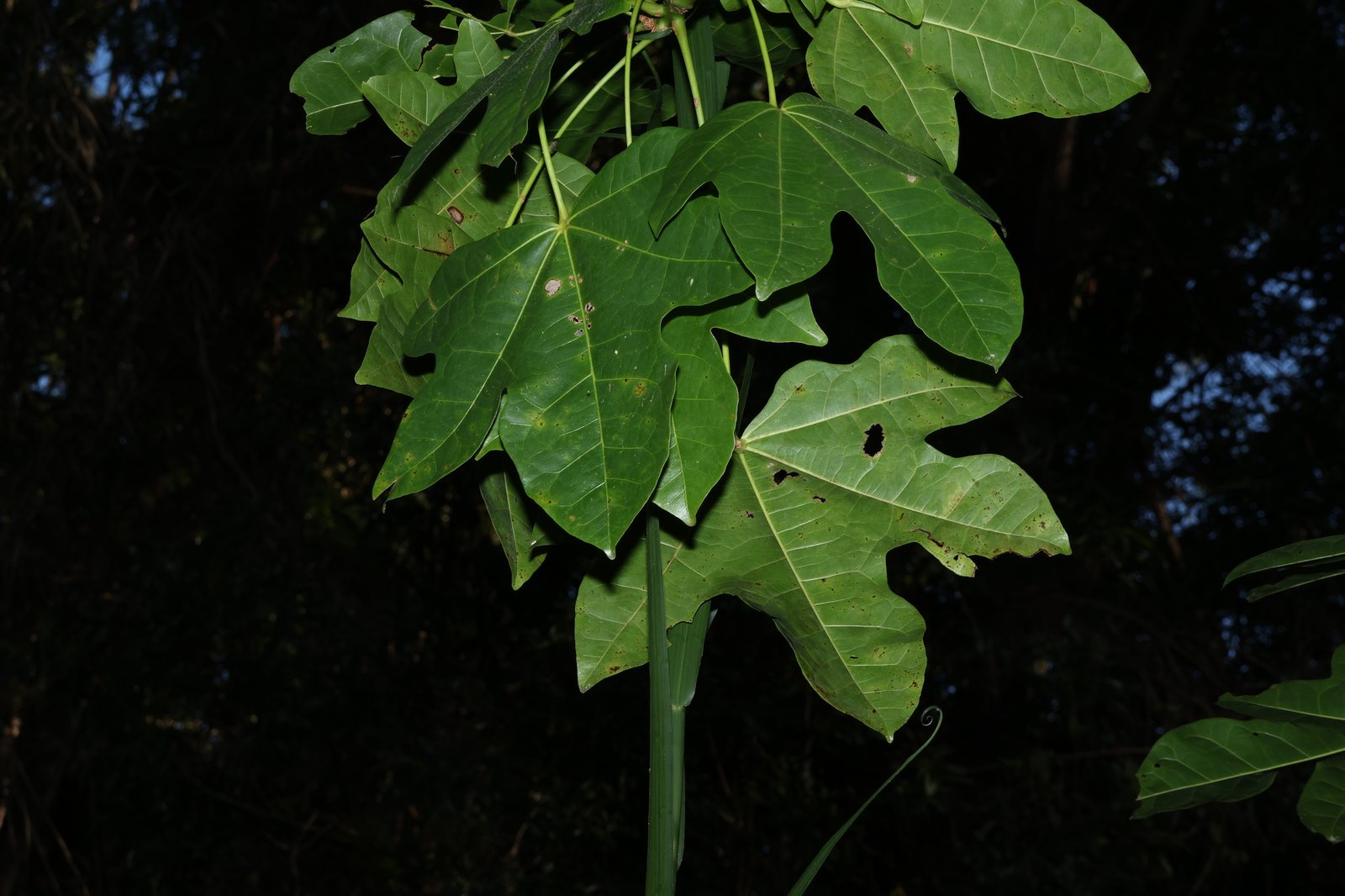
- Large, glossy green leaves, variable in shape, often with three to seven lobes. Deciduous to semi-evergreen depending on climate; leaf fall commonly precedes flowering.
- Growth
- Moderate to fast in warm conditions with adequate moisture.
- Care needed
- Medium
The year at a glance
- Pollinators
- Drought tolerant
- Heat tolerant
- Wildlife
- Low allergen
| J | F | M | A | M | J | J | A | S | O | N | D | |
|---|---|---|---|---|---|---|---|---|---|---|---|---|
| Flowers | ||||||||||||
| Fruit | ||||||||||||
| Plant |
Northern hemisphere months. In Australia, shift them by six.
- Difficulty
- Hard
- Toughness
- Fairly tough
Will it suit your garden?
Pick your zone, country, light and whether you have pets.
Full sun is 6 or more hours of direct sun a day, part shade 3 to 6 hours, shade under 3.
How it grows
Planting day
7 ft (2 m)
After 1 year
9 ft (2.7 m)
After 2 years
11 ft (3.4 m)
After 3 years
14 ft (4.2 m)
After 5 years
18 ft (5.6 m)
About 16 years to full size.
From a typical nursery size, at an average rate for this kind of plant. A rule of thumb, not a forecast.
Good to know
- Cats and dogs
- Mildly toxic: may upset a stomach
- Native to
- Australia
- Growth rate
- Fast
Care
Jobs through the year
- WaterApr–May, Sep–Oct, every 21 days
- Water established ground plants only when soil is dry; young trees and containers need more frequent watering.
- WaterJun–Aug, every 14 days
- Deep-water established ground plants during prolonged drought; do not mistake normal pre-flowering leaf drop for thirst.
- WaterJan–Mar, Nov–Dec, every 28 days
- Check dormant sheltered pots and water sparingly, only enough to prevent complete root-ball drying.
- FeedApr–May
- Feed lightly only if growth is weak or soil is poor; avoid excessive nitrogen.
- MulchMay
- Spread organic mulch over the root zone, keeping it clear of the trunk.
- PruneJul–Aug
- After flowering, make light formative cuts to retain a strong leader; avoid topping and heavy pruning.
- ProtectJan–Apr, Oct–Dec
- Cannot overwinter outdoors in zones 6–7; use spacious, bright, frost-free shelter, and wear gloves when clearing irritating pods.
- Plant where the mature crown and roots have ample space, away from buildings, drains and paving.
- Water deeply through the first two growing seasons, allowing the surface soil to dry between waterings.
- Spread organic mulch over the root zone, keeping it clear of the trunk.
- Feed lightly in spring only if growth is weak or the soil is poor; avoid excessive nitrogen.
- Stake only if necessary in an exposed position, and remove supports once the roots hold the tree firmly.
Pruning. Train young trees to a strong central leader, removing competing leaders and poorly attached branches while they are small. Prune lightly after flowering in warm weather; avoid topping or heavy cutting, and use a qualified arborist for large limbs.
Through the year
- Spring
- Plant after frost risk has passed, and begin regular deep watering for newly planted trees.
- Spring
- Refresh mulch and check young trees for competing leaders or rubbing branches.
- Late spring
- Expect possible leaf drop before flowering; check soil moisture before assuming the tree needs more water.
- Summer
- Water young trees during dry spells and established trees during prolonged drought.
- After flowering
- Remove dead or damaged small branches and make any necessary light formative cuts.
- Autumn
- Collect fallen pods with gloves and check that winter rain can drain freely from the root zone.
In the garden
- Use as a flowering specimen in a large lawn, where its full crown can develop.
- Pair with jacaranda for contrasting red and violet flowers where their flowering seasons overlap.
- Set above low, drought-tolerant planting so the trunk and seasonal flower display remain visible.
- Use in a spacious Australian native garden with grasses and tough, low shrubs.
Garden styles it suits: Australian native, Architectural minimal, Modern tropical, Mediterranean, Grand estate and Hot border.
Plant it with: Jacaranda, Kangaroo paw, Mat rush, Coastal rosemary and Bird of paradise.
Wildlife: Flowers provide food for nectar-feeding birds and insects, while the crown offers shelter and perching sites.
Problems to watch for
- Frost damage: young growth and young trees are vulnerable; choose a sheltered, frost-free position and protect small trees during unexpected cold.
- Root decline in waterlogged soil: improve drainage before planting and avoid frequent shallow irrigation.
- Scale insects and associated sooty mould: inspect stems and leaf undersides, control ants, and treat accessible infestations with a labelled horticultural oil.
- Little or no flowering: juvenile trees may take many years to bloom, and mature trees do not flower heavily every year; provide full sun and avoid excessive nitrogen or severe pruning.
Safety
Raw seeds are reported to be poisonous to people and should not be eaten. The pods contain stiff hairs that can irritate skin and eyes; wear gloves when handling them. Toxicity to cats, dogs and horses is not well documented, so prevent animals from chewing pods or seeds.
Easily confused with
Kurrajong (Brachychiton populneus)
Usually has smaller, less deeply lobed leaves and cream to pinkish bell-shaped flowers, often spotted inside, rather than masses of scarlet flowers.
Lacebark tree (Brachychiton discolor)
Has larger pink flowers and leaves with distinctly pale, felted undersides; flame tree leaves are comparatively smooth and glossy.
Royal poinciana (Delonix regia)
Also called flame tree, but has finely divided, fern-like leaves, broad open flowers and long, flat seed pods.
The name
Illawarra refers to the coastal region of New South Wales, while acerifolius means maple-leaved, describing the lobed foliage.
Propagation. Usually grown from seed sown in warmth in a free-draining seed mix. Carefully remove the seeds from the hairy pods while wearing gloves and eye protection; soaking seeds in warm water before sowing can help germination.
Checked against open data
- Accepted botanical name
- Brachychiton acerifolius
- Native range
- New South Wales and Queensland.
- Measured
- Average height 1800 cm.
Sources: GBIF (CC BY 4.0) and Trefle (CC BY 4.0). The care and design notes are LandscapeGPT's own.
See it in your own yard.
Upload a photo of your yard and see it redesigned with plants that suit your climate, each checked against your zone.