Japanese eggplant 'Ichiban'
Solanum melongena 'Ichiban'. Family Solanaceae. Annual.
Also called Aubergine 'Ichiban', Japanese aubergine 'Ichiban'.
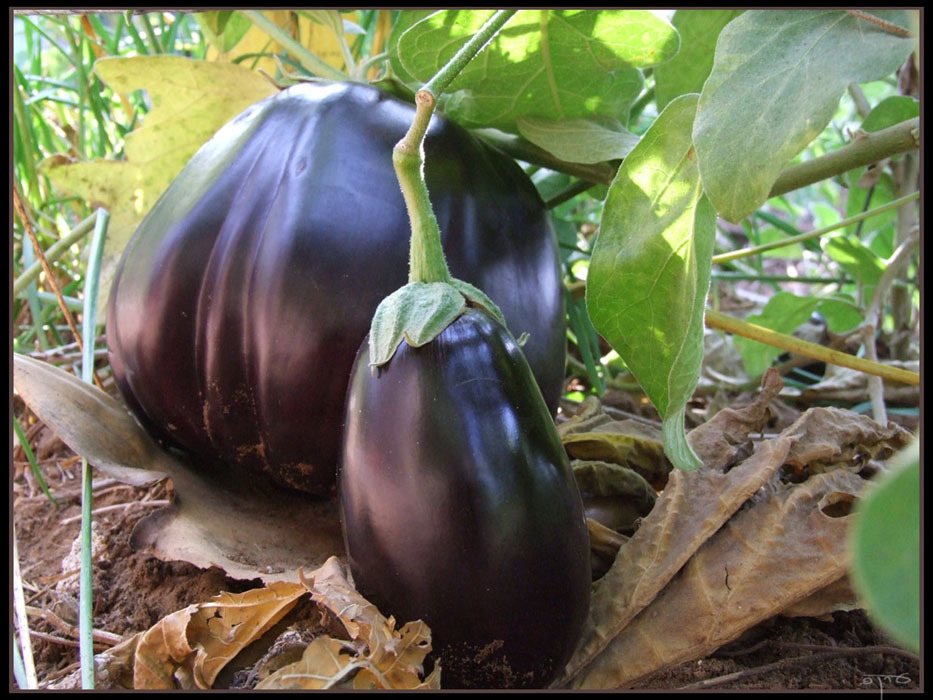
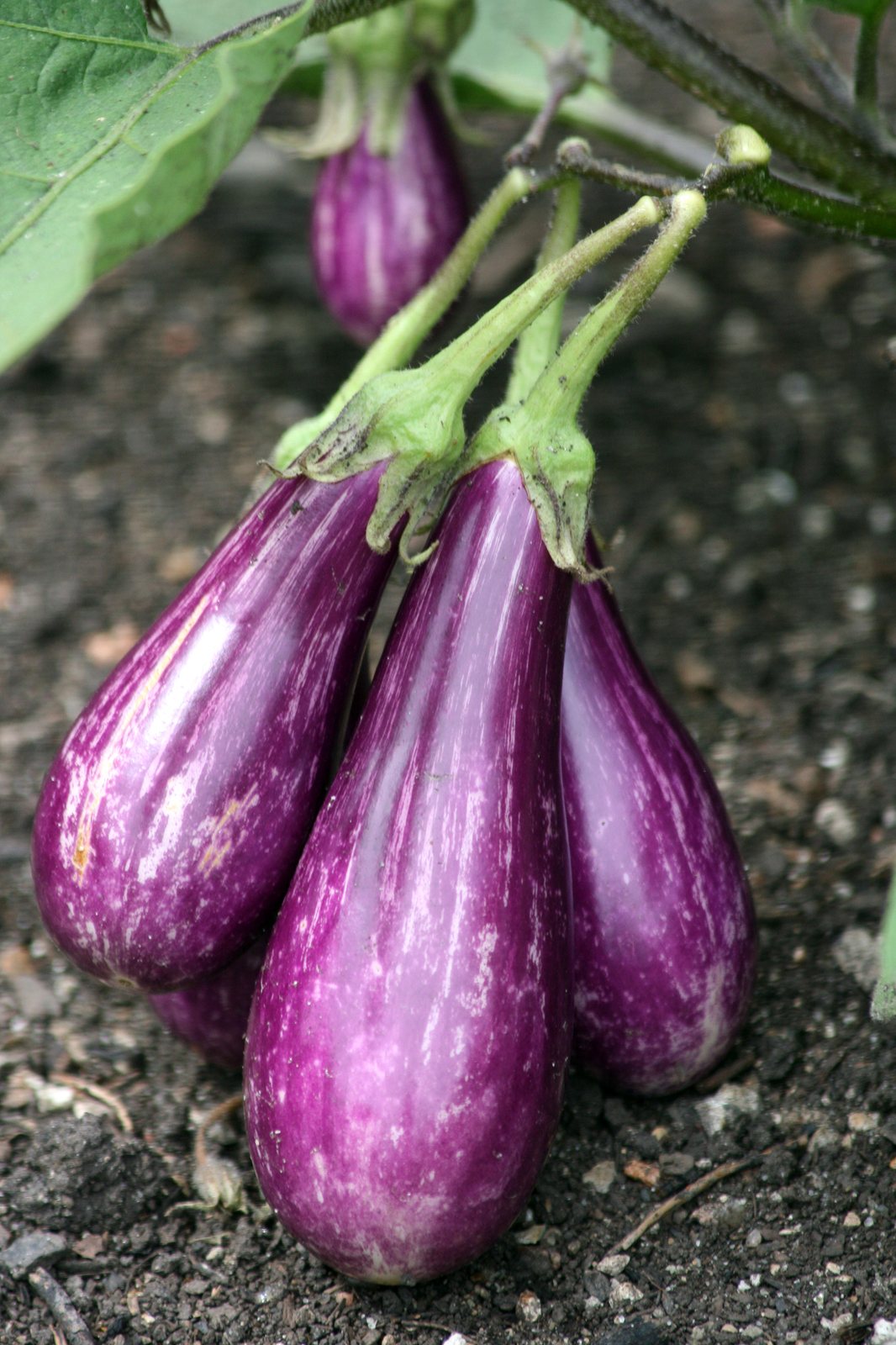
'Ichiban' is a tender eggplant grown as an annual for its long, slender, glossy purple fruits, which have thin skins and mild flesh. It crops best in a long, warm summer; in cooler parts of the United Kingdom and Canada, a greenhouse or polytunnel gives more reliable results.
At a glance
- Sun
- Full sun, with at least 6-8 hours of direct light daily; choose a warm, sheltered position.
- Water
- Keep the root zone evenly moist but not waterlogged. Water deeply when the surface begins to dry; containers may need daily watering in hot weather.
- Soil
- Fertile, well-drained soil enriched with compost, ideally pH 6.0-6.8. Use good-quality vegetable potting mix in containers.
- Height
- 2-4 ft (0.6-1.2 m)
- Spread
- 2-3 ft (0.6-0.9 m)
- Flowers
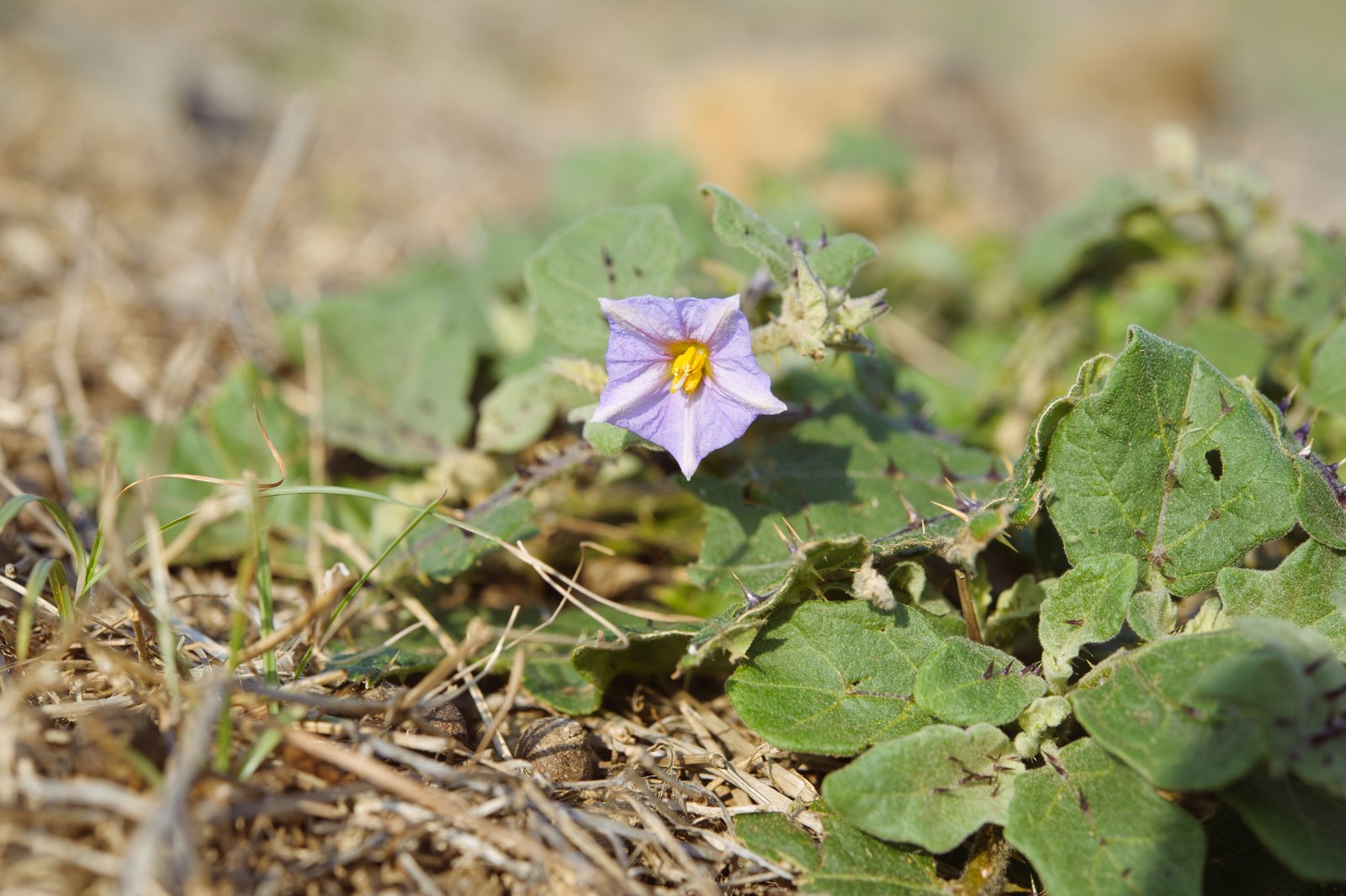
- Purple, star-shaped flowers from summer into autumn while temperatures remain warm.
- Foliage
- Broad, softly hairy green leaves, sometimes with purple-tinged veins and stems.
- Growth
- Fast in warm weather; slow in cool conditions.
- Care needed
- Medium
The year at a glance
- Pollinators
- Heat tolerant
- Low allergen
- Edible
| J | F | M | A | M | J | J | A | S | O | N | D | |
|---|---|---|---|---|---|---|---|---|---|---|---|---|
| Flowers | ||||||||||||
| Fruit | ||||||||||||
| Plant |
Northern hemisphere months. In Australia, shift them by six.
- Difficulty
- Moderate
- Toughness
- Needs looking after
Will it suit your garden?
Pick your zone, country, light and whether you have pets.
Full sun is 6 or more hours of direct sun a day, part shade 3 to 6 hours, shade under 3.
How it grows
Planting day
0.5 ft (0.15 m)
After 1 year
3 ft (0.9 m)
full size
Full size in one season.
From a typical nursery size, at an average rate for this kind of plant. A rule of thumb, not a forecast.
Good to know
- Cats and dogs
- Toxic
- Growth rate
- Moderate
Care
Jobs through the year
- WaterMay–Jun, Sep–Oct, every 4 days
- Water in-ground plants when the surface dries, adjusting for rain; keep roots evenly moist.
- WaterJul–Aug, every 2 days
- Check in-ground plants frequently and water as soil dries; containers may need daily watering.
- FeedJun–Sep, every 14 days
- Once flowering starts, use tomato fertiliser at the label rate, especially in containers.
- MulchJun
- Mulch after soil warms, leaving a gap around each stem.
- ProtectMay–Jun
- Plant out only after frost when nights exceed about 13°C; stake plants and cover during cold spells.
- ProtectJun–Sep, every 7 days
- Check leaf undersides for aphids, flea beetles and mites; remove small infestations promptly.
- HarvestJul–Oct
- Cut glossy, firm fruit about 15–20 cm long, leaving a short stalk; finish before frost.
- Plant out after frost danger has passed, once soil is warm and nights stay above about 13°C (55°F).
- Keep moisture consistent, directing water onto the soil rather than wetting the leaves.
- Mulch once the soil has warmed, leaving a gap around the stem.
- Feed container plants regularly with a tomato fertiliser once flowering begins, following the label rate.
- Stake at planting and tie stems loosely as the fruit load increases.
- Allow about 2-3 ft (0.6-0.9 m) between plants for light and airflow.
Pruning. Routine pruning is unnecessary. Remove damaged or diseased leaves promptly, and trim only crowded lower growth that touches the soil.
Harvest
Pick fruits in summer and early autumn when they are glossy, firm and usually about 6-8 inches (15-20 cm) long, before the skin becomes dull and seeds harden. Cut the stalk with secateurs, leaving a short stem attached; avoid pulling, and wear gloves if the calyx is prickly. In warm conditions, picking often begins about 50-70 days after transplanting, but cool weather can delay it considerably.
Through the year
- Late winter
- Sow indoors about 8-10 weeks before your expected planting-out date, using gentle bottom heat for germination.
- Spring
- Pot seedlings into individual containers and provide strong light and steady warmth.
- Late spring
- Harden off gradually, then plant into warm soil after frost danger has passed; install stakes.
- Summer
- Water consistently, mulch warm soil and begin regular feeding as flowers appear.
- Summer
- Check leaf undersides for pests and harvest glossy fruits frequently.
- Autumn
- Pick remaining usable fruit before frost and remove spent plants; dispose of diseased material rather than composting it.
In the garden
- Plant in sunny raised vegetable beds, where the upright plants give height above low leafy crops.
- Use in large patio containers near the kitchen, with stakes concealed among the foliage.
- Combine with basil and low marigolds in a potager for contrasting leaf textures and flower colour.
- Place at the back of an edible border so the purple flowers and hanging fruits remain visible.
Garden styles it suits: Potager (kitchen garden), Edible landscape, Homestead, Modern courtyard, Small-space and Family-friendly.
Plant it with: Basil, French marigold, Lettuce, Spring onions and Swiss chard.
Wildlife: Flowers provide pollen for bees, especially bumblebees, whose vibration helps release it. Although flowers are self-fertile, bee visits can improve fruit set.
Problems to watch for
- Flea beetles chew small holes in young leaves: protect new transplants with insect mesh, removing it or providing access when pollination is needed.
- Aphids gather on soft shoots and leaf undersides: wash off small colonies with water or use an insecticidal soap labelled for edible crops.
- Red spider mites cause pale stippling and fine webbing, especially under glass: inspect leaf undersides, prevent drought stress and use suitable biological controls or labelled soap treatments.
- Few fruits or dropped flowers often follow cold nights, extreme heat or uneven watering: maintain steady moisture, ventilate greenhouses in hot weather and provide shelter or cover in cool conditions.
Safety
Leaves, stems and other green plant parts contain glycoalkaloids and should not be eaten by people, cats, dogs or horses. Ingestion can cause digestive upset, with larger amounts potentially causing serious poisoning. The harvested fruit is edible and normally cooked; it is not generally considered poisonous as food.
Easily confused with
Globe eggplant (Solanum melongena)
The foliage and flowers are very similar, but globe types produce broad, oval or rounded fruits rather than the long, slender fruits of 'Ichiban'.
Courgette or zucchini (Cucurbita pepo)
Courgettes have large yellow flowers and rough, often deeply lobed leaves; 'Ichiban' has purple flowers, softer leaves and fruits held beneath a prominent green calyx.
The name
'Ichiban' is Japanese for 'number one'; the English name eggplant comes from the egg-shaped white fruits of some older varieties.
Propagation. Raise from seed with a germination temperature of about 24-29°C (75-85°F), or buy young plants. 'Ichiban' is commonly sold as an F1 hybrid, so saved seed may not produce plants with the same fruit or growth.
Checked against open data
- Accepted botanical name
- Solanum melongena
- In the US and Canada
- Introduced in the lower 48 states, Pacific Basin and Puerto Rico.
- Native range
- China South-Central, Laos, Malaya, Myanmar, Thailand and Vietnam.
- Measured
- Average height 85 cm.
Sources: GBIF (CC BY 4.0), USDA PLANTS and Trefle (CC BY 4.0). The care and design notes are LandscapeGPT's own.
See it in your own yard.
Upload a photo of your yard and see it redesigned with plants that suit your climate, each checked against your zone.