June-bearing strawberry 'Honeoye'
Fragaria × ananassa 'Honeoye'. Family Rosaceae. Perennial.
Also called Garden strawberry 'Honeoye', Fragaria × ananassa 'Honeoye'.
'Honeoye' is a June-bearing strawberry grown for a concentrated early-season crop of firm, red berries with a noticeably tart flavour unless fully ripe. It produces runners freely and performs best in cool-temperate gardens; 'June-bearing' describes its cropping habit, not its harvest month everywhere.
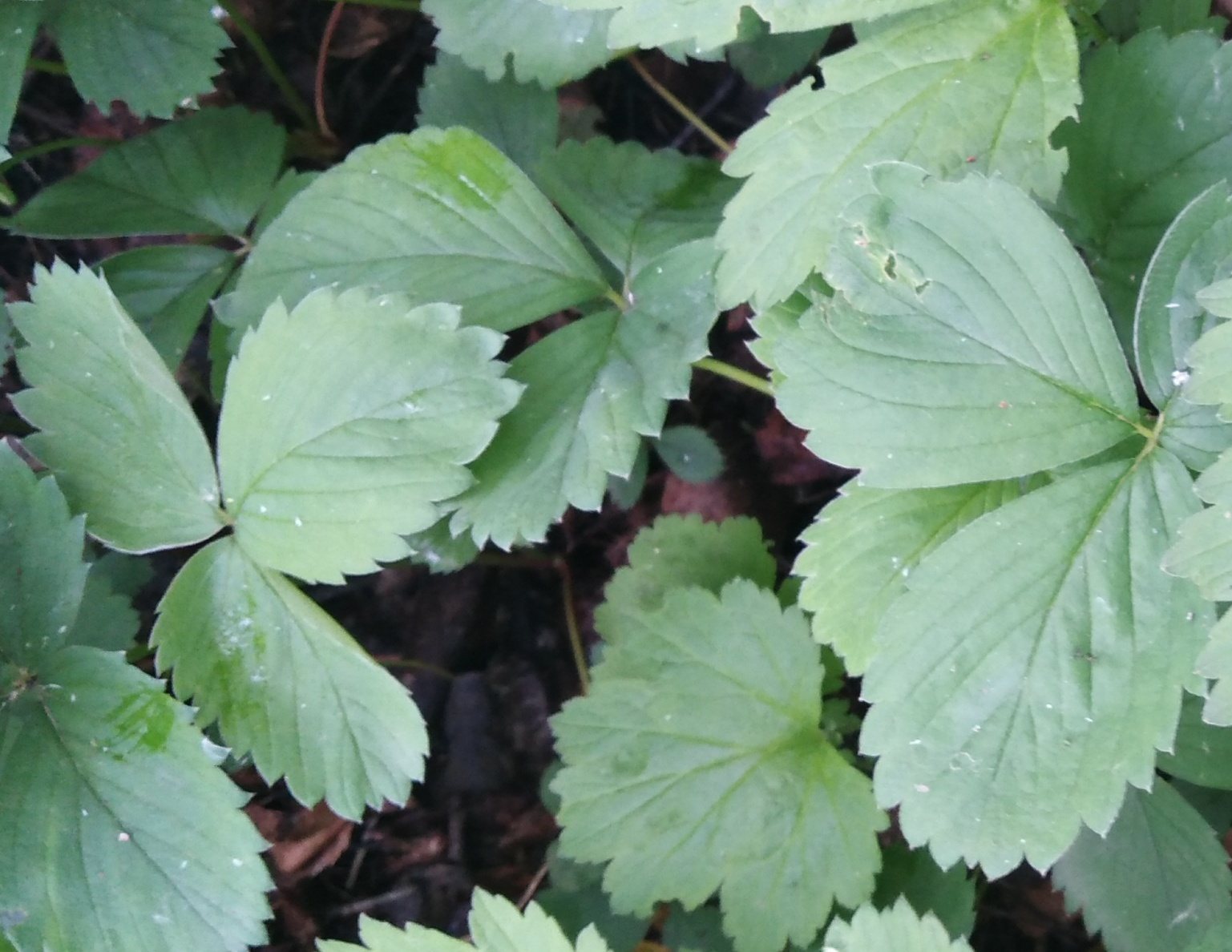
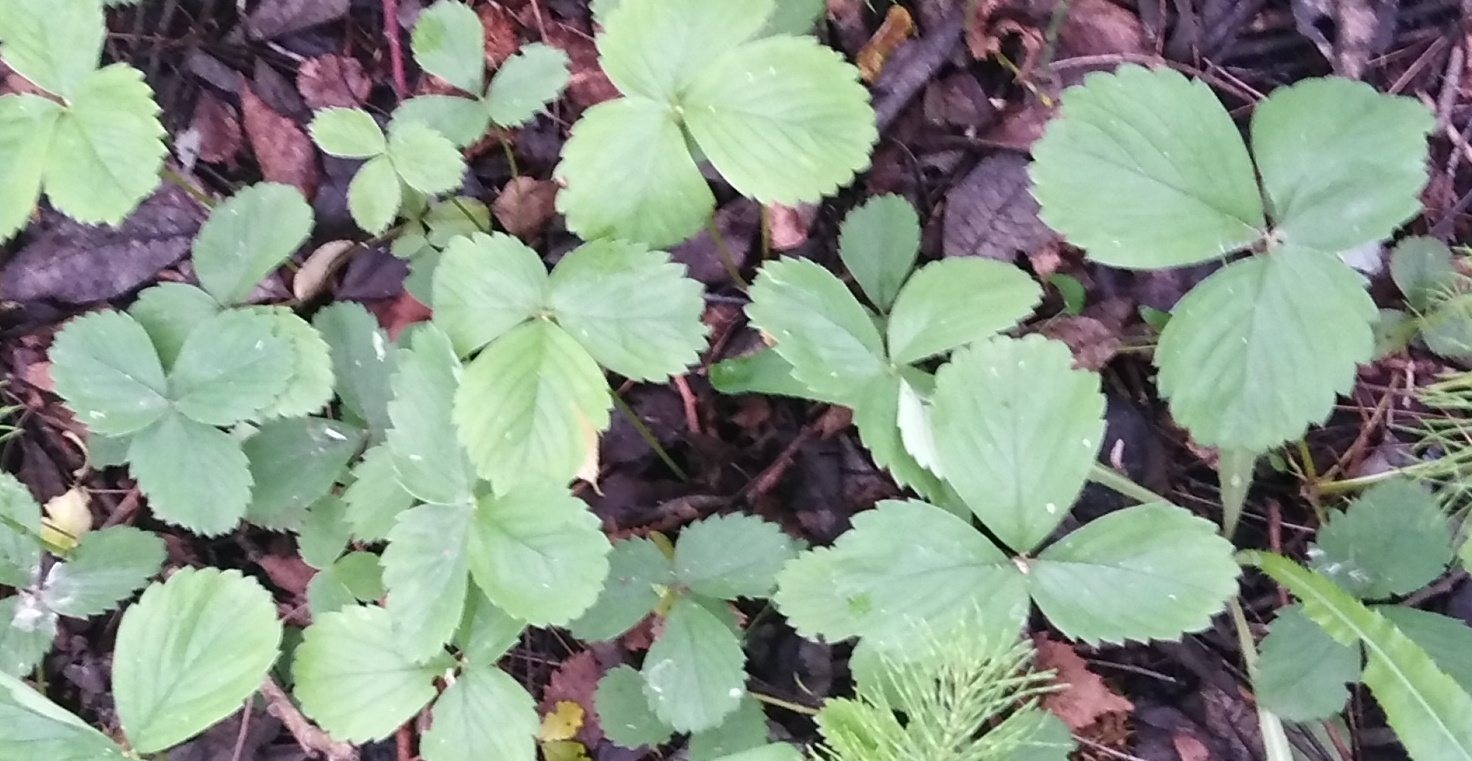
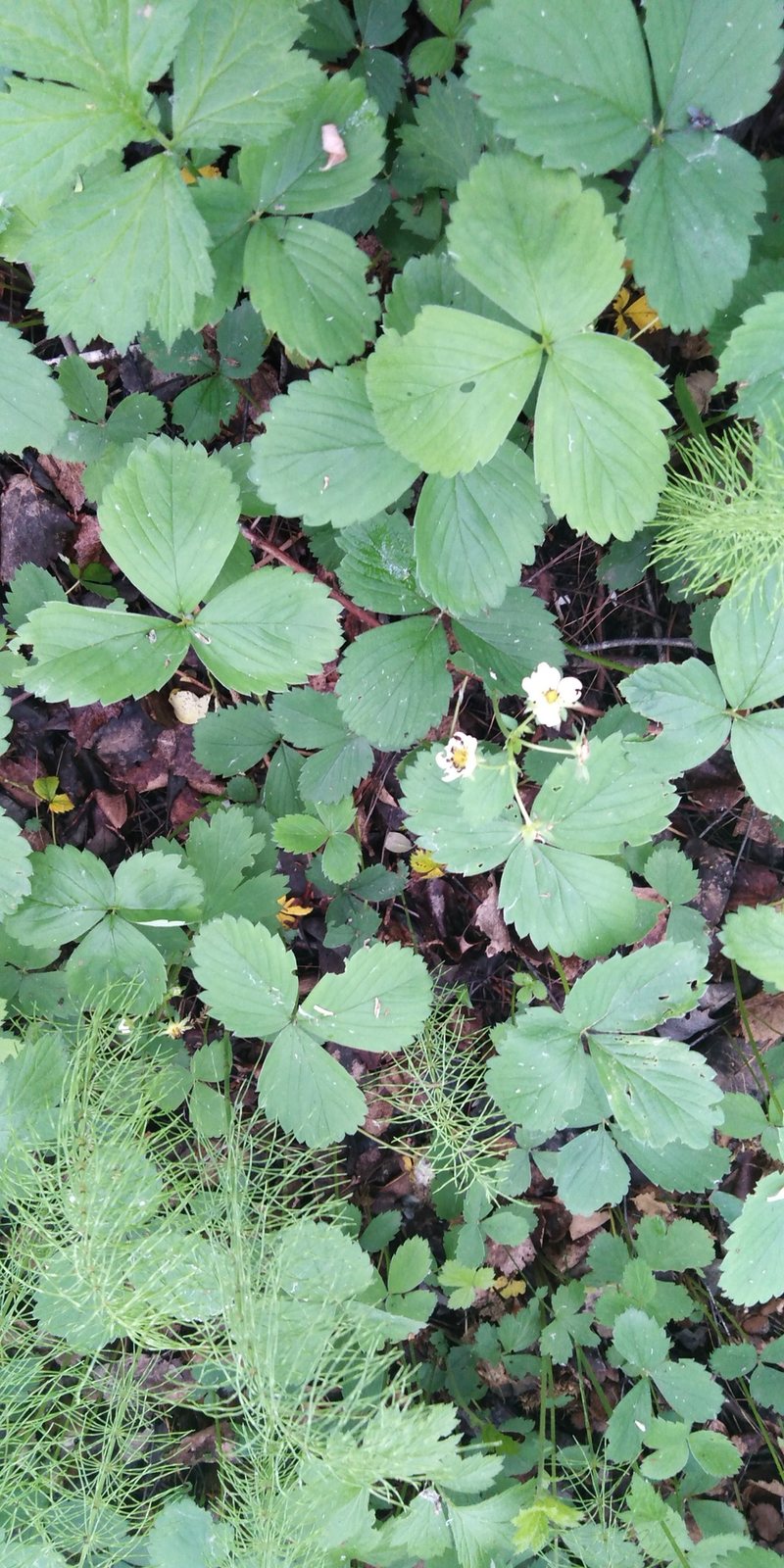
At a glance
- Sun
- Full sun, ideally at least 6 hours daily; light afternoon shade can help in hot districts.
- Water
- Keep soil evenly moist, especially during flowering and fruit swelling. Supply about 1 in (25 mm) of water weekly in dry weather, adjusting for rainfall and soil drainage.
- Soil
- Fertile, well-drained soil with plenty of organic matter; slightly acidic conditions, around pH 5.5-6.5, are ideal. Avoid waterlogged ground.
- Height
- 0.5-1 ft (0.15-0.3 m)
- Spread
- 1-2 ft (0.3-0.6 m) per plant; runners can spread much farther
- Flowers
- White, five-petalled flowers with yellow centres in spring, followed by fruit in late spring or early summer.
- Foliage
- Green, toothed leaves divided into three leaflets, forming low leafy crowns. Leaves may persist through mild winters but die back in colder conditions.
- Growth
- Fast during the growing season, with abundant runners after fruiting.
- Care needed
- Medium
The year at a glance
- Pollinators
- Cold hardy
- Wildlife
- Low allergen
- Edible
| J | F | M | A | M | J | J | A | S | O | N | D | |
|---|---|---|---|---|---|---|---|---|---|---|---|---|
| Flowers | ||||||||||||
| Fruit | ||||||||||||
| Plant |
Northern hemisphere months. In Australia, shift them by six.
- Difficulty
- Moderate
- Toughness
- Fairly tough
Will it suit your garden?
Pick your zone, country, light and whether you have pets.
Full sun is 6 or more hours of direct sun a day, part shade 3 to 6 hours, shade under 3.
How it grows
Planting day
0.7 ft (0.22 m)
full size
About 2 years to full size.
From a typical nursery size, at an average rate for this kind of plant. A rule of thumb, not a forecast.
Good to know
- Cats and dogs
- Safe
- In the garden
- Spreads vigorously: plan to contain it.
- Growth rate
- Fast
Care
Jobs through the year
- WaterMar, Sep–Oct, every 14 days
- Water established beds if soil is drying; newly planted crowns need more frequent checks.
- WaterApr–Aug, every 7 days
- Supply about 25 mm weekly including rain; water at soil level and keep developing fruit evenly moist.
- MulchApr–May
- Place clean straw beneath developing berries to keep them off wet soil.
- ProtectApr–May
- Cover open flowers with fleece on frosty nights; uncover for daytime pollination.
- ProtectMay–Jun
- Protect ripening fruit with taut, wildlife-safe netting on a secure frame.
- DeadheadApr–May, every 7 days
- In the planting year only, remove flowers to strengthen crowns for next year's crop.
- HarvestMay–Jun
- Pick fully red, fragrant berries with their stalks attached; discard mouldy fruit.
- PruneJun–Jul
- Immediately after harvest, remove old diseased leaves and excess runners without damaging crowns or new foliage.
- FeedJun–Jul
- Feed established plants lightly once after harvest; avoid heavy spring nitrogen.
- MulchNov–Dec
- In severe-winter areas, cover dormant plants with loose straw after the soil cools.
- ProtectMar
- Pull winter straw away from crowns as growth resumes, leaving some between plants.
- Plant with the crown at soil level, keeping both the roots covered and the growing point exposed.
- Water at soil level rather than over flowers and fruit; do not let the bed dry out while berries swell.
- Apply clean straw beneath developing fruit to keep berries off wet soil.
- Feed established plants modestly after harvest; avoid heavy nitrogen feeding in spring.
- Remove flowers in the planting year to build strong crowns for the following year's crop.
- Thin runners to prevent crowding, and mulch dormant plants with loose straw where winters are severe.
Pruning. Immediately after harvest, remove old or diseased leaves without cutting into the crowns, and thin unwanted runners and crowded daughter plants. Leave healthy new foliage intact and avoid a hard cutback in autumn.
Harvest
Pick berries when they are red all over and fragrant; pale shoulders usually mean they need longer, and 'Honeoye' is tart if picked early. Harvest every day or two during its short late-spring or early-summer cropping period, pinching or snipping the stalk rather than pulling the berry. Expect the first substantial crop in the year after planting if you remove flowers during establishment.
Through the year
- Early spring
- Pull winter straw away from crowns as growth resumes, leaving some between plants, and remove dead leaves.
- Spring
- Plant dormant crowns at soil level; protect open flowers with horticultural fleece when frost is forecast.
- Late spring
- Spread clean straw beneath developing berries and fit wildlife-safe bird netting over a secure frame.
- Late spring to early summer
- Pick fully red berries frequently and remove damaged or mouldy fruit.
- Summer, after harvest
- Remove old foliage and excess runners, feed lightly, and keep plants watered while new crowns develop.
- Late autumn
- In cold-winter areas, apply loose straw after plants become dormant and the soil has cooled.
In the garden
- Plant in dedicated rows or narrow raised beds where every berry is easy to reach.
- Edge a sunny potager with low strawberry foliage and seasonal white flowers.
- Grow in large containers near a path or patio for convenient picking, allowing room for runners.
- Use in a sunny edible border beside chives and low herbs, keeping neighbouring plants from shading the crowns.
Garden styles it suits: Potager (kitchen garden), Cottage garden, Edible landscape, Homestead, Family-friendly and Small-space.
Plant it with: Chives, Lettuce, Spinach, Thyme, Sweet alyssum and Calendula.
Wildlife: Flowers provide pollen and nectar for bees and other insects. Birds and small mammals eat ripe berries; secure any protective netting carefully to prevent entanglement.
Problems to watch for
- Grey mould: remove affected berries promptly, space plants for airflow, mulch beneath fruit, and avoid overhead watering.
- Slugs and snails: remove hiding places, collect them during damp evenings, and use labelled iron-phosphate bait if needed.
- Bird damage: cover ripening fruit with taut, wildlife-safe netting secured to a frame and closed at the edges.
- Root and crown rots, including red stele: use certified healthy plants and well-drained soil; remove failing plants and avoid replanting strawberries in affected ground.
Safety
Not known to be toxic to people, cats, dogs or horses; the fruit, leaves and crowns are not generally considered poisonous. Strawberries can cause allergic reactions in some people, and large amounts of fruit may upset pets' stomachs.
Easily confused with
Alpine strawberry (Fragaria vesca)
Usually has much smaller, strongly aromatic berries and finer growth; many cultivated forms fruit over a longer season rather than producing one concentrated crop.
Mock strawberry (Potentilla indica)
Has yellow flowers rather than white ones, and small, upright red fruits with little flavour.
Other garden strawberry cultivars (Fragaria × ananassa)
Leaves and berries overlap too much for reliable identification by appearance alone; a trustworthy plant label or propagation history is needed to confirm 'Honeoye'.
The name
Fragaria comes from the Latin word for strawberry, while ananassa refers to pineapple, recalling the fruit's aroma.
Propagation. Root healthy runner plantlets in small pots while they remain attached to the parent, then sever the runner once roots are established. Use runners only from vigorous, disease-free plants; seed does not reliably reproduce 'Honeoye'.
Checked against open data
- Accepted botanical name
- Fragaria ananassa
Sources: GBIF (CC BY 4.0). The care and design notes are LandscapeGPT's own.
See it in your own yard.
Upload a photo of your yard and see it redesigned with plants that suit your climate, each checked against your zone.