Key lime
Citrus × aurantiifolia. Family Rutaceae. Tree.
Also called Mexican lime, West Indian lime, Bartender's lime.
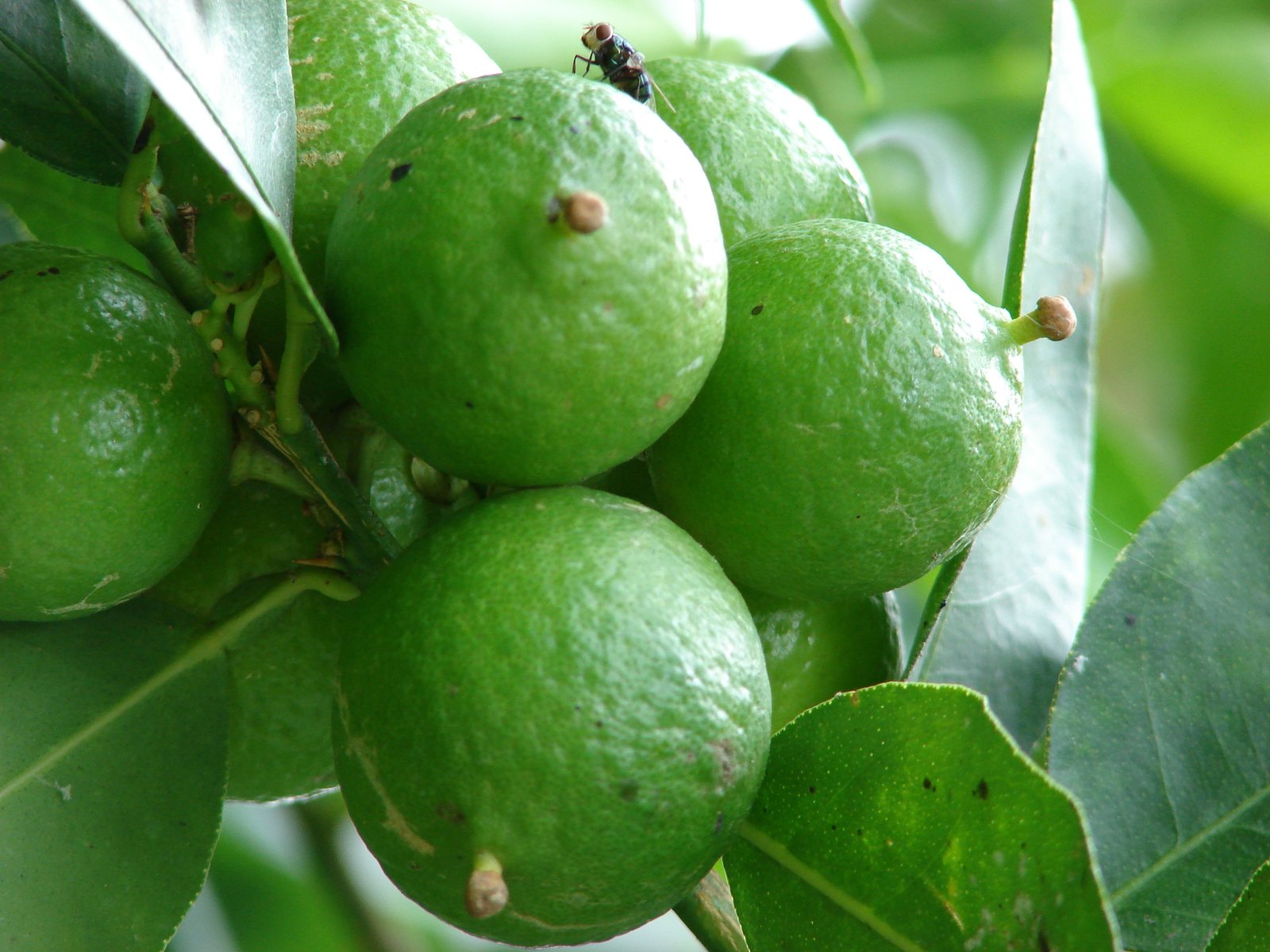
Key lime is a small, usually thorny evergreen citrus grown for its fragrant flowers and small, thin-skinned, sharply acidic fruit. It needs a frost-free climate; in most of the United Kingdom, Canada and colder parts of the United States and Australia, grow it in a container and overwinter it under glass or indoors in strong light. Ripe fruit turns yellow, although it is often picked green.
At a glance
- Sun
- Full sun, ideally at least 6-8 hours daily; shelter from cold and drying winds.
- Water
- Water deeply, then let the surface soil begin to dry before watering again. Containers need regular checks in summer and much less water during cool winter conditions.
- Soil
- Well-drained soil or a free-draining citrus potting mix, preferably slightly acidic. Avoid waterlogged ground and pots standing in water.
- Height
- 6-15 ft (1.8-4.6 m); usually smaller in containers
- Spread
- 6-12 ft (1.8-3.7 m)
- Flowers
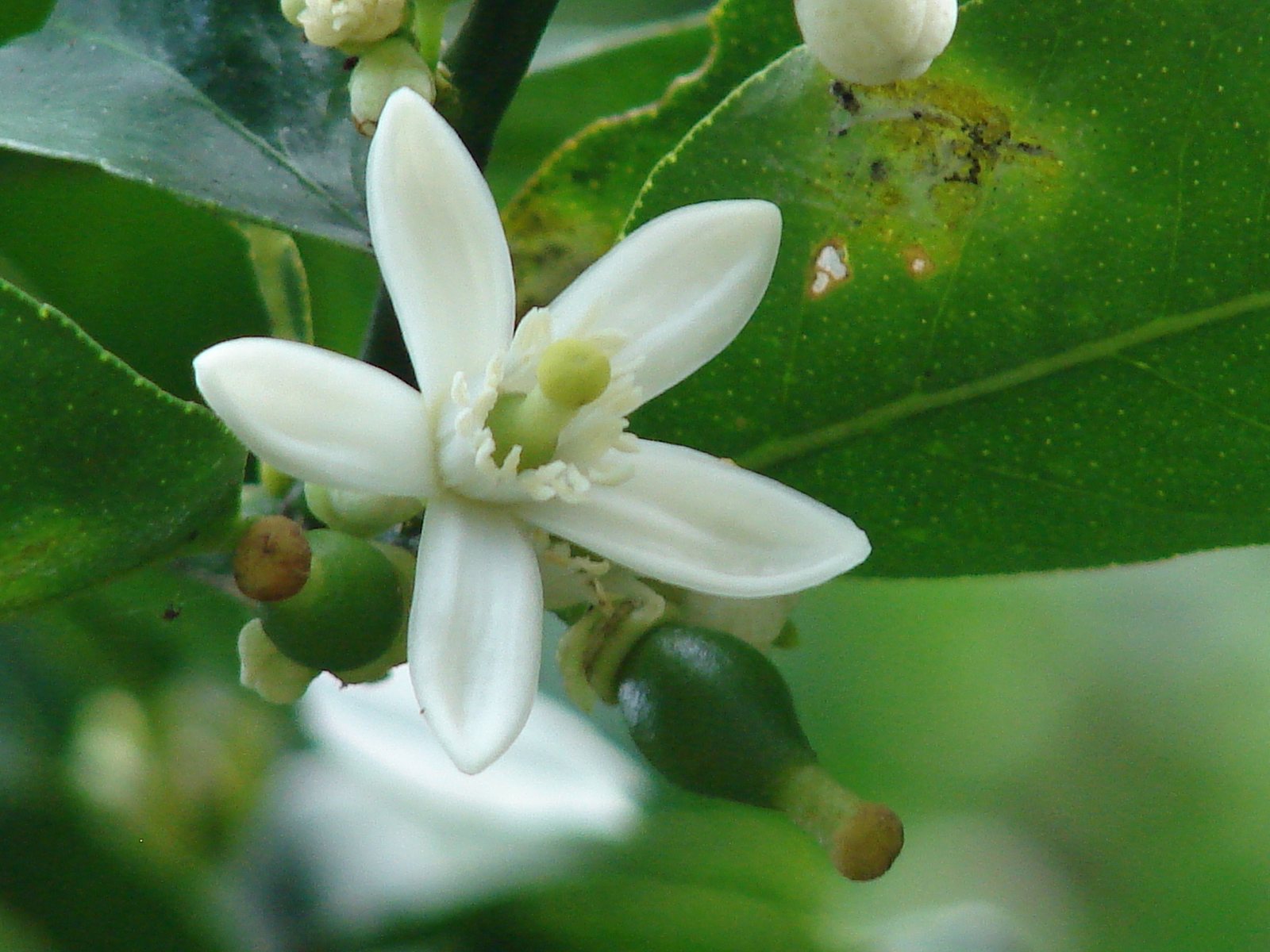
- Fragrant white flowers, sometimes pink-tinged in bud, mainly in spring with further flushes in warm weather.
- Foliage
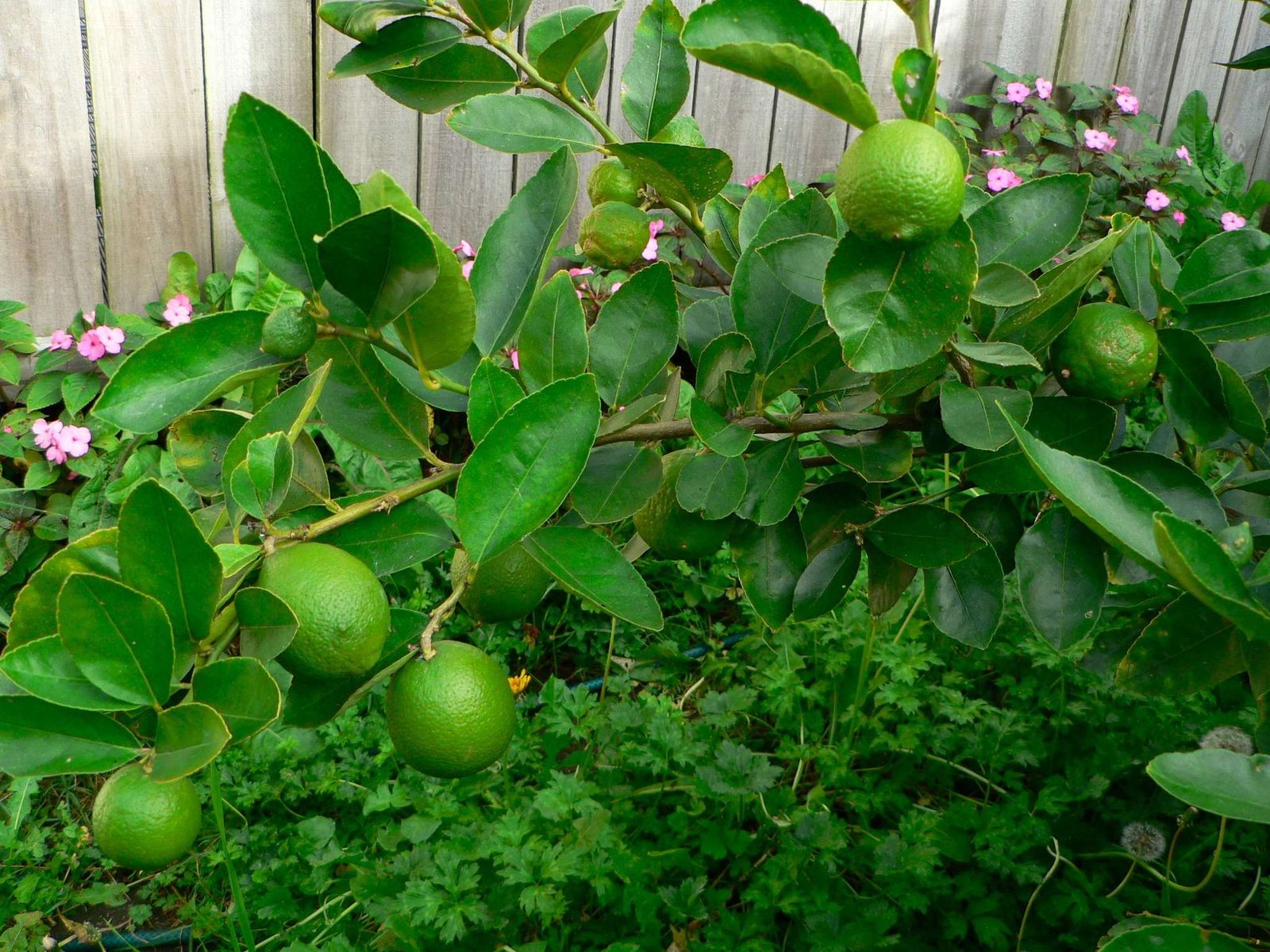
- Evergreen. Small, glossy green, oval leaves with a citrus scent when crushed; branches commonly carry sharp thorns.
- Growth
- Moderate in warm conditions; slow in cool climates.
- Care needed
- Medium
The year at a glance
- Pollinators
- Heat tolerant
- Low allergen
- Fragrant
- Edible
| J | F | M | A | M | J | J | A | S | O | N | D | |
|---|---|---|---|---|---|---|---|---|---|---|---|---|
| Flowers | ||||||||||||
| Fruit | ||||||||||||
| Plant |
Northern hemisphere months. In Australia, shift them by six.
- Difficulty
- Hard
- Toughness
- Needs looking after
Will it suit your garden?
Pick your zone, country, light and whether you have pets.
Full sun is 6 or more hours of direct sun a day, part shade 3 to 6 hours, shade under 3.
How it grows
Planting day
7 ft (2 m)
After 1 year
7 ft (2 m)
After 2 years
7 ft (2.1 m)
After 3 years
7 ft (2.1 m)
After 5 years
7 ft (2.2 m)
About 26 years to full size.
From a typical nursery size, at an average rate for this kind of plant. A rule of thumb, not a forecast.
Good to know
- Cats and dogs
- Toxic
- Growth rate
- Slow
Care
Jobs through the year
- WaterMar–May, Sep–Oct, every 7 days
- In zones 6–7 grow in a container; water when the surface starts drying and allow excess water to drain.
- WaterJun–Aug, every 2 days
- Check container moisture and water thoroughly only when the surface begins drying; hot weather may require daily checks.
- WaterJan–Feb, Nov–Dec, every 14 days
- Check sheltered plants and water sparingly as needed, without allowing the root ball to dry completely.
- FeedMar–Aug, every 14 days
- Feed actively growing plants with citrus fertiliser containing trace elements; follow the product rate and interval.
- PruneApr–May
- Prune lightly as spring growth resumes, removing dead or crossing branches and any shoots below the graft.
- ProtectJan–May, Sep–Dec
- Keep in bright frost-free shelter before nights fall below about 10°C; outdoor overwintering is unsuitable in zones 6–7.
- ProtectJun
- Gradually acclimatise to outdoor sun once nights are reliably warm.
- HarvestJul–Nov, every 7 days
- Clip full-sized, heavy fruit as green skins begin yellowing; fully yellow limes are also ripe.
- Keep the root flare above soil level and the graft union, if present, clear of soil and mulch.
- Water the root zone thoroughly without leaving it constantly wet.
- Feed during active growth with a citrus fertiliser containing trace elements, following the label; do not feed a cold, dormant plant.
- Mulch outdoor trees, leaving a clear gap around the trunk.
- Move containers into bright, frost-free shelter before cold weather, and return them outdoors gradually once nights are reliably warm.
Pruning. Prune lightly in spring once frost risk has passed, removing dead, damaged and crossing branches. Remove shoots below the graft union whenever they appear, and avoid hard pruning, which removes flowering and fruiting wood.
Harvest
Pick full-sized limes, usually 3–5 cm across, when heavy for their size and green turning yellow; fully yellow fruit is also ripe, and clipping the stalk avoids tearing the skin. Fruit generally ripens 4–6 months after flowering, potentially year-round in tropical parts of the US and Australia; in the UK and most of Canada, reliable cropping needs a warm, bright greenhouse or conservatory.
Through the year
- Late winter
- Check sheltered plants for scale insects and spider mites; keep watering restrained but do not let the root ball dry out completely.
- Spring
- Prune lightly after frost risk has passed and begin feeding as active growth resumes.
- Late spring
- Acclimatise overwintered containers to outdoor sun gradually once nights are reliably warm.
- Summer
- Check container moisture frequently and water thoroughly when the surface begins to dry.
- Autumn
- Move containers into bright shelter before cold nights arrive; inspect foliage for pests first.
- Year-round
- In warm climates, harvest fruit as it reaches full size; yellow fruit is fully ripe. Use seasonal tasks according to your local hemisphere.
In the garden
- Use a large container on a sunny terrace so the tree can be moved into winter shelter.
- Plant near an outdoor dining area for fragrant flowers and readily accessible fruit, keeping thorny branches away from seats and paths.
- Include in a frost-free kitchen garden or small citrus orchard.
- Use as a glossy evergreen focal point in a sheltered courtyard, with low planting kept clear of its trunk.
Garden styles it suits: Modern courtyard, Mediterranean, Tropical, Potager (kitchen garden), Edible landscape and Backyard orchard.
Plant it with: Basil, Thyme, Oregano, Sweet alyssum and French marigold.
Wildlife: Flowers provide nectar and pollen for bees and other insects. Container plants indoors may need gentle hand-pollination if fruit set is poor.
Problems to watch for
- Scale insects and mealybugs: inspect stems and leaf undersides, wipe off small infestations and use a citrus-labelled horticultural oil if needed; avoid spraying in hot sun.
- Spider mites: watch for fine webbing and pale stippling, especially indoors; rinse foliage regularly and use a labelled treatment if the infestation persists.
- Root rot and yellowing from waterlogging: improve drainage, empty saucers and let the surface dry slightly between waterings; do not assume yellow leaves always need more fertiliser.
- Citrus greening disease: blotchy, uneven leaf yellowing and small, misshapen fruit need assessment in affected regions. There is no cure; contact your local plant-health authority and follow rules on citrus movement and removal.
Safety
The edible flesh and juice are not normally toxic to people. Juice or peel oils on skin followed by sunlight can cause severe blistering, so wash splashes off promptly. Leaves, peel and concentrated citrus oils can poison cats and dogs if eaten, causing digestive upset and sometimes skin irritation; keep them away from prunings and oils. Horse-specific toxicity information is limited, so do not offer foliage, peel or oils as feed. Thorns can cause puncture wounds.
Easily confused with
Persian lime (Citrus × latifolia)
Usually has larger, more oval fruit with few or no seeds, larger leaves and fewer thorns; Key lime fruit is smaller, rounder and commonly seedy.
Makrut lime (Citrus hystrix)
Has conspicuously double-looking leaves formed by a broad winged leaf stalk, and rough, deeply bumpy fruit; Key lime leaves have much narrower wings and its fruit is comparatively smooth.
Lemon (Citrus × limon)
Usually bears larger, elongated fruit with a pronounced nipple at the tip; Key lime fruit is smaller and rounder. Colour alone is unreliable because ripe Key limes also turn yellow.
The name
Key lime takes its common name from its long association with the Florida Keys, while aurantiifolia means orange-leaved.
Propagation. Seed can be used, but seedlings take several years to fruit and results are not guaranteed. Budding or grafting onto a locally suitable citrus rootstock is the usual way to obtain a predictable garden tree; buy certified disease-free stock and observe local citrus movement restrictions.
Checked against open data
- Accepted botanical name
- Citrus aurantiifolia
Sources: GBIF (CC BY 4.0). The care and design notes are LandscapeGPT's own.
See it in your own yard.
Upload a photo of your yard and see it redesigned with plants that suit your climate, each checked against your zone.