Lemon verbena
Aloysia citrodora. Family Verbenaceae. Shrub.
Also called Lemon beebrush, Aloysia triphylla, Lippia citriodora.
Lemon verbena is a deciduous woody shrub grown for its strongly lemon-scented leaves, which flavour teas, desserts and other dishes. It thrives in warm, sunny gardens; in cold climates, grow it in a container and overwinter it somewhere cool and frost-free.
At a glance
- Sun
- Full sun; light afternoon shade is helpful in very hot climates.
- Water
- Water regularly during active growth, letting the soil surface dry between waterings. Keep much drier while dormant, without allowing the root ball to dry out completely.
- Soil
- Well-drained, moderately fertile soil. Use a free-draining potting mix in containers; avoid heavy, waterlogged ground.
- Height
- 4-8 ft (1.2-2.4 m)
- Spread
- 3-6 ft (0.9-1.8 m)
- Flowers
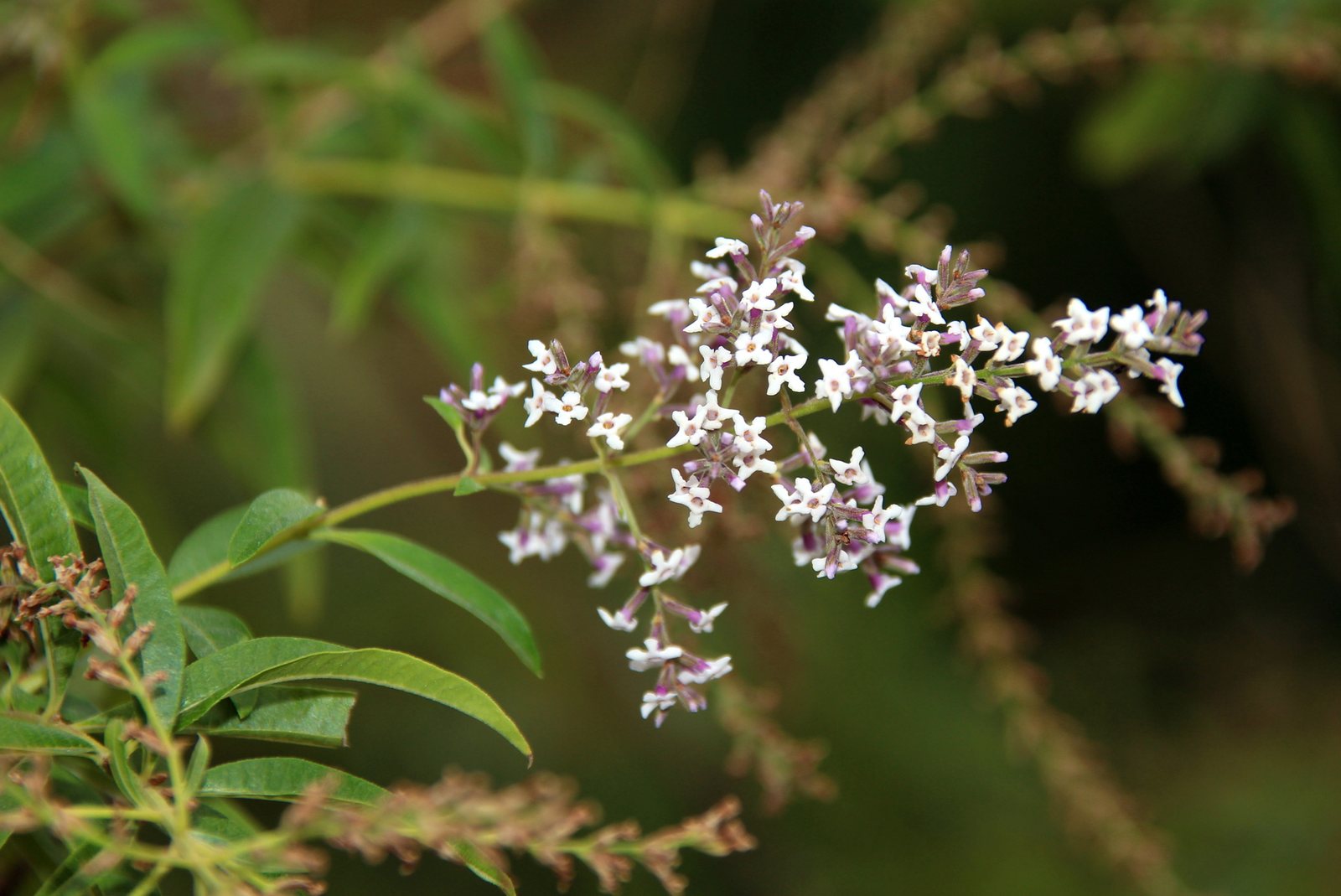
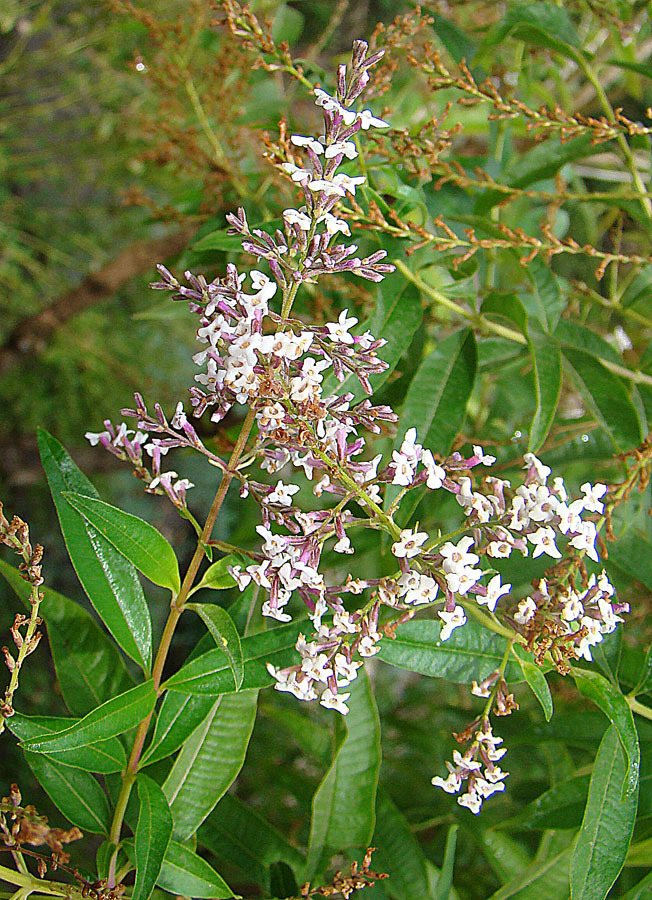
- Small white to pale lilac flowers in slender clusters in summer and early autumn; flowering can be sparse in cool climates.
- Foliage
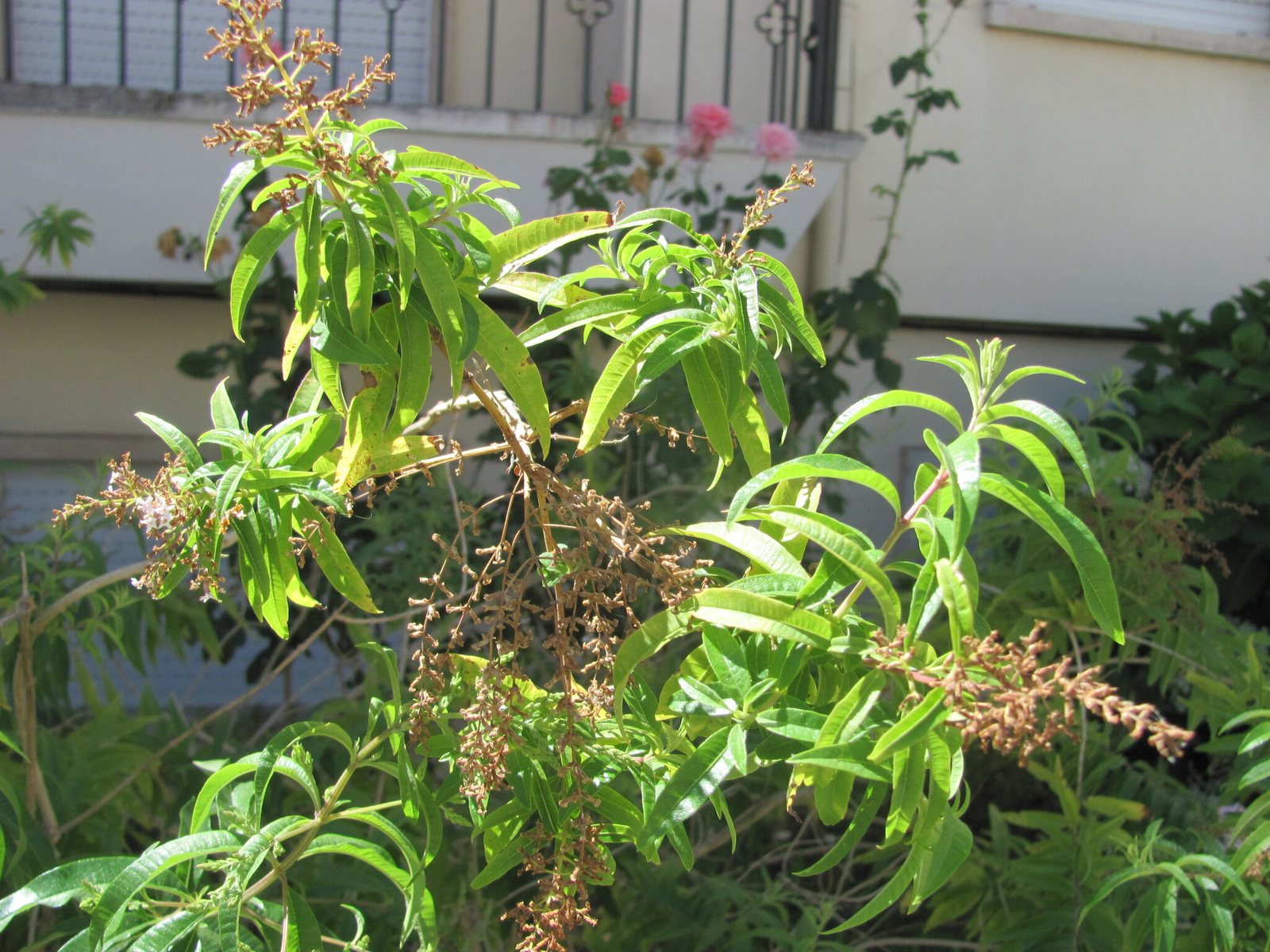
- Narrow, pointed, slightly rough green leaves, often arranged in whorls of three, with a strong lemon scent when rubbed.
- Growth
- Fast in warm weather; container size and pruning limit growth.
- Care needed
- Medium
The year at a glance
- Pollinators
- Deer resistant
- Heat tolerant
- Low allergen
- Fragrant
- Edible
| J | F | M | A | M | J | J | A | S | O | N | D | |
|---|---|---|---|---|---|---|---|---|---|---|---|---|
| Flowers | ||||||||||||
| Fruit | ||||||||||||
| Plant |
Northern hemisphere months. In Australia, shift them by six.
- Difficulty
- Moderate
- Toughness
- Needs looking after
Will it suit your garden?
Pick your zone, country, light and whether you have pets.
Full sun is 6 or more hours of direct sun a day, part shade 3 to 6 hours, shade under 3.
How it grows
Planting day
1.6 ft (0.5 m)
After 1 year
3 ft (0.9 m)
After 2 years
4 ft (1.3 m)
After 3 years
6 ft (1.7 m)
After 5 years
6 ft (1.8 m)
full size
About 3 years to full size.
From a typical nursery size, at an average rate for this kind of plant. A rule of thumb, not a forecast.
Good to know
- Cats and dogs
- Toxic
- Growth rate
- Fast
Care
Jobs through the year
- WaterApr–May, Sep, every 10 days
- Water established ground plants when the upper soil dries; young plants and pots need more often.
- WaterJun–Aug, every 7 days
- Water deeply if the upper soil is dry; avoid standing water and check pots more frequently.
- WaterJan–Mar, Oct–Dec, every 21 days
- For frost-free overwintered pots, water lightly only if needed to prevent complete drying.
- FeedMay–Aug, every 30 days
- Feed container plants with balanced liquid fertilizer; fertile garden soil needs little extra feed.
- PruneApr–May
- After hard frosts, remove dead wood and shorten old growth to swelling healthy buds.
- PruneJun–Aug, every 21 days
- Pinch young shoot tips to encourage branching.
- HarvestMay–Sep, every 7 days
- Snip leafy tips once growth is strong; use fresh or dry in shade.
- MulchOct
- Mulch any sheltered outdoor roots, keeping stems clear; mulch alone is insufficient in zone 6–7.
- ProtectSep–Oct
- Move pots into a cool, bright, frost-free place before frost; outdoor survival is unreliable.
- Plant out after frost risk has passed, in a sunny position sheltered from cold winds.
- Water deeply when the upper soil dries; empty container saucers rather than leaving roots standing in water.
- Feed container plants monthly with a balanced liquid fertiliser during spring and summer.
- Mulch the root area in autumn where winters are marginal, keeping mulch away from the stems.
- Move pots into a cool, bright, frost-free place before freezing weather; leaf drop during winter dormancy is normal.
Pruning. In spring, once buds begin to swell and hard frosts have passed, remove dead wood and shorten the previous year's growth to healthy buds. Pinch young shoots during the growing season to encourage branching.
Harvest
Pick healthy leaves once the plant has plenty of new growth, from late spring through summer; they are ready when fully expanded and strongly scented. Snip leafy shoot tips without stripping the plant, and use fresh or dry the leaves in a shaded, airy place.
Through the year
- Early spring
- Check overwintered plants for pests and water sparingly until new growth appears.
- Spring
- Prune when buds swell; repot crowded container plants into fresh, free-draining mix.
- Late spring
- Harden off indoor plants gradually and move outside after the last frost.
- Summer
- Water and feed container plants, pinch shoot tips and harvest leaves regularly.
- Summer
- Take softwood or semi-ripe cuttings from healthy, non-flowering shoots.
- Autumn
- Dry leaves for winter use, stop feeding and move tender containers under cover before frost.
- Winter
- Keep dormant container plants cool and frost-free, watering only enough to prevent complete drying.
In the garden
- Place a container beside a sunny seating area where brushing the leaves releases their scent.
- Use as a woody focal point in a culinary herb bed with thyme, sage and oregano.
- Grow against a sheltered, sunny wall to provide a loose green backdrop for lower herbs and flowers.
- Include beside a broad path in a sensory garden, allowing room for its spreading branches.
Garden styles it suits: Sensory garden, Potager (kitchen garden), Herb parterre, Mediterranean, Modern courtyard and Edible landscape.
Plant it with: Thyme, Sage, Oregano, Rosemary, French marigold and Basil.
Wildlife: The small flowers provide nectar for bees and other insects when the plant blooms.
Problems to watch for
- Winter dieback: cold and wet soil can kill stems or roots; improve drainage, shelter outdoor plants and overwinter pots frost-free in colder areas.
- Red spider mites: watch for pale stippling and fine webbing on sheltered plants; rinse leaf undersides and use predatory mites or a treatment labelled for edible herbs if needed.
- Whitefly: inspect leaf undersides, especially under glass; use insect-proof screening, biological controls or a treatment approved for edible herbs.
- Root rot: yellowing leaves and wilting in wet compost suggest poor drainage; reduce watering, clear drainage holes and repot into fresh, free-draining mix if roots remain healthy.
Safety
Leaves are used as a culinary herb and are not known to be toxic to people in normal food amounts. Lemon verbena is listed as toxic to cats, dogs and horses because of its essential oils; eating foliage can cause stomach upset. Avoid giving it to pets or livestock, and do not ingest concentrated essential oil.
Easily confused with
Lemon balm (Melissa officinalis)
Lemon balm has broad, wrinkled, scallop-edged leaves on soft, square stems; lemon verbena has narrow leaves and develops woody branches.
Lemongrass (Cymbopogon citratus)
Lemongrass forms clumps of long, strap-like grass leaves with thickened bases, rather than a branching woody shrub.
Common vervain (Verbena officinalis)
Common vervain has lobed or toothed leaves and slender flower spikes, but lacks lemon verbena's strong lemon scent and narrow, often three-whorled leaves.
The name
Aloysia honours María Luisa of Parma, Queen of Spain, while citrodora means lemon-scented.
Propagation. Take softwood cuttings in late spring or semi-ripe cuttings in summer, rooting them in a moist, free-draining medium with gentle warmth. Protect young plants from frost during their first winter.
Checked against open data
- Accepted botanical name
- Aloysia citrodora
- In the US and Canada
- Introduced in the lower 48 states and Puerto Rico.
- Native range
- Argentina Northwest, Bolivia and Paraguay.
Sources: GBIF (CC BY 4.0), USDA PLANTS and Trefle (CC BY 4.0). The care and design notes are LandscapeGPT's own.
See it in your own yard.
Upload a photo of your yard and see it redesigned with plants that suit your climate, each checked against your zone.