Lilly pilly Resilience
Syzygium australe 'Resilience'. Family Myrtaceae. Shrub.
Also called Resilience lilly pilly, Australian brush cherry.
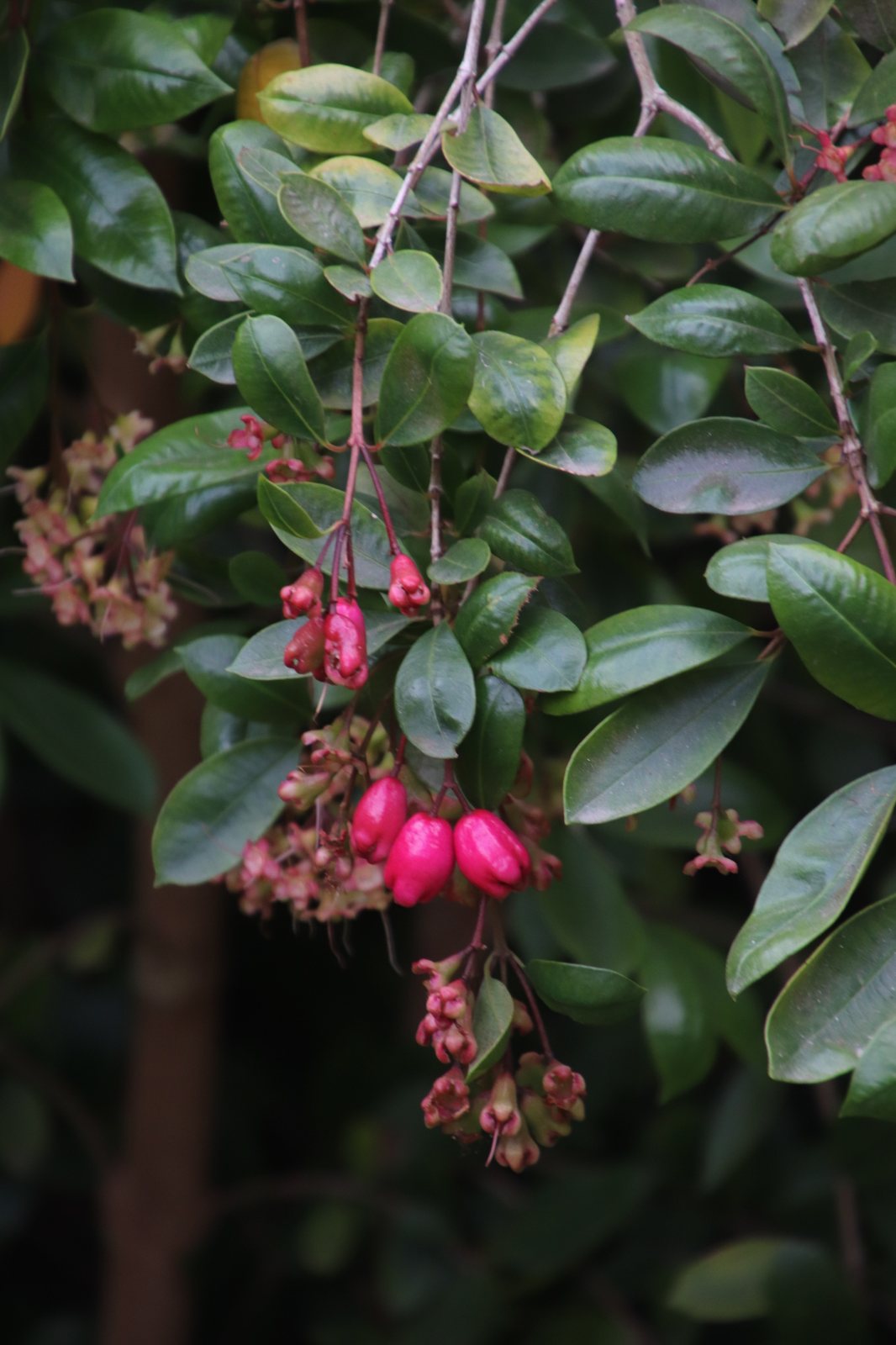
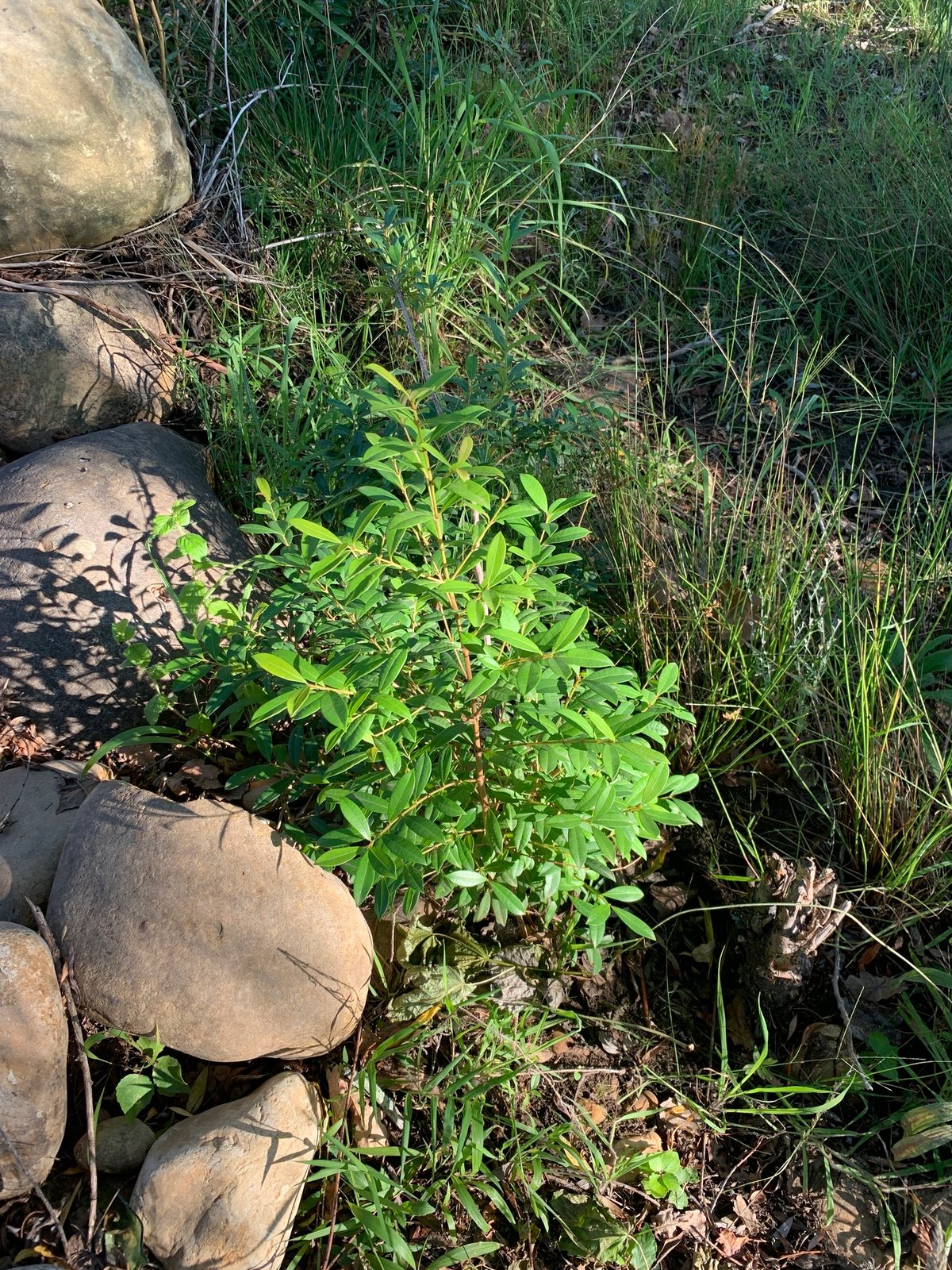
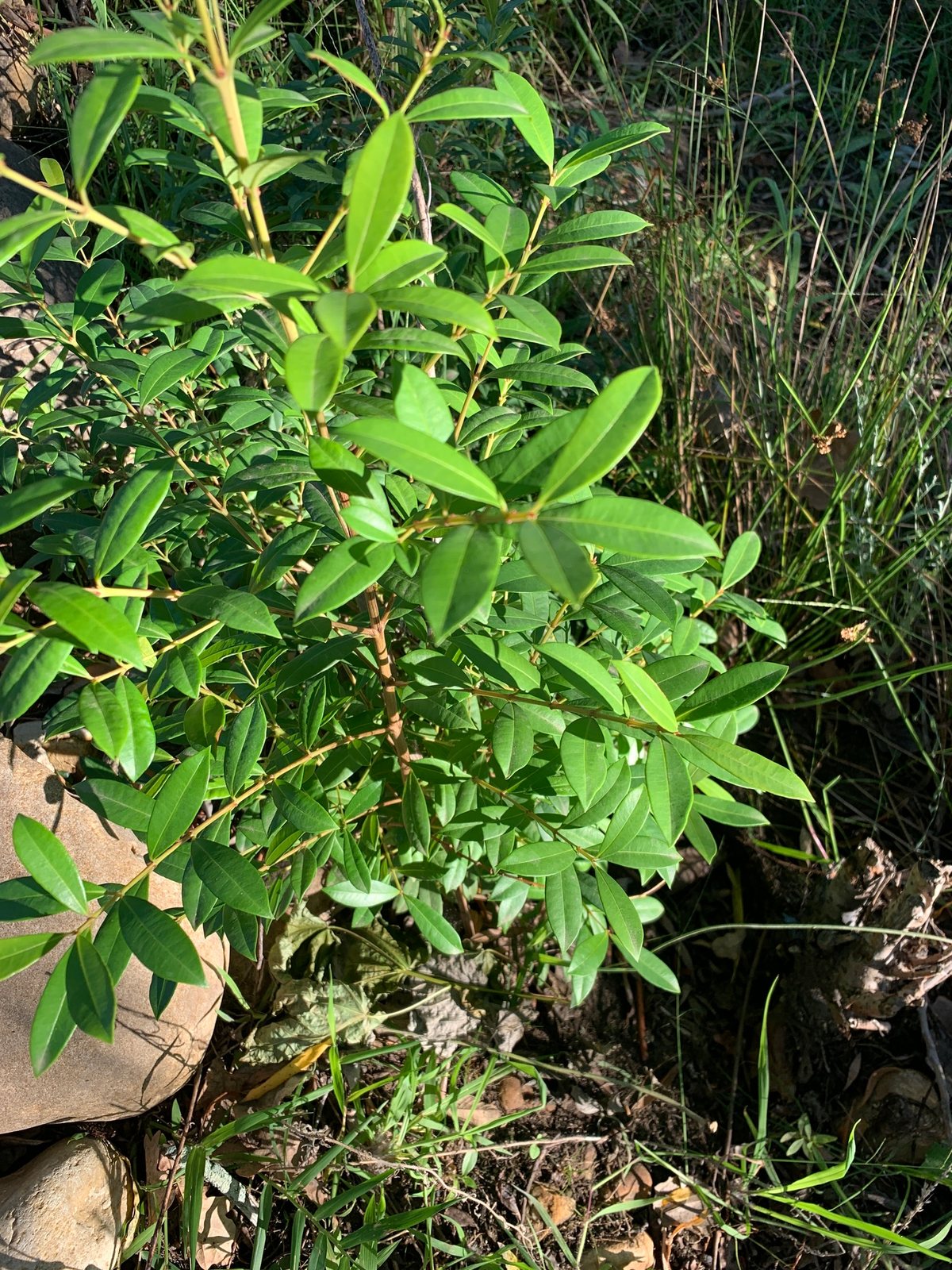
Syzygium australe 'Resilience' is a dense evergreen Australian shrub grown for screening, clipped hedges and its reddish-bronze new growth. It was selected for resistance to the psyllids that disfigure many lilly pillies, although it is not immune to every pest. It suits warm gardens with mild winters; in colder regions, grow it in a container that can be moved into frost-free shelter.
At a glance
- Sun
- Full sun to partial shade; foliage is generally densest in good light. Shelter from cold, drying winds.
- Water
- Water regularly while establishing, then deeply during prolonged dry weather. Keep container plants evenly moist, but never standing in water.
- Soil
- Moist, well-drained soil enriched with organic matter; slightly acidic to neutral soil is ideal. Avoid waterlogged ground.
- Height
- 13-20 ft (4-6 m) unpruned; readily maintained lower as a hedge
- Spread
- 7-10 ft (2-3 m)
- Flowers
- White, fluffy flowers in late spring and summer, followed by pink to reddish berries; frequent clipping reduces flowering.
- Foliage
- Evergreen. Glossy, oval green leaves with reddish-bronze young growth; dense branching makes an effective screen.
- Growth
- Fast in warm conditions with adequate water and nutrients.
- Care needed
- Medium
The year at a glance
- Pollinators
- Heat tolerant
- Wildlife
- Low allergen
| J | F | M | A | M | J | J | A | S | O | N | D | |
|---|---|---|---|---|---|---|---|---|---|---|---|---|
| Flowers | ||||||||||||
| Fruit | ||||||||||||
| Plant |
Northern hemisphere months. In Australia, shift them by six.
- Difficulty
- Hard
- Toughness
- Needs looking after
Will it suit your garden?
Pick your zone, country, light and whether you have pets.
Full sun is 6 or more hours of direct sun a day, part shade 3 to 6 hours, shade under 3.
How it grows
Planting day
2 ft (0.6 m)
After 1 year
6 ft (2 m)
After 2 years
11 ft (3.3 m)
After 3 years
15 ft (4.7 m)
After 5 years
16 ft (5 m)
full size
About 3 years to full size.
From a typical nursery size, at an average rate for this kind of plant. A rule of thumb, not a forecast.
Good to know
- Cats and dogs
- Safe
- Native to
- Australia
- Growth rate
- Fast
Care
Jobs through the year
- WaterApr–May, Sep–Oct, every 14 days
- For established plants in suitable ground, water during dry spells; young plants and pots need more.
- WaterJun–Aug, every 7 days
- Deep-water established plants during dry weather; check pots and new root balls more often.
- WaterJan–Mar, Nov–Dec, every 14 days
- Check overwintering containers and water sparingly before the root ball dries completely.
- FeedApr
- Apply balanced slow-release fertiliser at the label rate.
- MulchMay
- Spread 5–8 cm of organic mulch, keeping stems clear.
- PruneMay–Jul
- Tip-prune or lightly clip, leaving some shoots untouched for flowers and berries.
- ProtectJan–Apr, Oct–Dec
- Not winter-hardy in zones 6–7: grow in a movable container and overwinter bright and frost-free.
- Water deeply through the first growing season, checking the root ball rather than just the surrounding soil.
- Apply a balanced slow-release fertiliser in spring at the labelled rate.
- Spread 2-3 in (5-8 cm) of organic mulch over the root area, keeping it clear of the stems.
- Water established hedges during extended dry spells, especially beside paving or fences.
- Protect young plants from frost; move containers into bright, frost-free shelter where winters are cold.
Pruning. Tip-prune young plants during active growth to encourage branching, and clip established hedges in spring and summer, keeping the base slightly wider than the top. Avoid hard pruning just before frost or during extreme heat, and leave some shoots unclipped if flowers and fruit are wanted.
Through the year
- Spring
- Plant once damaging frosts have passed, water thoroughly and mulch.
- Spring
- Feed established plants and trim frost-damaged shoots once new growth begins.
- Late spring
- Tip-prune or lightly clip hedges, leaving flowering shoots where berries are wanted.
- Summer
- Check soil moisture during hot spells and inspect new growth for pests or distorted leaves.
- Early autumn
- Remove fallen fruit from paths and avoid heavy pruning where early frosts occur.
- Winter
- Protect young plants during frost and water sheltered container plants sparingly without letting the root ball dry out.
In the garden
- Clip into a dense boundary hedge for year-round privacy.
- Use as a tall green backdrop behind flowering shrubs and perennials.
- Train as a small, clear-stemmed tree in a sheltered courtyard.
- Grow in large containers to frame an entrance, allowing room for watering and regular clipping.
Garden styles it suits: Australian native, Formal, Modern tropical, Urban city garden, Modern courtyard and Green on green.
Plant it with: Lomandra, Flax lily, Native violet, Bird of paradise and Cast-iron plant.
Wildlife: Flowers attract bees and other insects, and birds eat the berries. Dense, lightly pruned plants provide shelter; frequent shearing reduces flowers and fruit.
Problems to watch for
- Pimple psyllids can cause blistered leaves, though 'Resilience' is resistant: monitor new growth, avoid unnecessary spraying and remove badly affected tips if infestations are localised.
- Scale insects can cause sticky honeydew and sooty mould: control attending ants and use a horticultural oil labelled for the pest, avoiding hot weather.
- Myrtle rust causes yellow-orange pustules and distorted young growth where the disease occurs: avoid moving infected material and follow local plant-health guidance.
- Waterlogged roots can cause yellowing, dieback and root rot: improve drainage, reduce watering and do not plant into persistently saturated soil.
Safety
Not known to be toxic to people, cats or dogs; the ripe fruit is edible to people. Reliable information for horses is limited, so do not use hedge clippings as feed. Eating large quantities of fruit or foliage may cause digestive upset.
Easily confused with
Common lilly pilly (Syzygium smithii)
Usually has more noticeably wavy leaf margins and pale pink to mauve fruit. Young hedge plants can be difficult to distinguish, so check the nursery label.
Riberry (Syzygium luehmannii)
Has smaller, narrower leaves with long pointed tips, often on drooping branchlets, and small pear-shaped red fruit.
The name
The species name australe means southern, referring to its Australian origin, while 'Resilience' refers to the cultivar's resistance to lilly pilly psyllids.
Propagation. Take semi-ripe cuttings during the warmer months and root them in a free-draining propagation mix with humidity and gentle warmth. Seedlings will not reliably retain the characteristics of 'Resilience'.
Checked against open data
- Accepted botanical name
- Syzygium australe
- Native range
- New South Wales and Queensland.
Sources: GBIF (CC BY 4.0) and Trefle (CC BY 4.0). The care and design notes are LandscapeGPT's own.
See it in your own yard.
Upload a photo of your yard and see it redesigned with plants that suit your climate, each checked against your zone.