Lima bean (butter bean)
Phaseolus lunatus. Family Fabaceae. Annual.
Also called Butter bean, Sieva bean.
Lima bean is a frost-tender legume grown as an annual for its broad, flattened seeds, eaten cooked while fresh or after drying. Bush forms suit vegetable beds, while climbing forms need sturdy supports and a longer warm season. Cropping is less reliable in cool parts of the United Kingdom and Canada, where early bush varieties offer the best chance.
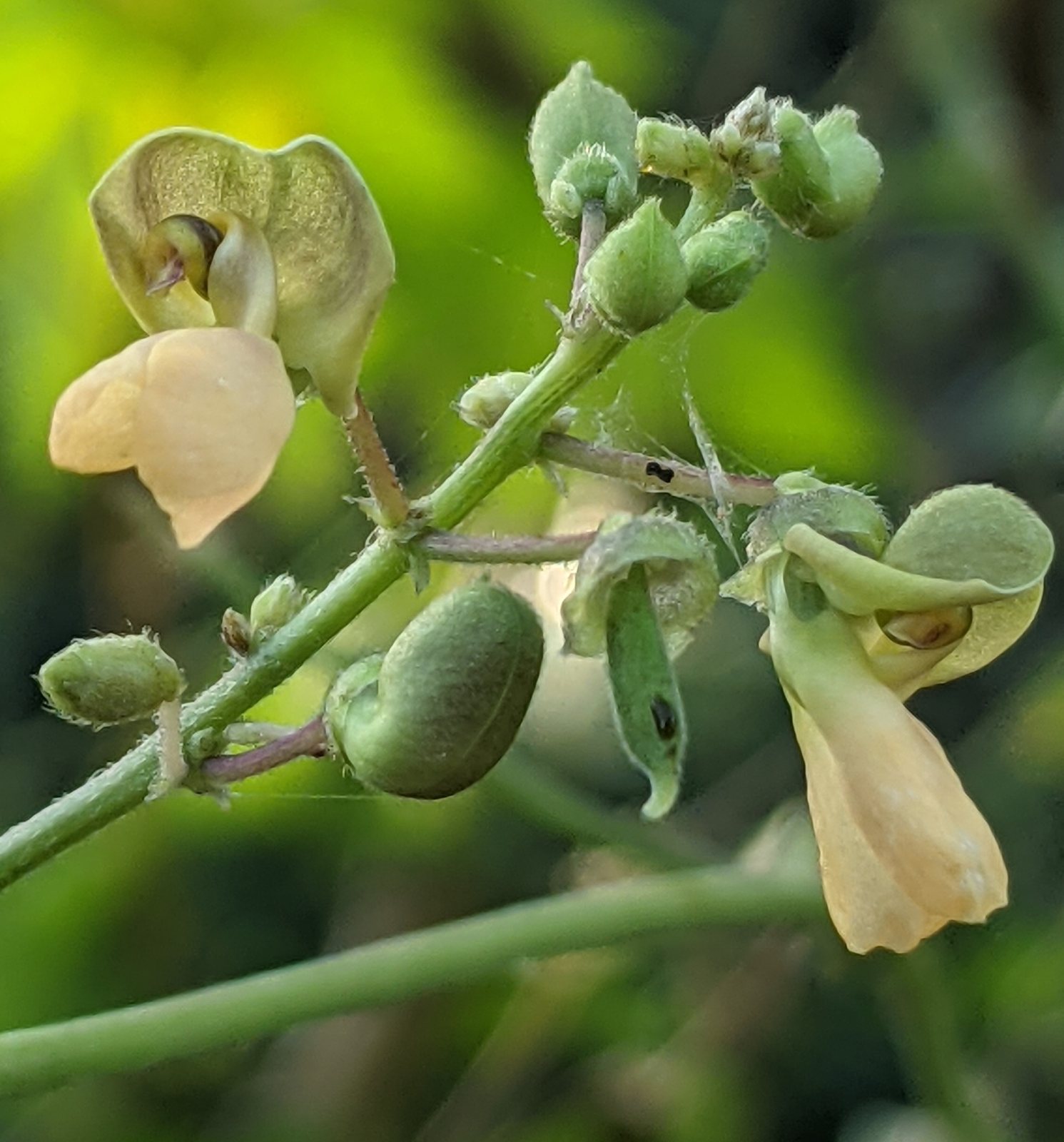
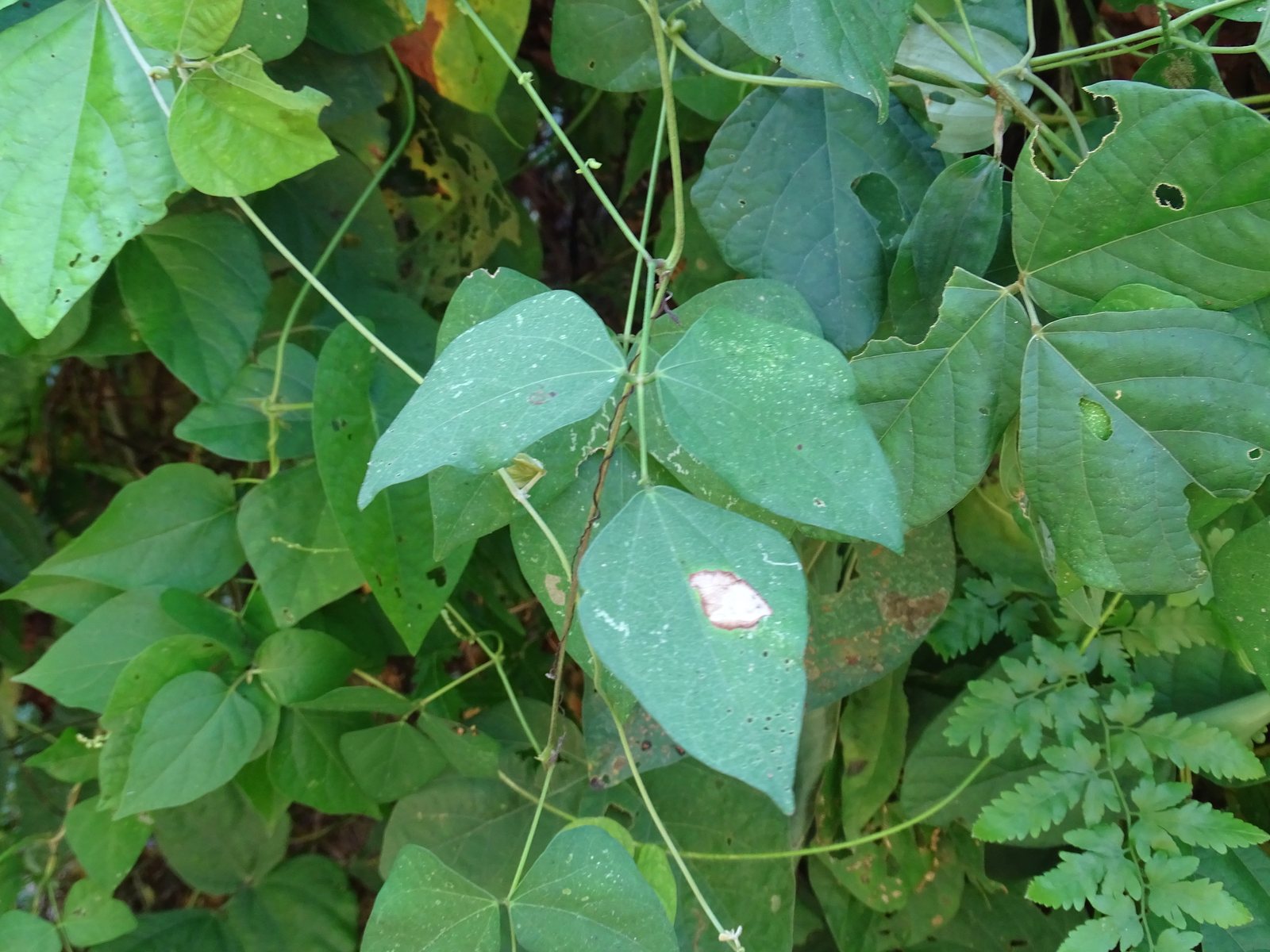
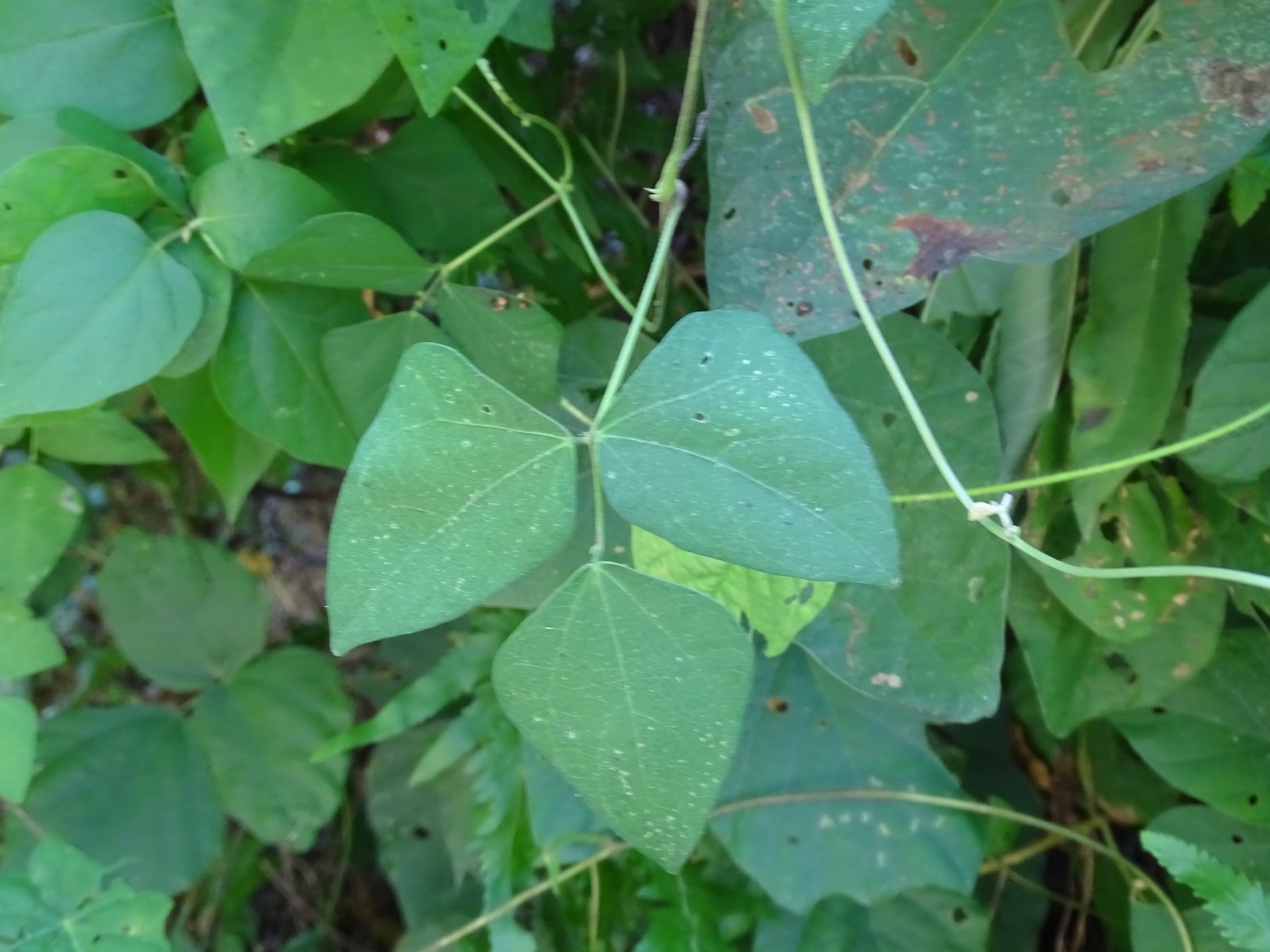
At a glance
- Sun
- Full sun, ideally at least 6-8 hours daily; choose a warm, sheltered position in cool climates.
- Water
- Keep soil evenly moist, especially during flowering and pod filling, but never waterlogged.
- Soil
- Well-drained, moderately fertile soil with a pH of about 6.0-7.0; avoid cold, wet ground.
- Height
- Bush forms: 1-2 ft (0.3-0.6 m); climbing forms: 6-12 ft (1.8-3.7 m).
- Spread
- 1-3 ft (0.3-0.9 m), depending on variety and support.
- Flowers
- Small white to pale lilac flowers in summer, followed by flattened pods.
- Foliage
- Green leaves divided into three broad, pointed leaflets.
- Growth
- Fast in warm weather; slow in cool soil.
- Care needed
- Medium
The year at a glance
- Pollinators
- Heat tolerant
- Low allergen
- Edible
| J | F | M | A | M | J | J | A | S | O | N | D | |
|---|---|---|---|---|---|---|---|---|---|---|---|---|
| Flowers | ||||||||||||
| Fruit | ||||||||||||
| Plant |
Northern hemisphere months. In Australia, shift them by six.
- Difficulty
- Moderate
- Toughness
- Fairly tough
Will it suit your garden?
Pick your zone, country, light and whether you have pets.
Full sun is 6 or more hours of direct sun a day, part shade 3 to 6 hours, shade under 3.
How it grows
Planting day
0.5 ft (0.15 m)
After 1 year
1.5 ft (0.45 m)
full size
Full size in one season.
From a typical nursery size, at an average rate for this kind of plant. A rule of thumb, not a forecast.
Good to know
- Cats and dogs
- Toxic
- Growth rate
- Moderate
Care
Jobs through the year
- WaterMay–Jun, every 7 days
- Water established plants when dry; keep germinating seed moist but never saturated.
- WaterJul–Aug, every 5 days
- Water established plants deeply in dry weather, maintaining steady moisture during flowering and pod filling.
- WaterSep, every 7 days
- Water if dry while pods fill; reduce watering once pods selected for dry beans mature.
- FeedMay
- Incorporate modest amounts of compost before sowing; avoid heavy nitrogen feeding.
- MulchJun–Jul
- Mulch once the soil is thoroughly warm, keeping mulch away from stems.
- ProtectMay–Jun
- Sow only after frost in soil at least 18°C; choose early bush varieties for cool, short summers.
- HarvestAug–Oct
- Pick plump pods for shelling or brown papery pods for drying; discard pods and cook beans thoroughly, never raw.
- Sow after frost danger has passed and soil has warmed to at least 65°F (18°C), preferably warmer.
- Install sturdy poles or trellis before sowing climbing varieties.
- Water at soil level during dry spells, keeping moisture steady as pods fill.
- Mulch once the soil is warm to conserve moisture and suppress weeds.
- Use modest amounts of compost; avoid heavy nitrogen feeding, which encourages leaves rather than beans.
Pruning. Routine pruning is unnecessary. Guide climbing shoots onto supports and remove badly diseased growth when the foliage is dry.
Harvest
Pick pods for fresh shelling when they are plump and the seeds are full-sized but still tender, usually about 65-100 days after sowing for early bush varieties and longer for climbers; do not eat the pods. For dry beans, let pods turn brown and papery, then harvest before prolonged wet weather and finish drying under cover. Shell the beans and cook thoroughly before eating; never eat them raw.
Through the year
- Spring
- Prepare a sunny bed with modest amounts of compost and put climbing supports in place.
- Late spring
- Sow outdoors after the last frost once soil is thoroughly warm; delay in cold or wet weather.
- Early summer
- Thin seedlings to the spacing recommended for the variety and guide climbing shoots onto supports.
- Summer
- Mulch warm soil and water regularly during flowering and pod filling.
- Late summer
- Pick plump pods regularly for fresh shelling, leaving selected pods to mature if dry beans are wanted.
- Autumn
- Harvest remaining mature pods before frost or persistent rain; dry beans fully before storage.
In the garden
- Grow bush forms in orderly rows or blocks in a kitchen garden.
- Train climbing forms over a sturdy trellis along the sunny edge of a vegetable plot.
- Use a bean-covered tripod as a seasonal vertical feature in a potager.
- Combine with low-growing flowers around bed edges, leaving enough space for airflow and harvesting.
Garden styles it suits: Potager (kitchen garden), Edible landscape, Homestead, Cottage garden and Farmhouse.
Plant it with: Sweetcorn, Summer squash, Nasturtium and French marigold.
Wildlife: Flowers attract some bees, although the crop is largely self-pollinating. Rabbits and deer may browse the foliage.
Problems to watch for
- Seeds rot or fail to emerge in cold, wet soil: delay sowing until the ground is warm and improve drainage.
- Flowers drop without setting pods during extreme heat or drought: keep roots evenly moist and allow later flowers to set when conditions improve.
- Aphids cluster on tender shoots: wash off small colonies with water and encourage ladybirds and other predators.
- Bacterial blight causes spotted leaves and damaged pods: use clean seed, avoid handling wet plants, rotate crops and remove infected debris.
Safety
Raw seeds and other uncooked plant parts can contain cyanogenic compounds that release cyanide and may seriously poison people, cats, dogs and horses. Keep pets and livestock away from plants, raw beans and discarded material. Eat only properly prepared seeds from food varieties: soak dried beans, discard the soaking water, then boil in fresh water and cook fully according to reliable food-safety instructions; do not cook raw dried beans solely in a slow cooker.
Easily confused with
Common bean (Phaseolus vulgaris)
Leaves can look very similar, but lima beans typically have broad, flattened pods and flattened, often crescent-shaped seeds. Common bean pods are more variable and often longer and narrower.
Runner bean (Phaseolus coccineus)
Runner beans usually have larger, showier red or white flowers and long, rough-textured pods; lima beans have smaller flowers and shorter, broader pods.
The name
Lima refers to Lima, Peru, while the botanical epithet lunatus means crescent-shaped, describing the seeds.
Propagation. Grow from seed, usually sown directly into warm soil. In short-season areas, start individual seeds in deep pots under warm conditions about 2-3 weeks before planting out, then transplant gently after frost without disturbing the roots.
Checked against open data
- Accepted botanical name
- Phaseolus lunatus
- In the US and Canada
- Introduced in the lower 48 states, Puerto Rico and US Virgin Islands.
- Native range
- Belize, Colombia, Costa Rica, El Salvador, Guatemala, Honduras, Mexican Pacific Is., Mexico Central, Mexico Gulf, Mexico Northeast, Mexico Northwest and Mexico Southeast.
Sources: GBIF (CC BY 4.0), USDA PLANTS and Trefle (CC BY 4.0). The care and design notes are LandscapeGPT's own.
See it in your own yard.
Upload a photo of your yard and see it redesigned with plants that suit your climate, each checked against your zone.