Madagascar dragon tree
Dracaena marginata. Family Asparagaceae. Tree.
Also called Dragon tree, Red-edged dracaena, Dracaena reflexa var. angustifolia.
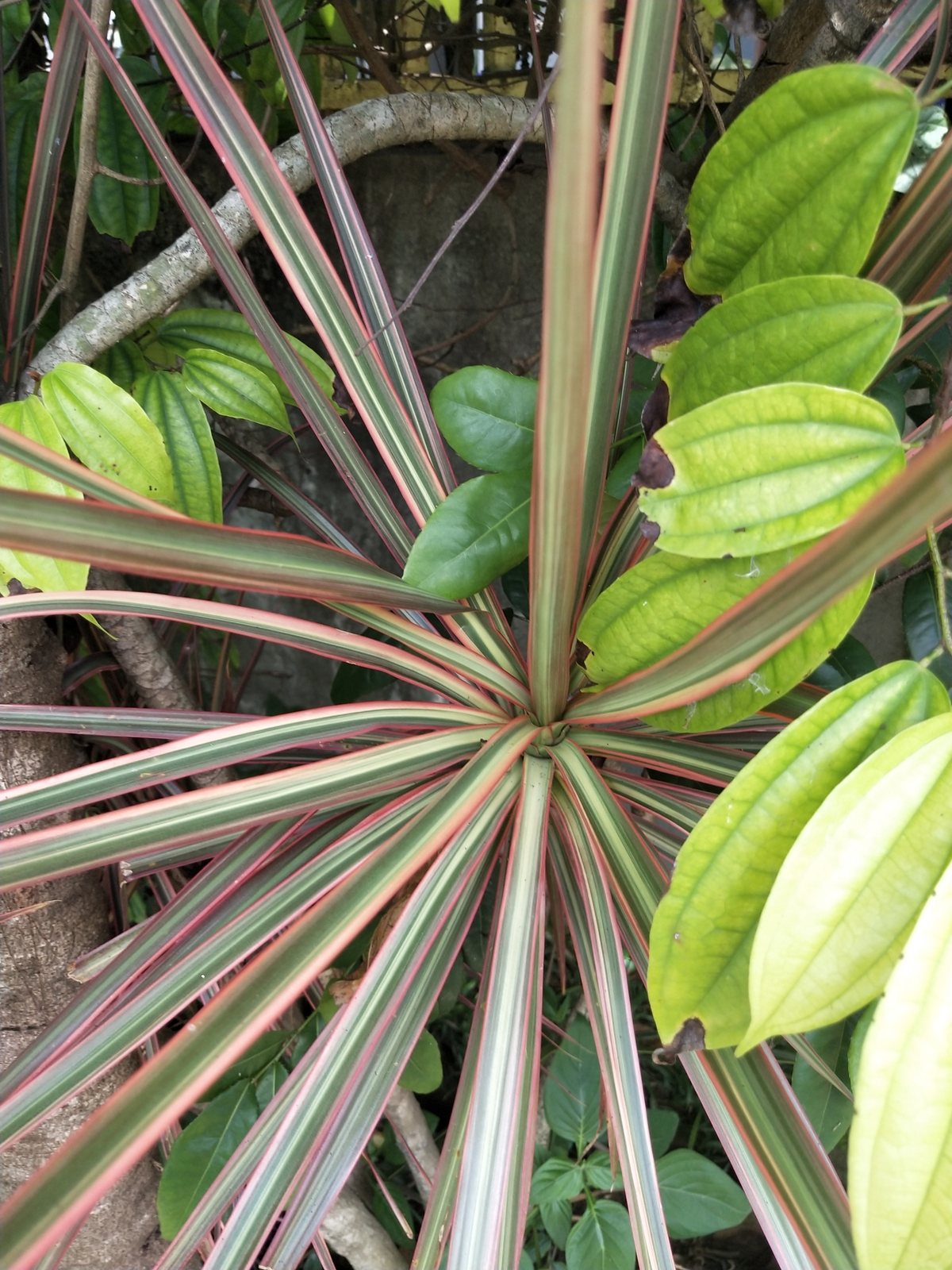
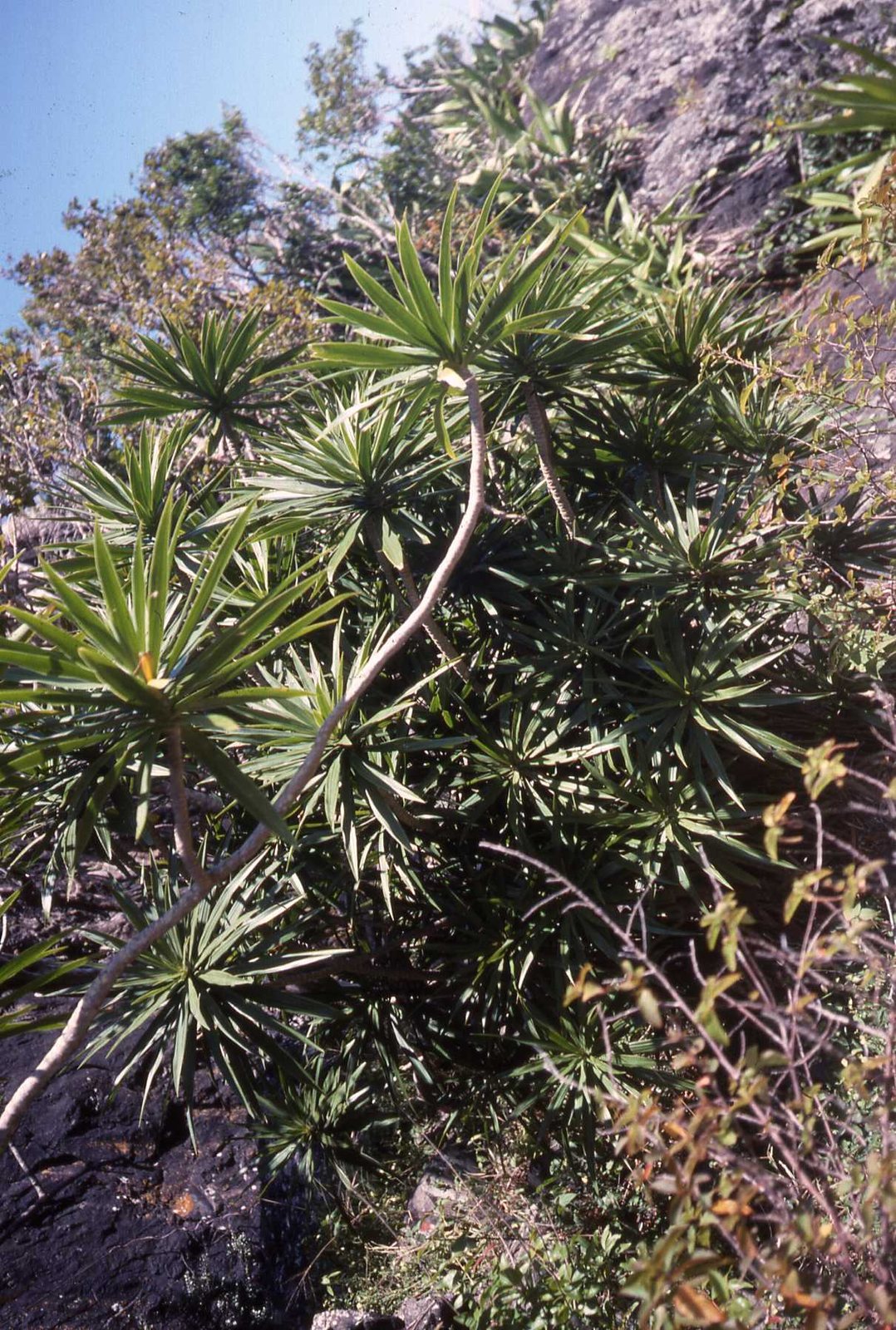
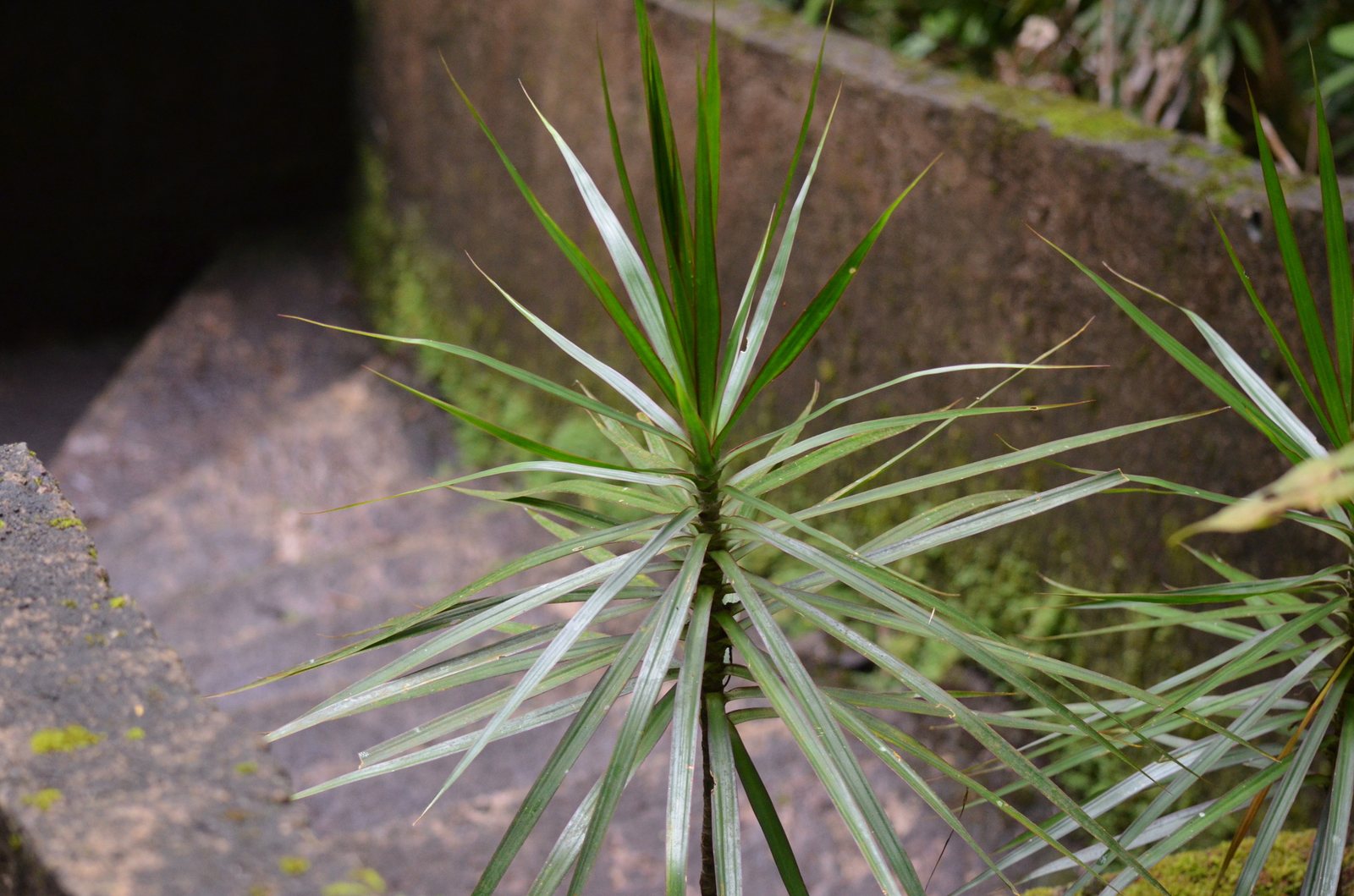
Madagascar dragon tree is a frost-tender evergreen with slender woody stems and tufts of narrow, red-edged leaves. Grow it for its upright, architectural shape, either as a houseplant or in sheltered, frost-free gardens; in colder climates, containers can spend summer outdoors.
At a glance
- Sun
- Bright, indirect light indoors; partial shade outdoors. Acclimatized plants tolerate some direct sun, but sudden exposure to strong afternoon sun can scorch the leaves.
- Water
- Let the top 1-2 in (2.5-5 cm) of potting mix dry before watering thoroughly. Water less in winter, and never leave the pot standing in water.
- Soil
- A free-draining houseplant potting mix with added perlite or fine bark; outdoors, use well-drained soil that does not remain wet.
- Height
- 6-20 ft (1.8-6 m) outdoors; usually 3-8 ft (0.9-2.4 m) indoors
- Spread
- 3-10 ft (0.9-3 m) outdoors; usually 2-3 ft (0.6-0.9 m) indoors
- Foliage
- Evergreen tufts of long, narrow, arching green leaves with thin reddish margins. Variegated forms have cream, pink or broader red stripes; older leaves naturally drop to expose the slender stems.
- Growth
- Slow to moderate; slower in low light or a small container.
- Care needed
- Low
The year at a glance
- Drought tolerant
- Heat tolerant
- Low allergen
| J | F | M | A | M | J | J | A | S | O | N | D | |
|---|---|---|---|---|---|---|---|---|---|---|---|---|
| Plant |
Northern hemisphere months. In Australia, shift them by six.
- Difficulty
- Easy
- Toughness
- Very tough
Will it suit your garden?
Pick your zone, country, light and whether you have pets.
Full sun is 6 or more hours of direct sun a day, part shade 3 to 6 hours, shade under 3.
How it grows
Planting day
7 ft (2 m)
After 1 year
7 ft (2.1 m)
After 2 years
7 ft (2.1 m)
After 3 years
7 ft (2.2 m)
After 5 years
8 ft (2.4 m)
About 26 years to full size.
From a typical nursery size, at an average rate for this kind of plant. A rule of thumb, not a forecast.
Good to know
- Cats and dogs
- Toxic
- Growth rate
- Slow
Care
Jobs through the year
- WaterMar–May, Sep–Oct, every 14 days
- Grow in a pot here; water only when the upper 2.5–5 cm of mix is dry.
- WaterJun–Aug, every 7 days
- Check summer pots weekly; water thoroughly when the upper mix dries and drain fully.
- WaterJan–Feb, Nov–Dec, every 21 days
- Check sheltered pots before watering; let the upper mix dry and never leave standing water.
- FeedApr–Aug, every 30 days
- Feed at half label strength while actively growing; stop in winter.
- PruneApr–Jun
- If needed, shorten overlong stems above a leaf scar; gently remove dead leaves.
- ProtectJan–May, Sep–Dec
- Keep indoors in bright indirect light, preferably above 13°C and away from draughts.
- ProtectJun
- If summering outdoors, acclimatize into shade once nights remain above 10°C.
- Check the potting mix before watering; allow the upper layer to dry rather than watering on a fixed schedule.
- Feed container plants monthly at half the label strength during active spring and summer growth; stop in winter.
- Keep indoor plants away from cold draughts and heating vents, preferably above 55°F (13°C).
- Repot in spring only when roots crowd the pot, using a container with drainage holes and just one size larger.
- Use rainwater or low-fluoride water if leaf tips repeatedly brown despite suitable watering.
- Move summer containers outdoors gradually into shade, and bring them inside before nights fall below 50°F (10°C).
Pruning. In spring or early summer, cut overlong stems just above a leaf scar at the height you want; new shoots usually develop below the cut. Remove dead leaves gently, and avoid cutting away healthy foliage simply to expose more stem.
Through the year
- Spring
- Prune overlong stems and repot plants whose roots have filled their containers.
- Late spring
- Move containers outdoors only once nights stay above 50°F (10°C), introducing outdoor light gradually.
- Summer
- Check soil moisture regularly and feed monthly while the plant is actively growing.
- Early autumn
- Inspect for pests and bring summer containers indoors before cool nights arrive.
- Winter
- Stop feeding, reduce watering and give indoor plants the brightest indirect light available.
- Year-round
- Wipe dust from leaves and check leaf bases and undersides for pests.
In the garden
- Use a single specimen in a simple container to add height without occupying much floor space.
- Group several stems of different heights in a sheltered courtyard for a light, layered canopy.
- Pair with broad-leaved foliage plants to contrast their rounded leaves with its fine, spiky outline.
- Use beside a covered entrance or shaded patio in frost-free climates, protected from strong wind.
Garden styles it suits: Modern, Contemporary minimal, Architectural minimal, Modern tropical, Modern courtyard and Small-space.
Plant it with: Cast iron plant, Kentia palm, Heartleaf philodendron, Chinese evergreen and Peperomia.
Wildlife: Offers little wildlife value as an indoor plant. Mature outdoor plants may flower and fruit, but it is not a priority plant for supporting native wildlife in the United States, United Kingdom, Canada or Australia.
Problems to watch for
- Root rot and soft stems: usually caused by persistently wet soil; improve drainage, let the mix dry between waterings and discard badly rotted material.
- Spider mites: fine webbing and stippled leaves indicate infestation; wash the foliage and apply insecticidal soap according to the label, repeating as directed.
- Mealybugs and scale insects: inspect leaf bases and stems, isolate affected plants and treat with a suitable labelled houseplant insecticide.
- Brown leaf tips: check for dry soil, accumulated fertilizer salts or fluoride sensitivity; flush the potting mix, reduce feeding and try rainwater or low-fluoride water.
Safety
Toxic to cats and dogs if chewed or swallowed; leaves and other plant tissues contain saponins that can cause drooling, vomiting, poor appetite and lethargy. Contact a veterinarian after ingestion. Toxicity to horses is not well documented, so keep it out of their reach. It is not generally considered poisonous to people, but it is not edible and swallowing it may cause stomach upset.
Easily confused with
Corn plant (Dracaena fragrans)
Has much broader, strap-shaped leaves and usually thicker canes; its leaves lack the dragon tree's fine, red-edged outline.
Spineless yucca (Yucca gigantea)
Has broader, stiffer, sword-shaped leaves and a heavier trunk, rather than fine, flexible leaves on slender stems.
Cabbage palm (Cordyline australis)
Usually has longer, broader and stiffer leaves, with a more substantial trunk as it matures; it is also much more cold-tolerant.
The name
Dracaena comes from the Greek for a female dragon, marginata means edged or bordered in reference to the leaf margins, and Madagascar identifies its native island.
Propagation. Take leafy stem-tip cuttings or sections of healthy cane in spring or summer. Root them in a moist, free-draining medium in warmth and bright indirect light; keep cane sections the same way up as they grew.
Checked against open data
- Accepted botanical name
- Dracaena marginata
Sources: GBIF (CC BY 4.0). The care and design notes are LandscapeGPT's own.
See it in your own yard.
Upload a photo of your yard and see it redesigned with plants that suit your climate, each checked against your zone.