Madagascar jasmine
Marsdenia floribunda. Family Asclepiadaceae. Climber.
Also called Stephanotis, Bridal wreath, Stephanotis floribunda.
Madagascar jasmine is an evergreen, twining tropical climber grown for its waxy white flowers and strong, sweet fragrance. It needs warmth and a support to climb; outside frost-free regions, grow it in a container under glass or indoors, with an optional summer spell outdoors.
At a glance
- Sun
- Bright filtered light or morning sun with afternoon shade; protect from intense midday sun, especially behind glass.
- Water
- Keep evenly moist while growing, allowing the surface to dry slightly between waterings. Water less in winter, but do not let the root ball dry out completely.
- Soil
- Fertile, well-drained soil or a free-draining, loam-based container mix; avoid waterlogged roots.
- Height
- 10-20 ft (3-6 m) with support in warm conditions; usually smaller in containers
- Spread
- 3-6 ft (0.9-1.8 m), depending on training
- Flowers
- Clusters of fragrant, waxy white tubular flowers from late spring through summer, sometimes continuing into autumn in warm conditions.
- Foliage
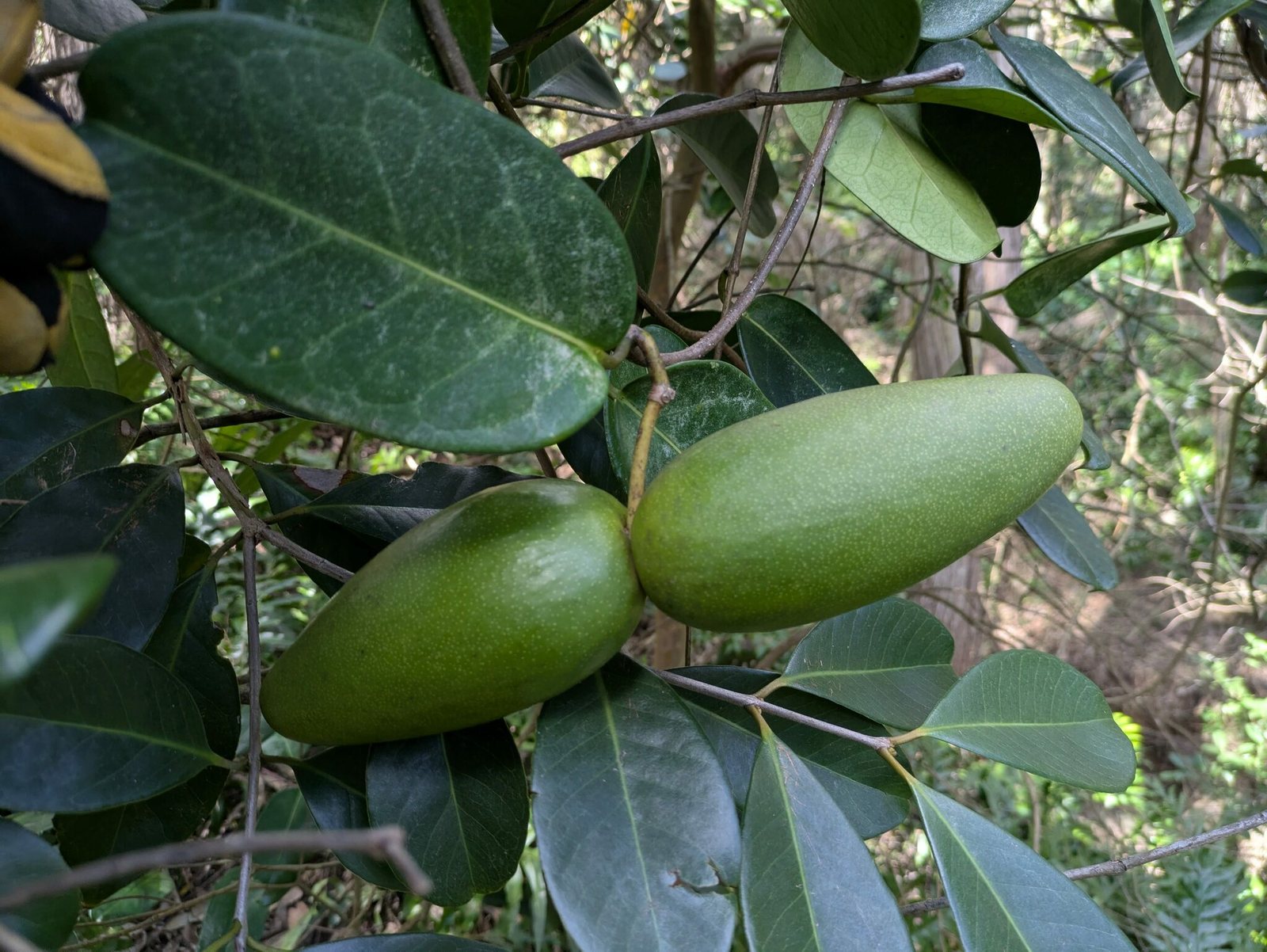
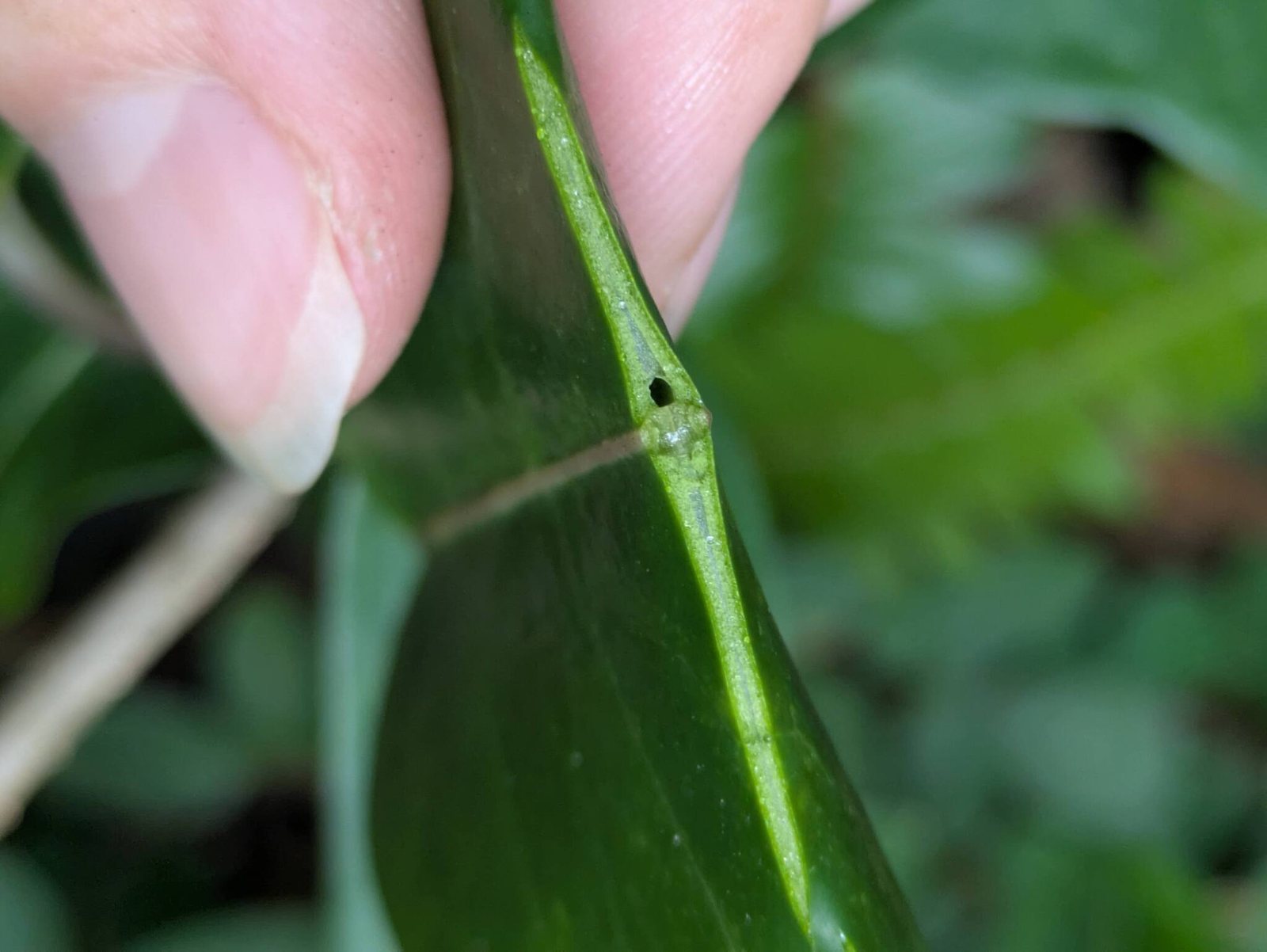
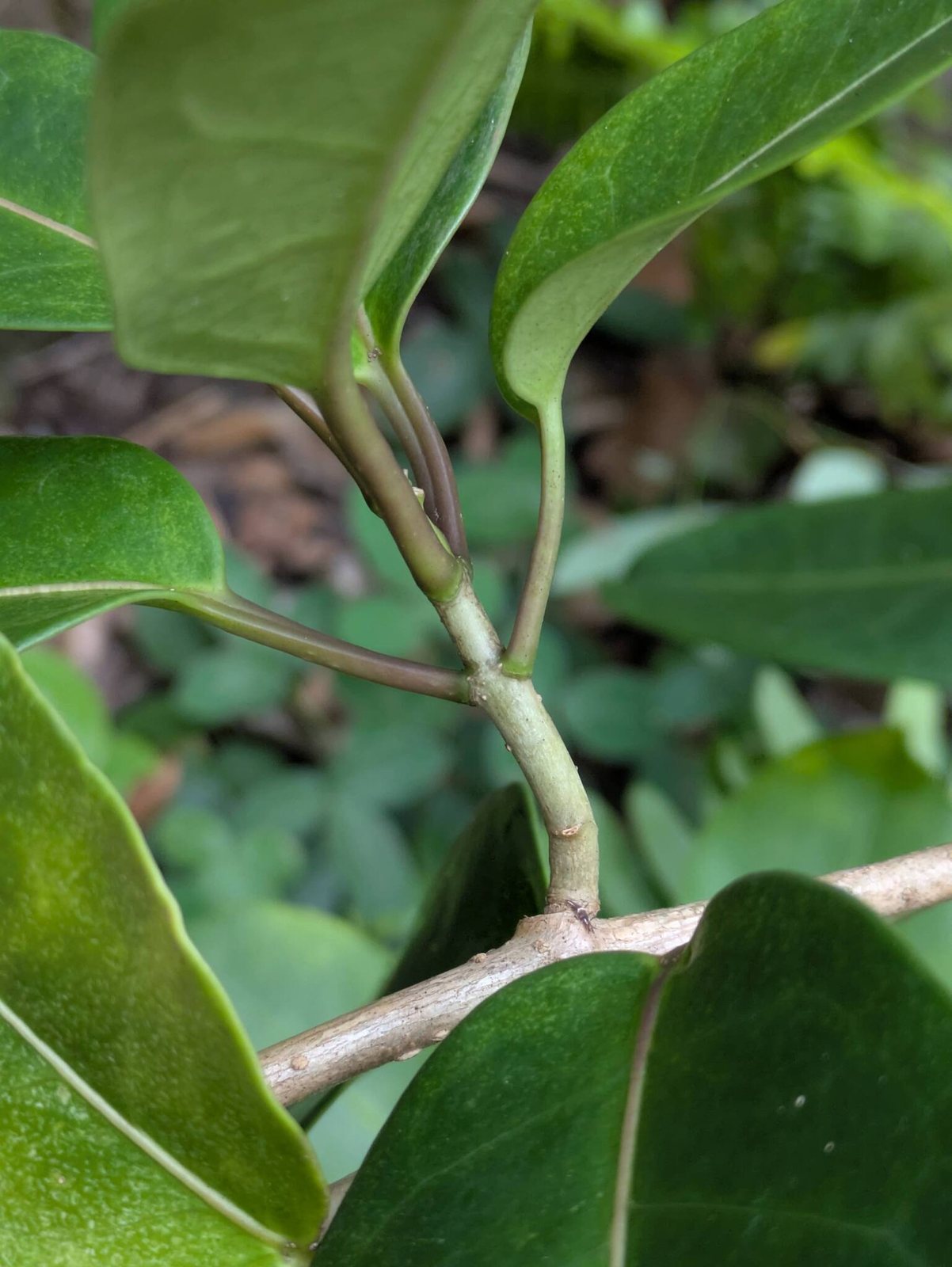
- Evergreen. Glossy, leathery, dark green oval leaves in opposite pairs.
- Growth
- Moderate in warm, bright conditions; slow in cool rooms
- Care needed
- Medium
The year at a glance
- Heat tolerant
- Low allergen
- Fragrant
| J | F | M | A | M | J | J | A | S | O | N | D | |
|---|---|---|---|---|---|---|---|---|---|---|---|---|
| Flowers | ||||||||||||
| Plant |
Northern hemisphere months. In Australia, shift them by six.
- Difficulty
- Hard
- Toughness
- Needs looking after
Will it suit your garden?
Pick your zone, country, light and whether you have pets.
Full sun is 6 or more hours of direct sun a day, part shade 3 to 6 hours, shade under 3.
How it grows
Planting day
2 ft (0.6 m)
After 1 year
2.7 ft (0.83 m)
After 2 years
3 ft (1.1 m)
After 3 years
4 ft (1.3 m)
After 5 years
6 ft (1.8 m)
About 5 years to full size.
From a typical nursery size, at an average rate for this kind of plant. A rule of thumb, not a forecast.
Good to know
- Cats and dogs
- Safe
- Growth rate
- Slow
Care
Jobs through the year
- WaterMar–May, Sep–Oct, every 7 days
- Container-grown here: water when the surface begins to dry, then empty the saucer.
- WaterJun–Aug, every 3 days
- Container-grown here: check moisture frequently and water when the surface dries slightly.
- WaterJan–Feb, Nov–Dec, every 14 days
- Overwinter indoors; water sparingly as needed without letting the root ball dry completely.
- FeedMar–Aug, every 21 days
- Apply flowering-houseplant fertilizer at the labelled rate.
- PruneFeb–Mar
- Remove weak or dead stems and shorten overlong shoots before spring growth.
- ProtectJun
- Acclimatise outdoors only when nights stay above 13°C, using sheltered filtered light.
- ProtectMay–Aug, every 14 days
- Tie new shoots loosely to a support and inspect leaf undersides for pests.
- ProtectJan–May, Sep–Dec
- Keep indoors whenever nights fall below 13°C; provide bright light away from draughts.
- Provide a trellis, wire frame or hoop, and loosely tie in young stems.
- Water thoroughly during active growth, then empty any saucer or outer pot.
- Apply a flowering-houseplant fertiliser at the labelled rate every two to four weeks in spring and summer.
- Keep winter conditions bright and preferably above 55°F (13°C), away from cold draughts and heating vents.
- Move plants outdoors only after nights are consistently above 55°F (13°C), gradually acclimatising them to brighter light.
- Repot in spring when roots fill the container, using a pot only slightly larger.
Pruning. In late winter or early spring, remove dead or weak stems and shorten overlong shoots to fit the support. Avoid heavy pruning once spring growth is underway, as this can remove potential flowering growth.
Through the year
- Late winter
- Remove weak growth and shorten stems that have outgrown their support.
- Spring
- Repot if root-bound, increase watering as growth resumes and begin feeding.
- Late spring
- If summering outdoors, wait for reliably warm nights and acclimatise the plant in a sheltered, shaded spot.
- Summer
- Tie in new shoots, maintain even moisture and inspect leaf undersides for pests.
- Early autumn
- Bring container plants under cover before nights become cool; check for pests first.
- Winter
- Provide bright light, stop feeding and reduce watering without allowing complete drying.
In the garden
- Train over a small trellis beside a sheltered seating area where the fragrance can be enjoyed.
- Grow on a hoop or narrow frame as a conservatory focal point.
- Clothe a sheltered courtyard wall in frost-free climates, with the roots shaded and the stems in bright light.
- Combine with glossy foliage plants and white flowers for a restrained tropical container display.
Garden styles it suits: Tropical, Modern courtyard, Sensory garden, White garden, Romantic rose garden and Victorian.
Plant it with: Gardenia, Camellia, Clivia, Cast-iron plant and Bird's nest fern.
Wildlife: The fragrant flowers can attract moths where the plant is grown outdoors, but it is not a major wildlife plant in most temperate gardens.
Problems to watch for
- Mealybugs and scale: inspect stems and leaf joints, isolate affected plants and remove small infestations by hand; use a labelled insecticidal soap or horticultural oil if needed.
- Red spider mites in hot, dry rooms: look for pale stippling and fine webbing; rinse leaf undersides and use a labelled mite treatment if the infestation persists.
- Yellowing leaves and root rot: check drainage, empty standing water and let the surface dry slightly before watering again.
- Bud drop or failure to flower: provide brighter light, steady warmth and even moisture; avoid abrupt changes in temperature or growing conditions.
Safety
Not known to be toxic to cats, dogs or horses. It is not generally regarded as poisonous to people, but leaves, flowers, pods and seeds are not food; avoid ingestion and wash off sap if it irritates the skin.
Easily confused with
Star jasmine (Trachelospermum jasminoides)
Its flowers have narrow, twisted, pinwheel-like lobes rather than the thicker, waxy trumpet flowers of Madagascar jasmine; it is also much more cold-hardy.
Arabian jasmine (Jasminum sambac)
Usually a shrub or scrambling climber with thinner leaves and flatter flowers, sometimes double, rather than long, waxy flower tubes.
Wax plant (Hoya carnosa)
Has small star-shaped flowers with a distinct central crown, packed into rounded clusters, rather than elongated white trumpets.
The name
Madagascar jasmine is named for its native Madagascar and jasmine-like fragrance, while floribunda means abundantly flowering.
Propagation. Take semi-ripe stem cuttings in summer and root them in a free-draining propagation mix with warmth and high humidity. Seed can be sown fresh if mature pods develop, but seedlings take longer to flower.
Checked against open data
- Accepted botanical name
- Marsdenia floribunda
Sources: GBIF (CC BY 4.0). The care and design notes are LandscapeGPT's own.
See it in your own yard.
Upload a photo of your yard and see it redesigned with plants that suit your climate, each checked against your zone.