Maiden grass 'Morning Light'
Miscanthus sinensis 'Morning Light'. Family Poaceae. Ornamental grass.
Also called Chinese silver grass 'Morning Light', Eulalia grass 'Morning Light'.
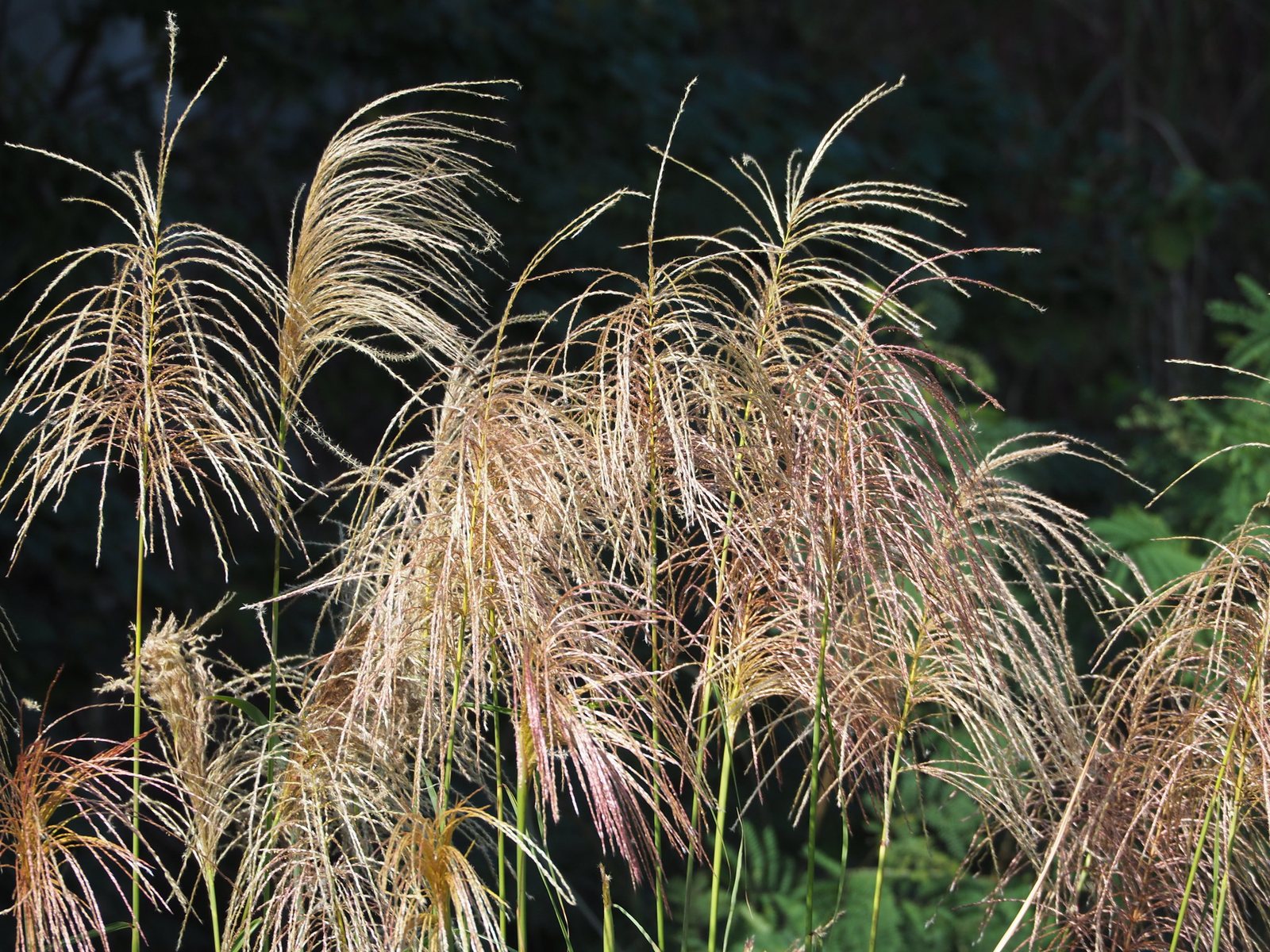
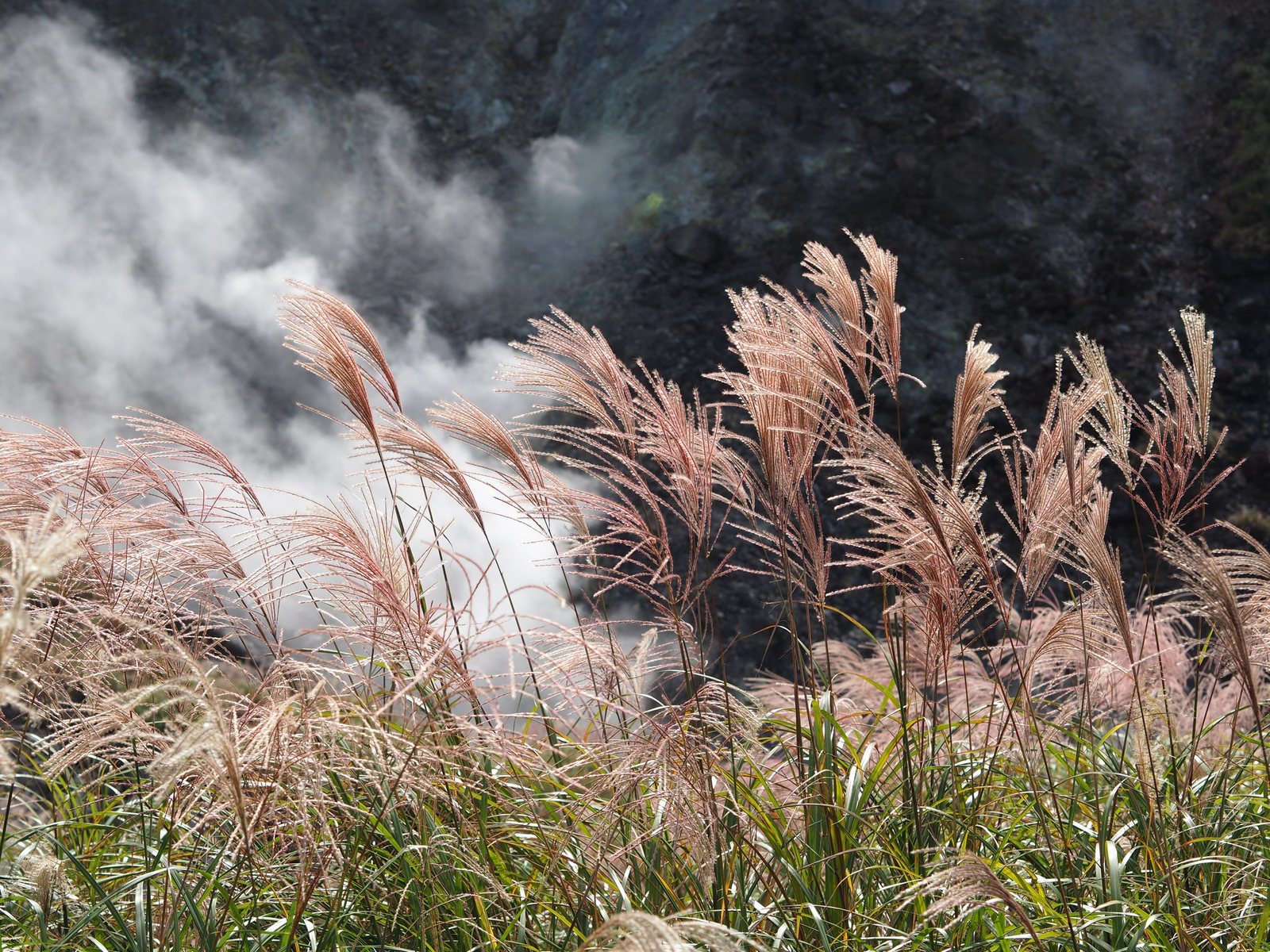
'Morning Light' is a deciduous, clump-forming grass with fine, arching leaves edged in white, giving the plant a silvery appearance. Gardeners grow it for its upright fountain shape, movement and winter structure; its late flowers may not appear in cool summers.
At a glance
- Sun
- Full sun is best; tolerates light shade but may become floppy and flower poorly.
- Water
- Water regularly during the first growing season. Once established, water deeply during prolonged dry spells; avoid persistently wet soil.
- Soil
- Well-drained soil with moderate fertility; tolerates clay if drainage is adequate. Avoid waterlogged ground, especially in winter.
- Height
- 4-6 ft (1.2-1.8 m), including flower stems
- Spread
- 3-4 ft (0.9-1.2 m)
- Flowers
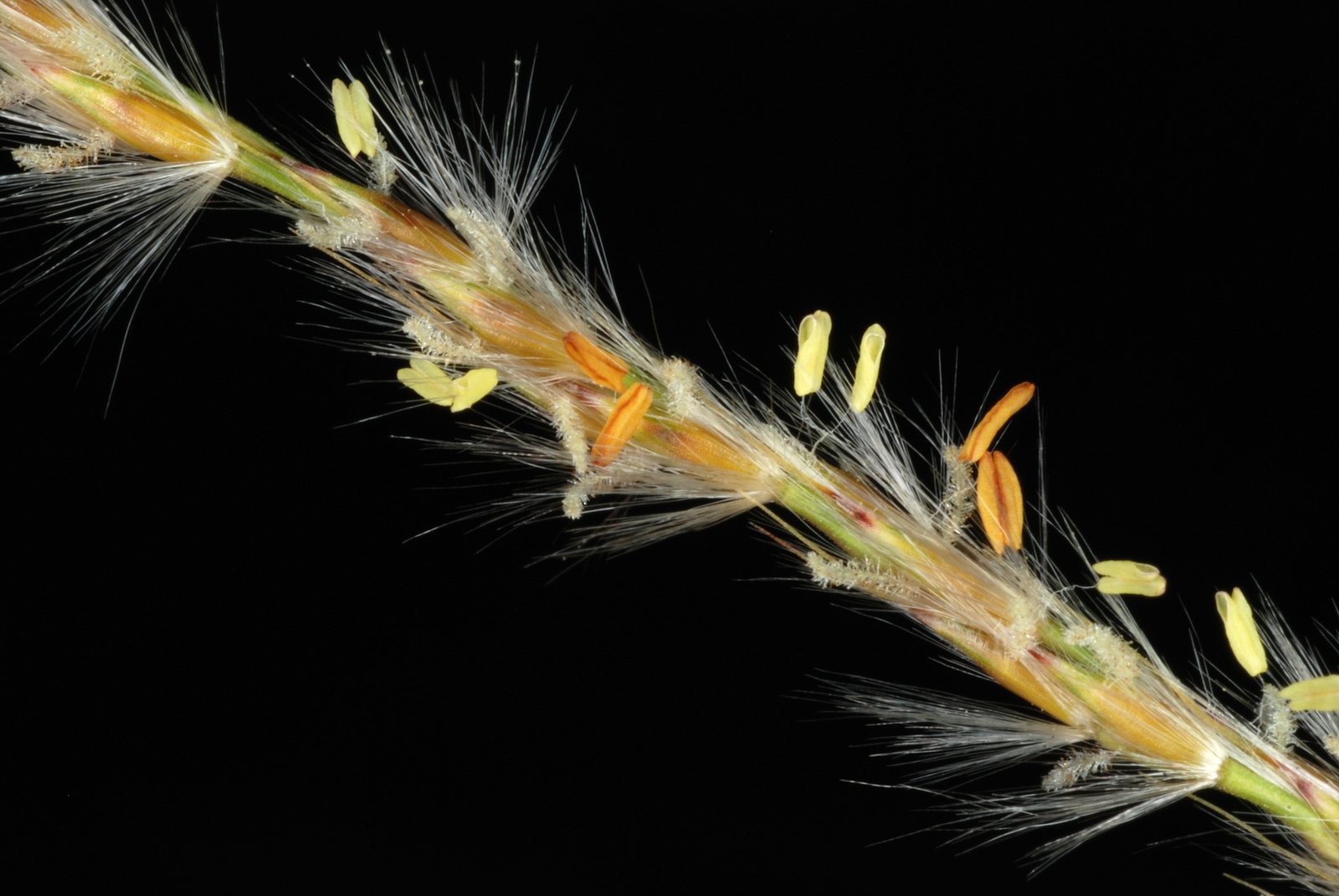
- Late summer to autumn; reddish-bronze plumes fade to pale silver and tan. Flowering is late and unreliable in cool climates.
- Foliage
- Very narrow green leaves with fine white margins and a pale midrib; arching foliage turns straw-coloured in autumn and remains standing through winter.
- Growth
- Moderate; usually takes several growing seasons to form a substantial clump.
- Care needed
- Low
The year at a glance
- Deer resistant
- Drought tolerant
- Heat tolerant
- Disease resistant
- Wildlife
| J | F | M | A | M | J | J | A | S | O | N | D | |
|---|---|---|---|---|---|---|---|---|---|---|---|---|
| Flowers | ||||||||||||
| Fruit | ||||||||||||
| Plant |
Northern hemisphere months. In Australia, shift them by six.
- Difficulty
- Easy
- Toughness
- Very tough
Will it suit your garden?
Pick your zone, country, light and whether you have pets.
Full sun is 6 or more hours of direct sun a day, part shade 3 to 6 hours, shade under 3.
How it grows
Planting day
1.1 ft (0.35 m)
After 1 year
2.7 ft (0.81 m)
After 2 years
4 ft (1.3 m)
After 3 years
5 ft (1.5 m)
full size
About 3 years to full size.
From a typical nursery size, at an average rate for this kind of plant. A rule of thumb, not a forecast.
Good to know
- Cats and dogs
- Safe
- Invasive in
- the US
- Growth rate
- Moderate
Care
Jobs through the year
- WaterApr–May, Sep–Oct, every 14 days
- Water established clumps only if dry; newly planted or divided clumps need more frequent watering.
- WaterJun–Aug, every 14 days
- Deeply water established clumps during prolonged drought; skip when rainfall suffices.
- MulchApr–May
- Apply a light compost mulch, keeping it away from the crown; avoid heavy nitrogen feeding.
- PruneFeb–Mar
- Cut old stems to 10–15 cm before new shoots lengthen; wear gloves and long sleeves.
- DivideApr–May
- Divide only when overcrowded or hollow-centred; discard the dead centre and replant vigorous edges.
- DeadheadSep–Oct
- Remove plumes before seed ripens only where escape is a concern; otherwise retain for winter structure.
- Plant in spring in cold regions, leaving room for the mature clump.
- Water deeply during establishment and prolonged summer drought.
- Apply a light compost mulch in spring, keeping it away from the crown.
- Avoid heavy nitrogen feeding, which encourages weak, floppy growth.
- Divide in spring if the centre dies out or the clump outgrows its space.
Pruning. In late winter or early spring, cut old stems to 4-6 in (10-15 cm) above ground before new shoots lengthen. Wear gloves and long sleeves because the leaf edges can cut skin.
Through the year
- Late winter
- Cut down standing stems before new growth begins; avoid damaging emerging shoots.
- Spring
- Plant or divide clumps as growth starts, watering thoroughly afterwards.
- Late spring
- Apply a light compost mulch and check that nearby plants are not crowding the crown.
- Summer
- Water during extended dry weather, especially in the first year.
- Autumn
- Leave foliage standing for structure; remove flower heads before seed ripens where escape is a concern.
- Winter
- Check that water is not pooling around the crown and remove broken stems if necessary.
In the garden
- Repeat clumps through a sunny perennial border with coneflowers and stonecrops for fine texture among broad flower heads.
- Use beside a dark fence or evergreen backdrop to make the pale leaf margins visible.
- Plant as a seasonal screen around a seating area, allowing for its bare period after cutting back.
- Place where low sunlight catches the leaves and dry winter stems, away from narrow paths where foliage can brush skin.
Garden styles it suits: New perennial (prairie), Modern, Japanese, Architectural minimal, Autumn colour and Winter interest.
Plant it with: Purple coneflower, Black-eyed Susan, Tall stonecrop, Russian sage, Verbena and Michaelmas daisy.
Wildlife: Standing clumps provide shelter for insects and other small animals. Wind-pollinated flowers offer little value to nectar-feeding pollinators; this non-native grass is not a substitute for locally native grasses in habitat planting.
Problems to watch for
- Flopping: move to a sunnier position, reduce fertiliser and divide an overcrowded clump.
- Crown rot in wet soil: improve drainage or replant on higher ground; discard badly rotted sections.
- Dead centre in an old clump: lift in spring, discard the woody centre and replant vigorous outer divisions.
- Brown tips or premature drying during drought: water deeply and mulch lightly, without burying the crown.
Safety
Not known to be toxic to cats, dogs, horses or people. No part is recognised as poisonous, but the sharp leaf margins can cut skin or irritate the mouth if chewed.
Where it spreads. Miscanthus sinensis is invasive in parts of the eastern and southeastern United States, including North Carolina, Virginia and Pennsylvania. 'Morning Light' often flowers sparsely, especially in cool climates, but should not be assumed sterile; check local guidance and remove plumes before seed ripens where escape is a concern.
Easily confused with
Variegated maiden grass (Miscanthus sinensis 'Variegatus')
Has broader leaves with much wider cream-white lengthwise stripes, producing a bolder, less finely textured clump.
Zebra grass (Miscanthus sinensis 'Zebrinus')
Has yellow bands running across the leaves rather than narrow white margins running along them.
Variegated feather reed grass (Calamagrostis × acutiflora 'Overdam')
Starts growing and flowers earlier, with a narrower, more upright habit and tighter flower spikes.
The name
Miscanthus comes from Greek words referring to stalked flowers, sinensis means 'from China', and 'Morning Light' describes the cultivar's pale, light-catching foliage.
Propagation. Divide established clumps in spring as growth begins, using a sharp spade or saw and retaining healthy roots and shoots on each section. Seed-grown plants will not reliably retain the cultivar's fine white leaf margins.
Checked against open data
- Accepted botanical name
- Miscanthus sinensis
- In the US and Canada
- Introduced in Canada and the lower 48 states.
- Native range
- Borneo, China North-Central, China South-Central, China Southeast, Hainan, Japan, Jawa, Kazan-retto, Khabarovsk, Korea, Kuril Is. and Laos.
- Measured
- Soil pH 5 to 7.2. Average height 186 cm.
Sources: GBIF (CC BY 4.0), USDA PLANTS and Trefle (CC BY 4.0). The care and design notes are LandscapeGPT's own.
See it in your own yard.
Upload a photo of your yard and see it redesigned with plants that suit your climate, each checked against your zone.